Hot Tub Time Machine
"The most honest title in cinema history."
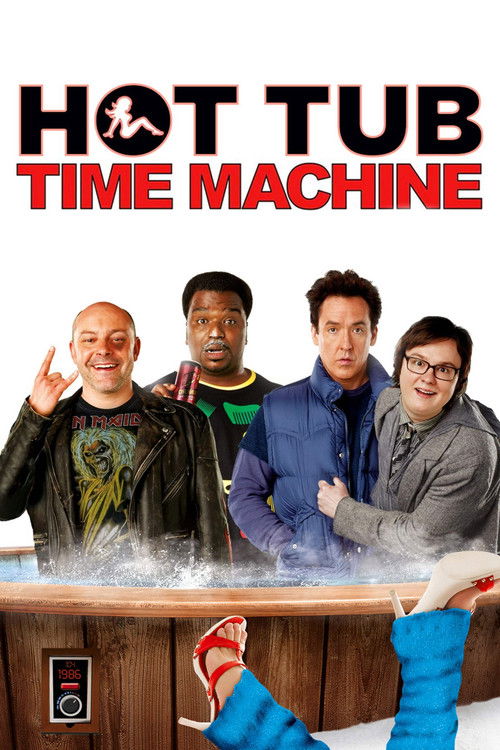
There is a refreshing, almost aggressive lack of pretension in a movie that names itself Hot Tub Time Machine. In an era where studios were obsessing over "elevated" concepts or gritty reboots, director Steve Pink and writers Sean Anders and Josh Heald leaned into the absolute absurdity of their premise. It’s a title that dares you to be a snob, yet the film itself is surprisingly disciplined, a cocktail of R-rated raunch and genuine heart that works far better than it has any right to.
I once watched this while recovering from a wisdom tooth extraction, and the combination of ice packs and painkillers made the film’s "Cherlyne" energy drink catalyst feel like a perfectly sound scientific theory. Looking back, that’s exactly how the movie wants you to feel: a little bit hazy, a lot of bit ridiculous, and entirely willing to go along for the ride.
The Chemistry of Regret
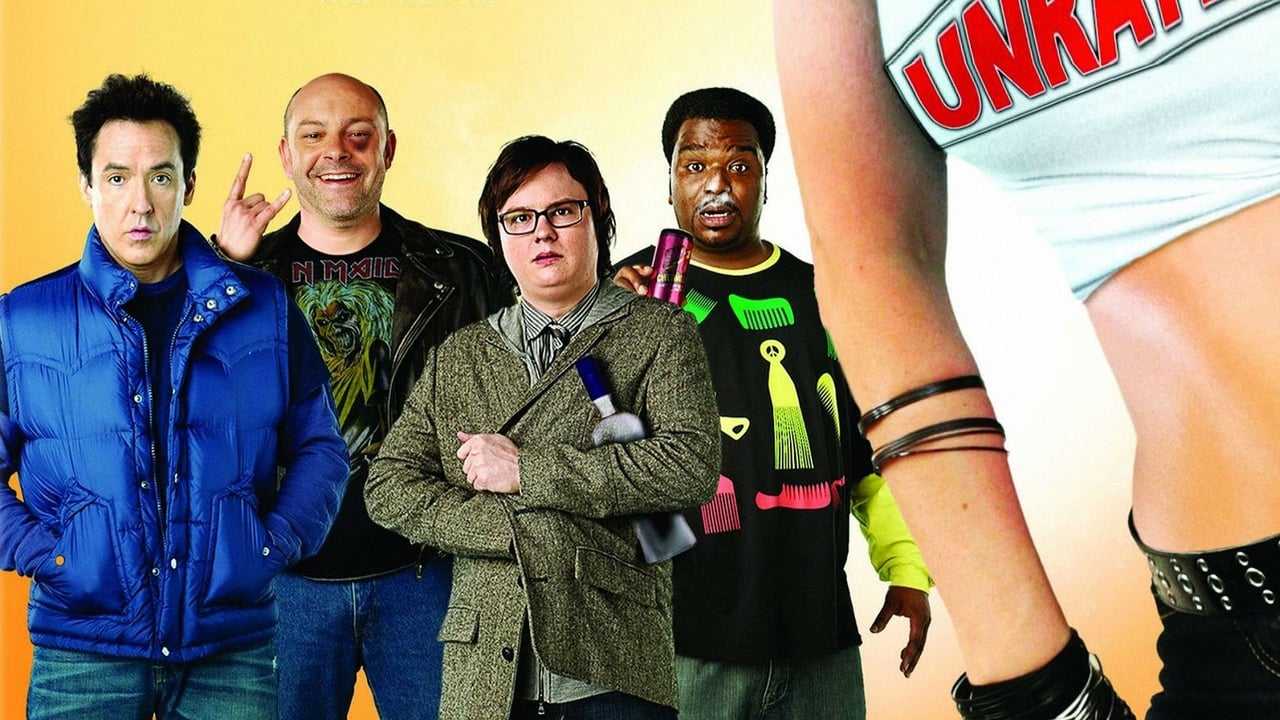
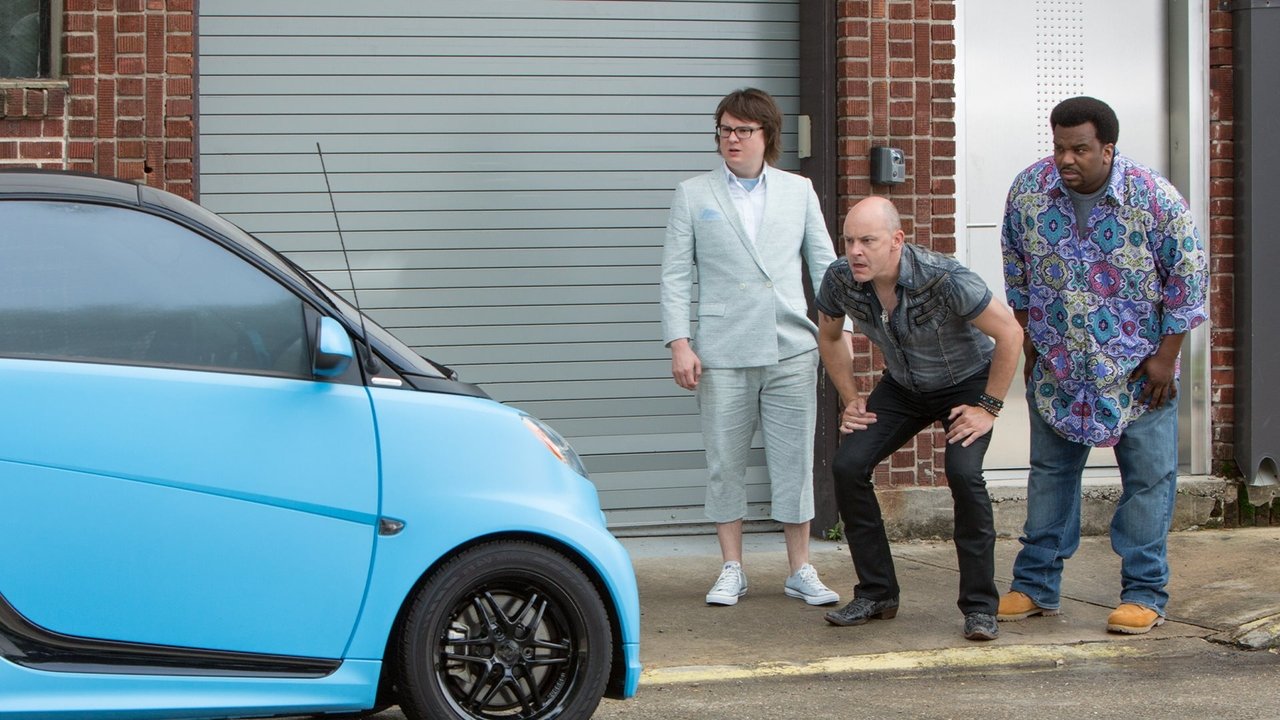
At its core, the film is a meditation—sorry, I promised no academic fluff—it’s a story about four guys who are, quite frankly, failing at adulthood. John Cusack, playing Adam, is the disillusioned anchor, which is a meta-masterstroke considering he was the face of the very 80s "earnest guy" archetype this film deconstructs. Alongside him, Craig Robinson as Nick and Rob Corddry as Lou provide the comedic engine. Robinson delivers lines with a deadpan musicality that kills me every time, while Corddry is a Tasmanian Devil of self-destruction.
Then there’s Clark Duke as Jacob, the nephew who represents the "Modern Cinema" audience—the cynical, tech-obsessed kid who has to explain the "rules" of time travel while everyone else is busy trying to get laid in 1986. The chemistry here is vital. If these four didn’t feel like they’d been annoying each other for twenty years, the movie would collapse. Instead, they managed to make a movie about a magical bathtub feel like a gritty documentary on male loneliness.
1986 Through a 2010 Lens
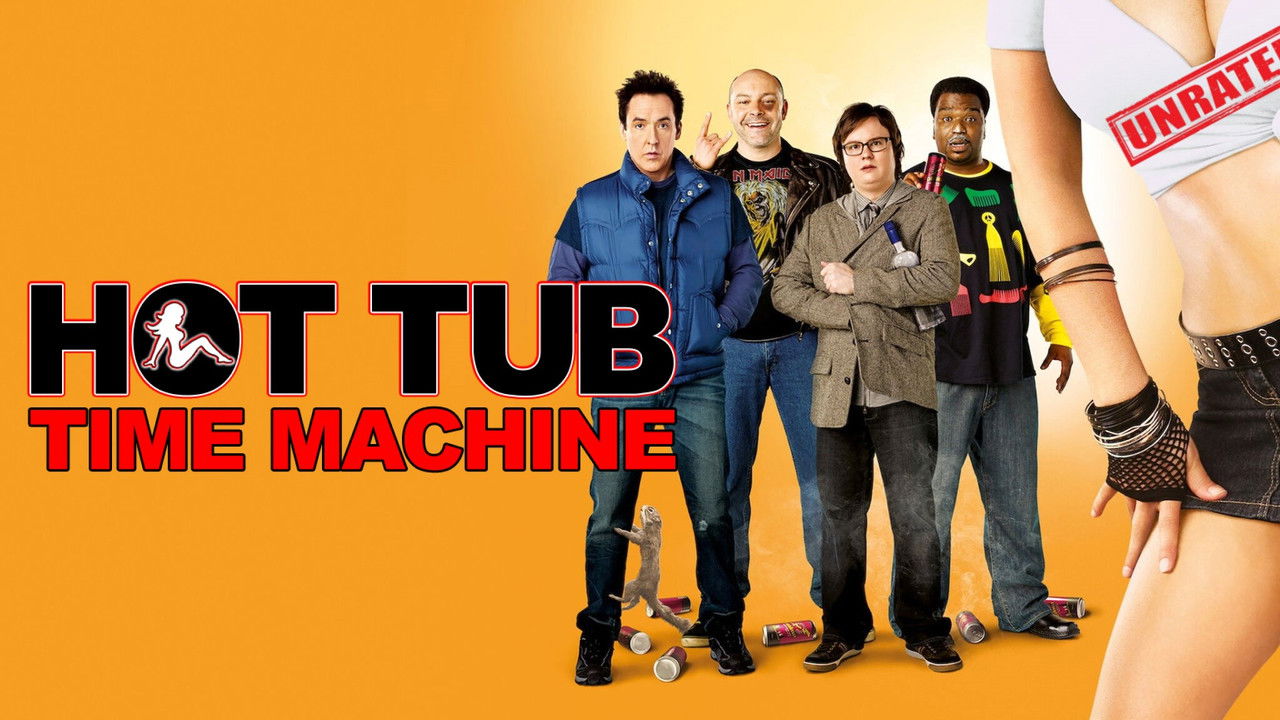
What strikes me most reassessing this film now is how it captures the transition of the late 2000s. Released in 2010, it sits at the tail end of the DVD-buying boom and the peak of the "Apatow-adjacent" R-rated comedy era. It uses the sci-fi conceit not for world-building, but for situational irony. The production design is a neon-soaked nightmare of 1986, complete with leg warmers and Sebastian Stan playing Blaine, a quintessential 80s ski-bully who feels like he wandered off the set of Better Off Dead.
The time travel logic is delightfully flimsy. Enter Chevy Chase as the mysterious repairman, a role that feels like a nod to the comedy legends who paved the way for this brand of chaos. He offers just enough cryptic "sci-fi" jargon to keep the plot moving without ever letting the "science" get in the way of the jokes. It’s a smart use of the genre; it establishes the "Butterfly Effect" early on—don’t change anything or you’ll ruin the future—and then watches as our protagonists immediately proceed to piss on the timeline like it’s a flickering campfire.
Cult Status and the "Wait, This is Good?" Factor
Hot Tub Time Machine was a modest box office success, but it truly lived its best life on home video. It’s a "Discovery Movie"—the kind you find on a boring Tuesday night and end up quoting for a month. The film’s cult status stems from its density of gags. There’s a running bit involving a one-armed bellhop played by Crispin Glover that is a masterclass in delayed gratification. You spend the whole movie waiting for the moment he loses the arm, and the film plays with your expectations like a cat with a laser pointer.
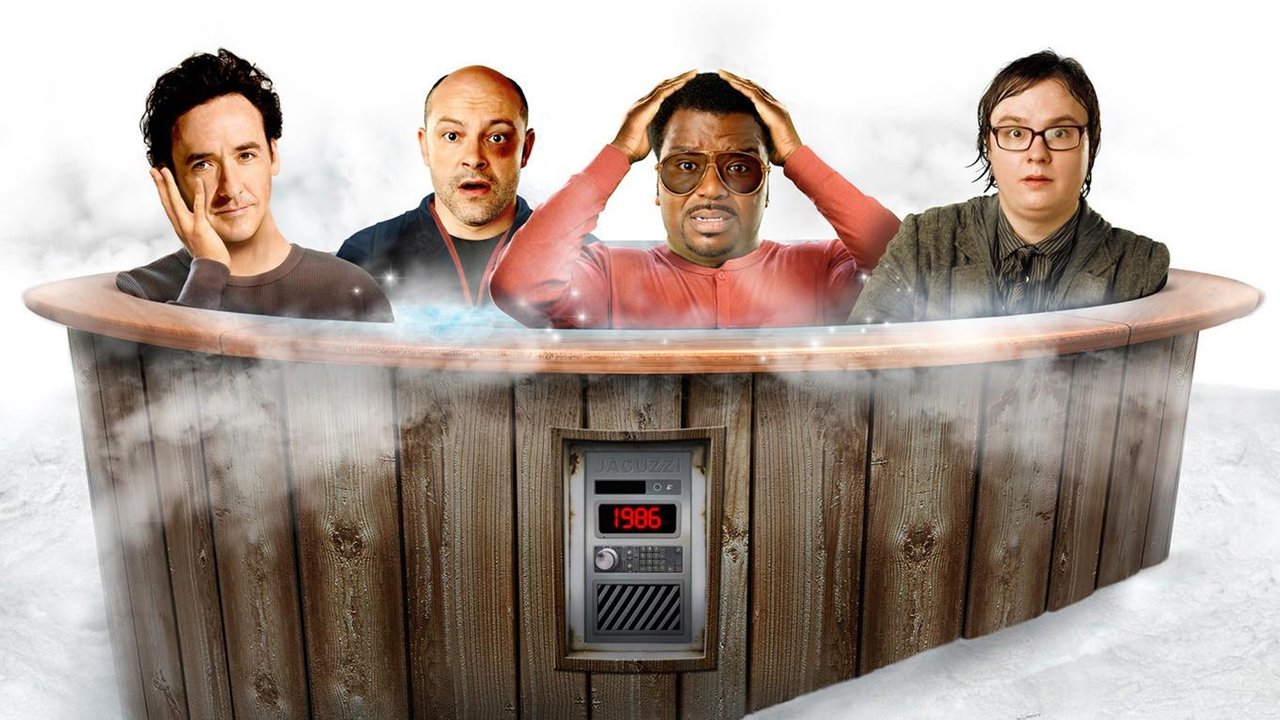
Apparently, the production was just as chaotic as the film suggests. Rob Corddry has mentioned in interviews that much of the banter was improvised, which explains why the insults feel so lived-in and sharp. There’s an authenticity to the meanness that makes the eventual "lessons learned" feel earned rather than forced. It’s a movie that understands that nostalgia is a toxic drug that usually leads to a terrible hangover, yet it still invites you to take a hit.
The film works because it respects its audience’s intelligence enough to be incredibly stupid. It doesn't try to be Back to the Future; it tries to be the R-rated, foul-mouthed cousin who tells you the truth about how much the 80s actually smelled like hairspray and desperation. While the CGI used for some of the "time vortex" sequences looks a bit like a 2010 screensaver now, it doesn't matter. You’re not here for the effects; you’re here to see Craig Robinson look into a camera and tell you exactly what he’s not supposed to do. It’s a cult classic that holds up because its heart is as big as its hot tub is questionable.
Keep Exploring...
-
Journey to the Center of the Earth
2008
-

Paul
2011
-
The Hitchhiker's Guide to the Galaxy
2005
-

Meet the Robinsons
2007
-
Mr. Peabody & Sherman
2014
-
Planet 51
2009
-

Aliens in the Attic
2009
-
Idiocracy
2006
-
Teenage Mutant Ninja Turtles
2014
-
Sky High
2005
-

Monte Carlo
2011
-
Teenage Mutant Ninja Turtles
1990
-
Bill & Ted's Bogus Journey
1991
-
Teenage Mutant Ninja Turtles II: The Secret of the Ooze
1991
-

Austin Powers: The Spy Who Shagged Me
1999
-
Jimmy Neutron: Boy Genius
2001
-

Spy Kids
2001
-

Spy Kids 2: The Island of Lost Dreams
2002
-

Small Soldiers
1998
-

Flushed Away
2006