How to Train Your Dragon
"Heroes aren't born. They're trained."
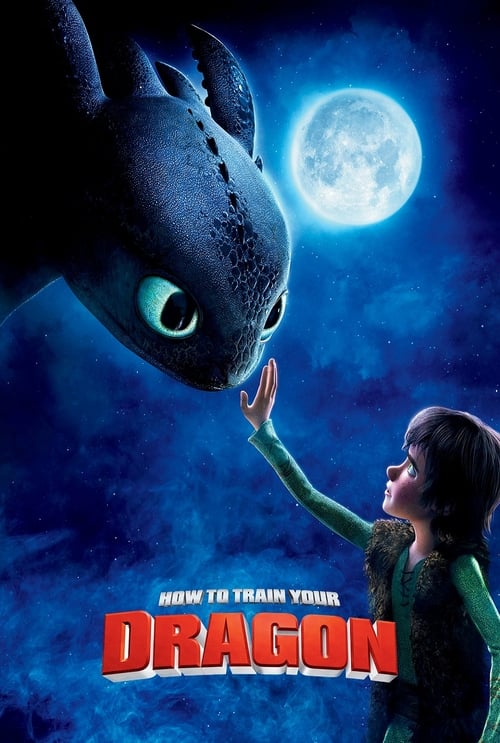
The first time I heard the sound of a Night Fury—that high-pitched, metallic whistle that suggests a dive bomber made of obsidian and stardust—I was hooked. I watched this particular screening while eating a bowl of cereal that had gone slightly soggy because I was too mesmerized by the flying sequences to actually pick up my spoon. It was 2010, and DreamWorks Animation was finally tired of being the "funny, cynical cousin" to Pixar’s emotional powerhouse. With How to Train Your Dragon, they didn’t just find their heart; they found their wings.
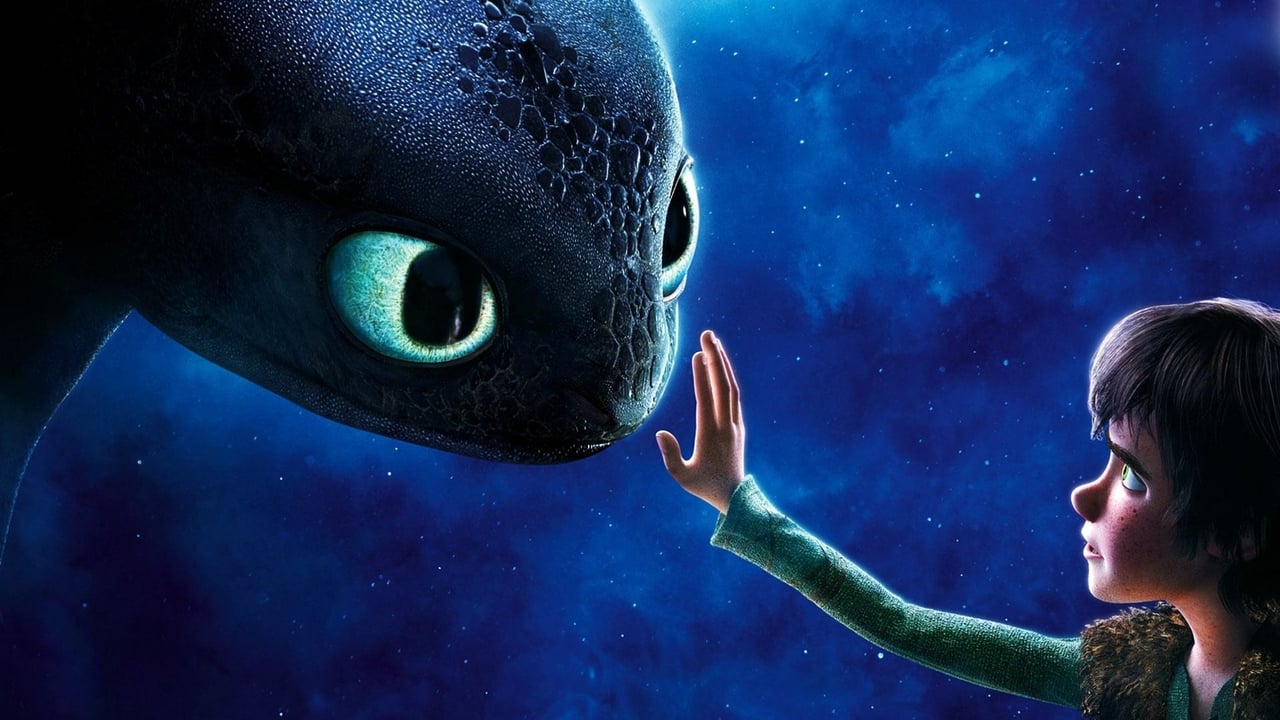
The End of the "Snark" Era
For most of the 2000s, DreamWorks was defined by Shrek. It was the house of pop-culture references, celebrity voice-casting, and a certain "too cool for school" attitude. Looking back, How to Train Your Dragon was the moment the studio grew up. Directors Chris Sanders and Dean DeBlois, the duo behind the wonderfully weird Lilo & Stitch, brought a much-needed sense of sincerity to the table.
We meet Hiccup, voiced with a perfect, nasal neurosis by Jay Baruchel. He is the ultimate "un-Viking" in a village where your social standing is determined by how many giant lizards you’ve decapitated. His father, Stoick the Vast (Gerard Butler), is a man built entirely of beard and disappointment. The setup is classic adventure territory—the misunderstood kid and the "monster" who is actually just a giant, fire-breathing housecat—but the execution is what makes it sing. Toothless is basically a black panther crossed with a Golden Retriever, and we’re all suckers for it.
Painting with Light (and Dragons)
In the era of Modern Cinema (1990-2014), we saw CGI move from "look what we can do" to "look what we can make you feel." While the 2010 character models for the humans look a bit "soft" by 2024 standards, the environments and the dragons themselves are gorgeous. This is largely thanks to a brilliant move by the production team: they hired legendary cinematographer Roger Deakins as a visual consultant.
Deakins, the man who shot The Shawshank Redemption and No Country for Old Men, taught the animators how to use light like a real camera would. You can see it in the "Forbidden Friendship" sequence, where the light filters through the cove’s canopy, hitting the dust motes in the air. It doesn’t feel like a computer-generated box; it feels like a place you could actually catch a cold in. The flight sequences are the film’s crowning achievement—sweeping, dizzying, and genuinely adventurous. They capture that specific childhood dream of leaving the ground behind.
A Score That Earns Its Wings
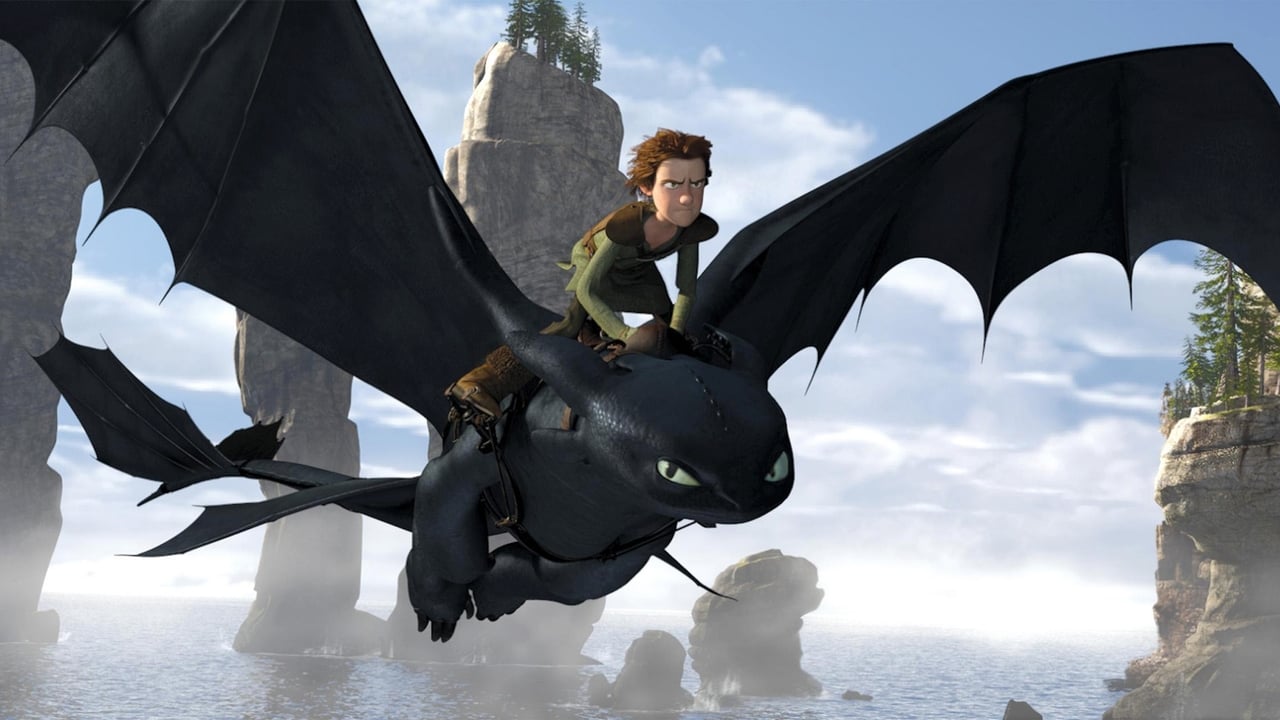
I cannot talk about this movie without mentioning John Powell’s score. In a decade of increasingly generic blockbuster music, Powell produced a masterpiece of Celtic-inspired orchestral magic. It’s the engine of the film. When the track "Test Drive" kicks in and Hiccup and Toothless finally sync up, the music doesn't just support the scene; it is the scene. It’s one of those rare scores that makes you feel ten feet tall while you’re sitting on your couch in sweatpants.
The supporting cast brings a lot of the old DreamWorks humor, but it’s more grounded here. Craig Ferguson is a delight as Gobber, and America Ferrera gives Astrid a backbone that keeps her from being just a "love interest" trope. Even the "A-list" kids—Jonah Hill, Christopher Mintz-Plasse—work because they aren't winking at the camera. Snotlout is basically every high school jock who peaked at sixteen, but in a Viking helmet.
The Blockbuster Legacy
This wasn't just a hit; it was a phenomenon that redefined DreamWorks' business model. Apparently, the studio spent $165 million on production—a massive gamble at the time—but it paid off when the film soared to nearly $500 million globally. It launched a decade-long franchise, including two equally strong sequels, several TV shows, and a theme park presence that rivals the heavy hitters.
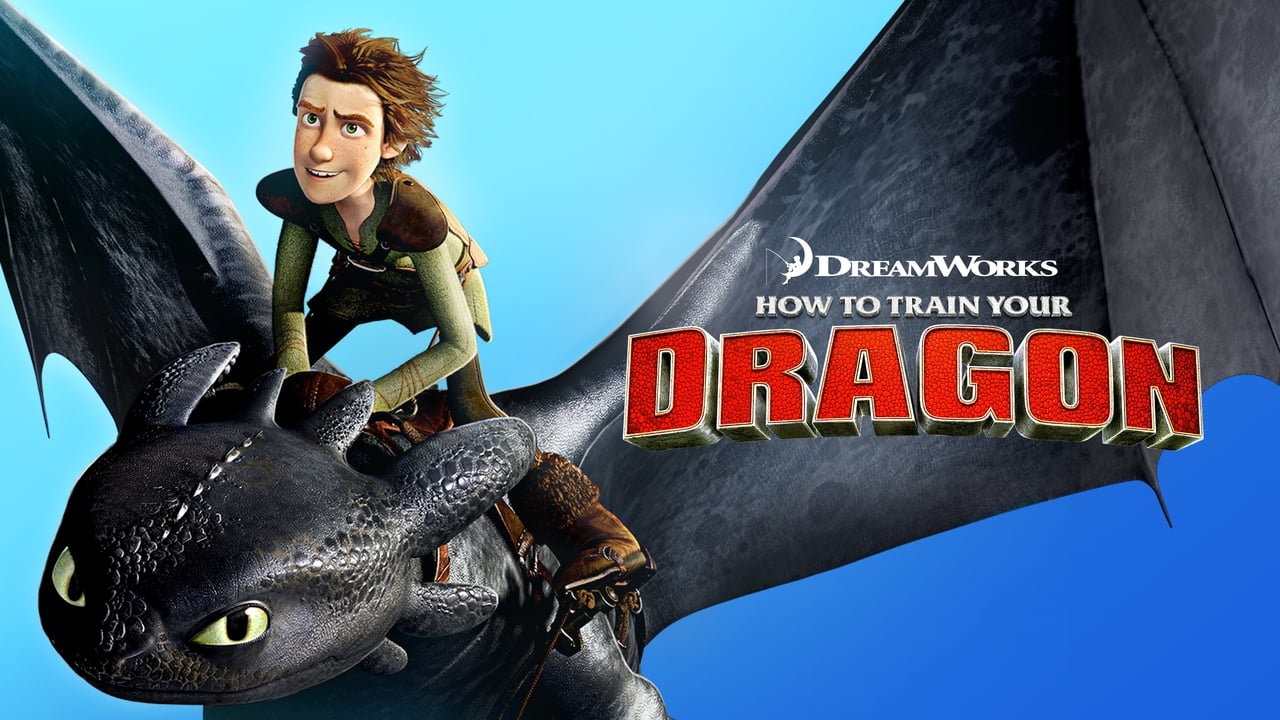
Interestingly, the film’s sound design was a weird alchemy of nature and domesticity. To create the sounds of the dragons, the team used everything from elephant seals to the heavy breathing of a domestic cat. Even a vacuum cleaner was reportedly used to get some of the mechanical "whirrs" of the Night Fury's fire-charging. It’s that level of detail that makes Berk feel like a lived-in, breathing world rather than a digital set.
Perhaps the most daring thing about the film, looking back, is the ending. (Minor spoiler warning) Having your protagonist lose a limb in a "family" movie was a massive narrative risk in 2010. It served as a profound reminder that adventure has consequences, and it cemented the bond between Hiccup and Toothless—both "broken," both made whole by the other. It’s a sophisticated beat that many adult action movies are too cowardly to attempt.
Ultimately, How to Train Your Dragon is the rare blockbuster that actually deserves its success. It captures the pure, adventurous spirit of 80s Amblin films while utilizing 2010s tech to its absolute limit. It’s a story about the bravery it takes to put down your shield and realize that the things we fear are often just things we don't understand yet. Fourteen years later, the scales still shine, the score still soars, and I still want my own dragon.
It’s a foundational piece of modern animation that proved you could have a massive box office hit without sacrificing an ounce of soul. Whether you’re seven or seventy, that first flight together remains one of the most transportive moments in 21st-century cinema. Berk is a place worth visiting again and again. Just watch out for the sheep.


Keep Exploring...
-
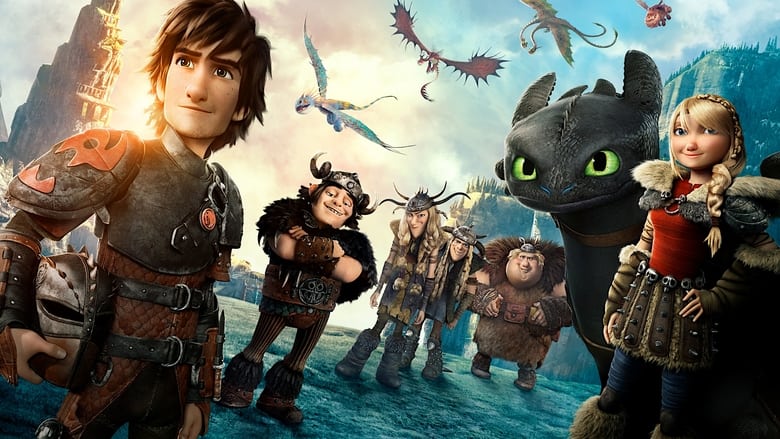
How to Train Your Dragon 2
2014
-

How to Train Your Dragon: The Hidden World
2019
-
The Croods
2013
-

Frozen
2013
-
The Lego Movie
2014
-

How to Train Your Dragon
2025
-

Lilo & Stitch
2002
-
Brave
2012
-
Shrek
2001
-
Shrek 2
2004
-
How to Train Your Dragon: Homecoming
2019
-
Horton Hears a Who!
2008
-

Aladdin
1992
-

The SpongeBob SquarePants Movie
2004
-
Rise of the Guardians
2012
-
Big Hero 6
2014
-

The Book of Life
2014
-
Mulan
1998
-

Puss in Boots
2011
-

Secret of the Wings
2012