I Love You Phillip Morris
"Love is the ultimate get-out-of-jail-free card."
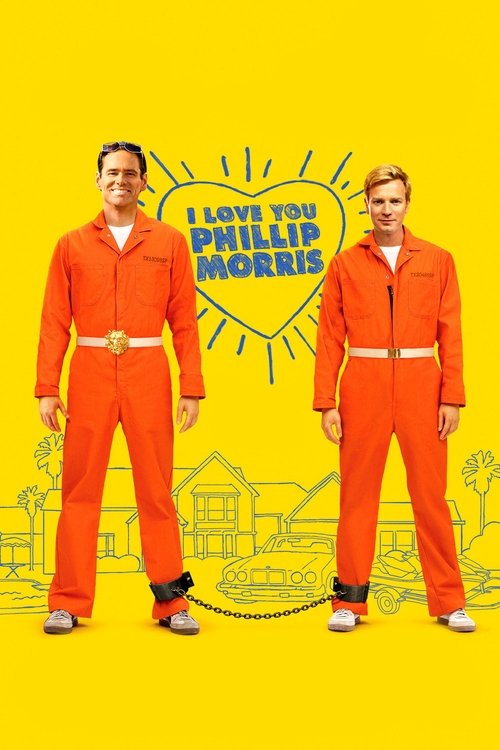
There is a specific brand of madness that only Jim Carrey can sell—a high-wire act performed between genuine pathos and the kind of facial contortions that suggest he’s trying to exit his own skin. By 2010, we were well-acquainted with the rubber-faced antics of Ace Ventura and the melancholic stillness of Eternal Sunshine of the Spotless Mind, but nothing quite prepared us for the frantic, criminal desperation of I Love You Phillip Morris. It’s a film that vibrates with a nervous, manic energy, much like its protagonist, and it remains one of the most fascinating artifacts from that late-2000s era where "indie" films were getting punchier, braver, and a lot more comfortable with being deeply weird.

I watched this while my neighbor was power-washing his driveway for three hours straight, and the relentless, high-pressure drone of the water weirdly underscored the mounting anxiety of Steven Russell’s escalating frauds. It felt appropriate. This is a movie about a man who simply cannot stop—a man who treats life like a series of locks he hasn't picked yet.
The Art of the Perpetual Pivot
Based on an almost unbelievable true story, the film follows Steven Russell (Jim Carrey), a church-going cop and family man who, after a brush with death, decides to stop living a lie. He realizes he’s gay, moves to Miami, and promptly discovers that living an "extravagant" lifestyle is expensive. Naturally, he turns to white-collar crime. It’s here that directors John Requa and Glenn Ficarra (who wrote the delightfully caustic Bad Santa) find their groove. They don’t treat Steven’s criminality as a tragedy, but as a byproduct of his relentless optimism. Jim Carrey is essentially playing a cartoon character who suddenly realizes he’s made of flesh and blood.
The film’s first act moves at a breakneck pace, capturing that turn-of-the-decade cinematic obsession with the "hustle." It’s reminiscent of Catch Me If You Can, but with a much more colorful, queer sensibility. When Steven eventually lands in prison, he meets the titular Phillip Morris, played by Ewan McGregor with a soft, honeyed Southern drawl. This is where the movie shifts from a crime caper into something much more interesting: a romance that is as sincere as it is pathological.
A Chemistry of Contrasts
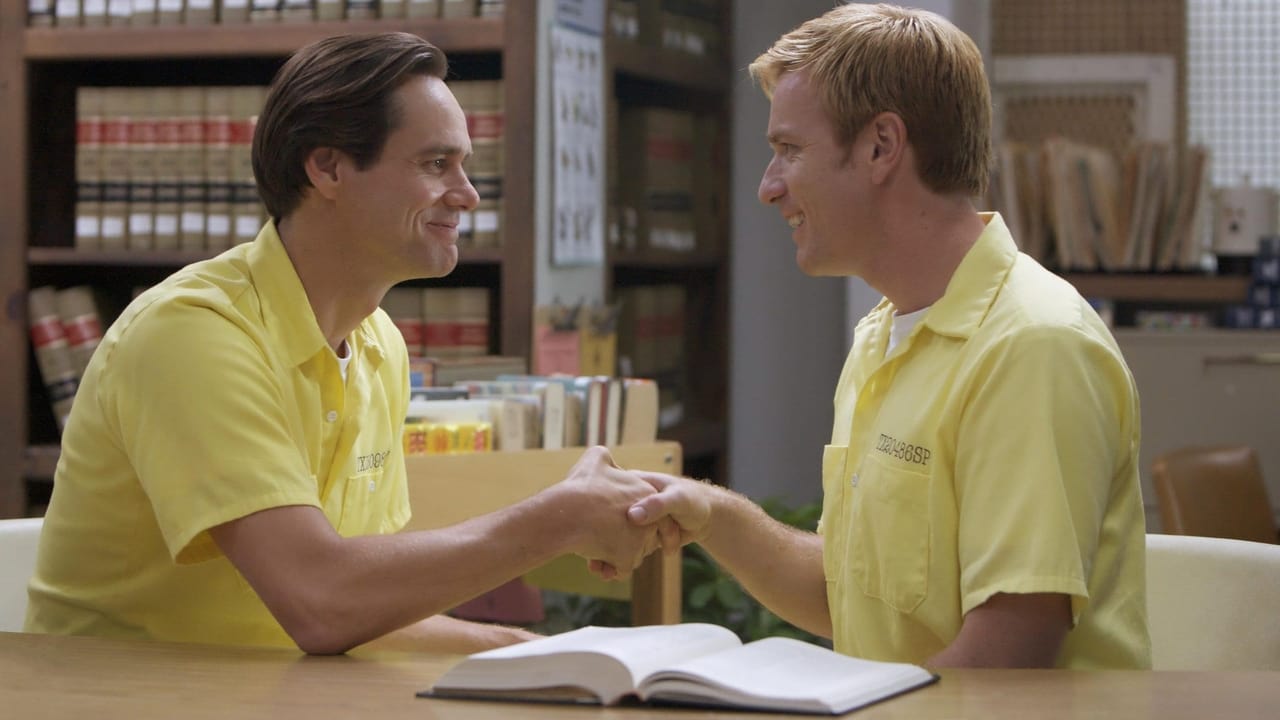
The pairing of Jim Carrey and Ewan McGregor shouldn't work on paper. Carrey is all jagged edges and explosive outbursts, while McGregor (fresh off his Star Wars prequel tenure) leans into a vulnerable, almost ethereal sweetness. Yet, their chemistry is the engine that keeps the film from spinning off the tracks. McGregor’s Phillip is the grounding wire to Carrey’s lightning. Watching them fall in love in the harsh, fluorescent gray of a state penitentiary is surprisingly moving, mostly because the film doesn't wink at the audience. It treats their devotion as the only honest thing in a life built on fabricated resumes and forged checks.
I've always felt that this movie treats fraud with the same whimsical energy most films reserve for a first date. Steven isn't just stealing money; he's stealing a reality where he and Phillip can be happy. There’s a scene involving a slow dance to "To Love Somebody" that manages to be both heartbreaking and slightly absurd, a balance that Requa and Ficarra strike with surgical precision. Even Leslie Mann, playing Steven’s ex-wife Debbie, brings a layer of bewildered humanity to a role that could have easily been a one-dimensional "scorned woman" trope.
The Era of the "Difficult" Release
Looking back, I Love You Phillip Morris represents a very specific moment in the transition of modern cinema. Produced by Luc Besson’s EuropaCorp, the film struggled immensely to find a North American distributor. In 2009 and 2010, major studios were still terrified of a mainstream "star vehicle" that featured unapologetic gay romance and graphic (if comedic) intimacy. It sat on a shelf for over a year, gaining a "cult" reputation before it even hit theaters. Today, in the age of streaming, it would have been a Friday-night sensation, but in 2010, it was a bit of a cinematic outlaw.
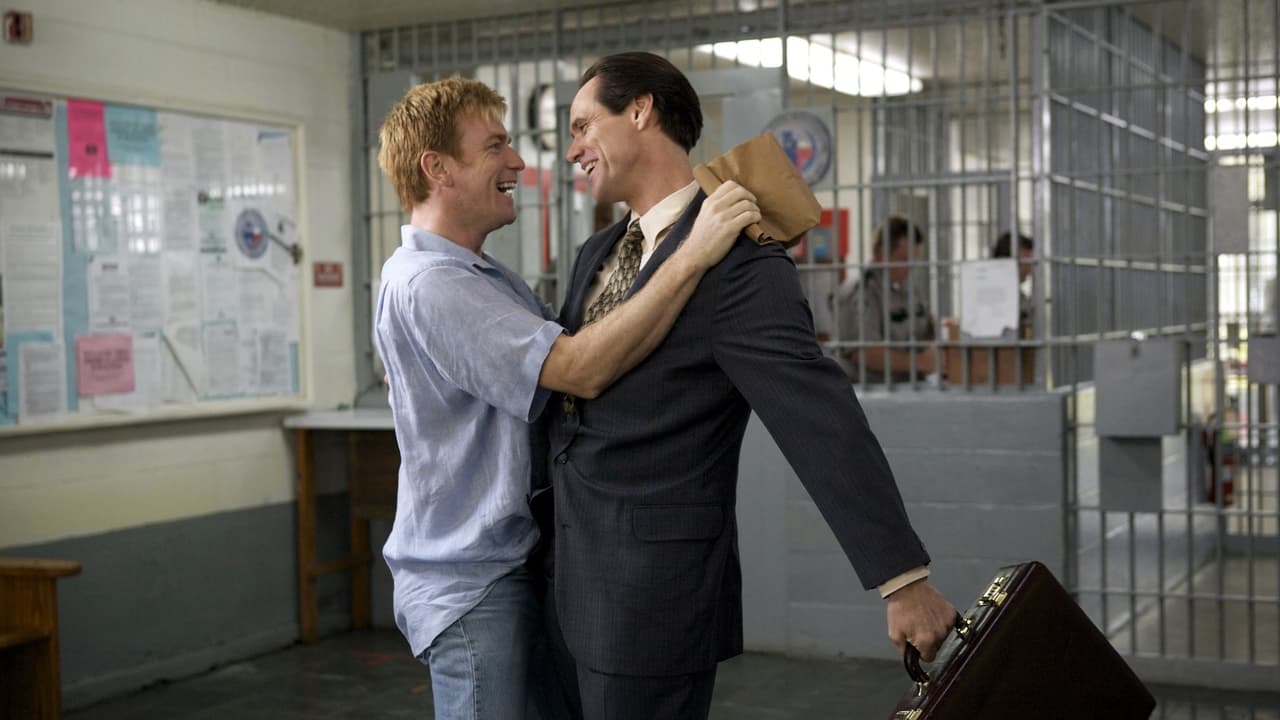
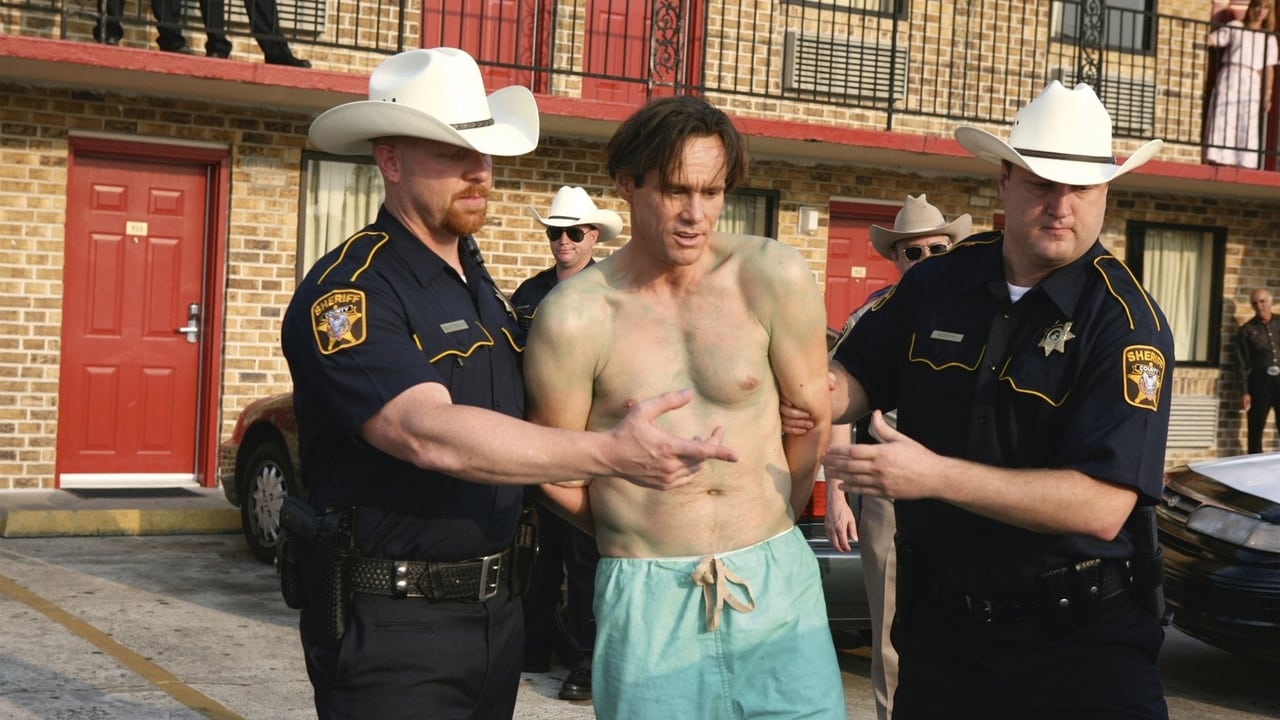
The cinematography by Xavier Grobet captures the garish, saturated whites and blues of Florida, making the prison sequences feel even more claustrophobic by comparison. It looks like a high-budget comedy but feels like a gritty character study. The script is peppered with the kind of cynical wit you’d expect from the guys who gave us Bad Santa, yet it never loses sight of the fact that Steven Russell is a real person—a man who is currently serving a 144-year sentence because he couldn't stop breaking out of prison to see the man he loved.
The film isn't perfect; the final third leans so heavily into the "con" that the emotional stakes start to feel a bit dizzying, and some of the tonal shifts are jarring enough to give you whiplash. But there is a bravery here that I miss in modern, homogenized comedies. It’s a film that isn't afraid to make its protagonist a sociopath, provided he’s a sociopath with a heart of gold. By the time the credits roll, you’re left wondering if the truth is actually stranger than the fiction, or if Jim Carrey is the only person alive who could make us root for a man who lied about having a terminal illness just to get a hug. It’s messy, it’s loud, and it’s deeply, strangely romantic.

Keep Exploring...
-

Focus
2015
-

Crazy, Stupid, Love.
2011
-

Confessions of a Dangerous Mind
2002
-

The Mafia Kills Only in Summer
2013
-

What to Expect When You're Expecting
2012
-

A Lot Like Love
2005
-

Broken Flowers
2005
-

Casanova
2005
-
The Family Stone
2005
-
The Sisterhood of the Traveling Pants
2005
-

A Good Year
2006
-

Dan in Real Life
2007
-

Lars and the Real Girl
2007
-

The Nanny Diaries
2007
-
Ghost Town
2008
-

Nick and Norah's Infinite Playlist
2008
-

Wild Child
2008
-

The Informant!
2009
-

Youth in Revolt
2009
-

Morning Glory
2010