I Saw the Devil
"Evil has no bottom."
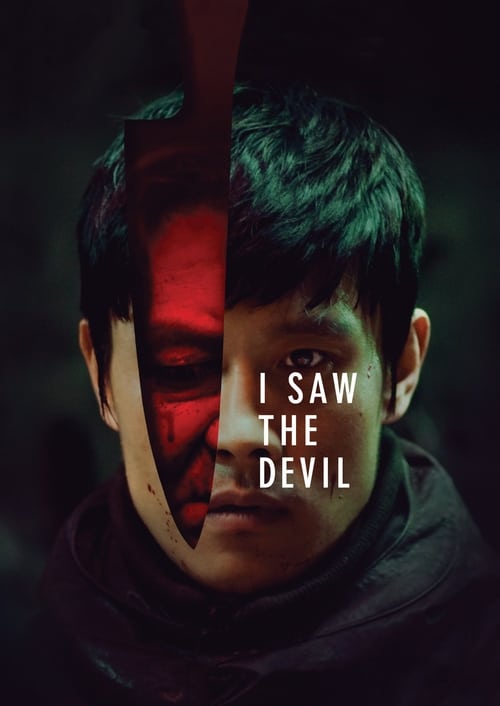
Most revenge movies operate on a simple, cathartic curve: a wrong is committed, a hunt ensues, and a final confrontation provides the emotional release the audience craves. But Kim Jee-woon’s 2010 masterpiece, I Saw the Devil, isn't interested in your emotional release. It takes the typical climax of a thriller—the moment the hero finally catches the monster—and places it roughly thirty minutes into the runtime. What follows is a descent into a special kind of cinematic hell that asks a deeply uncomfortable question: if you let a monster go just so you can hurt him again, who exactly is the predator?

I first encountered this film during a sweltering August heatwave in a cramped apartment with no air conditioning. I was drinking a lukewarm Grape Sunkist, and the cloying, sugary smell of the soda felt nauseatingly at odds with the cold, metallic brutality unfolding on my screen. It’s a film that clings to you like humid air; you can’t just shake it off when the credits roll.
The Anatomy of a Grudge
The setup is deceptively straightforward. Kyung-chul (played with terrifying, oily charisma by Choi Min-sik) is a serial killer who views humans as nothing more than meat. When he murders the fiancé of secret agent Soo-hyeon (Lee Byung-hun), he inadvertently picks a fight with the one man capable of out-monstering him. Soo-hyeon doesn't just want Kyung-chul dead; he wants him to feel the exact moment his soul leaves his body, over and over again.
What follows is a perverse game of "catch and release." Soo-hyeon tracks the killer, beats him within an inch of his life, implants a GPS tracker/microphone combo in his body, and then lets him go. He waits for Kyung-chul to feel safe—or to start hunting again—and then descends like a vengeful god to break another limb. It’s a brilliant subversion of the genre, but it’s also one of the most mean-spirited movies ever committed to celluloid. While Western audiences were getting used to the "torture porn" of the Saw (2004) or Hostel (2005) franchises, Kim Jee-woon was operating on a much more sophisticated, psychological level of cruelty.
A Duel of Titans

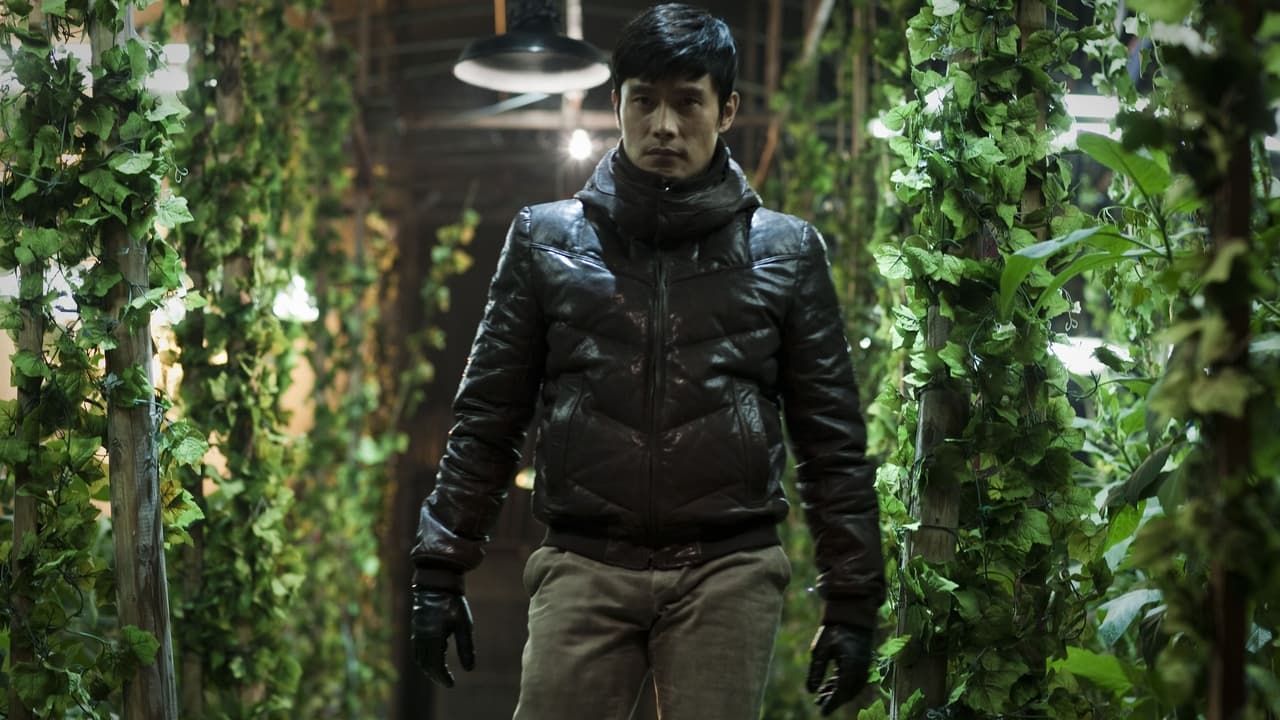
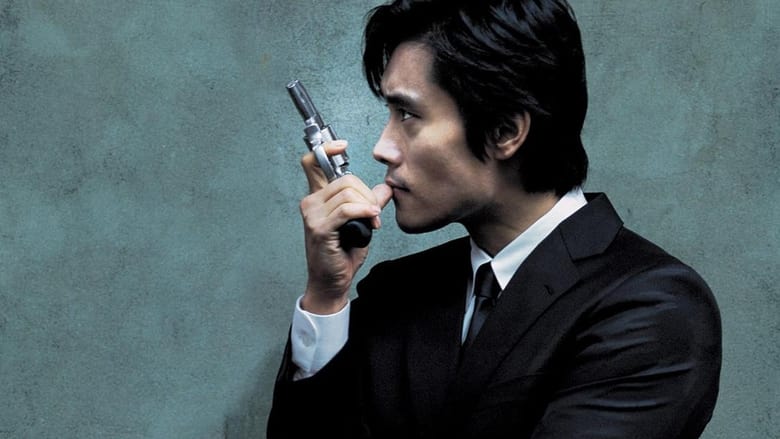
The film lives and breathes on the chemistry between its two leads. Choi Min-sik, famous globally for Oldboy (2003), delivers a performance that is genuinely repulsive. There is no tragic backstory here, no "reason" for his evil. He is a force of nature, a shark in a human suit. Opposing him, Lee Byung-hun—who many might recognize from A Bittersweet Life (2005) or his later Hollywood turns in The Magnificent Seven (2016)—gives a masterfully restrained performance. His face is a mask of grief that slowly curdles into something unrecognizable.
Watching Soo-hyeon's transformation is the real horror of the film. By the halfway mark, you realize that he’s stopped being a protagonist. He’s become a secondary antagonist in his own life, a man so blinded by his "eye for an eye" philosophy that he fails to see the collateral damage piling up around him. The film suggests that revenge isn't a dish best served cold; it’s a suicide pact.
Crafting the Nightmare
From a technical standpoint, I Saw the Devil represents the absolute peak of the "Korean New Wave" that dominated the 2000s and early 2010s. The cinematography by Lee Mo-gae is breathtaking, finding a strange, horrific beauty in the snow-covered landscapes and the neon-lit filth of the city.
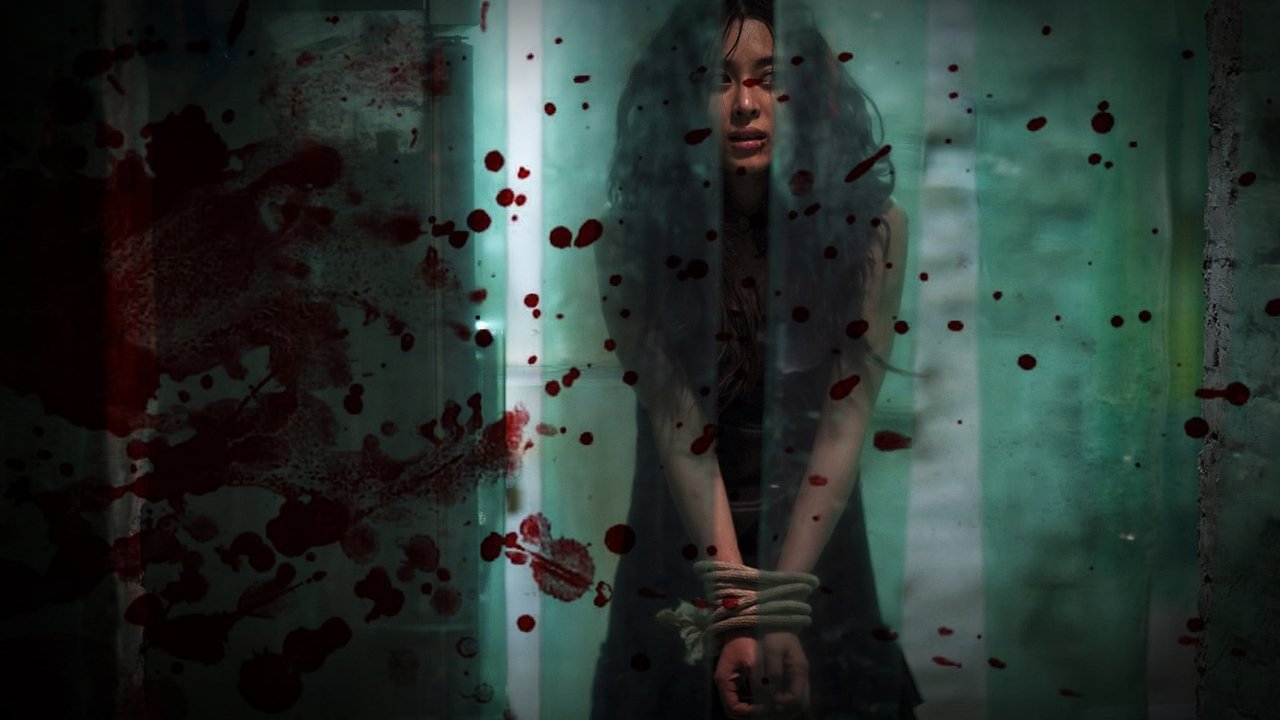
One sequence in particular—a 360-degree spinning shot inside a moving taxi—remains one of the most impressive feats of low-light digital filmmaking from that era. It’s chaotic, bloody, and technically flawless. It reminds me of the sheer ambition directors like Kim Jee-woon and Park Hoon-jung (who wrote the screenplay) brought to the table when South Korean cinema was establishing itself as the world leader in high-octane genre filmmaking.
The trivia surrounding the production is just as intense as the film itself. Apparently, the Korean Media Rating Board forced Kim Jee-woon to cut several minutes of footage just to avoid a "Restricted" rating, which would have effectively banned it from theaters. Even in its slightly trimmed form, it’s a heavy lift for the squeamish. Choi Min-sik reportedly found the role so taxing that he struggled with the psychological aftermath of inhabiting such a depraved character, eventually swearing off playing such dark roles for years afterward.
I Saw the Devil is a bleak, uncompromising look at the futility of vengeance. It’s not a "fun" movie, but it is an essential one for anyone interested in how the thriller genre can be pushed to its absolute breaking point. It captures that specific post-9/11 anxiety where the "good guys" started using the tactics of the "bad guys," ultimately losing themselves in the process. If you have the stomach for it, it’s a gorgeous, haunting, and deeply moving experience that will leave you staring at the wall long after it’s over. Just maybe skip the grape soda while you watch.

Keep Exploring...
-
A Tale of Two Sisters
2003
-
A Bittersweet Life
2005
-
Martyrs
2008
-
The Skin I Live In
2011
-
From Dusk Till Dawn
1996
-

28 Days Later
2002
-
Thirst
2009
-
Funny Games
1997
-
Sleepy Hollow
1999
-
Red Dragon
2002
-
Inland Empire
2006
-

Black Swan
2010
-
Sleep Tight
2011
-
Take Shelter
2011
-
The Conjuring
2013
-

The Mist
2007
-

Eden Lake
2008
-
Orphan
2009
-
The Orphanage
2007
-

A History of Violence
2005