Inception
"A high-stakes heist where the vault is a mind and the loot is an idea."
There is a moment in the second act of Inception where a freight train casually barrels through the middle of a rain-slicked downtown street, smashing into taxis like they're made of balsa wood. In most 2010 blockbusters, that would have been a pixelated mess of digital assets. But because Christopher Nolan is a filmmaker who treats gravity as a suggestion and a budget as a challenge, he actually built a train facade over a tractor-trailer and drove it through the streets of Los Angeles.
That commitment to the "real" is why Inception didn't just dominate the 2010 box office; it completely recalibrated what we expected from summer movies. At a time when the industry was leaning hard into the burgeoning MCU formula and 3D gimmicks post-Avatar, Nolan handed us a $160 million original script that demanded we actually pay attention.
The Heist Within the Head
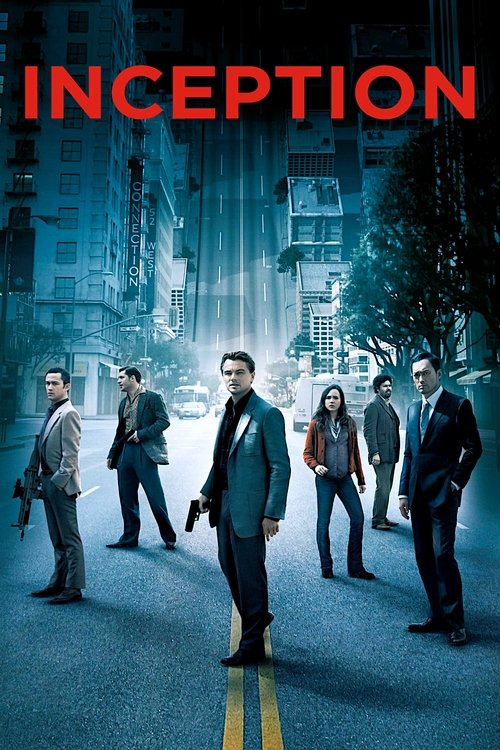
At its core, Inception is a classic "gathering the team" heist movie. You have the Architect (Elliot Page), the Forger (Tom Hardy), the Point Man (Joseph Gordon-Levitt), and the weary lead, Dom Cobb (Leonardo DiCaprio). But the target isn't a casino or a bank vault—it's the subconscious of a corporate heir, played with a surprising, quiet vulnerability by Cillian Murphy.
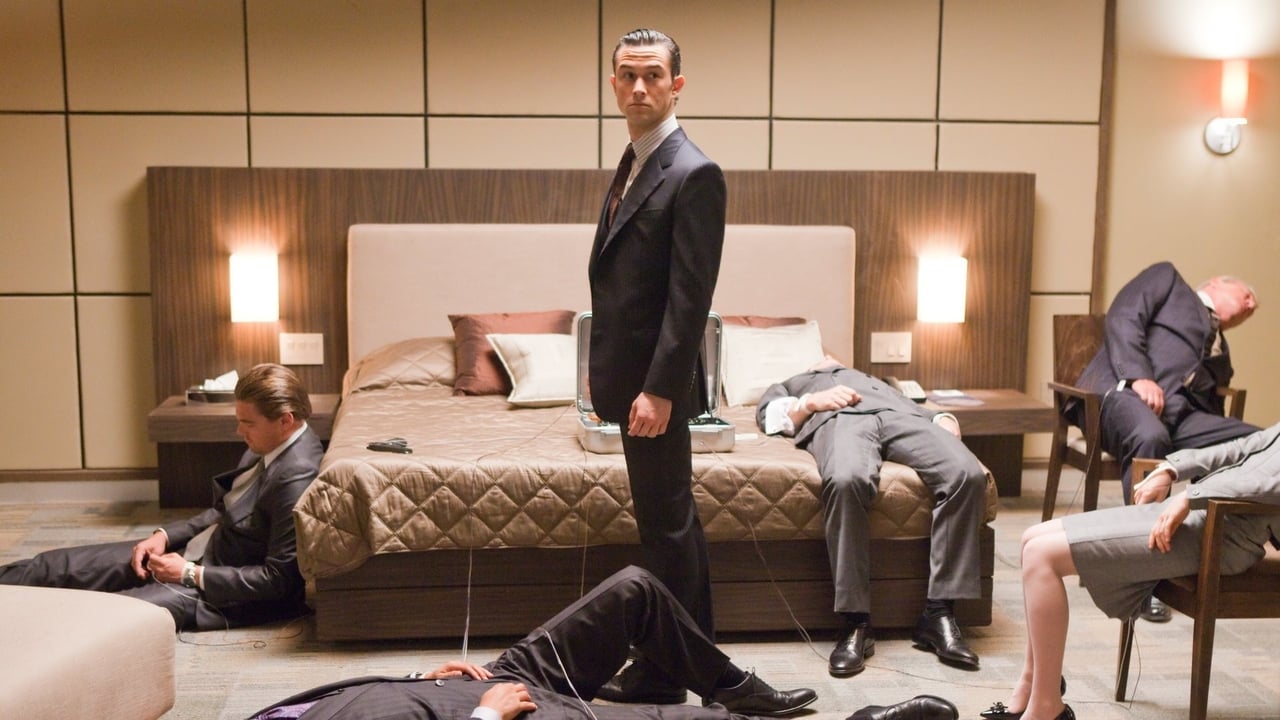
The brilliance of the screenplay lies in how it uses the "dream logic" to up the stakes. Every time the team drops down a level—from a rainy city to a hotel to a snowy fortress—time dilates. A ten-second van ride in the first level becomes an hour-long firefight in the third. It's a masterclass in tension, edited with surgical precision. Looking back, this was the pinnacle of the "Modern Cinema" era's ability to blend high-concept storytelling with visceral, bone-crunching action.
Gravity is Overrated
If you ask anyone about their "where were you" moment with this film, they'll likely mention the hallway fight. To simulate zero gravity as the dream level above them goes into a tailspin, the crew built a massive, 100-foot rotating centrifuge. Joseph Gordon-Levitt spent weeks training to fight in a room that was literally spinning 360 degrees.
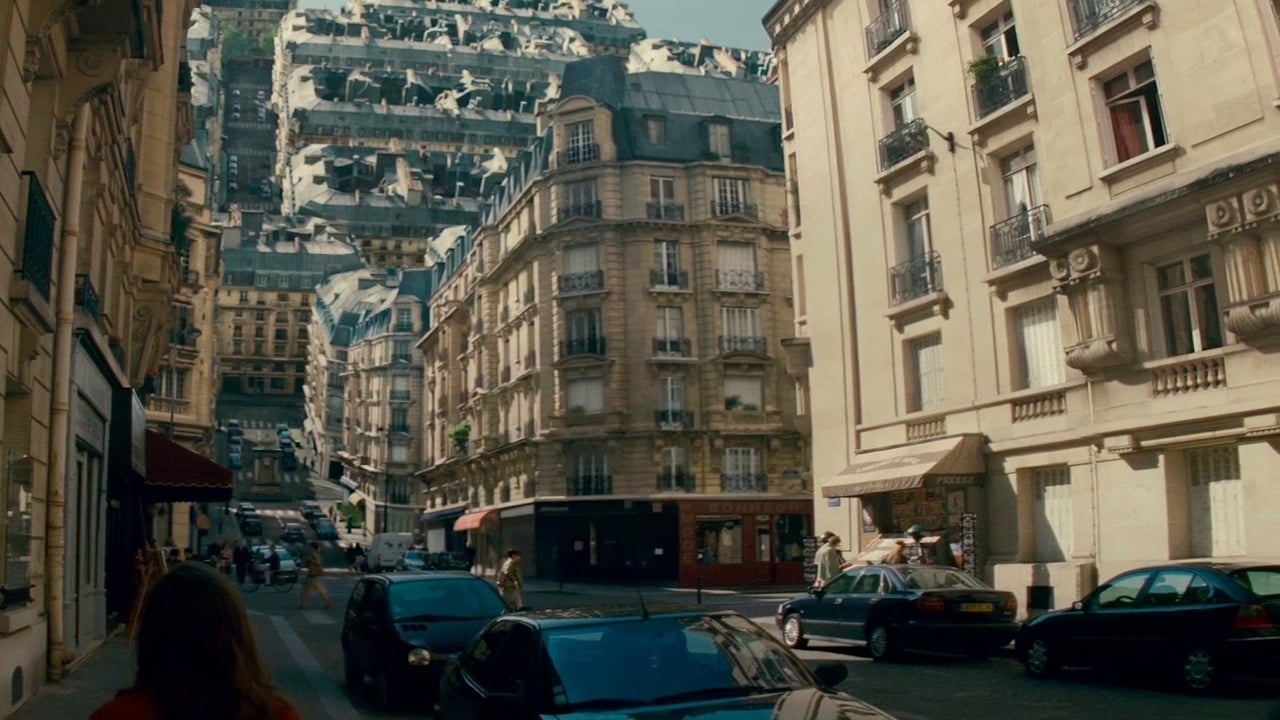
There's a weight to the action here that you just don't get in modern, green-screen-heavy spectacles. When Tom Hardy's Eames fires a grenade launcher or a cafe in Paris explodes into a thousand pieces of debris, you feel the displacement of air. Wally Pfister's cinematography captures it all with a sleek, cold elegance that makes the impossible feel grounded. It's one of those rare films where the "making of" featurettes on the Blu-ray are just as thrilling as the movie itself.
The Sound of a Cultural Shift
We have to talk about the "Braam." You know the sound—that earth-shaking, low-brass blast that has haunted every action movie trailer for the last decade. Hans Zimmer's score is effectively a character in the room. By taking the slowed-down tempo of Edith Piaf's "Non, je ne regrette rien" (the song used to "wake" the dreamers), Zimmer created an auditory landscape that felt both ancient and futuristic. It wasn't just music; it was a rhythmic pulse that dictated the film's momentum.
A $800 Million Gamble
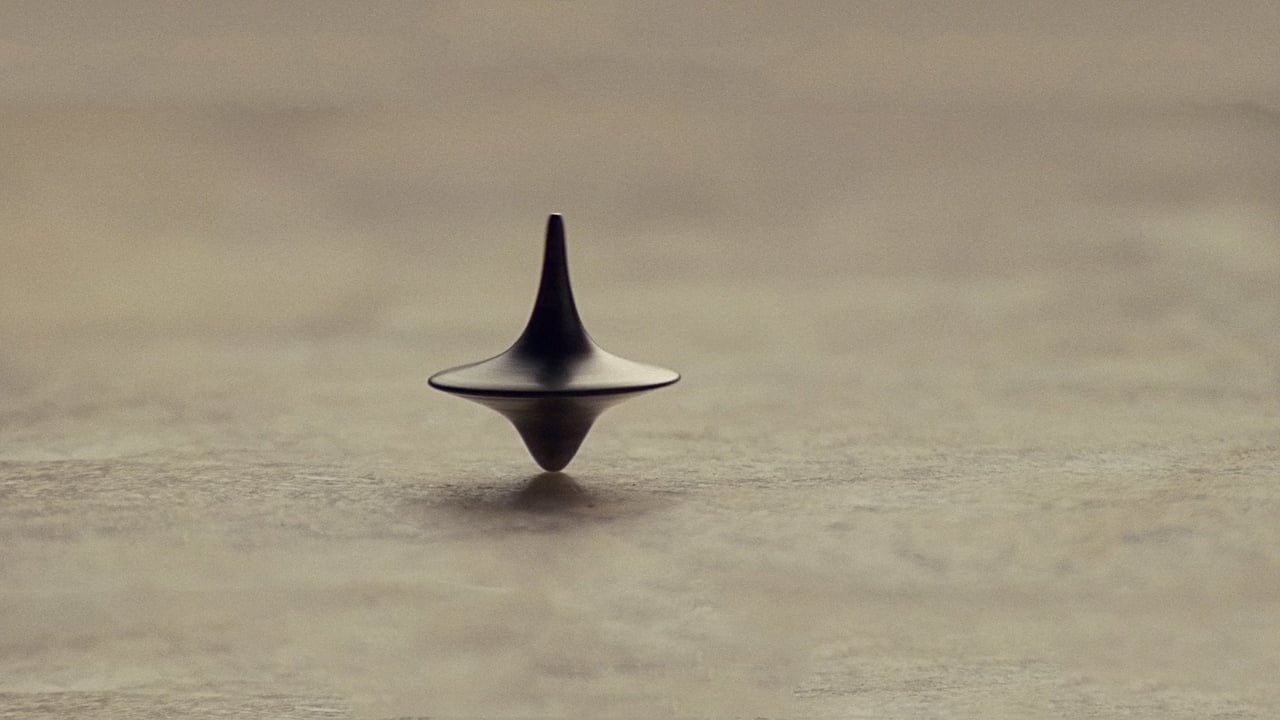
By 2010, the "original blockbuster" was already becoming a rare species. Christopher Nolan's success with The Dark Knight gave him the ultimate blank check, and he spent it on a movie where the ending is a spinning top and a cut to black. The gamble paid off immensely. Inception pulled in a staggering $839 million worldwide, proving that audiences were hungry for "intellectual" spectacle.
It's a film that captured the post-9/11 anxiety of shared reality and corporate overreach, but packaged it in a way that felt like a theme park ride. Even the casting felt like a statement. Leonardo DiCaprio was at the height of his "tormented leading man" era (fresh off Martin Scorsese's Shutter Island), and the chemistry between him and the ensemble felt lived-in and professional. They weren't superheroes; they were specialists doing a job.
While some critics at the time complained the film was too cold or bogged down in exposition, the intervening years have been incredibly kind to Inception. In an era of endless sequels and multiversal reboots, a standalone story this ambitious feels like a miracle. It manages to be a tragic character study about grief and a world-class action flick simultaneously. Whether you're there for the philosophical questions about what constitutes reality or you just want to see a hotel room spin like a laundry dryer, it delivers. The real inception wasn't performed on the characters in the movie; it was performed on us, leaving us staring at the screen long after the credits rolled, wondering if that top ever actually fell.
Keep Exploring...
-

The Dark Knight Rises
2012
-

Interstellar
2014
-

Batman Begins
2005
-
The Dark Knight
2008
-

Star Wars: Episode III - Revenge of the Sith
2005
-
Iron Man
2008
-
Avatar
2009
-

The Avengers
2012
-
The Hunger Games: Catching Fire
2013
-
Captain America: The Winter Soldier
2014
-

Guardians of the Galaxy
2014
-
The Prestige
2006
-
X-Men: Days of Future Past
2014
-

Star Trek
2009
-
Dunkirk
2017
-
Transformers
2007
-
The Amazing Spider-Man
2012
-

The Hunger Games
2012
-
Iron Man 3
2013
-
The Wolverine
2013