Inside Job
"The heist movie where the thieves kept the money."
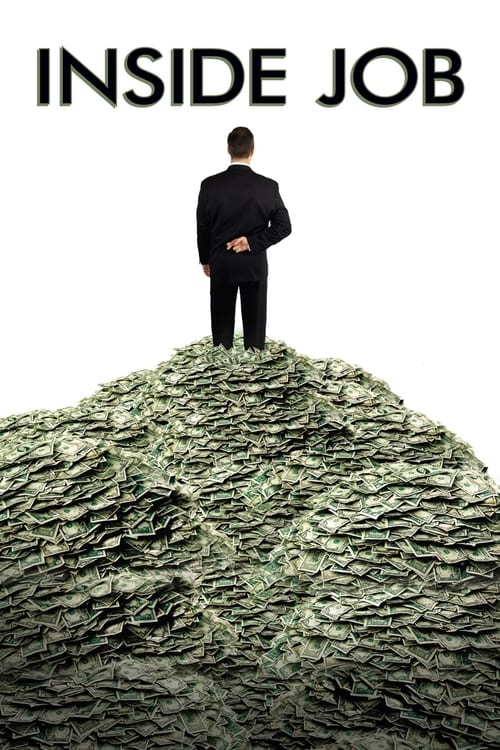
I remember watching Inside Job for the first time in a cramped basement apartment during a rainy Tuesday in 2011. I was drinking a lukewarm Diet Coke that had lost its fizz about twenty minutes prior, which, in retrospect, felt like a poetic pairing for a documentary about things losing their value while the world watched in stunned silence. Even a decade later, this isn't just a "finance doc." It’s a crime thriller where the detectives are late to the scene, the evidence is hidden in plain sight, and the suspects are currently running the world.
The Detective in the Director’s Chair
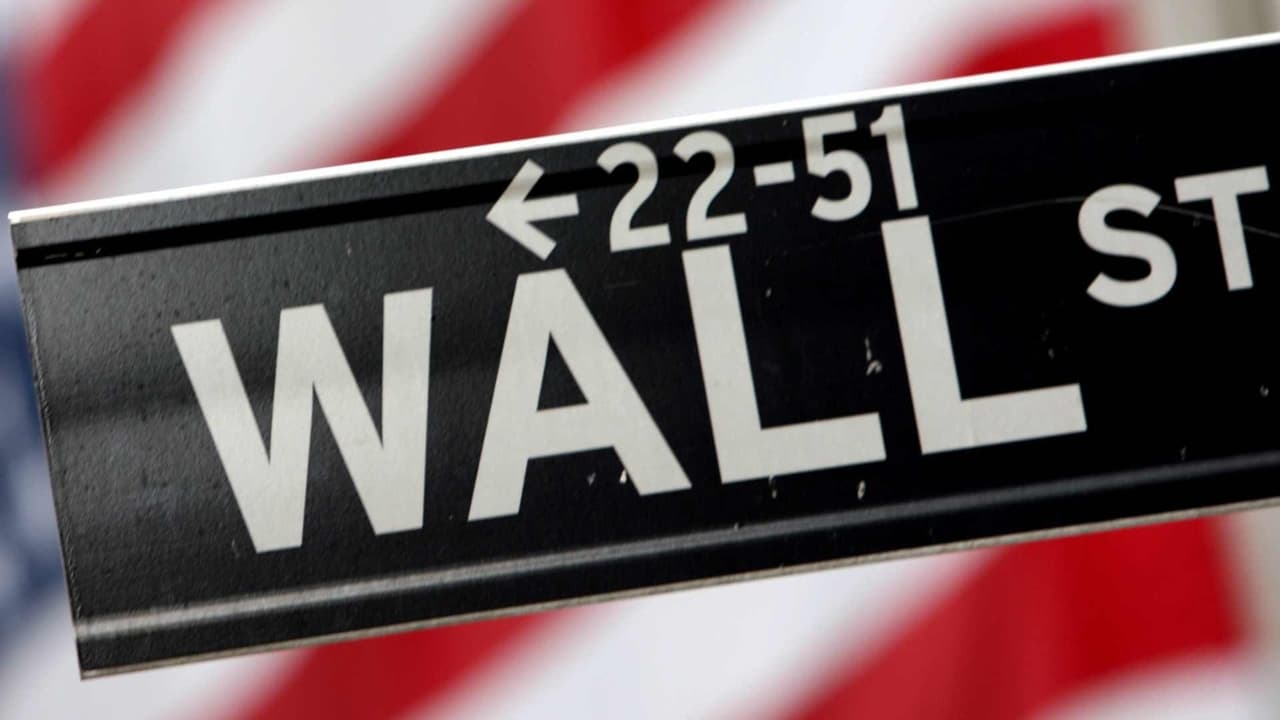
Director Charles Ferguson (who previously gave us the equally infuriating No End in Sight) doesn't approach the 2008 financial crisis like a dry historian. He approaches it like a prosecutor. While many documentaries from the early 2010s were leaning into the "edutainment" style popularized by An Inconvenient Truth, Ferguson keeps things icy and surgical. He utilizes high-definition digital cinematography to capture the glass-and-steel canyons of Wall Street, making the entire financial district look like a high-tech alien colony that has successfully invaded Earth.
The "performance" that anchors the film belongs to Matt Damon. Choosing Damon for the narration was a stroke of genius. He doesn't use his "action hero" voice; he uses his "approachable, concerned neighbor" voice. It provides a necessary tether to reality when the film starts tossing around terms like "credit default swaps" and "collateralized debt obligations." Damon guides you through the jargon like a friend explaining a complicated board game, but with an underlying edge of righteous anger that keeps you from checking your phone.
The Art of the Squirm
The real "drama" here—and I use that word intentionally—isn't in the stock market charts. It’s in the interviews. Ferguson has a legendary ability to get powerful people into a room and then slowly tighten the noose of his logic. We see figures like Frederic Mishkin (a former Federal Reserve Governor) and Glenn Hubbard (Chief Economic Advisor to the Bush administration) transition from smug condescension to visible, sweating panic.
There is a moment where Hubbard gets so rattled by a basic question about his conflicts of interest that he snaps, "You've got five minutes. Give it your best shot!" It’s better than any scripted dialogue in a Hollywood courtroom drama. Watching these men realize they aren't talking to a sycophant but to a man who has actually read their footnotes is the cinematic equivalent of watching a bully realize the kid he’s picking on is a black belt.
The film also does a phenomenal job of highlighting the "cast" of global players, like Christine Lagarde, then the Finance Minister of France. Her blunt, almost weary assessment of the American financial "cowboys" provides a necessary outside perspective, reminding us that while the crisis started in New York, the ripples turned into tsunamis in places like Iceland and Singapore.
A Time Capsule of Corruption
Looking back from the mid-2020s, Inside Job captures a very specific moment in the "Modern Cinema" era (1990-2014). This was the peak of the high-gloss, theatrically released investigative documentary. Before the "streaming boom" flooded the market with six-part true crime series that could have been an email, Ferguson crafted a tight, 109-minute narrative that demanded to be seen on a big screen.
One of the most fascinating "behind-the-scenes" aspects is the difficulty Ferguson had in securing these interviews. Many of the key players—the CEOs of Lehman Brothers, Merrill Lynch, and Goldman Sachs—refused to participate. Instead of letting their absence create a hole, Ferguson uses their silence as a character in itself. The "No Comment" title cards become a recurring motif, a rhythmic reminder of the lack of accountability.
Interestingly, the film’s original tagline—"The film that cost over $20,000,000,000,000 to make"—wasn't just marketing fluff; it was a calculated attempt to frame the crisis as the most expensive production in human history. It’s a dark, ironic joke that perfectly sets the tone for the movie's bleak conclusion: that despite the $20 trillion loss, the system didn't just survive; it consolidated.
Inside Job remains a staggering achievement because it manages to make math feel like a murder mystery. It avoids the trap of being a "history lesson" by focusing on the human element—the arrogance, the greed, and the systemic failure of academia to maintain its integrity. It turns out that academia has the moral backbone of a jellyfish when there’s a six-figure consulting fee on the line.
This isn't an easy watch, but it’s an essential one. It’s the kind of film that makes you want to go home and check your bank statement, then maybe scream into a pillow for a few minutes. It captures the post-9/11 anxiety of the late 2000s and channels it into a focused, brilliant critique of power. If you missed it during its initial run, find it now; the villains haven't gone anywhere, they just changed their titles.
Keep Exploring...
-
The Rainmaker
1997
-

Rounders
1998
-
Batman: The Dark Knight Returns, Part 1
2012
-

Batman: The Dark Knight Returns, Part 2
2013
-
Gridiron Gang
2006
-

Undisputed II: Last Man Standing
2006
-

United 93
2006
-
Before the Devil Knows You're Dead
2007
-
Batman: Under the Red Hood
2010
-
Batman: Year One
2011
-

Kill Bill: The Whole Bloody Affair
2011
-

Batman: Assault on Arkham
2014
-

Boys Don't Cry
1999
-
The Talented Mr. Ripley
1999
-
A Bittersweet Life
2005
-
Capote
2005
-
The Protector
2005
-
Tell No One
2006
-
Mesrine: Killer Instinct
2008
-
Mesrine: Public Enemy #1
2008