Ip Man 2
"The table is set. The stakes are higher."
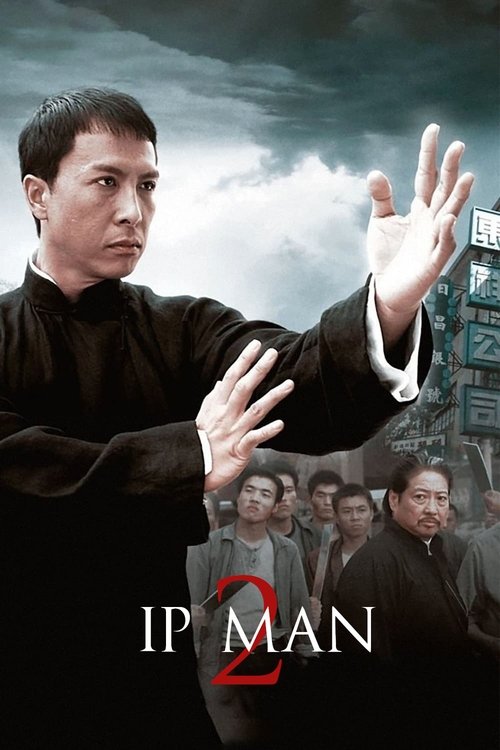
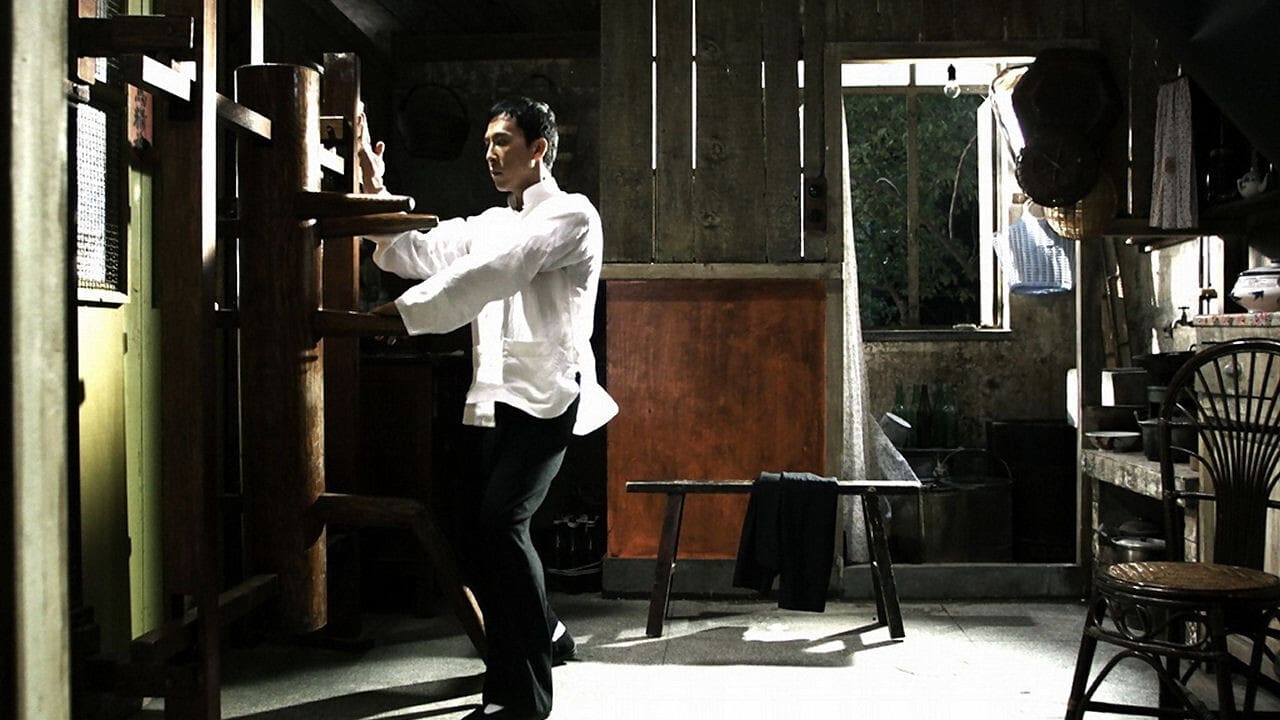
There is a specific sound a fist makes when it connects with a wooden tabletop forty times in three seconds, and in 2010, that sound became the heartbeat of martial arts cinema. I first watched Ip Man 2 on a flickering laptop while my neighbor was loudly power-washing his driveway, and even the drone of high-pressure water couldn't drown out the sheer impact of what Donnie Yen was doing on screen. If the first film was a somber, desaturated look at survival under occupation, the sequel is the moment the franchise realized it was a blockbuster. It’s bigger, louder, and unapologetically colorful, trading the snowy grit of Foshan for the humid, neon-soaked rooftops of 1950s Hong Kong.
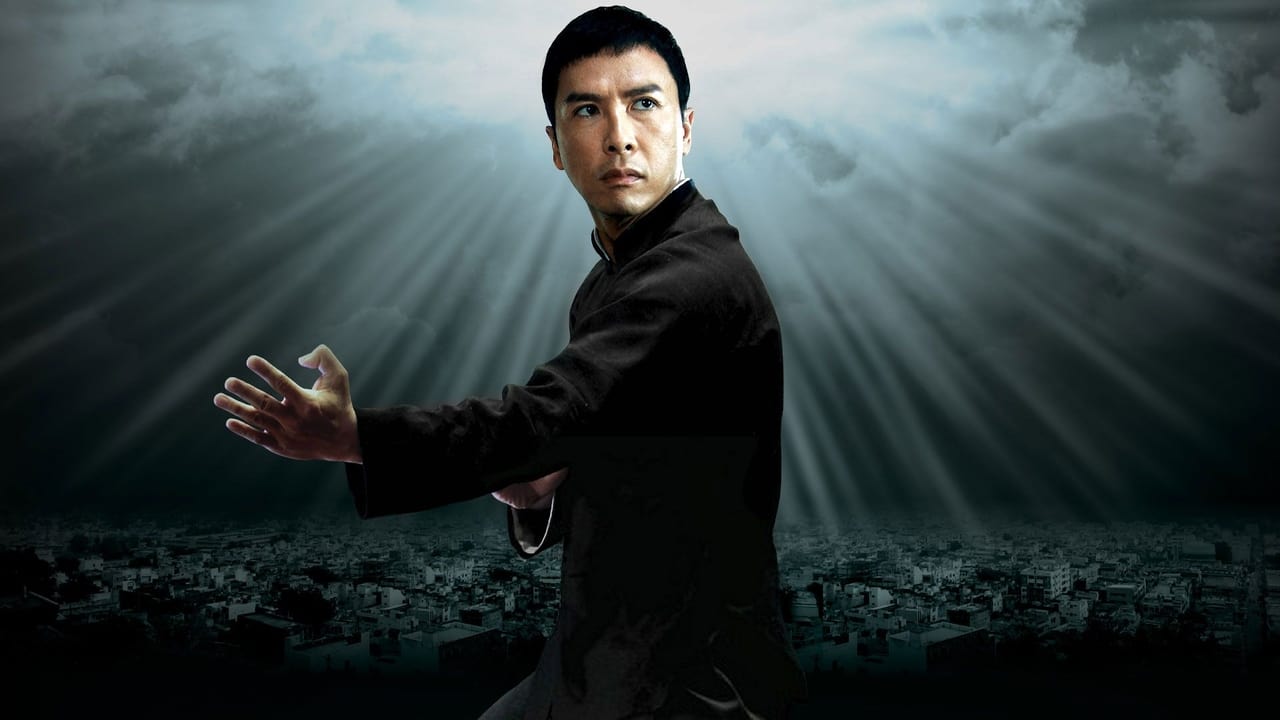
The Art of the Tabletop
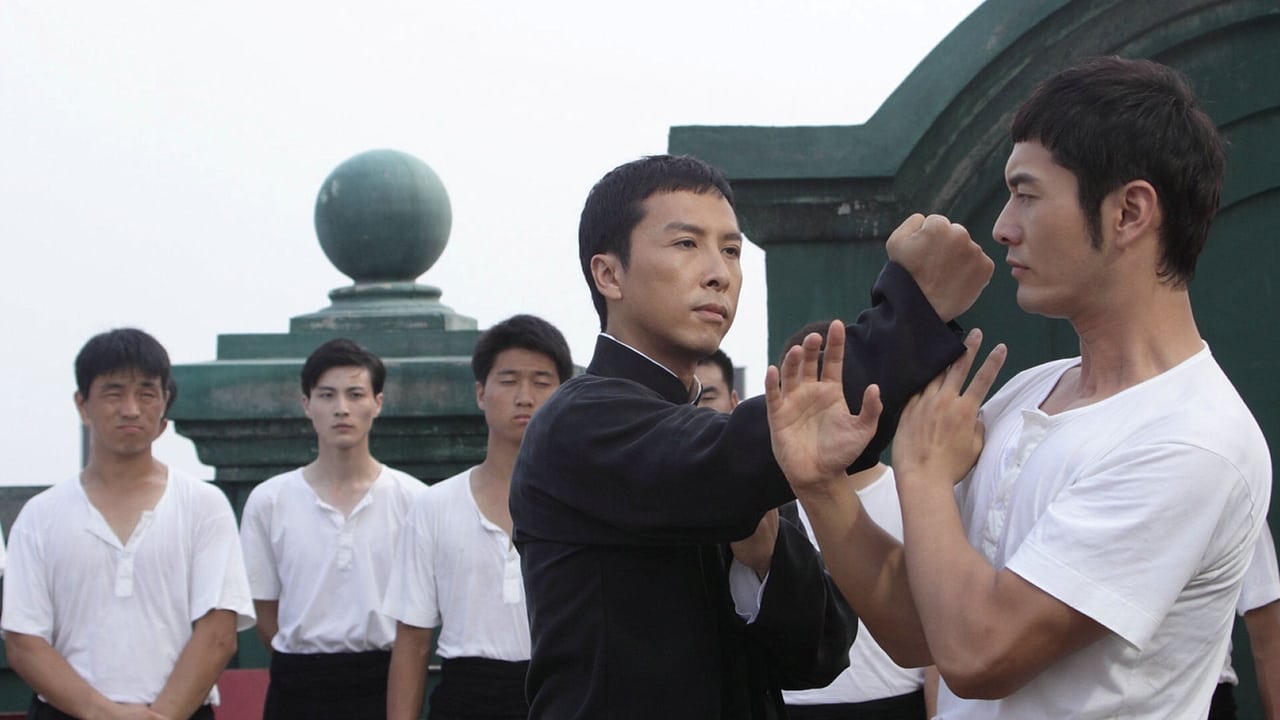
While the original film gave us the iconic "I want to fight ten people" sequence, Ip Man 2 raises the stakes by forcing our hero to fight while balancing on a rickety wooden table. It’s a masterclass in spatial geography. Director Wilson Yip understands that action is boring if you don't understand the "rules" of the space. By placing Donnie Yen on a surface that could tip at any moment, every shift in weight becomes a narrative beat.
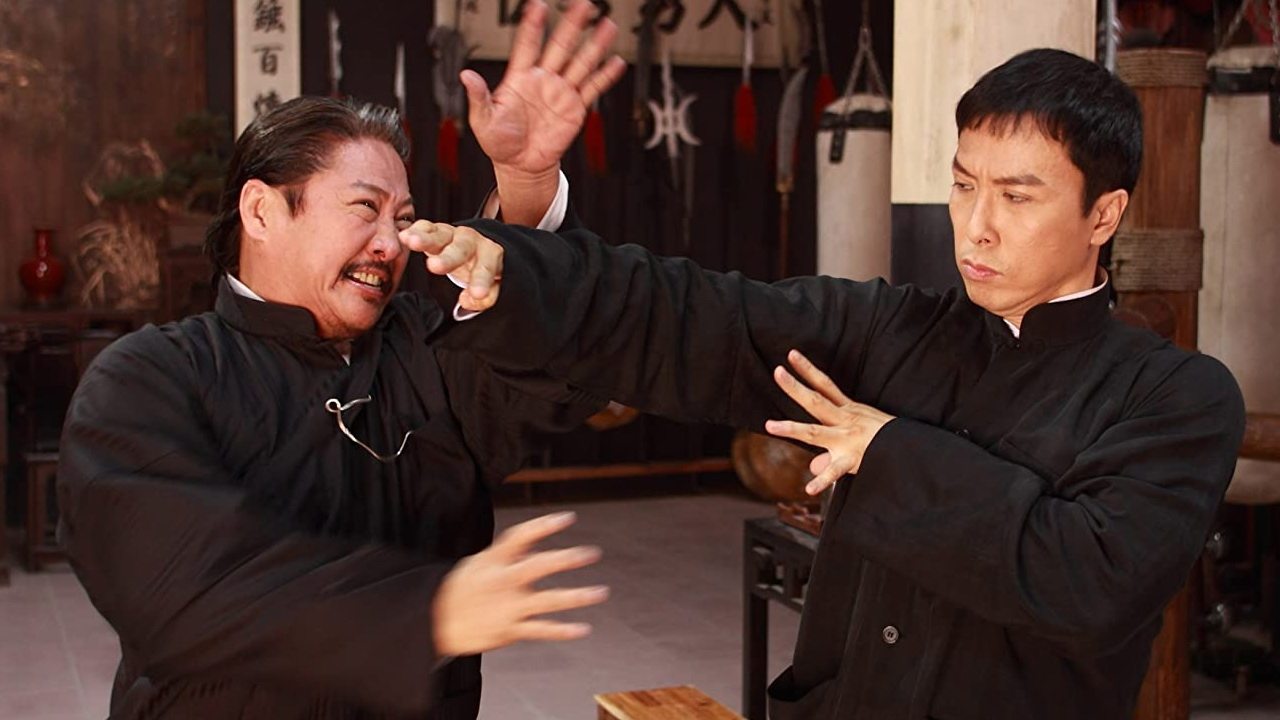
The centerpiece is undoubtedly the duel between Donnie Yen and the legendary Sammo Hung Kam-Bo. Seeing these two titans clash is like watching a high-speed chess match played with limbs. Sammo Hung, who also served as the action director, brings a heavy, grounded contrast to Yen’s fluid Wing Chun. In an era where Hollywood was still obsessed with the "shaky cam" aesthetics of the Bourne films, Ip Man 2 remained a bastion of clarity. You see every parry, every chain punch, and every bead of sweat. It’s a reminder that CGI can’t replace the physics of two masters actually occupying the same air.
A Rocky Road in Hong Kong
Looking back, the plot is essentially Rocky IV by way of Hong Kong. We have the humble master, the rival-turned-ally, and the cartoonishly villainous Westerner who needs to be taught a lesson in humility. The villain here is "Twister," a British boxer played by the late Darren Shahlavi. He’s a snarling, scenery-chewing personification of colonial arrogance. While the nationalism is laid on with a trowel—sometimes feeling a bit like a recruitment video for a 1950s social club—it works because the emotional core remains centered on Ip Man’s desire to simply provide for his family.
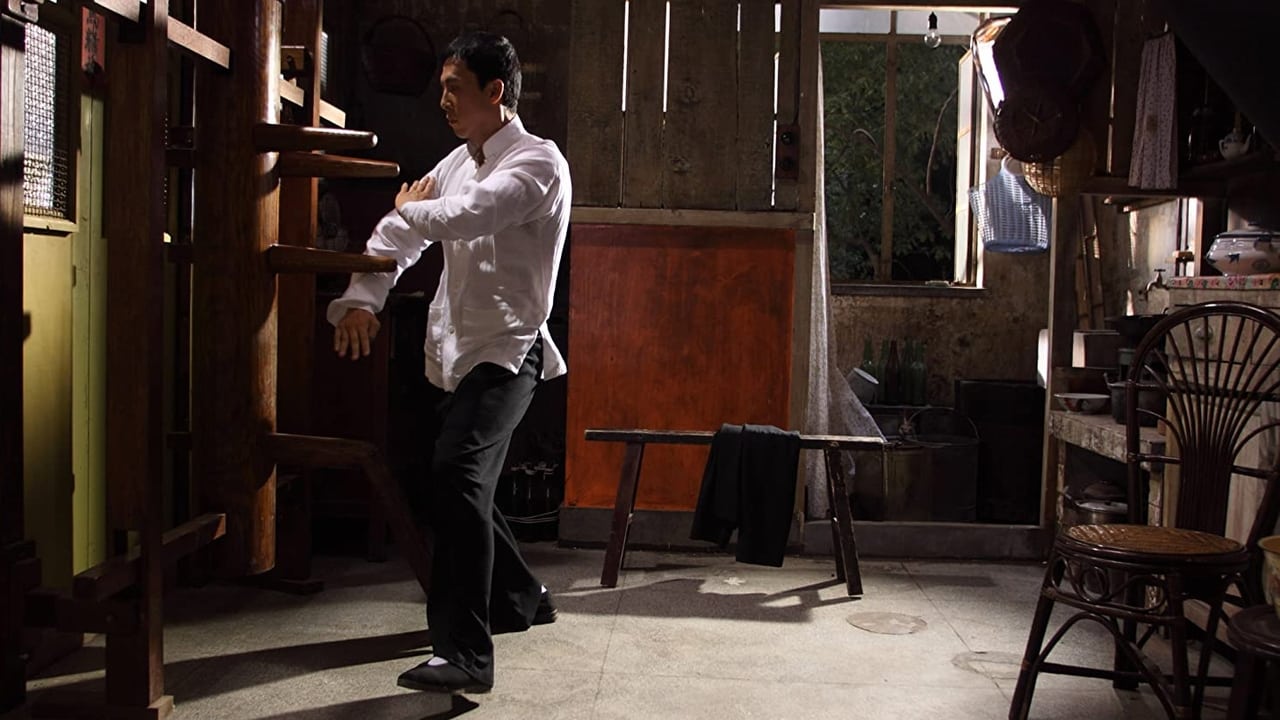
Donnie Yen is the secret sauce here. He plays Ip Man with a serenity that borders on the superhuman. In a genre often defined by screaming and bravado, his quietness is his greatest strength. Whether he’s dealing with a landlord who wants the rent or a gang of unruly students led by Huang Xiaoming, Yen keeps the character grounded. Even when the film veers into melodrama, his performance ensures the "Drama" tag in the genre list isn't just for show.
Stuff You Might Have Missed
Part of why this film has maintained such a rabid cult following is the layer of history hidden beneath the flying kicks. The character of Wong Leung, played by Huang Xiaoming, is actually based on Wong Shun Leung, the man who was arguably the most influential teacher of a young Bruce Lee. Speaking of the "Little Dragon," the film’s final moments offer a cameo that sent theaters into a frenzy in 2010, effectively launching the "Ip Man Cinematic Universe" before Marvel had even finished Iron Man 2.
The production was famously grueling. Sammo Hung actually underwent heart surgery just before filming his big climactic fight with Twister. If you look closely during the boxing match, you can see the sheer exhaustion on his face isn't just acting—it’s the grit of a legend refusing to let a triple bypass stop him from finishing a scene. Furthermore, Darren Shahlavi was such a massive fan of Donnie Yen in real life that he reportedly found it difficult to act "mean" to his idol between takes, despite his character being a total monster on screen.
The DVD Era Peak
Ip Man 2 arrived at the tail end of the DVD boom, and it’s a film that feels tailor-made for that "Special Features" culture. I remember obsessively watching the behind-the-scenes footage of the table fight, marveling at the wires that were digitally scrubbed out. This was the era where digital effects were finally becoming invisible enough to support practical stunts rather than distracting from them. The digital color grading gives Hong Kong a warm, amber glow that feels like a memory of a time that never quite existed, but one we’re happy to visit for 108 minutes.
It is rare for a sequel to keep the soul of the original while successfully pivoting into a crowd-pleasing spectacle. While it lacks the raw, historical weight of the first entry, it compensates with some of the most creative fight choreography of the 21st century. It’s a film that celebrates the teacher, the immigrant, and the sheer audacity of standing your ground when the world tells you to move. If you haven't seen it, grab some tea, ignore the power-washing neighbors, and watch a master at work.
Keep Exploring...
-
Ip Man
2008
-
Ip Man 3
2015
-
Ip Man 4: The Finale
2019
-
Kingdom of Heaven
2005
-
Munich
2005
-
The Patriot
2000
-
Apocalypto
2006
-
United 93
2006
-
Defiance
2008
-
Red Cliff
2008
-
The Grandmaster
2013
-

Hero
2002
-
Coach Carter
2005
-
Letters from Iwo Jima
2006
-

Marie Antoinette
2006
-

Milk
2008
-

Never Back Down
2008
-

The Other Boleyn Girl
2008
-
Colombiana
2011
-
Anna Karenina
2012