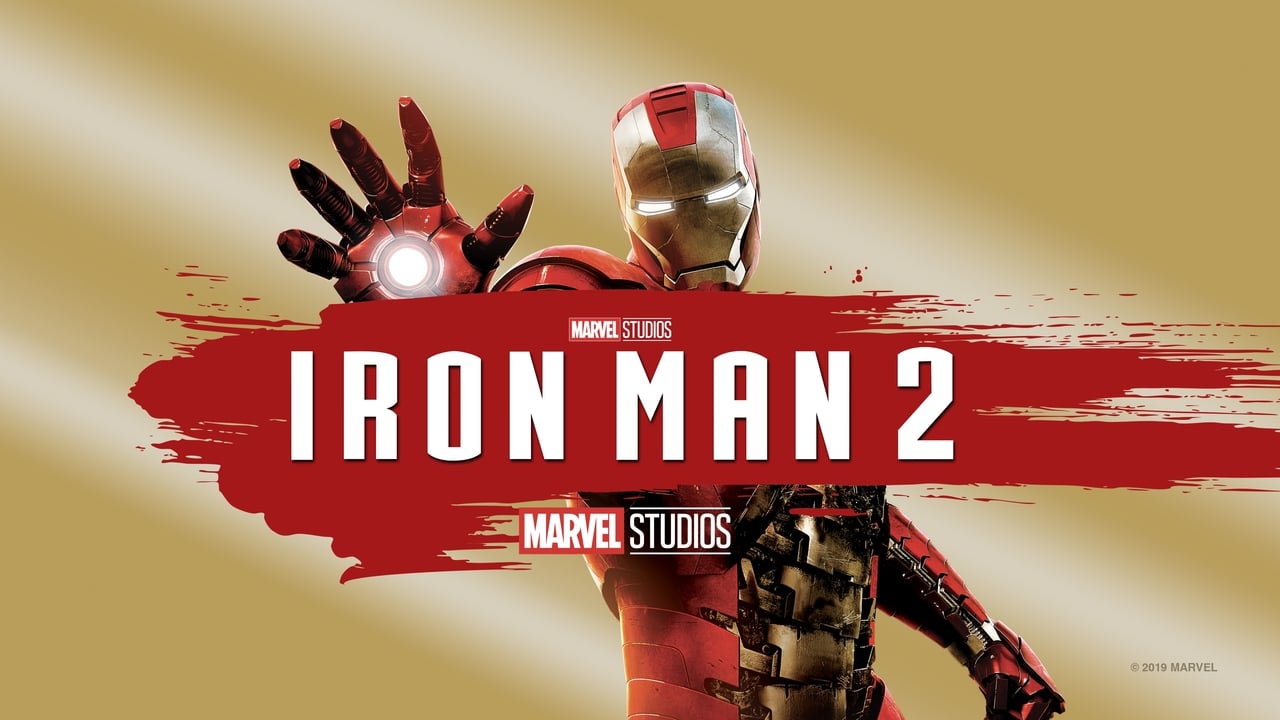
Iron Man 2
"A glittering, cluttered celebration of ego that prioritizes the universe over the man."
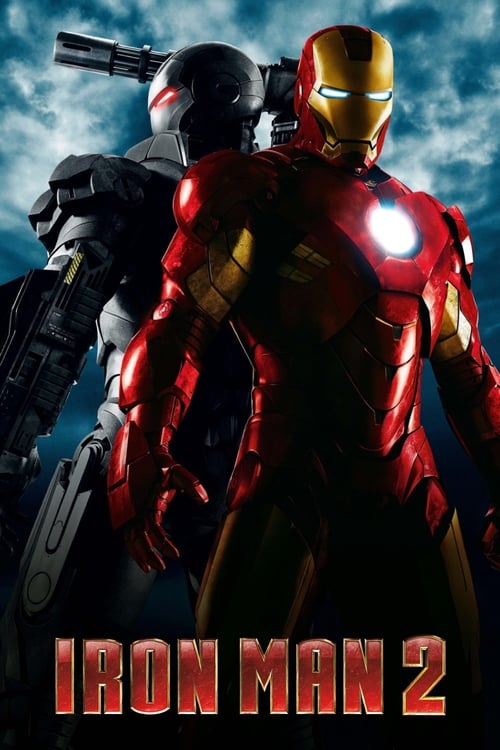
The 2010 Stark Expo opening is the exact moment the Marvel Cinematic Universe decided it was going to be the loudest kid in the room. I remember watching Robert Downey Jr. leap out of a cargo plane, flares screaming behind him as he lands perfectly in a suit of armor to the tune of AC/DC’s "Shoot to Thrill." It was high-octane, high-budget, and peak Tony Stark. I watched this in a theater where the guy behind me was aggressively unwrapping a fruit roll-up for ten minutes straight, but even that crinkling couldn't distract from the sheer, polished confidence of the spectacle.
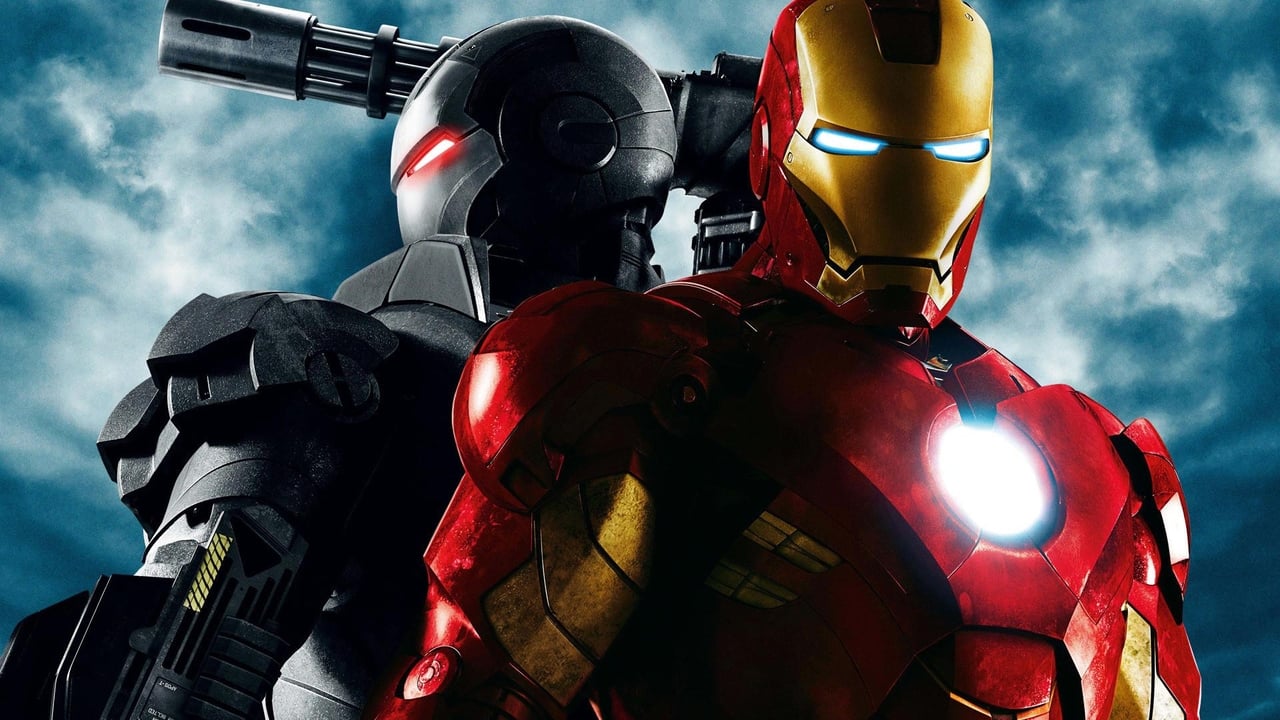
Coming off the surprise success of 2008’s Iron Man, the sequel had the unenviable task of proving that the first film wasn't a fluke while simultaneously building a bridge to a franchise that didn't yet exist. Looking back, Iron Man 2 is a fascinating relic of that "bridge-building" era. It’s a movie that feels like it’s constantly fighting with itself: one half wants to be a character study of a dying man’s ego, and the other half is a frantic commercial for The Avengers.
The Villain Problem (and the Rockwell Solution)
One of the biggest shifts in this era of cinema was the transition from the standalone hero to the "shared universe" mentality. Unfortunately, that meant the villains in this sequel often felt like afterthoughts. Mickey Rourke plays Ivan Vanko, a physicist with a grudge and a very loud bird. Mickey Rourke’s accent sounds like he’s trying to swallow a mouthful of wet gravel, and while he brings a certain grimy physicality to the role, he spends most of the movie staring at computer screens in a dark room.
The real MVP is Sam Rockwell as Justin Hammer. In a world of digital effects and world-ending stakes, Rockwell brings a desperate, hilarious "second-place" energy that I found infinitely more engaging than the giant robot fights. He’s the anti-Stark—clumsy, thirsty for approval, and wearing suits that don't quite fit. His dance onto the stage at the Stark Expo is the kind of character-driven improvisation that made these early Marvel movies feel human before they became too serialized.
Action, Armor, and the CGI Curve
By 2010, the "CGI Revolution" was in full swing, but director Jon Favreau still had a foot in the world of practical texture. The Monaco race track sequence is the film’s highlight for me. There’s a weight to the way Vanko’s whips slice through the Formula 1 cars. When the "Suitcase Armor" unfolds—the Mark V, for those keeping score—it looks tactile and intricate. It’s a masterpiece of digital effects that still holds up because it mimics the mechanical reality of a Swiss watch rather than just being a glowing blur.
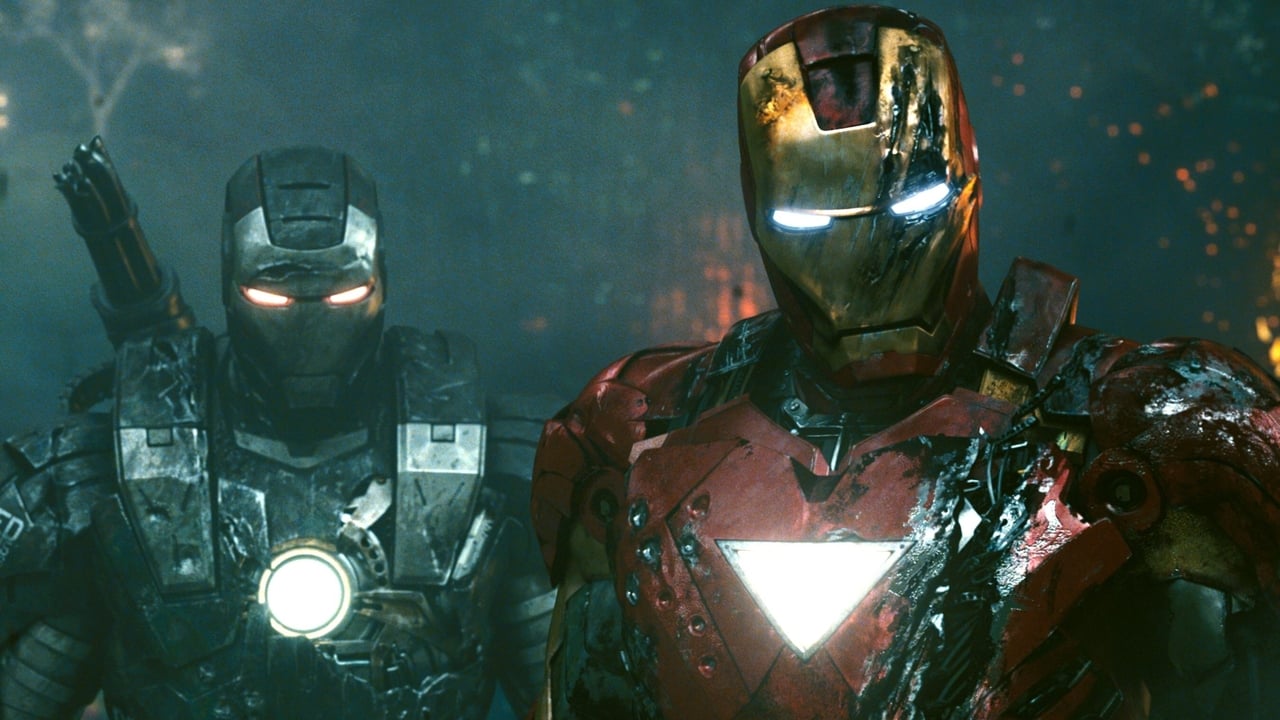
However, the climax in the Japanese garden suffers from the era's growing pains. It’s a lot of grey drones shooting at a red robot and a silver robot (now piloted by Don Cheadle, who replaces Terrence Howard with a seamless "Look, it's me, I'm here, deal with it" shrug). The action is clear enough, but it lacks the personal stakes of the first film’s desert escape. It’s spectacle for the sake of the budget, and while it’s fun, I found my mind wandering to whether I should get a burger after the credits.
The Weight of the Franchise
This is where the post-9/11 anxiety starts to peek through the glitter. The government wants Tony’s tech; they want "the sword," as Senator Stern puts it. There’s a cynical undercurrent about drone warfare and the privatization of security that felt very "2010." But the film is too busy introducing Scarlett Johansson as Natalie Rushman (Natasha Romanoff) to really dig into those ideas.
Johansson is great, but her introduction feels like a mandated checklist item. It’s basically a two-hour trailer for a movie that wouldn’t come out for another two years. Between the S.H.I.E.L.D. subplots involving Nick Fury and the hunt for a new element, the actual "man inside the armor" gets a bit lost. Gwyneth Paltrow and Robert Downey Jr. still have that lightning-fast screwball comedy chemistry, but they’re often shouting over the sound of the plot gears grinding.
Stuff You Didn't Notice
The Global Impact: Iron Man 2 was a massive commercial beast, raking in $623 million worldwide. It proved the first film wasn't a one-hit wonder and solidified the "Marvel Formula." The Rourke Method: Mickey Rourke took the role so seriously he actually visited a Russian prison to research the character's tattoos and demeanor, though he later expressed frustration that much of his performance was cut. A Family Affair: The screenplay was written by Justin Theroux, whom Robert Downey Jr. recommended after they worked together on Tropic Thunder. The Budget: With a $200 million price tag, the scale of production was a huge jump from the original, visible in everything from the massive Stark Expo sets to the increased number of digital effects shots (over 500 in the finale alone).
Ultimately, Iron Man 2 is the messy middle child of the trilogy. It’s loud, it’s overstuffed, and it’s occasionally more interested in its toys than its people. But even with its flaws, the sheer charisma of the cast and the "anything is possible" energy of early-2010s blockbuster filmmaking makes it a fun ride. It’s a snapshot of a time when we were just beginning to realize how big this cinematic world was going to get.

Keep Exploring...
-
Iron Man
2008
-
Iron Man 3
2013
-
Avengers: Age of Ultron
2015
-

Star Wars: Episode III - Revenge of the Sith
2005
-
Zathura: A Space Adventure
2005
-
Spider-Man 3
2007
-
Transformers
2007
-
2012
2009
-
Avatar
2009
-
Transformers: Revenge of the Fallen
2009
-
Resident Evil: Afterlife
2010
-

Transformers: Dark of the Moon
2011
-
Journey 2: The Mysterious Island
2012
-
The Amazing Spider-Man
2012
-
The Hunger Games
2012
-
The Wolverine
2013
-
Captain America: The Winter Soldier
2014
-

Divergent
2014
-
Teenage Mutant Ninja Turtles
2014
-
The Amazing Spider-Man 2
2014