Legend of the Guardians: The Owls of Ga'Hoole
"Sharpen your talons and watch the sky."

In the year 2010, the CGI arms race was at a fever pitch. We were only a few months removed from Avatar changing the way we looked at digital environments, and every studio in Hollywood was scrambling to find the next "visual marvel." Into this landscape flew Zack Snyder—a director then best known for the stylized carnage of 300 and the gritty deconstruction of Watchmen—with a movie about talking owls. On paper, it sounded like a bizarre career detour. In execution, Legend of the Guardians: The Owls of Ga'Hoole remains one of the most visually breathtaking anomalies of the modern era.
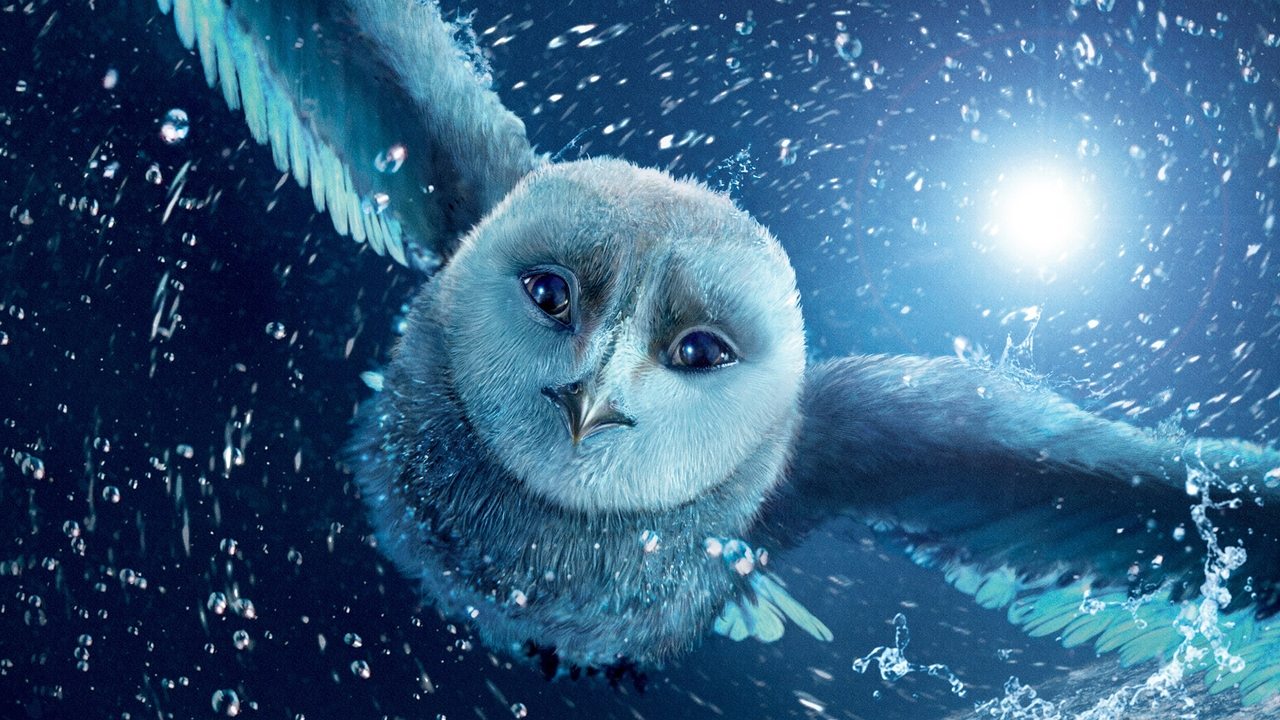
I watched this film recently while sitting on a beanbag chair that was slowly leaking its foam innards onto my carpet, and even that minor domestic tragedy couldn't pull my eyes away from the screen. This isn't just a "kids' movie"; it’s an epic fantasy that happens to feature beaks instead of broadswords.
The Most Beautiful Feathers in Cinema
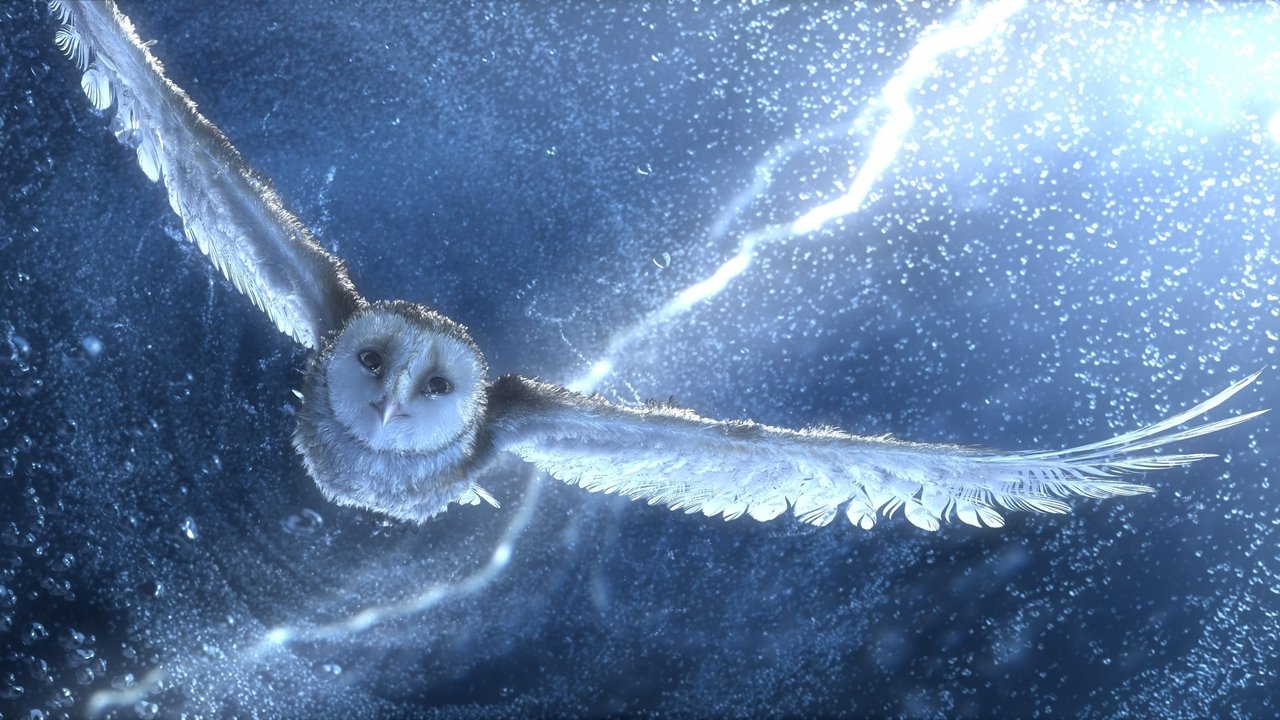
If you want to understand why this film has maintained a cult following among animation nerds, you have to look at the feathers. Animal Logic, the Australian visual effects house behind the movie, achieved something in 2010 that still puts modern blockbusters to shame. Every individual barbule on every feather reacts to the wind, the rain, and the fire. When the protagonist, Soren (voiced by Jim Sturgess), takes his first real flight through a storm, the water beads off his plumage with a realism that feels almost tactile.
Snyder brought his signature "speed-ramping" style to the table—that rhythmic shift from slow-motion to high-speed action—and applied it to aerial dogfights. It works surprisingly well. Instead of a chaotic blur of wings, we get these frozen moments of terrifying beauty where talons meet armor. It’s a testament to the era’s technical ambition; they weren’t just trying to make "cartoons," they were trying to simulate a physical world that just happened to be populated by Strigiformes.
Lord of the Wings
The story follows Soren and his brother Kludd (Ryan Kwanten) after they are kidnapped from their peaceful home by "The Pure Ones." This is where the film gets unexpectedly heavy. The plot is essentially Schindler’s List with owls, featuring a villainous hierarchy led by Nyra (Helen Mirren) and Metal Beak (Joel Edgerton) who believe that Tyto owls are a master race destined to enslave the "lower" species.
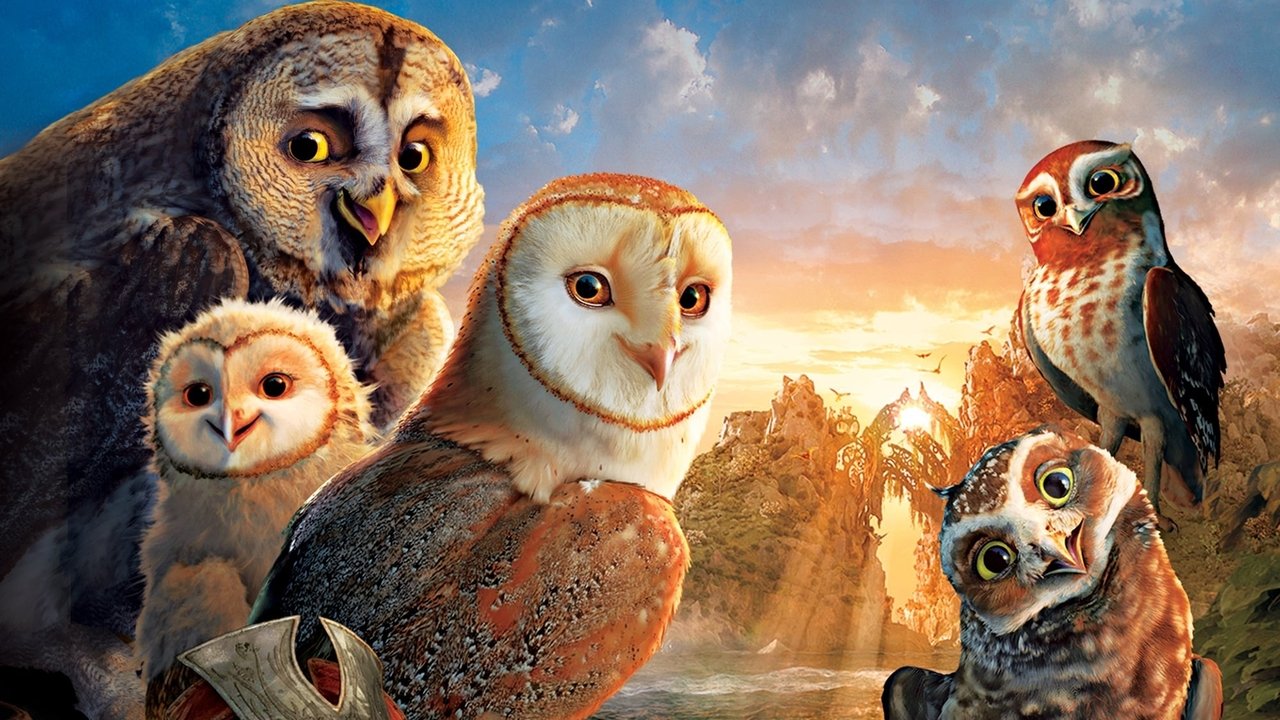
Soren escapes and begins an odyssey to find the legendary Guardians of Ga'Hoole, a group of warrior-philosophers who live in a giant tree in the middle of the ocean. The journey hits all the classic adventure beats: the ragtag group of friends (shout out to Emily Barclay as the feisty Gylfie), the wizened mentor with a secret past (Geoffrey Rush as Ezylryb), and the looming threat of total war. It’s a dense mythology to pack into 97 minutes—maybe too dense—but it creates a sense of scale that feels genuinely epic.
The Secret Life of Owls
Looking back, the production of this film was a fascinating collision of talent and technology. Here are a few details that make the Ga'Hoole obsession even more interesting:
The Voice of Australia: Almost the entire cast is Australian or British, making it feel like a "Who's Who" of the Southern Hemisphere’s acting elite. You’ve got Hugo Weaving playing two different roles, and even Abbie Cornish and David Wenham show up. Snyder’s Only PG: To this day, this remains the only film in Zack Snyder’s filmography that isn't rated PG-13 or R. Yet, he didn't really tone down his intensity; he just swapped blood for glowing embers and shattered metal. The "Owl City" Connection: The film’s end credits featured "To the Sky" by Owl City (Adam Young), which was the peak 2010 musical vibe. It’s a time capsule of that specific era of synth-pop optimism. Anatomical Accuracy: The animators spent months at an owl sanctuary, studying how the birds rotate their heads and how their eyes don't move in their sockets. That slightly "uncanny" way an owl stares at you? They captured it perfectly. * The Books: The film compresses the first three books of Kathryn Lasky’s 15-volume series. Fans of the books often point out that the movie is way faster and "action-heavy" than the source material, but that’s the Snyder trade-off.
A Cult Treasure Worth Revisiting

Is the script perfect? No. The pacing is breakneck, and the dialogue can lean into high-fantasy tropes that feel a bit recycled. But the sheer earnestness of the project wins me over every time. In an era where most "family" films were leaning into snarky, meta-humor (the Shrek influence was still heavy in 2010), Legend of the Guardians dared to be a straight-faced, Wagnerian epic about the struggle between light and dark.
It’s a film that asks you to take the plight of a Barn Owl seriously, and thanks to the incredible score by David Hirschfelder and the world-building prowess of the crew, you actually do. It’s a visual feast that reminds us of the brief window when CGI felt less like a commodity and more like a magic trick.
Legend of the Guardians is a stunning example of what happens when a director with a very specific, intense visual language is given a massive budget and a bunch of birds. It’s a bit too dark for very small kids and maybe a bit too earnest for cynical adults, but for anyone who loves a grand adventure and top-tier animation, it’s a journey worth taking. It captures that 2010 "CGI can do anything" spirit and wraps it in a story of heroism that still lands.
Keep Exploring...
-
Arthur and the Invisibles
2006
-
Brave
2012
-
Rise of the Guardians
2012
-
Epic
2013
-
The Book of Life
2014
-
Anastasia
1997
-
Hercules
1997
-

The Emperor's New Groove
2000
-
The Road to El Dorado
2000
-
Treasure Planet
2002
-

Sinbad: Legend of the Seven Seas
2003
-

The Polar Express
2004
-
Porco Rosso
1992
-

The Cat Returns
2002
-

Flushed Away
2006
-
Shrek the Halls
2007
-
Shrek the Third
2007
-
Horton Hears a Who!
2008
-
Inkheart
2008
-
Shrek Forever After
2010