Let Me In
"Innocence has a body count."
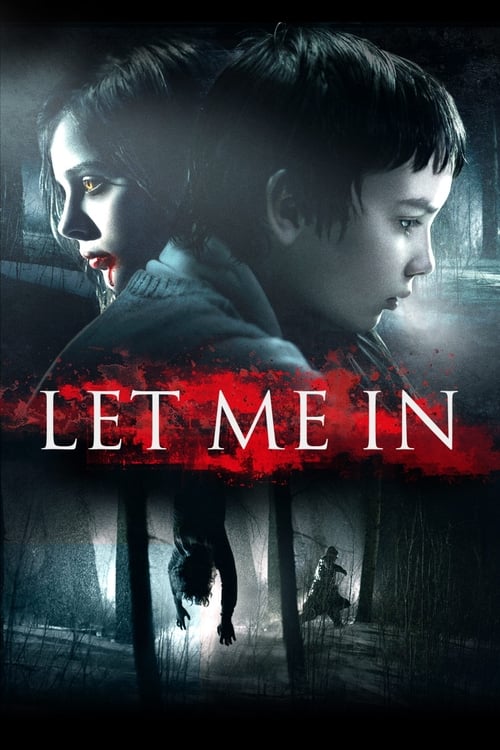
In the late 2000s, the "Hollywood Remake Machine" was at its most cynical. It felt like every foreign masterpiece was being fed into a woodchipper and spat out as a glossy, soul-less American version. So, when it was announced that the 2008 Swedish vampire classic Let the Right One In was getting the US treatment just two years later, the collective groan from film nerds could be heard from space. I was one of them. I watched this movie for the first time on a laptop in a dorm room while my roommate was loudly practicing his "unplugged" version of a Nickelback song, and despite the auditory torture next to me, I was absolutely floored.
A Different Kind of Cold
Matt Reeves, fresh off the shaky-cam chaos of Cloverfield, took a huge risk here. He didn’t just translate the script; he translated the feeling. Set in a snowy, desolate New Mexico during the Reagan era, the film captures a very specific 1980s anxiety—the kind where the world feels small, cold, and indifferent.
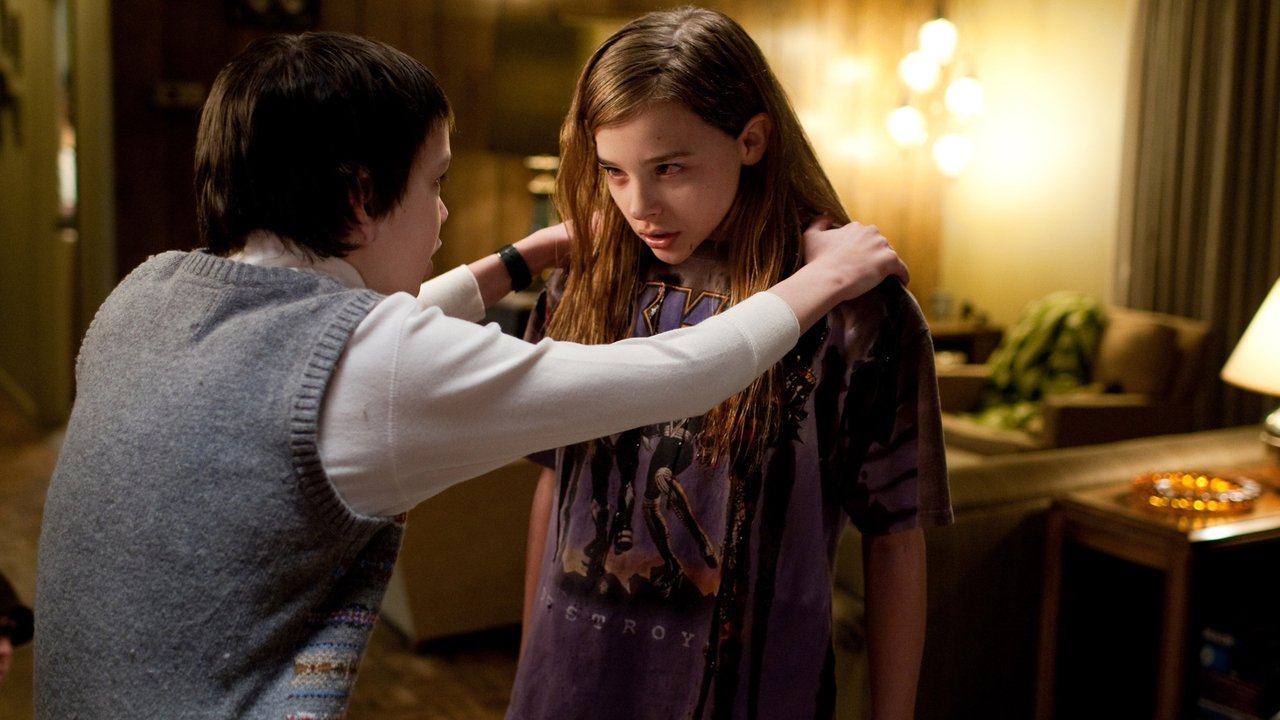
Our protagonist, Owen, played by a spindly and soulful Kodi Smit-McPhee (who later broke hearts in The Road), is a kid who is essentially being erased by his life. His parents are divorcing, and he’s being tormented by a group of bullies with a level of malice that feels genuinely dangerous. When he meets Abby (Chloë Grace Moretz, fresh off her breakout in Kick-Ass), there’s an instant, fragile connection. She’s "twelve, more or less," she doesn’t wear shoes in the snow, and she has a secret that requires a lot of fresh hemoglobin.
What makes this work isn't just the horror; it’s the profound loneliness. The horror elements are almost secondary to the tragedy of two outcasts finding each other. The most terrifying thing in this movie isn't a vampire; it's the sheer, unchecked cruelty of middle-school boys. Watching Owen deal with his tormentors is often more stomach-churning than watching Abby tear a throat out.
The Craft of the Kill
Technically, Let Me In is a marvel of its era. We were right at that point in 2010 where digital effects were starting to look seamless, but Matt Reeves knew when to hold back. There is a car crash sequence involving Richard Jenkins (the legendary character actor from The Shape of Water) that is filmed entirely from the back seat in a single, grueling take. It is a masterclass in tension, showing the desperate lengths a "guardian" will go to for the creature he loves.
The score by Michael Giacchino (who also did the incredible work for Up and Lost) is also doing a lot of heavy lifting. It’s mournful and operatic without being intrusive. It makes the snowy landscapes feel even wider and more isolating. While the film uses some of that "speed-ramped" CGI for the vampire attacks—a very 2010s trend that hasn't aged perfectly—the practical atmosphere is so thick you could cut it with a knife.
Stuff You Didn't Notice
One of the most fascinating things about this production is the subtle visual storytelling. Turns out, Matt Reeves wrote a personal letter to John Ajvide Lindqvist (the author of the original book) promising to keep the "darkness" intact. He succeeded.
Here are a few things that make the film’s cult status feel earned:
The "Father" Figure: While Richard Jenkins is credited as "The Father," the film heavily implies through old photographs that he was once a boy exactly like Owen. He isn't her dad; he’s just the previous version of the boy she’s currently grooming. Moretz’s Performance: She was actually 12 during filming, the same age as her character, which adds a layer of authenticity to her "forever-child" status. The Sound Design: The sound of Abby’s stomach growling isn't a human sound; it’s a mix of animal noises and dry ice, meant to remind us she’s a predator first and a friend second. A Failed Hit: Despite glowing reviews, the movie didn't light up the box office. It found its life on DVD and Blu-ray, where fans obsessed over its "Director’s Cut" feel and moody cinematography by Greig Fraser. The Spielberg Connection: Reeves has mentioned that he looked at E.T.* as a major inspiration—not for the aliens, but for the "child’s eye view" of an adult world that feels distant and confusing.
Looking Back
Re-watching this today, I’m struck by how much it predates the "elevated horror" trend of the 2020s. It’s a movie that isn't afraid to be slow. It’s a movie that cares more about a boy’s bruised ribs than a monster’s fangs. It also captures that weird, transitionary period of 2010 cinema where we were moving away from the "torture porn" of the 2000s and back toward character-driven dread.
If you’ve avoided it because you love the Swedish original, I get it. I really do. But give it a chance. It’s not a replacement; it’s a companion piece. It’s a dark, snowy lullaby that reminds us that sometimes, the only way to survive a cold world is to find someone just as cold as you are.
This is a rare beast: a remake that honors its source while carving out its own distinct, blood-stained identity. It’s haunting, beautifully acted, and features a car crash sequence that still makes me check my rearview mirror. Just don’t forget to invite it in; it’s a lot more dangerous if you don’t.

Keep Exploring...
-
The Skeleton Key
2005
-
The Skin I Live In
2011
-
Twin Peaks: Fire Walk with Me
1992
-
The Devil's Advocate
1997
-
Inland Empire
2006
-

The Cabin in the Woods
2012
-

Red Riding Hood
2011
-
House of Wax
2005
-
Lucky Number Slevin
2006
-
The Lake House
2006
-
Gone Baby Gone
2007
-
Pandorum
2009
-
Devil
2010
-
The Crazies
2010
-
Scream 4
2011
-
The Rite
2011
-
The Thing
2011
-
Carrie
2013
-
Stoker
2013
-
A Walk Among the Tombstones
2014