Letters to Juliet
"Finding the love you left behind."
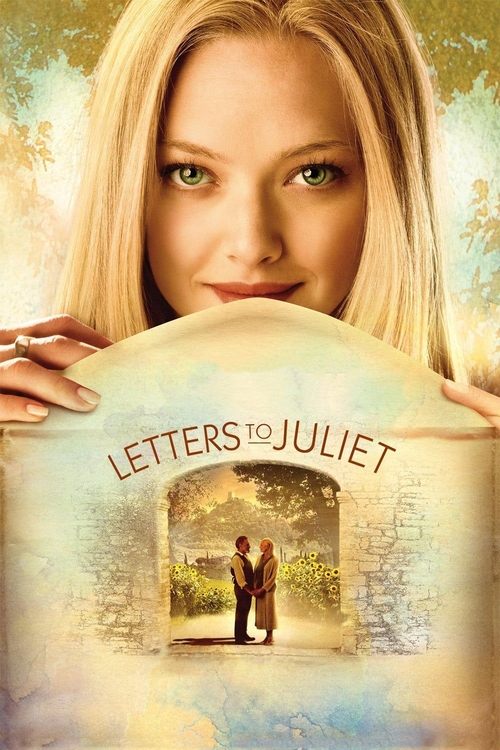
There is a specific kind of magic that happens when a movie feels like a warm vacation you didn’t have to pay for. I first watched Letters to Juliet on a sluggish Sunday afternoon while nursing a slightly stale almond croissant, and honestly, the pastry and the film shared a similar vibe: sweet, flaky, and undeniably comforting. It’s the quintessential "mid-budget" romance that the late 2000s and early 2010s did so well before the mid-budget theatrical release became an endangered species.
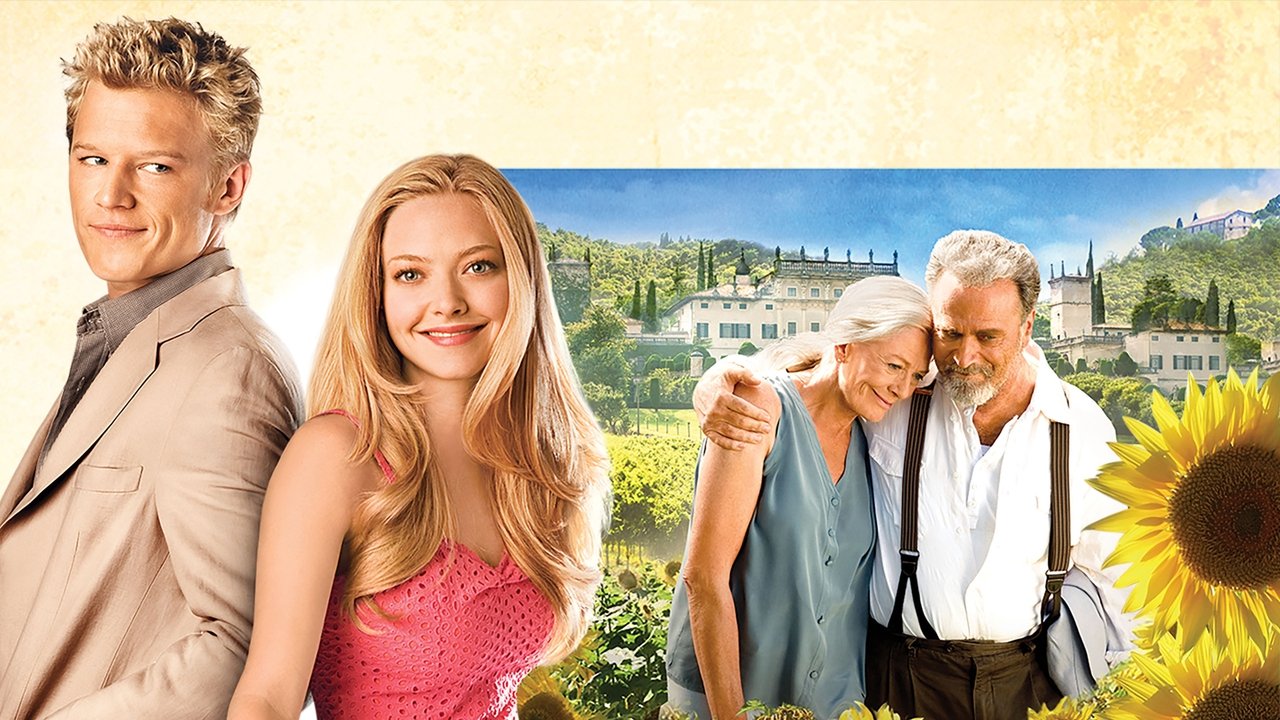
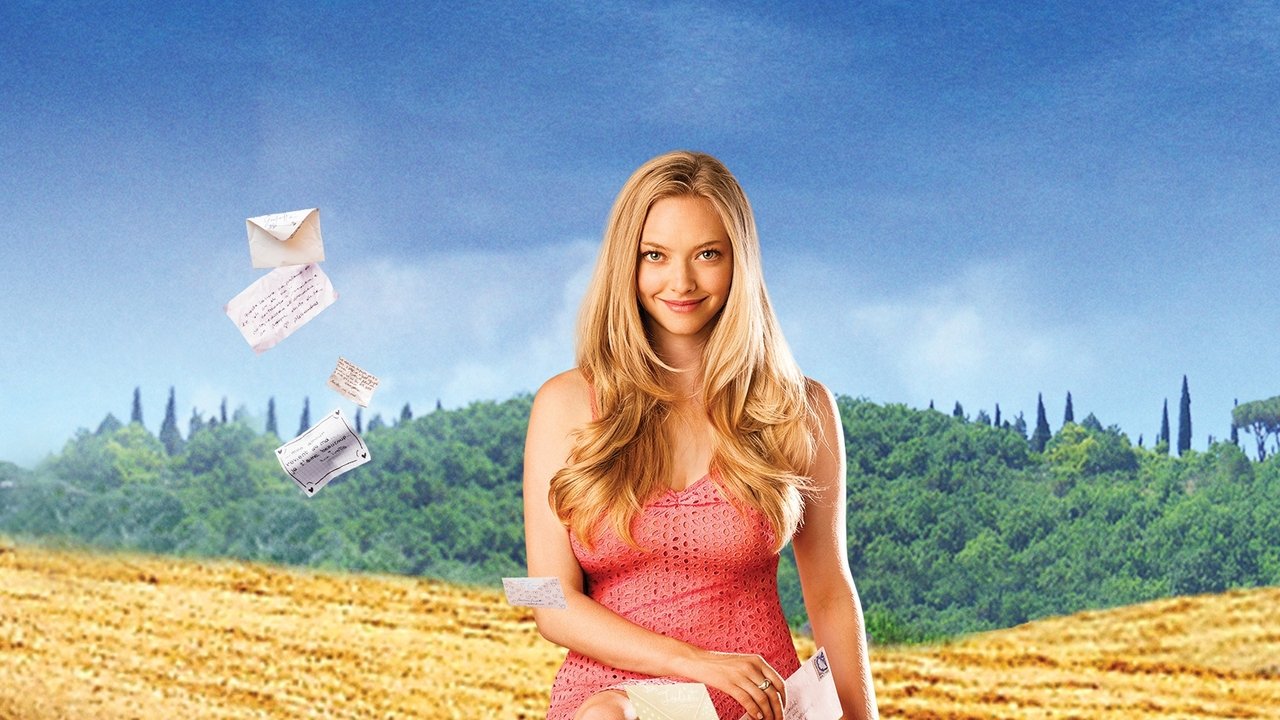
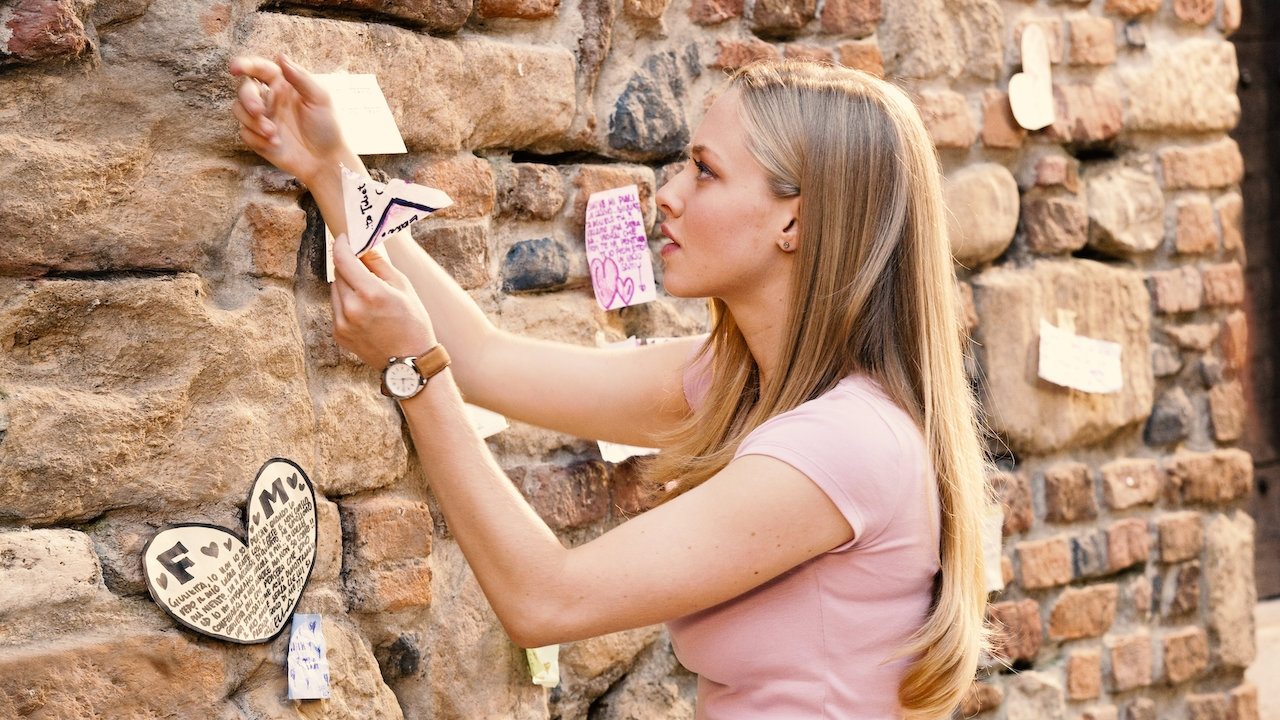
The film centers on the famous "Juliet Wall" in Verona, where the heartbroken leave notes to Shakespeare’s tragic heroine. It turns out the "Secretaries of Juliet" are a real group of volunteers who actually answer these letters—a bit of trivia that makes the premise feel grounded in a lovely, if improbable, reality. When Sophie, played by a luminous Amanda Seyfried, finds a letter from 1957 hidden behind a loose stone, she decides to answer it. This sets off a road trip through the sun-drenched vineyards of Tuscany that is so beautiful it makes you want to immediately check your bank balance for flight funds.
The Redgrave Resonance
While Amanda Seyfried (who was firmly establishing her rom-com royalty status here alongside Dear John) is the engine of the plot, the soul of the movie belongs to Vanessa Redgrave. She plays Claire, the woman who wrote that fifty-year-old letter, and her performance is a masterclass in dignity and longing. There is a specific look in her eyes when she talks about the Lorenzo she left behind—it’s not just "acting"; it’s a deep, resonant humanity that elevates the entire film.
The production had a stroke of casting genius by bringing in Franco Nero to play the "true" Lorenzo. For those who aren't deep-sea diving in cinema history, Redgrave and Nero were a real-life couple who met on the set of Camelot in 1967, separated for decades, and eventually reunited and married in 2006. When they look at each other on screen in Letters to Juliet, you aren't just watching a scripted reunion; you’re seeing the echoes of a forty-year history. It’s the kind of meta-narrative that makes a cinephile’s heart skip a beat.
A Very 2010 Love Triangle

Looking back at 2010, the "Modern Romance" was in a weird transition phase. We were moving away from the high-concept 90s plots and into something more travelogue-focused. However, some tropes remained stubbornly stuck. For instance, Gael García Bernal is cast as Sophie’s fiancé, Victor, and the movie does him a bit dirty. He’s a chef obsessed with truffles and wine auctions to the point of ignoring his partner. Gael García Bernal's character is basically a food-obsessed cartoon, and I kind of respect the hustle of a man who chooses a cave-aged Provolone over a romantic walk in Verona.
Then there’s the "real" love interest, Charlie, played by Christopher Egan. Looking at this through a retrospective lens, Christopher Egan’s Charlie has the personality of a damp wool sweater for the first forty minutes. He’s prickly, arrogant, and seemingly annoyed by the very concept of hope. In 2010, we called this "foreshadowing chemistry," but in the current era, you kind of just want Sophie to tell him to take a hike. Yet, because it’s a Gary Winick film (the director of the delightful 13 Going on 30), the edges soften just in time for the inevitable balcony scene.
The Cult of the Italian Escape
What makes Letters to Juliet a recurring favorite for a specific subset of fans—the "Comfort Movie" cult—is the sheer aesthetic of it all. This was filmed right as digital cinematography was starting to become the norm, but Marco Pontecorvo’s camera still treats the Italian landscape with the reverence of a classical painter. Whether they are driving a dusty convertible through Siena or sipping wine under a pergola, the film captures a post-Y2K yearning for "the simple life" that feels even more potent today.
Apparently, the production had to deal with massive crowds in the real Verona courtyard, and the "Juliet Wall" we see in the film was actually a faux-stone facade built over the real one to allow for the letter-tucking scenes. It’s a testament to the crew that it feels entirely seamless. There’s a tactile quality to the film—the paper of the letters, the skin of the grapes, the ancient stone—that reminds me of why I miss the DVD era. I remember scouring the special features on the disc just to see the "Making Of" segments about the Tuscan locations.
The film was sadly the final feature for director Gary Winick, who passed away shortly after its release. Knowing that gives the movie's themes of "second chances" and "finding time before it’s gone" a bittersweet layer. It’s not a gritty drama or a revolutionary piece of cinema, but it’s a beautifully shot, sincere piece of storytelling that treats the elderly characters with as much romantic weight as the young leads.
Ultimately, Letters to Juliet succeeds because it doesn't try to be cynical. It’s a movie that believes in the transformative power of a well-placed stamp and a heartfelt sentence. If you can forgive the somewhat clunky transition of Sophie’s feelings from her fiancé to the grumpy British guy, there is a lot of genuine warmth to be found here. It’s a film that asks us to believe that love doesn't have an expiration date, and in a world that feels increasingly fast-paced, that’s a message that still rings true. It remains the perfect companion for a rainy afternoon and a very large glass of Chianti.
Keep Exploring...
-
13 Going on 30
2004
-
Stranger Than Fiction
2006
-
High School Musical 2
2007
-
(500) Days of Summer
2009
-

Adventureland
2009
-
Bride Wars
2009
-
Life As We Know It
2010
-
Seeking a Friend for the End of the World
2012
-
Begin Again
2014
-
Magic in the Moonlight
2014
-
Just Like Heaven
2005
-

Hairspray
2007
-
Crazy, Stupid, Love.
2011
-
What If
2013
-
10 Things I Hate About You
1999
-
Coyote Ugly
2000
-
High Fidelity
2000
-
Punch-Drunk Love
2002
-
Camp Rock
2008
-
The Family Man
2000