Life As We Know It
"Unexpected parenthood: the ultimate high-stakes blind date."
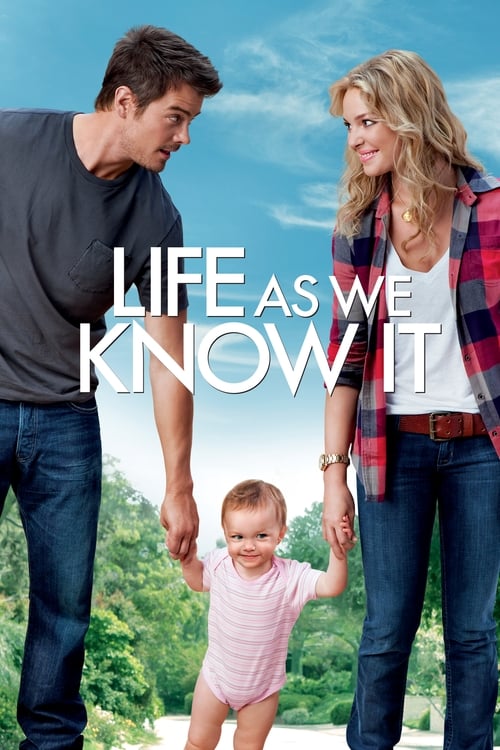
If you were to pitch a movie today about a couple of best friends dying in a horrific car accident and leaving their orphaned infant to two people who absolutely loathe each other, you’d probably be shown the door or told to go write a gritty A24 indie. But in 2010, this was the foundation for a glossy, mid-budget romantic comedy. There is something deeply fascinating about the "Heigl Era" of cinema—that specific window between 2007 and 2012—where Hollywood was obsessed with putting Katherine Heigl in high-concept domestic situations and seeing if she could charm her way out of them.
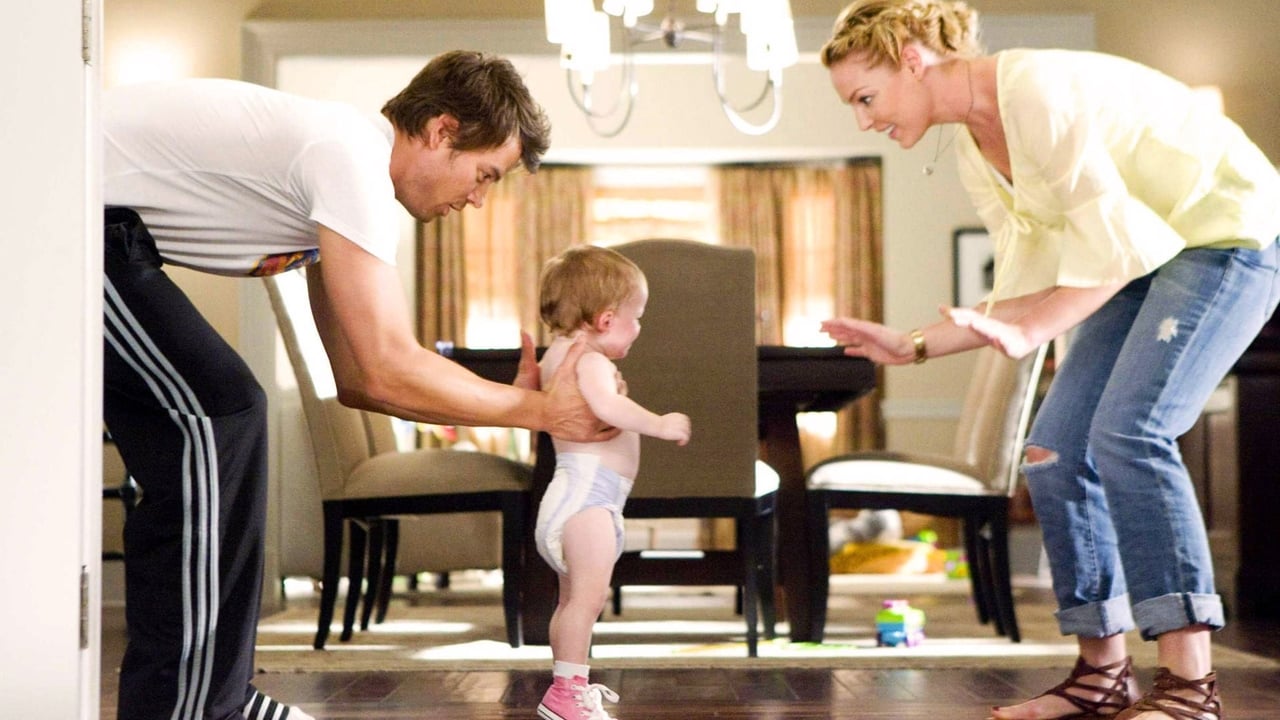
I remember watching Life As We Know It on a particularly grainy laptop screen while waiting for a flight that was delayed by six hours. I was eating a bag of slightly stale pretzels that cost nine dollars, and somehow, the sheer "Redbox energy" of this film made the airport terminal feel a little less like a purgatory. It’s a movie that shouldn’t work. It’s tonally confused, wildly optimistic about the legalities of child custody, and features a montage set to Ray LaMontagne. Yet, looking back, it represents a brand of filmmaking that has almost entirely vanished from the multiplex.
The Art of the Trauma-Bond
The film centers on Holly (Katherine Heigl), a neurotic boutique bakery owner, and Messer (Josh Duhamel), a loose-cannon network sports director. Their mutual best friends die off-screen in the first ten minutes, leaving them as the designated guardians of baby Sophie. It’s an insane premise. It’s essentially "Trauma-Bond: The Movie" masquerading as a date night flick.
What keeps it from spiraling into a depressing slog is the chemistry between the leads. Josh Duhamel has always been one of those actors who feels like he was grown in a lab specifically to play the "charming jerk who discovers he has a heart of gold," and he plays the transition from bachelor to "Diaper King" with a surprising amount of soul. Heigl, meanwhile, does her best work when she’s allowed to be slightly unlikable—frantic, judgmental, and wound tighter than a Swiss watch.
The drama here isn't just about the romance; it’s about the crushing weight of sudden responsibility. While the film definitely indulges in the "oops, the baby pooped on the expensive rug" tropes we’ve seen a thousand times, it also finds these quiet, devastating moments of grief. There’s a scene where they realize they have to move into the dead parents' house to keep the baby’s environment stable, and the way the camera lingers on the empty hallways actually earns its emotional keep.
A Relic of the Mid-Budget Era
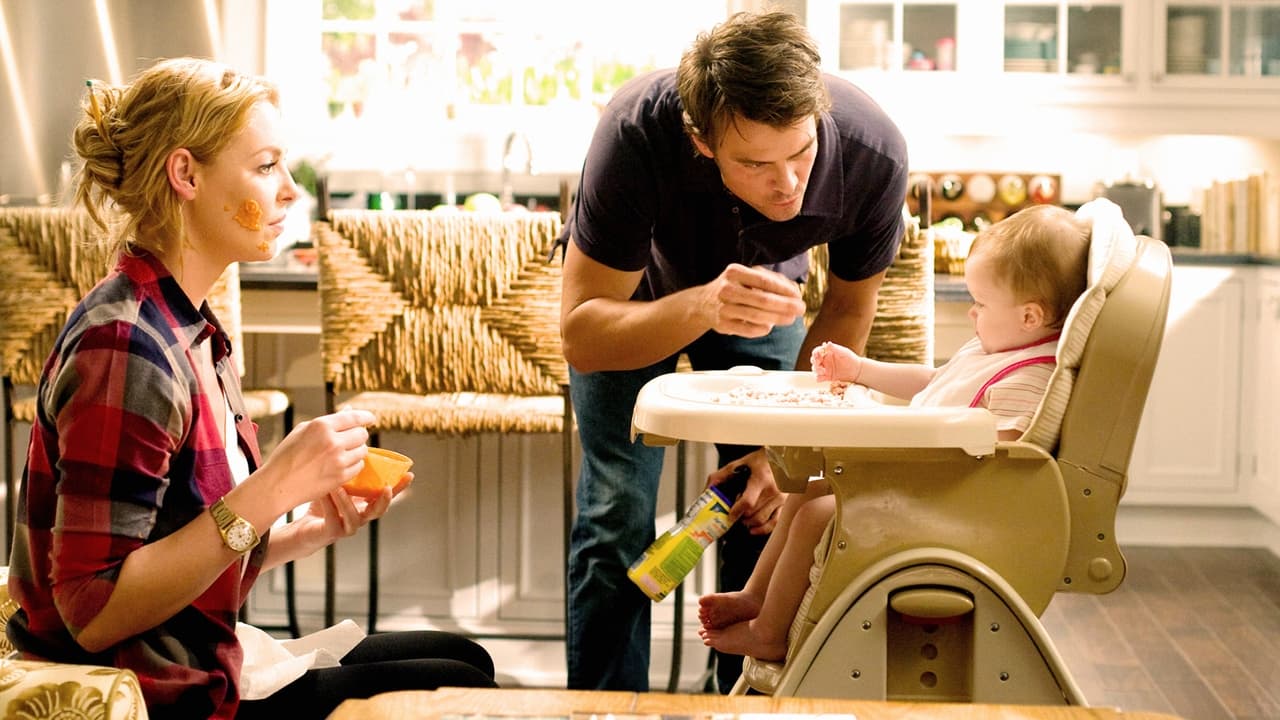
Rewatching this today, it feels like a postcard from a different civilization. This was a time before the "franchise-or-bust" mentality took over. Warner Bros. spent $38 million on a movie where the biggest special effect is a baby throwing up on a designer suit. It’s a "Modern Cinema" artifact that highlights just how much we’ve lost the "in-between" movie—the one that isn't an Oscar contender and isn't a superhero epic, but just a solid, professional piece of storytelling meant to entertain you for two hours on a Sunday afternoon.
The direction by Greg Berlanti—who would later become the architect of the entire DC "Arrowverse" on television—is clean and unobtrusive. He lets the performances breathe. Josh Lucas pops up as the "Perfect Other Man," a character archetype that existed solely to provide a temporary obstacle for the leads, and he plays it with such breezy handsomeness that you almost feel bad for him.
One of the more interesting "cult" aspects of the film is its longevity on cable and streaming. It has become a staple of the "Comfort Movie" genre. Why? Because it taps into a universal millennial anxiety: the fear that your life could be upended at any moment and you’ll have to figure out how to be an adult on the fly. The film’s portrayal of social workers is basically science fiction, but the way it captures the exhaustion of 3:00 AM feedings feels honest.
Stuff You Didn't Notice
If you look closely at baby Sophie, you’re actually looking at a rotating trio of sisters: Alexis, Brynn, and Brooke Clagett. Using triplets is an old-school production trick to bypass child labor laws and ensure that if one baby is cranky, there’s a backup ready to go. It’s why Sophie seems to have about five different personalities throughout the film—one of the triplets was clearly the "stunt baby" for the messy scenes.
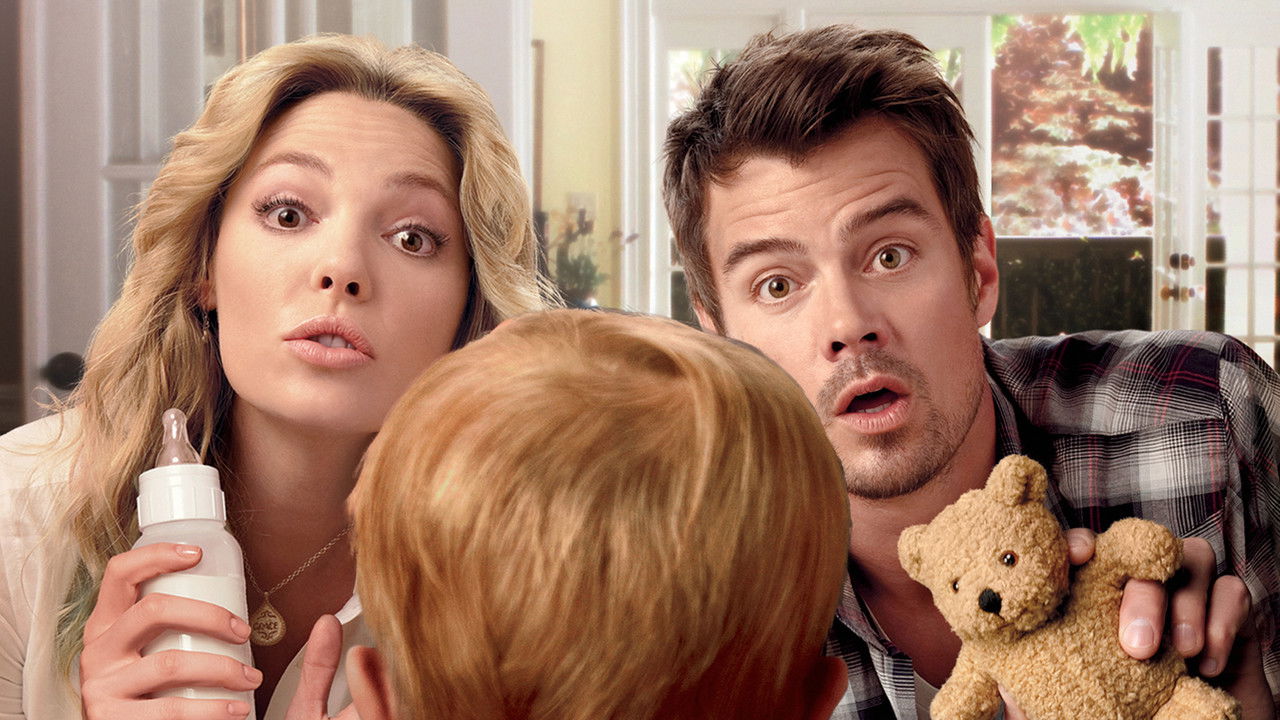
Interestingly, the house where most of the film takes place is a real residence in the Buckhead area of Atlanta. The production design team spent weeks "aging down" the house to make it look like it belonged to a young, trendy couple, only to have to slowly clutter it with baby gear as the plot progressed. It’s a subtle bit of visual storytelling that shows the transition from a curated life to a chaotic one.
While critics at the time were lukewarm—complaining about the formulaic ending—the film has aged into a sort of "cult of the familiar." It’s a movie that knows exactly what it is. It isn't trying to reinvent the wheel; it’s just trying to make sure the wheel doesn’t fall off while you’re driving a crying infant home from the hospital.
Life As We Know It is the cinematic equivalent of a warm blanket and a bowl of cereal. It’s predictable, occasionally sugary, and relies heavily on the charisma of two very attractive people trying to navigate a tragedy. It captures a specific moment in the 2010s when the romantic comedy was trying to evolve into something more "grounded" before the genre mostly migrated to Netflix. It might not be high art, but it’s an incredibly effective reminder that sometimes the family you’re stuck with is exactly the one you need.


Keep Exploring...
-

Stranger Than Fiction
2006
-

High School Musical 2
2007
-

(500) Days of Summer
2009
-

Adventureland
2009
-

Letters to Juliet
2010
-

LOL
2012
-

Seeking a Friend for the End of the World
2012
-

Begin Again
2014
-

Magic in the Moonlight
2014
-
Just Like Heaven
2005
-

Hairspray
2007
-
Crazy, Stupid, Love.
2011
-

What If
2013
-

10 Things I Hate About You
1999
-
Coyote Ugly
2000
-
High Fidelity
2000
-

Camp Rock
2008
-

Enough Said
2013
-

The Family Man
2000
-

Maid in Manhattan
2002