Little Fockers
"Family values meet a very long needle."
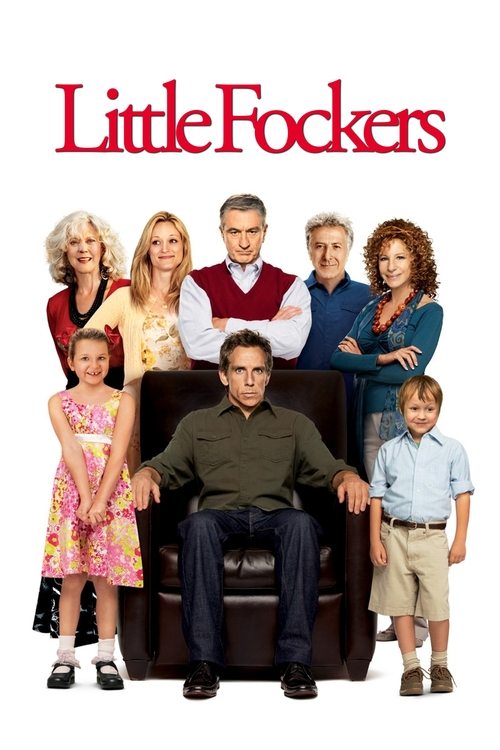
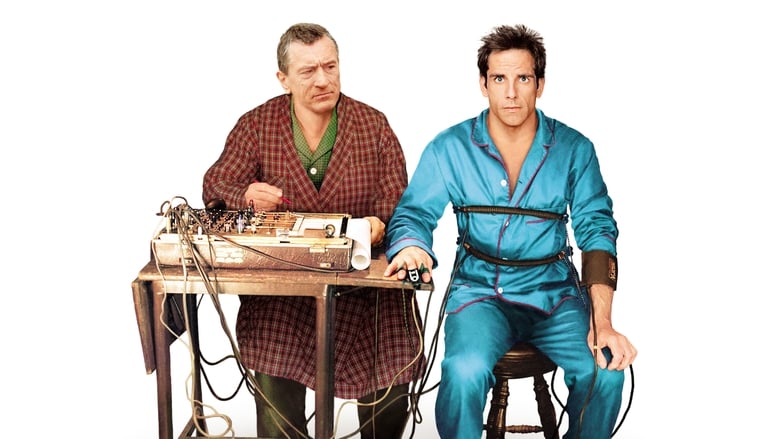
By 2010, the Hollywood comedy landscape was standing at a strange crossroads. We were moving away from the high-concept, star-driven vehicles of the early 2000s and drifting toward the Judd Apatow-inspired "hangout" movies and the eventual takeover of the superhero monoculture. It was in this environment that Little Fockers arrived, a film that felt like a victory lap for a marathon that should have ended two miles earlier. I remember seeing the poster—Robert De Niro looking stern and Ben Stiller looking panicked—and thinking, "Haven't we done this twice already?"

The answer, of course, was yes. But the box office receipts for Meet the Parents and Meet the Fockers were so gargantuan that a third entry wasn't just likely; it was a corporate mandate. Coming into this one, I had low expectations, but I still found myself checking in out of a weird sense of brand loyalty. I actually watched this on a DVD I found in a "Take One/Leave One" box at a laundromat where the dryer smelled faintly of burnt hair, which, in retrospect, was perhaps the most thematic way possible to consume this particular film.
The "Godfocker" Dilemma
The plot picks up ten years after the original, with Greg and Pam Focker now parents to twins. The "hook"—if you can call it that—is that Jack Byrnes (Robert De Niro) is looking for a successor to lead the family clan. He dubs this role the "Godfocker," a title so painfully pun-heavy that you can almost hear the screenwriters John Hamburg and Larry Stuckey high-fiving through the screen.
The conflict is a recycled version of the first two films: Jack suspects Greg is up to no good, Greg tries too hard to impress him, and chaos ensues. This time, the "no good" involves Greg moonlighting for a pharmaceutical company, led by an aggressively energetic Jessica Alba. The chemistry here is... well, it’s not really there. It feels like everyone is playing their "greatest hits" version of their characters. Ben Stiller does the nervous stutter-step we’ve seen a thousand times, and Robert De Niro leans into the "I’m watching you" eye gesture until it’s practically a nervous tic. It's a textbook example of a movie that exists because a spreadsheet said it should.
A Budget That Could Buy a Small Island
One of the most mind-boggling things about Little Fockers—and something that really defines this era of cinema—is the budget. This movie cost $100,000,000. To put that in perspective, that’s more than the budget of the first Iron Man. Where did that money go? It wasn't on CGI dragons or massive set pieces. Most of it went to the cast's astronomical salaries.
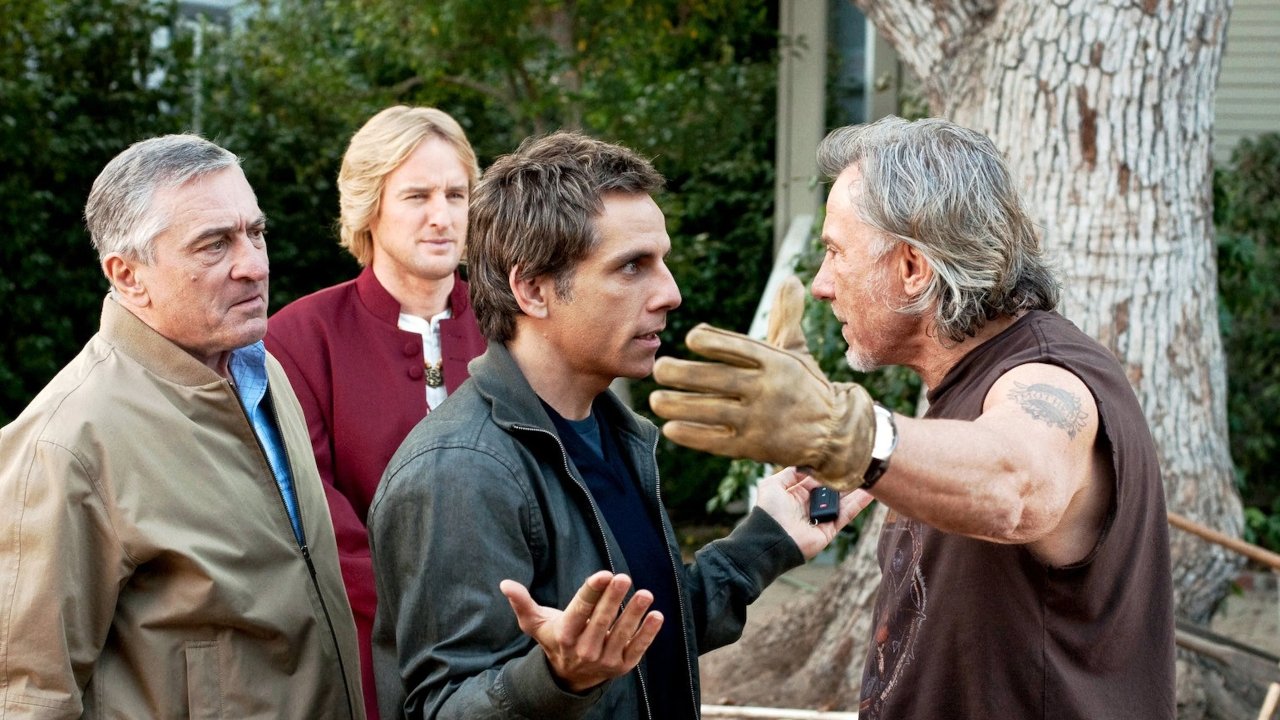
Looking back, this was the tail end of the era where a comedy could command that kind of capital simply because of who was on the poster. Robert De Niro reportedly cleared $20 million for this, which is a lot of money to spend on a man whose primary comedic contribution here is getting a shot of adrenaline to the heart (a scene that feels like a weird, slapstick parody of Pulp Fiction). The production values are slick, thanks to cinematographer Remi Adefarasin, but there’s a distinct "television" feel to the lighting and staging that makes you wonder why they needed a hundred million dollars to film a backyard birthday party.
The Ensemble Life-Raft
If there’s a reason to sit through the 98 minutes, it’s the supporting cast. They are the life-raft keeping this thing from sinking into total mediocrity. Owen Wilson returns as Kevin Rawley, and he remains the funniest thing about this franchise. His "zen-master millionaire" shtick is perfectly calibrated, and his genuine affection for Greg—despite Greg’s obvious jealousy—is the only relationship in the movie that feels fresh.
Then you have Dustin Hoffman and Barbra Streisand. Interestingly, Dustin Hoffman wasn't even supposed to be in the movie initially; he signed on late during pickups and reshoots after the studio realized the film lacked the "spark" of the previous entry. His Bernie Focker is still a delight, bringing a loose, improvisational energy that makes Robert De Niro's stiff performance look even more wooden. Barbra Streisand's Rozalin is equally vibrant, though she’s relegated to a sub-plot about a sex-talk show that feels dated enough to cause physical pain by today’s standards.
The Cringe Factor and the 2010 Hangover

Comedy is a fragile thing, and what seemed "edgy" or "fun" in 2010 often feels like a relic today. Little Fockers leans heavily into "cringe comedy," specifically a sequence involving Greg having to administer a needle to Jack’s nether regions to treat a... medicinal mishap. It’s a scene that goes on way too long and relies entirely on the shock value of seeing a legendary actor in an undignified position.
Comparing this to the 2000 original, you can see how the "Modern Cinema" transition affected the series. The first movie was a relatable, tightly scripted farce about meeting the in-laws. By the third movie, it had become a collection of sketches tied together by a brand name. Yet, the film was an undeniable hit, grossing over $310 million worldwide. It captured that holiday-season audience that just wanted to see familiar faces doing familiar things.
Ultimately, Little Fockers isn't a "bad" movie in the sense that it's unwatchable—it’s just a tired one. It lacks the heart of the first film and the novelty of the second. It’s a fascinating time capsule of a period when Hollywood thought you could just throw a hundred million dollars and five Oscar nominees at a thin script and call it a day. If you’re a completionist who needs to see the Focker saga through to its end, go for it, but don't expect the Godfocker to offer you anything you haven't seen before.
Keep Exploring...
-
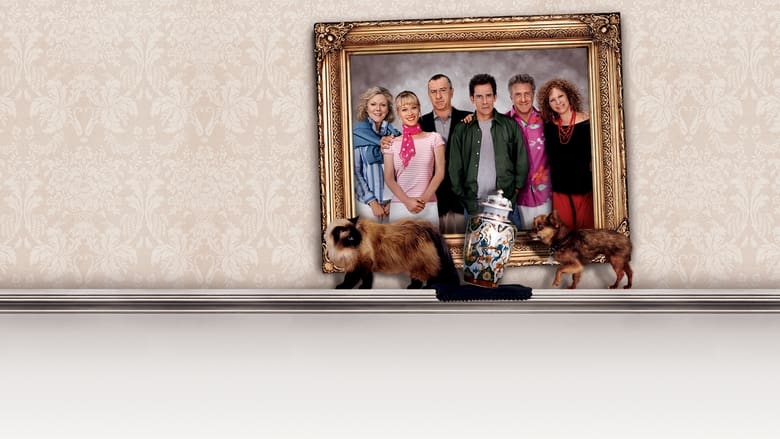
Meet the Fockers
2004
-
Meet the Parents
2000
-
American Pie
1999
-

Valentine's Day
2010
-
Along Came Polly
2004
-

Monster-in-Law
2005
-
What Happens in Vegas
2008
-
Bride Wars
2009
-
Hannah Montana: The Movie
2009
-
He's Just Not That Into You
2009
-

The Ugly Truth
2009
-

The Bounty Hunter
2010
-
No Strings Attached
2011
-

The Other Woman
2014
-
Fool's Gold
2008
-
Mr. Deeds
2002
-
About a Boy
2002
-

What's Your Number?
2011
-

Shallow Hal
2001
-

Just Married
2003