Love & Other Drugs
"Side effects include catching feelings."
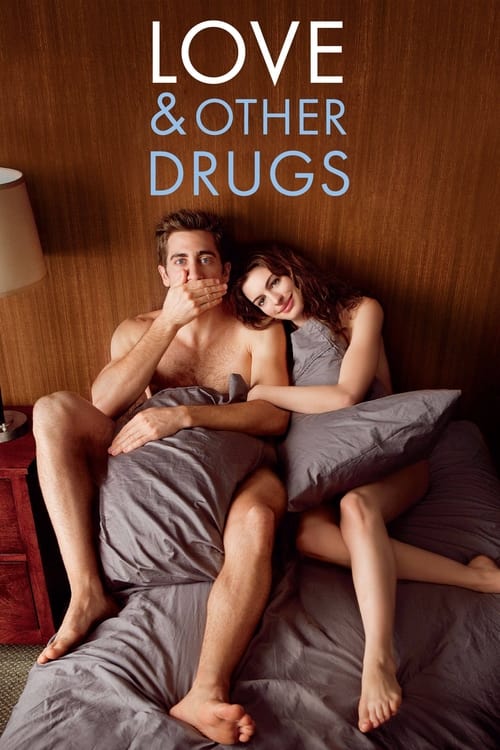
The year 2010 was a unique pocket of time when a major studio would still hand a $30 million budget to a director like Edward Zwick and say, "Here, make a raunchy sex comedy that turns into a devastating medical drama halfway through." This was the tail end of the era where star power alone could justify a film that didn't have a cape or a laser sword in sight. Looking back, Love & Other Drugs feels like a fascinating relic—a movie that attempts to be three different things at once and somehow, through the sheer chemistry of its leads, manages to stick the landing without breaking too many bones.

I watched this recently while sitting on a sofa that has one spring poking out in exactly the wrong spot, and honestly, that mild discomfort felt appropriate for a movie that constantly pivots between "hilarious Viagra jokes" and "the crushing reality of a chronic illness."
The Chemistry of the Blue Pill
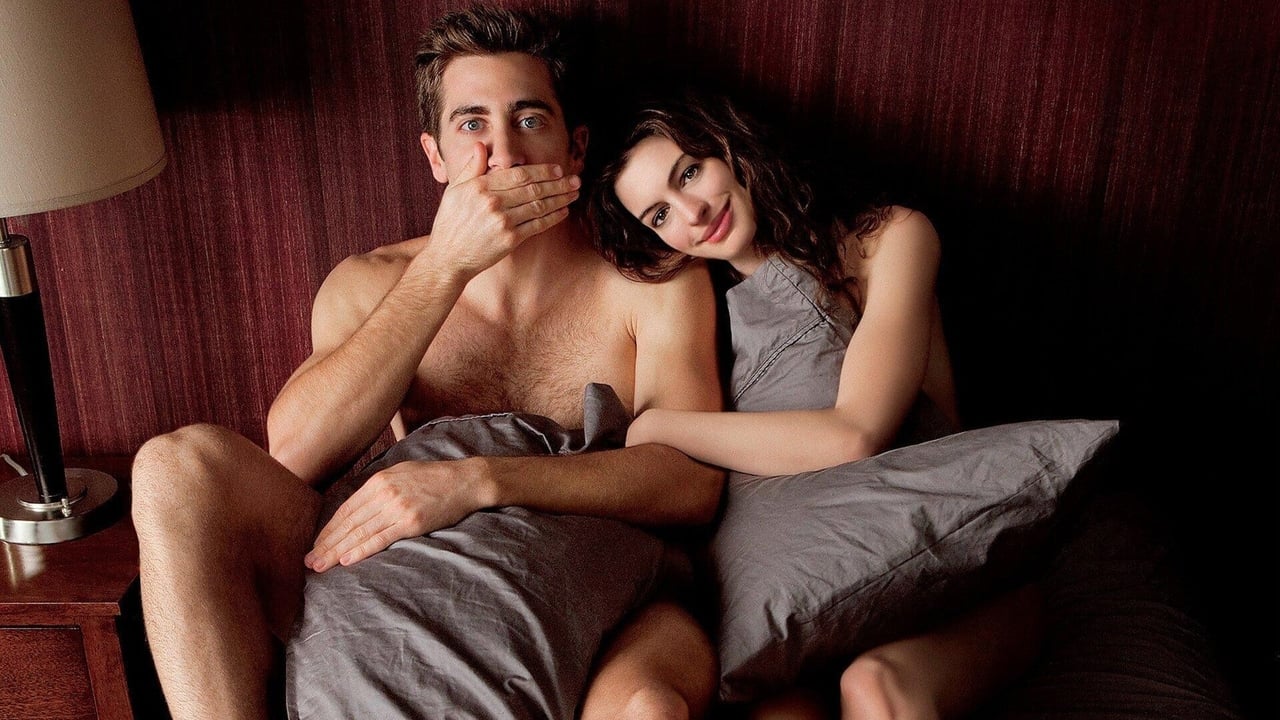
The film follows Jamie Randall, played by Jake Gyllenhaal at his peak "charismatic dirtbag" phase. He’s a pharmaceutical salesman during the gold-rush era of Pfizer’s Viagra launch. Jamie is the kind of guy who can charm his way into a doctor’s private office or a nurse’s good graces with nothing but a flash of a smile and a bag of samples. But his world gets upended when he meets Maggie Murdock, played by Anne Hathaway, a free spirit who happens to be dealing with early-onset Parkinson’s disease.
Jake Gyllenhaal and Anne Hathaway have the kind of screen presence that makes you realize why "movie stars" used to be a protected species. They had already played a couple in Brokeback Mountain, but here, the gloves are off. The film is famously uninhibited—it’s the most naked movie ever made that also wants to lecture you on the pharmaceutical lobby. Yet, the nudity never feels exploitative; it feels like two people using their bodies to hide from the fact that their hearts are terrified. Hathaway, in particular, delivers a performance that oscillates between fierce independence and haunting vulnerability. When she shakes, you feel the tremors in your own chest.
A Tonal Tug-of-War
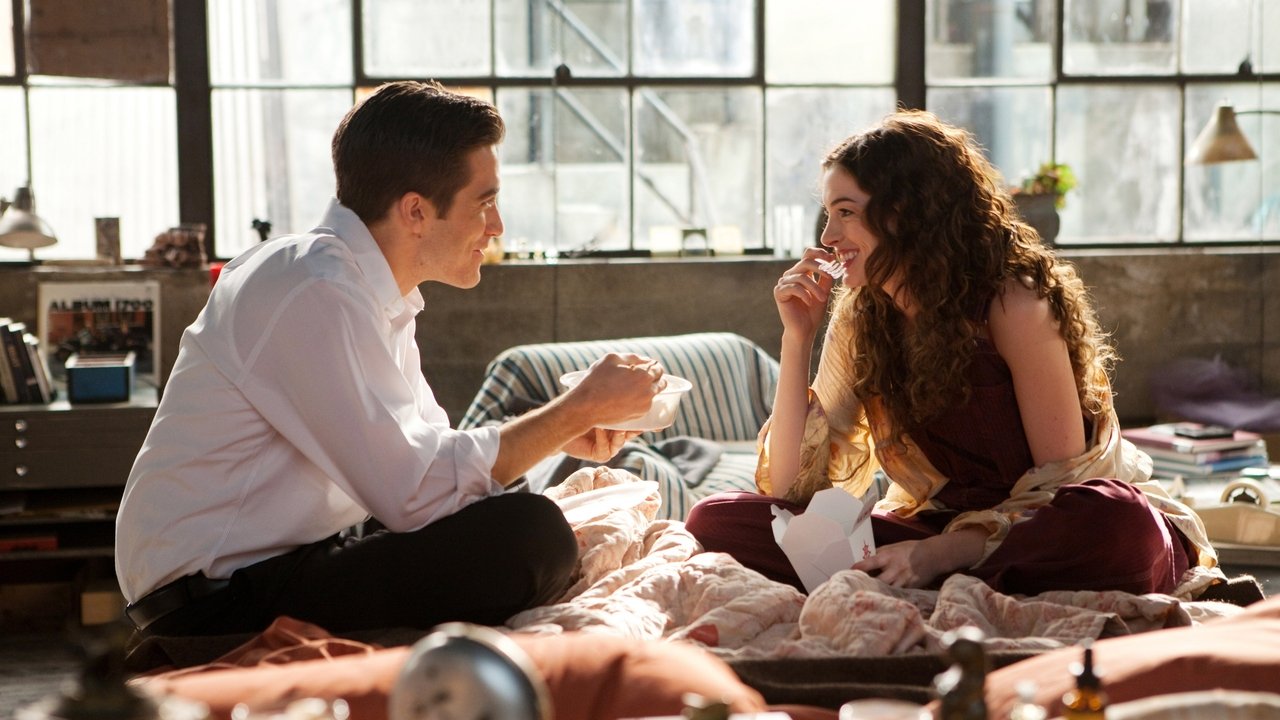
If there’s a flaw in the prescription, it’s the tonal whiplash. On one hand, you have the Big Pharma satire featuring Oliver Platt as a cynical mentor and Hank Azaria as a morally flexible doctor. These scenes are sharp, biting, and frankly, a little depressing when you realize how much of the "sales over science" mentality still persists. Then, you have the "brother comedy" subplot with Josh Gad. While Gad is funny, his subplot feels like it was beamed in from a direct-to-DVD American Pie sequel, often clashing with the sophisticated drama happening in the next room.
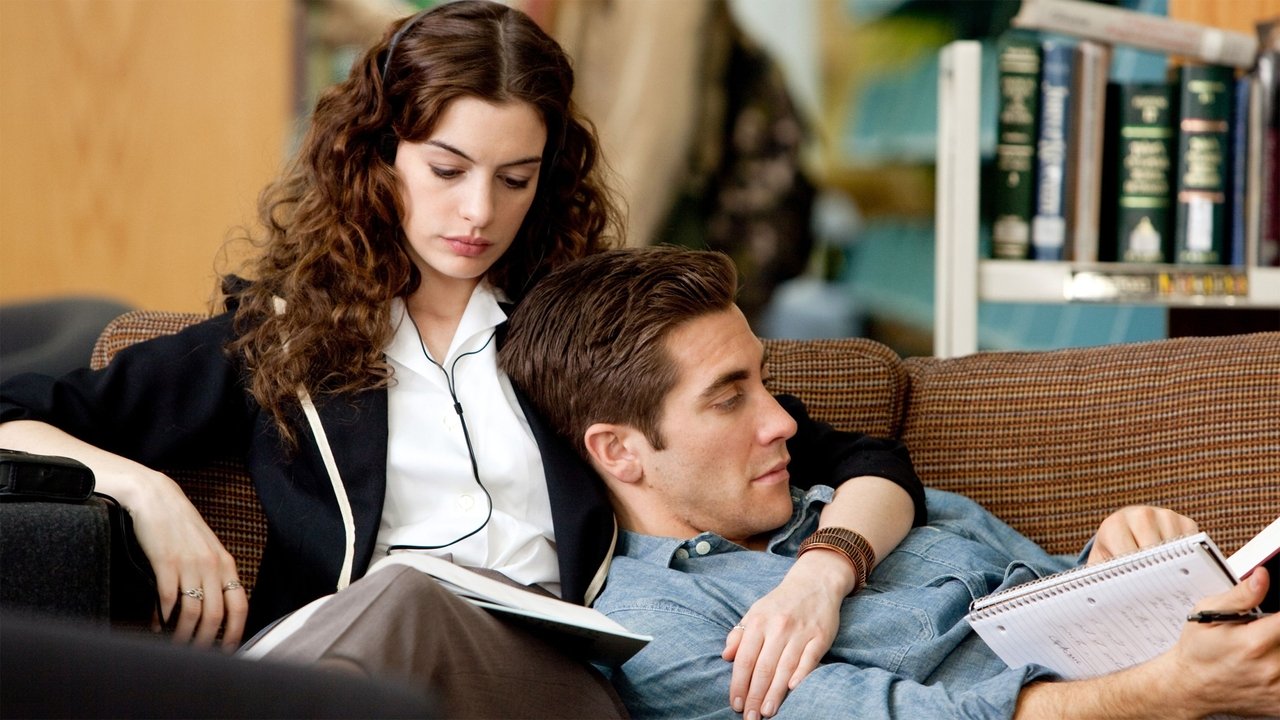
Director Edward Zwick, usually known for sweeping historical epics like Glory or The Last Samurai, brings a surprisingly steady hand to this intimate story. He doesn't shy away from the mechanics of the medical industry, but he also knows when to let the camera just sit with Maggie as she struggles to open a pill bottle. It’s an "adult" movie in the truest sense—not just because of the rating, but because it treats love as a complicated, often inconvenient choice rather than a fairytale.
The $100 Million Gamble
In terms of its footprint, Love & Other Drugs was a significant win for Fox 2000. It turned a $30 million investment into over $102 million worldwide, proving that audiences in the early 2010s were still hungry for mid-budget dramas with a pulse. It was a "Blockbuster" in its own niche, capturing a specific cultural moment where we were starting to look more critically at the medication in our cabinets while still being obsessed with the celebrity culture that Gyllenhaal and Hathaway represented.
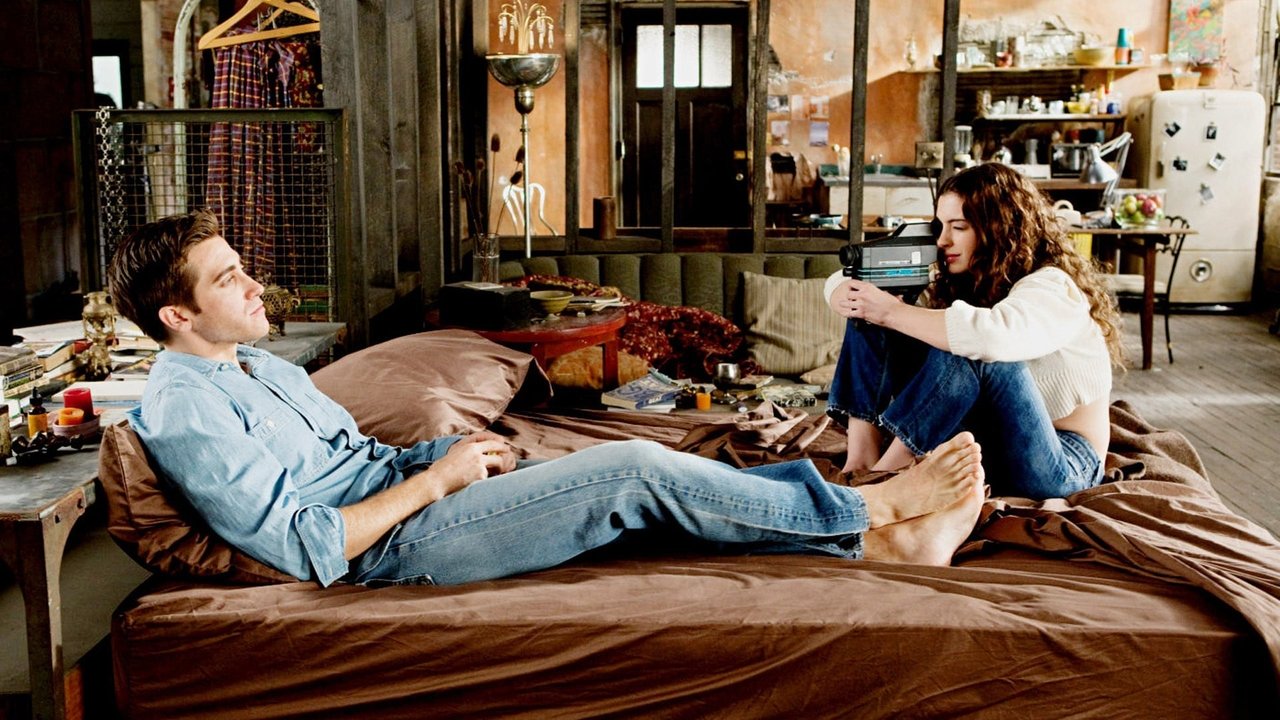
The production was actually quite rigorous. Jake Gyllenhaal reportedly spent weeks shadowing real pharmaceutical reps to learn the "hard sell" techniques, while Anne Hathaway worked closely with Parkinson's patients to ensure her physical performance was accurate rather than a caricature. This dedication shows. Even when the script veers into rom-com clichés—like the inevitable "chase after the person you love" finale—the performances are so grounded that you’re willing to forgive the formula.
The film serves as a reminder of what we've lost in the current cinematic landscape: the messy, R-rated, big-studio dramedy. It’s a movie that asks if you can love someone when you know the ending is going to be difficult, and it doesn't give you an easy answer. While the slapstick humor occasionally dilutes the emotional weight, the central romance is so potent that it lingers long after the credits roll. If you’re in the mood for a story that is equal parts cynical and soul-stirring, this is a prescription worth filling.
Keep Exploring...
-
Silver Linings Playbook
2012
-
The Artist
2011
-

Casanova
2005
-
About a Boy
2002
-

Legends of the Fall
1994
-
As Good as It Gets
1997
-
Stepmom
1998
-
Lost in Translation
2003
-
Something's Gotta Give
2003
-

Shall We Dance?
2004
-
The Sisterhood of the Traveling Pants
2005
-
Stranger Than Fiction
2006
-
The Devil Wears Prada
2006
-

Nick and Norah's Infinite Playlist
2008
-
Morning Glory
2010
-

Juno
2007
-
Knocked Up
2007
-

Forgetting Sarah Marshall
2008
-

High School Musical 3: Senior Year
2008
-

17 Again
2009