Megamind
"Presentation is everything."
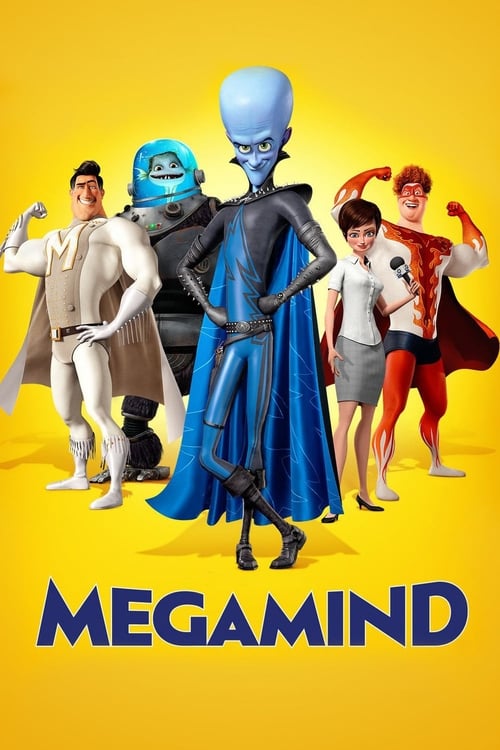
In the great animation arms race of 2010, history seemingly made its choice early. On one side, you had Despicable Me, the box-office juggernaut that birthed a thousand Minion memes. On the other, you had Megamind, a DreamWorks underdog that did respectable numbers but was largely tucked away in the "alt-villain" folder of our collective memory. I rewatched this recently on a Tuesday night while trying to ignore a stack of unpaid parking tickets, and honestly? The passage of time has been much kinder to the blue guy with the giant cranium than to his yellow-pill-shaped competitors.
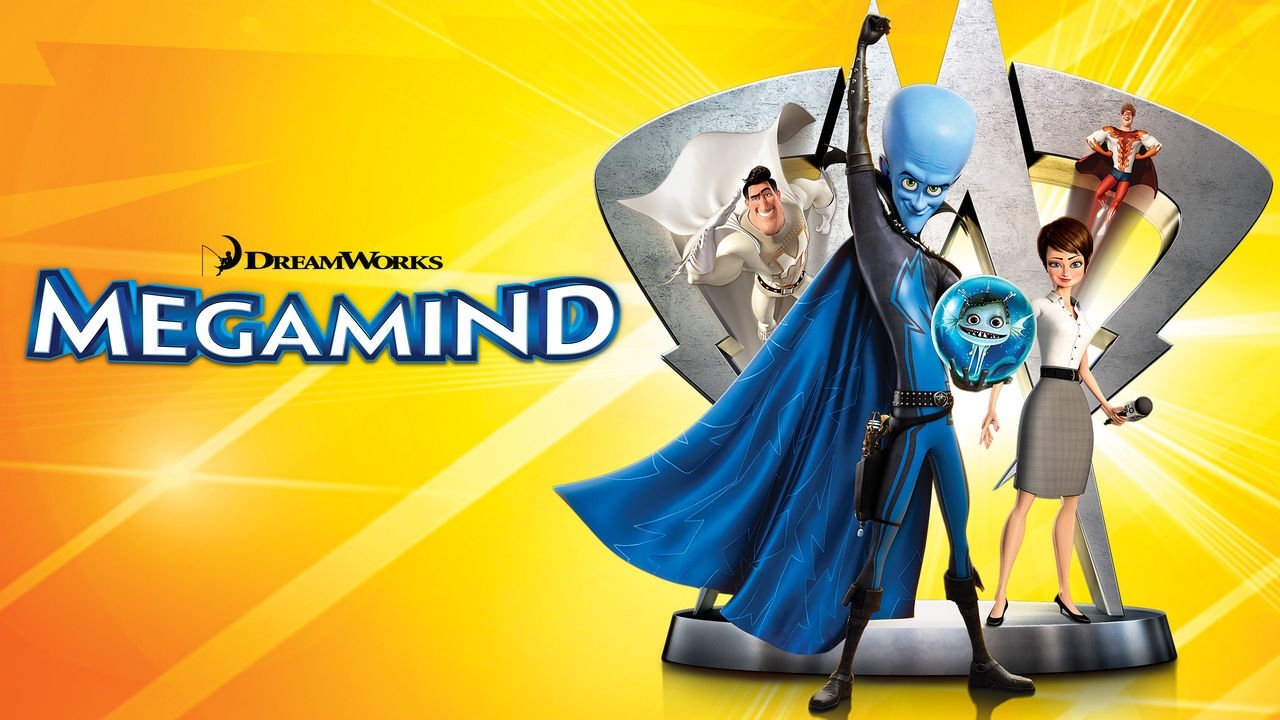
While Despicable Me leaned into slapstick and sentimentality, Megamind was busy deconstructing the entire superhero mythos years before The Boys or Invincible made it trendy to be cynical about capes. It’s a film that arrived at the tail end of that post-9/11 superhero boom—right as the MCU was still finding its legs with Iron Man 2—and it managed to ask a surprisingly sophisticated question: What does a legend do when his narrative finally ends?
The Art of the Super-Subversion
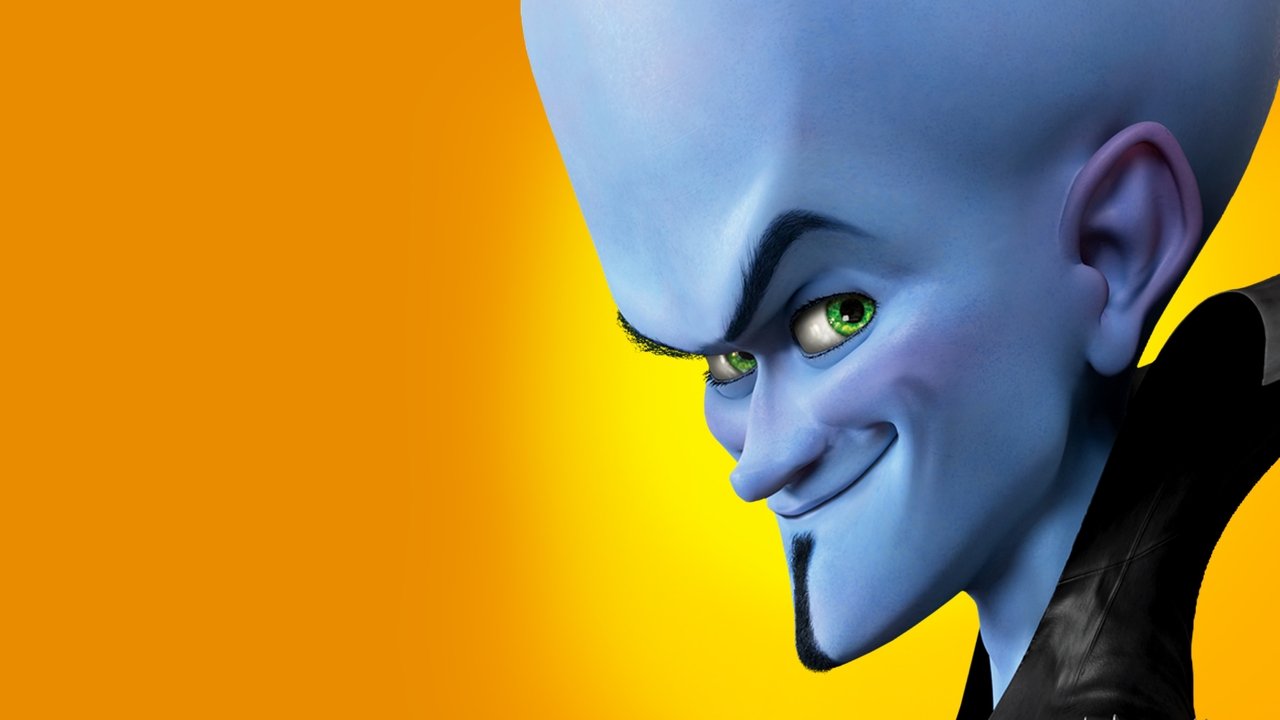
The premise is a classic "Lex Luthor wins" scenario. Will Ferrell voices Megamind, an alien orphan who, unlike his rival Metro Man (Brad Pitt), was nurtured by a prison full of inmates rather than a wealthy suburban family. When Megamind actually succeeds in "killing" his nemesis, the movie doesn't end; it starts. We get to watch the existential crisis of a man who realized that being a villain is actually quite boring without a hero to annoy.
Will Ferrell is doing some of his most disciplined work here. He resists the urge to just scream his way through the booth, instead opting for a weirdly endearing, mid-Atlantic theatricality. His constant mispronunciations—calling a school a "shool" or melancholy "melon-choly"—could have been grating, but they feel like the genuine ticks of a man who learned the world through books but never actually spoke to anyone.
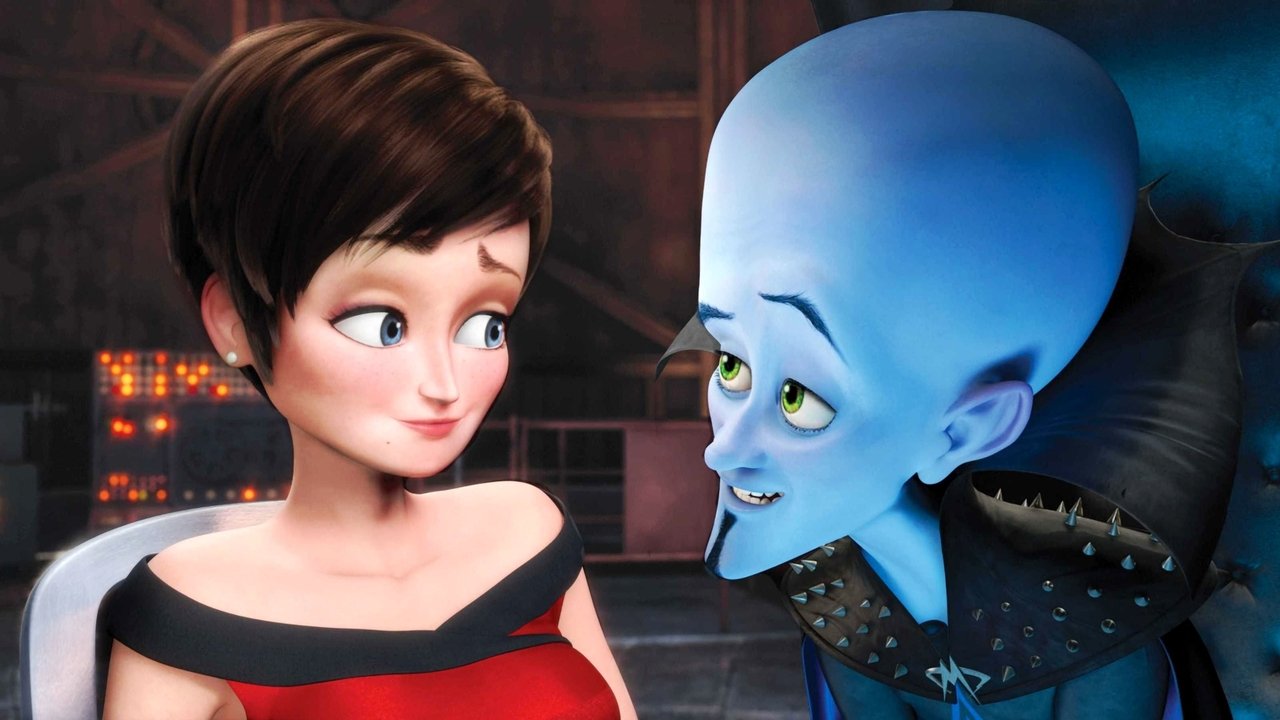
Opposite him, Tina Fey plays Roxanne Ritchi, and thank the animation gods she wasn't written as a standard damsel. She is the smartest person in every room, calling out the absurdity of the hero/villain dynamic with a dry wit that only Fey can provide. The chemistry between a blue alien and a sharp-tongued reporter shouldn't work, but their "Bernard" dates are genuinely charming.
Action With a Heavy Metal Soul
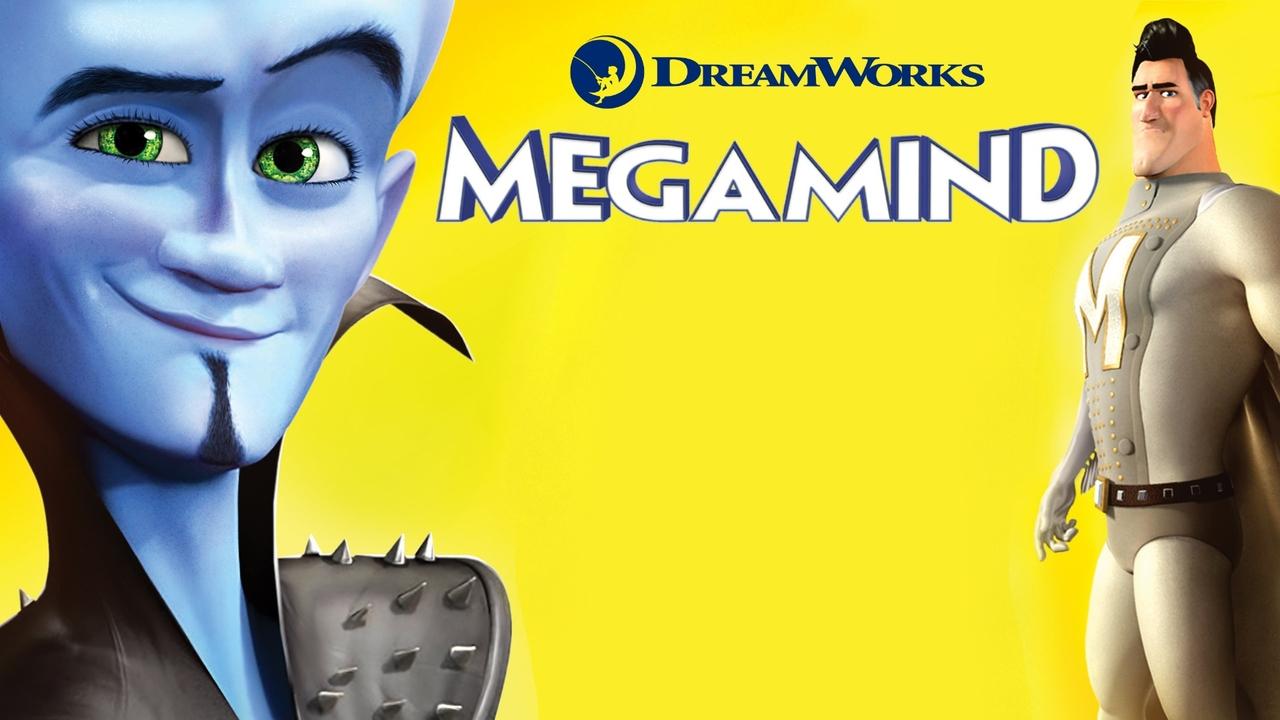
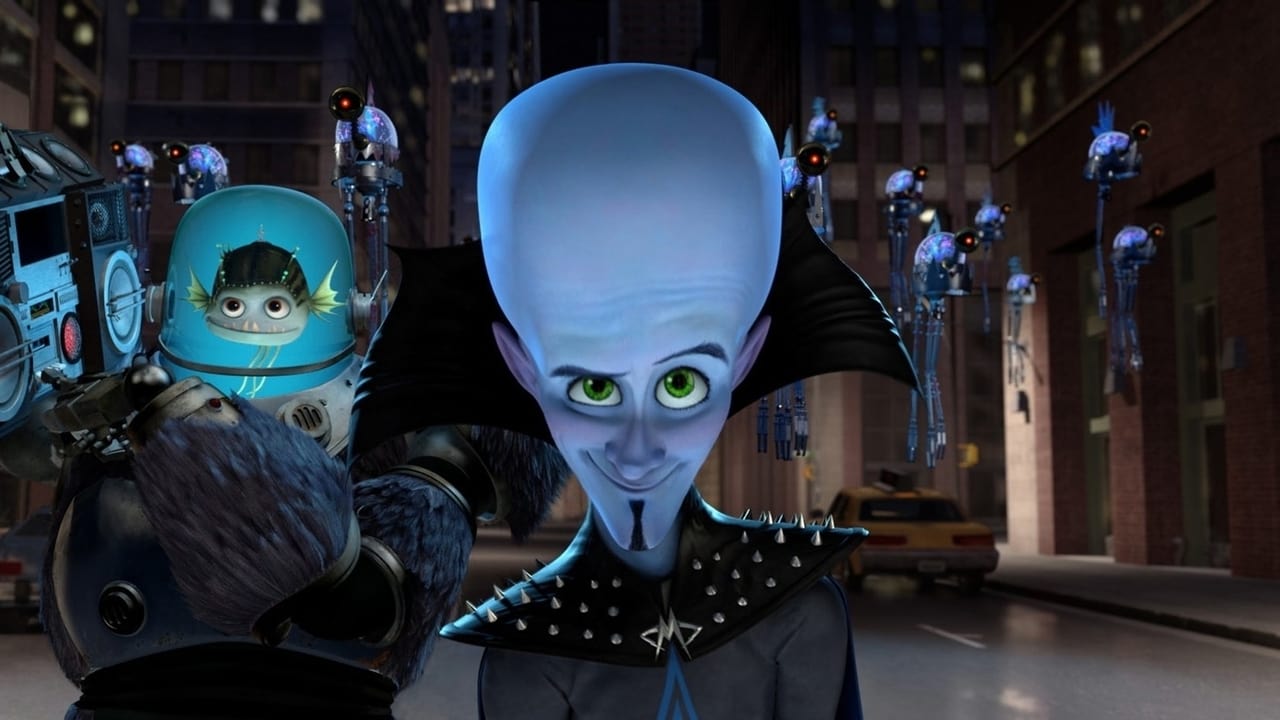
Director Tom McGrath (who also did Madagascar) clearly understands that action in a superhero movie needs scale. But because this is a comedy, the action is defined by "Presentation." The film’s peak moment involves Megamind descending from a giant holographic head while AC/DC’s "Back in Black" blares. It’s a perfect marriage of sound design and visual irony.
The animation, handled by Pacific Data Images, still looks remarkably crisp. While 2010-era CGI can sometimes feel "plasticky," the character designs here embrace that. Megamind’s leather "Black Mamba" suit has a tactile quality, and the destruction of "Metrocity" (pronounced like atrocity, naturally) has real weight. The final battle, involving a giant copper-infused robot and a skyscraper-sized hologram, moves with a rhythmic intensity that rivals the big-budget live-action spectacles of its era.
Interestingly, the film’s "real" villain, Tighten (voiced by Jonah Hill), has aged into something far more sinister than intended. In 2010, Hal/Tighten felt like a goofy subversion of the "nice guy" trope. Looking at him now, he’s a disturbingly accurate portrait of toxic entitlement. When Hal gets powers and realizes he can’t force Roxanne to love him, he turns to scorched-earth nihilism. It’s a darker turn than you’d expect from a family film, but it gives the third-act action actual stakes.
The Cult of the Blue Nerd
So, why has Megamind become a cult darling a decade later? Part of it is the sheer volume of "Stuff You Didn't Notice." The script by Alan Schoolcraft and Brent Simons is dense with blink-and-you’ll-miss-it gags. For instance, the "No You Can't" posters in Megamind’s lair are a direct riff on the 2008 Obama "Hope" posters—a very specific time capsule of the era’s political iconography.
Then there’s the trivia. Apparently, Ben Stiller and Robert Downey Jr. were both at one point attached to play the lead. As much as I love RDJ, I’m glad we got Ferrell. There’s a specific vulnerability in his voice that makes the "Bad-anon" support group scene work. Also, keep an ear out for the score—Hans Zimmer and Lorne Balfe lean heavily into the classic superhero brass but keep it playful enough to support the jokes.
The film's journey from "the other villain movie" to a beloved internet staple is well-deserved. It’s a movie that celebrates the outsiders, the nerds, and the people who were told they were the "bad guys" simply because they didn't fit into a shiny, Metro Man-shaped box.
Megamind is that rare animated feature that respects its audience’s intelligence while never forgetting to be a total blast. It subverts tropes without being mean-spirited and delivers high-octane action without losing its comedic timing. Whether you’re here for the AC/DC-infused battles or the surprisingly tender story of a blue alien finding his purpose, it’s a film that proves that being the hero isn't about the cape—it’s about the presentation. It’s a high-water mark for DreamWorks and a testament to the fact that sometimes, the "loser" of the box office race ends up winning the marathon.
Keep Exploring...
-

Madagascar
2005
-

Meet the Robinsons
2007
-

Madagascar: Escape 2 Africa
2008
-

Brave
2012
-
Madagascar 3: Europe's Most Wanted
2012
-
Mr. Peabody & Sherman
2014
-
Osmosis Jones
2001
-
Journey to the Center of the Earth
2008
-

Kung Fu Panda
2008
-
How to Train Your Dragon 2
2014
-

Sinbad: Legend of the Seven Seas
2003
-
Robots
2005
-
Despicable Me
2010
-

Puss in Boots
2011
-
Big Hero 6
2014
-
Lilo & Stitch 2: Stitch Has a Glitch
2005
-

Tangled Ever After
2012
-

Flushed Away
2006
-
Monster House
2006
-

Open Season
2006