Monsters
"The monsters are just part of the scenery."
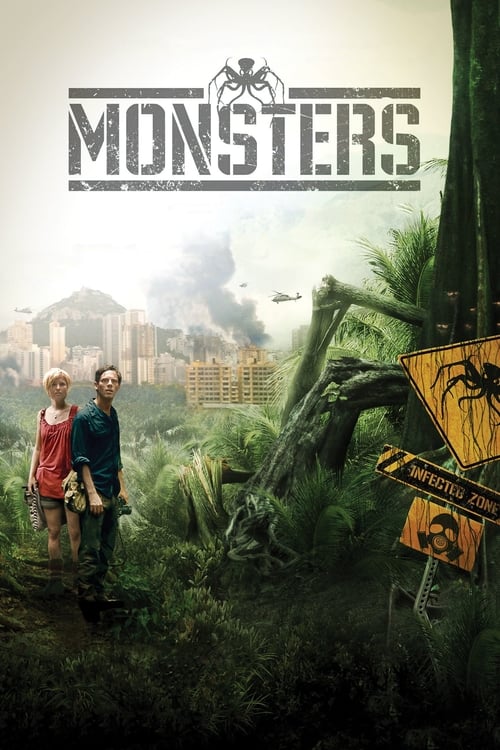
In 2010, Gareth Edwards didn’t just make a movie; he pulled off a high-stakes heist against the entire Hollywood studio system. Armed with a prosumer digital camera, a laptop, and a budget that wouldn’t even cover the catering on a Michael Bay set, he managed to create a sci-fi epic that felt larger and more grounded than the CGI-bloated blockbusters of its era. I watched this on a Tuesday night while trying to ignore a fly that had been circling my lamp for three hours, and honestly, the fly felt like a more immediate threat than the aliens for the first forty minutes. That’s not a knock against the film—it’s exactly the point.
The $500,000 Miracle
Looking back, Monsters arrived at a fascinating crossroads in cinema history. We were just starting to see the democratization of filmmaking through digital tech. This was the tail end of the "indie explosion" where a guy with a MacBook could suddenly compete with Industrial Light & Magic. Edwards, who served as the director, writer, cinematographer, and visual effects artist, shot the film guerrilla-style across Central America.
There were no massive trailers or closed-off streets. Apparently, most of the "extras" you see on screen weren't actors at all; they were just locals who happened to be there, and the crew would pay them a few bucks to look concerned or point at things. This lack of polish gives the movie a gritty, tactile reality that 2024’s ultra-crisp digital cinematography often lacks. The film captures that specific 2010 aesthetic—lots of handheld camera work, natural lighting, and a slightly desaturated color palette that screams "Post-9/11 anxiety." It feels like a documentary of a world that just happens to have giant, glowing space-squids living in the woods.
A Romance in the Ruins
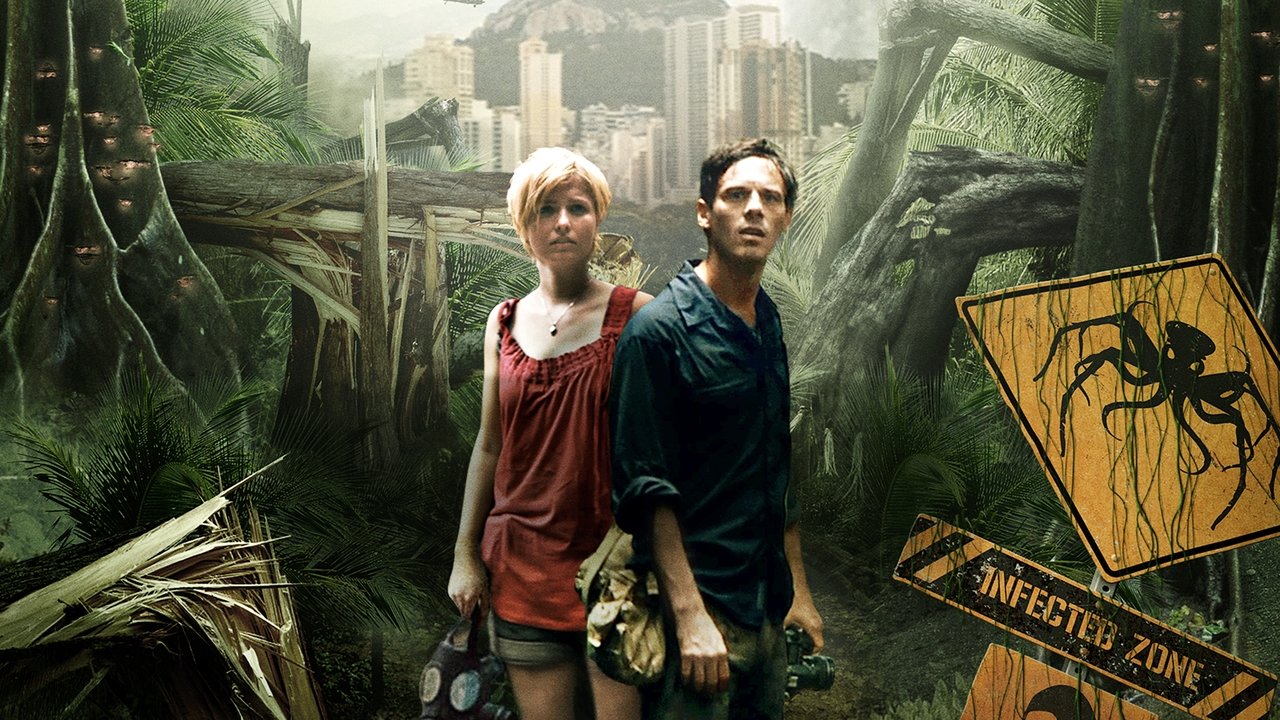
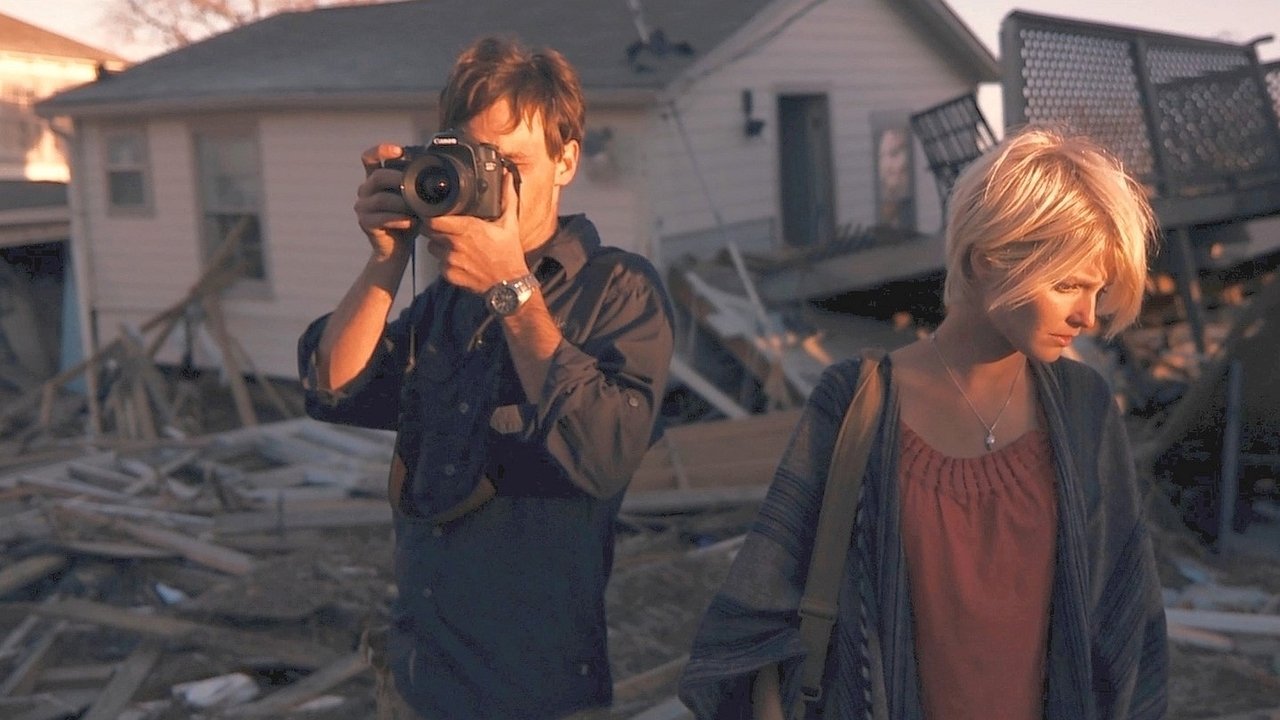
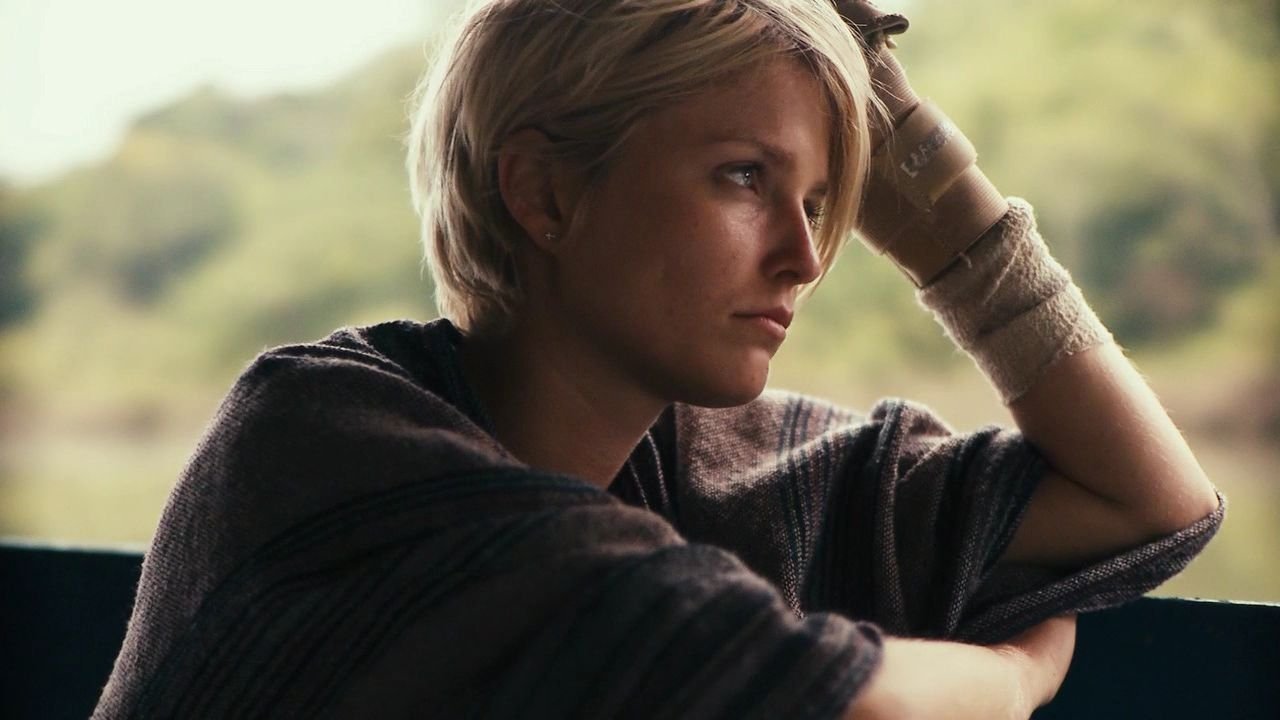
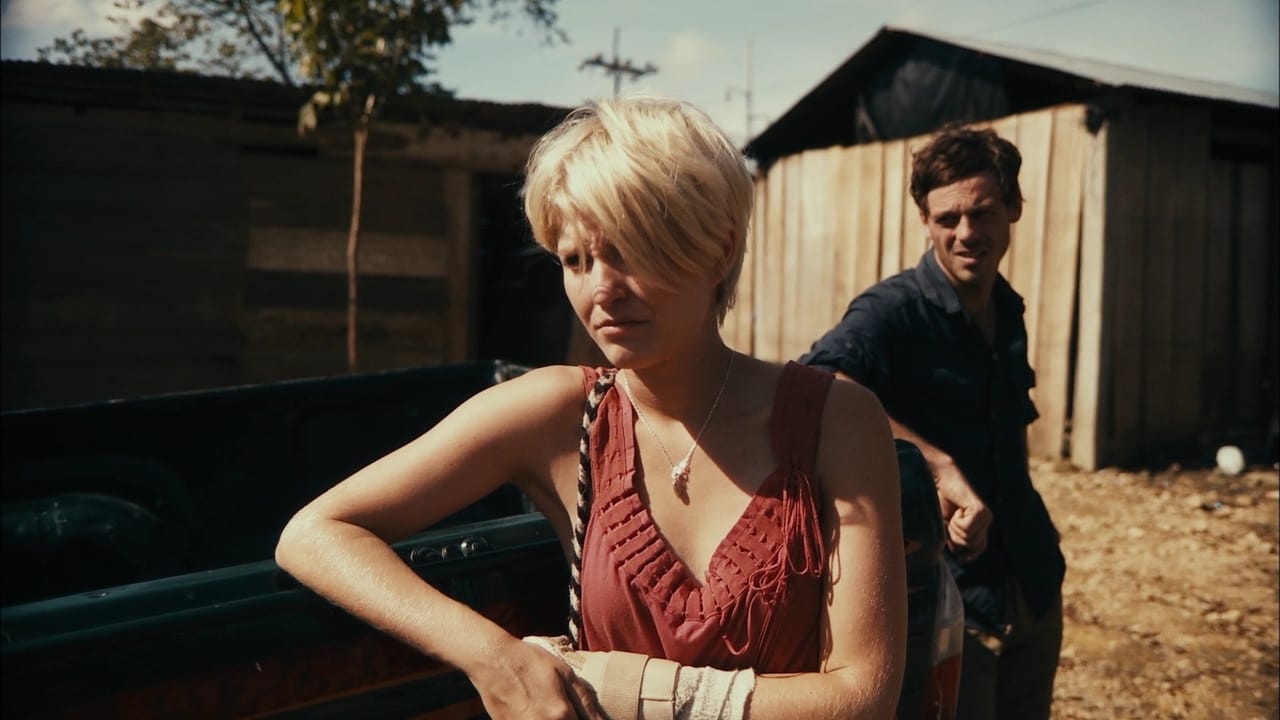
If you go into this expecting Independence Day, you’re going to be bored out of your mind. Monsters is a drama first and a creature feature second. It’s basically Before Sunrise with more property damage. The story follows Scoot McNairy as Andrew, a cynical photojournalist, and Whitney Able as Samantha, a wealthy tourist he’s been tasked with escorting to the U.S. border.
The chemistry here works because it was real; McNairy and Able were a real-life couple at the time, and their bickering has a lived-in quality that you can’t fake. Scoot McNairy is particularly great here, playing a guy who is trying to exploit the tragedy of the "Infected Zone" for a paycheck but slowly realizes he’s just another person trapped by borders. The film spends its time on quiet conversations on trains, dusty bus rides, and the awkward tension of two people who are slowly falling in love while the world around them is literally fenced off. The military is consistently the loudest, dumbest thing on screen, which serves as a sharp contrast to the quiet, almost ethereal nature of the creatures themselves.
CGI as Atmosphere, Not an Event
The visual effects in Monsters are a masterclass in "less is more." Because Edwards was doing the CGI himself on his laptop, he couldn't afford to show the creatures for long stretches. This limitation became the film’s greatest strength. In the age of the MCU, where every pixel is fighting for your attention, there’s something refreshing about how Monsters treats its aliens like background noise. You see them in the distance, or flickering on a TV screen, or as charred remains by the side of the road.
By the time we finally get a clear look at them in the final act, they don't feel like monsters to be defeated. They feel like animals. The film leans heavily into the post-9/11 theme of "the other," questioning whether the giant walls and chemical weapons used by the military are actually more destructive than the aliens themselves. The original tagline—"After six years, they're no longer aliens. They're residents"—perfectly captures the film's refusal to treat the sci-fi elements as a spectacle. It’s a somber, beautiful look at how humanity adapts to the "new normal," no matter how strange that normal is.
Monsters is a reminder of what can happen when a filmmaker is forced to be creative by their own bank account. It’s a small, intimate story told against a massive backdrop, proving that you don’t need $200 million to build a world. While the pacing might be a bit glacial for those seeking adrenaline, its atmospheric beauty and the genuine connection between its leads make it one of the most significant indie gems of the early 2010s. It’s a film that respects your intelligence enough to let the silence do the talking.
Keep Exploring...
-
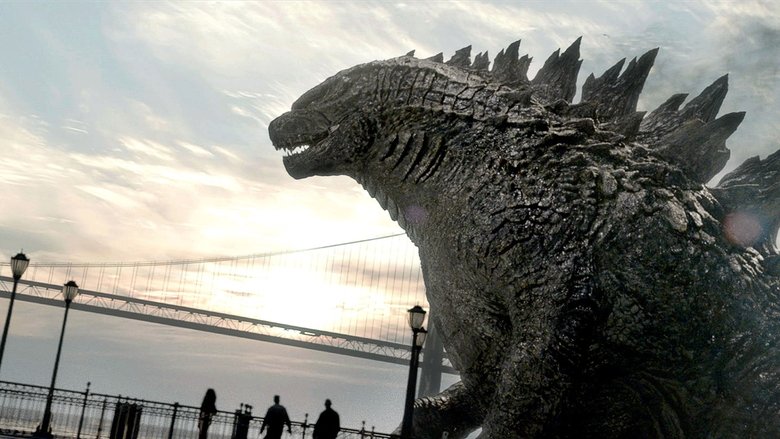
Godzilla
2014
-
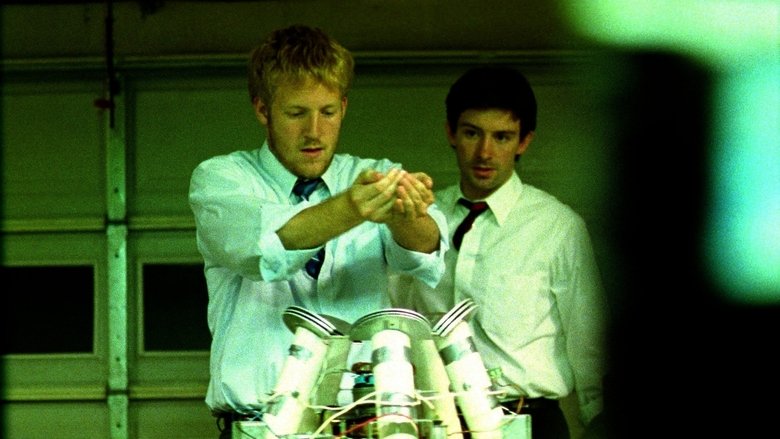
Primer
2004
-
The Jacket
2005
-
Carriers
2009
-
Contagion
2011
-
Chronicle
2012
-
Elysium
2013
-
Gravity
2013
-
Hard Candy
2005
-
Felon
2008
-
Margin Call
2011
-
Robot & Frank
2012
-
Dark Skies
2013
-

The Signal
2014
-
Blindness
2008
-
Under the Skin
2014
-
Timecrimes
2007
-
The Girl Who Played with Fire
2009
-
Buried
2010
-

Only God Forgives
2013