Morning Glory
"The news is old. She’s new. Good luck."
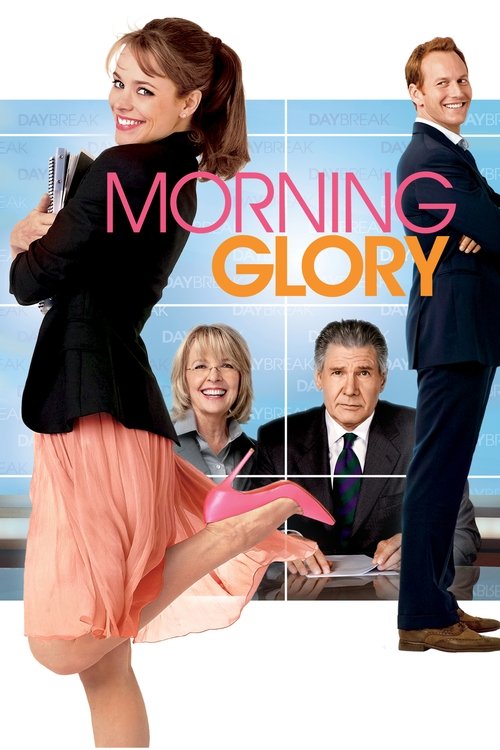
There was a specific flavor of "workplace hustle" cinema that peaked around 2010, right before the smartphone fully swallowed our souls and "hustle culture" became a toxic LinkedIn buzzword. It was an era of mid-budget, glossy, adult-oriented comedies that lived or died on the chemistry of people in well-tailored suits yelling at each other in glass-walled offices. Rachel McAdams was the undisputed queen of this domain, and Morning Glory is her high-energy manifesto.
I recently rewatched this on a Tuesday afternoon while drinking a cup of coffee that had gone depressingly lukewarm, and honestly, the film acted like a double shot of espresso. It’s a movie that understands a very specific truth: there is nothing more terrifying or exhilarating than being twenty-eight, slightly underqualified, and desperately trying to keep a sinking ship afloat while a legendary grump barks at you.
The McAdams Engine and the Grump Factor
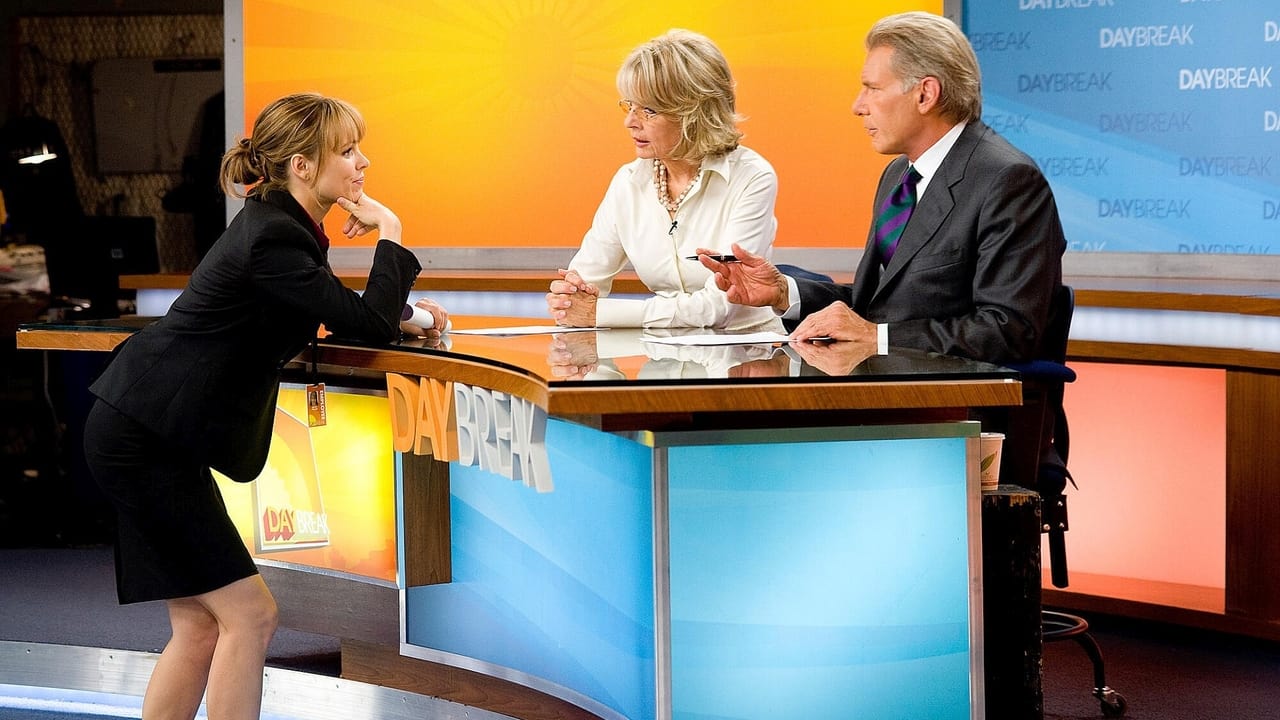
The plot is straightforward enough to fit on a cocktail napkin. Becky Fuller (Rachel McAdams) is a relentless morning show producer who gets fired from a local gig and lands a "Hail Mary" job at Daybreak, the lowest-rated national morning show in New York. To save the program, she recruits Mike Pomeroy (Harrison Ford), a legendary, Peabody-award-winning news anchor who views morning television—and its obsession with "fluff" like cooking segments and fashion tips—as the literal end of civilization.
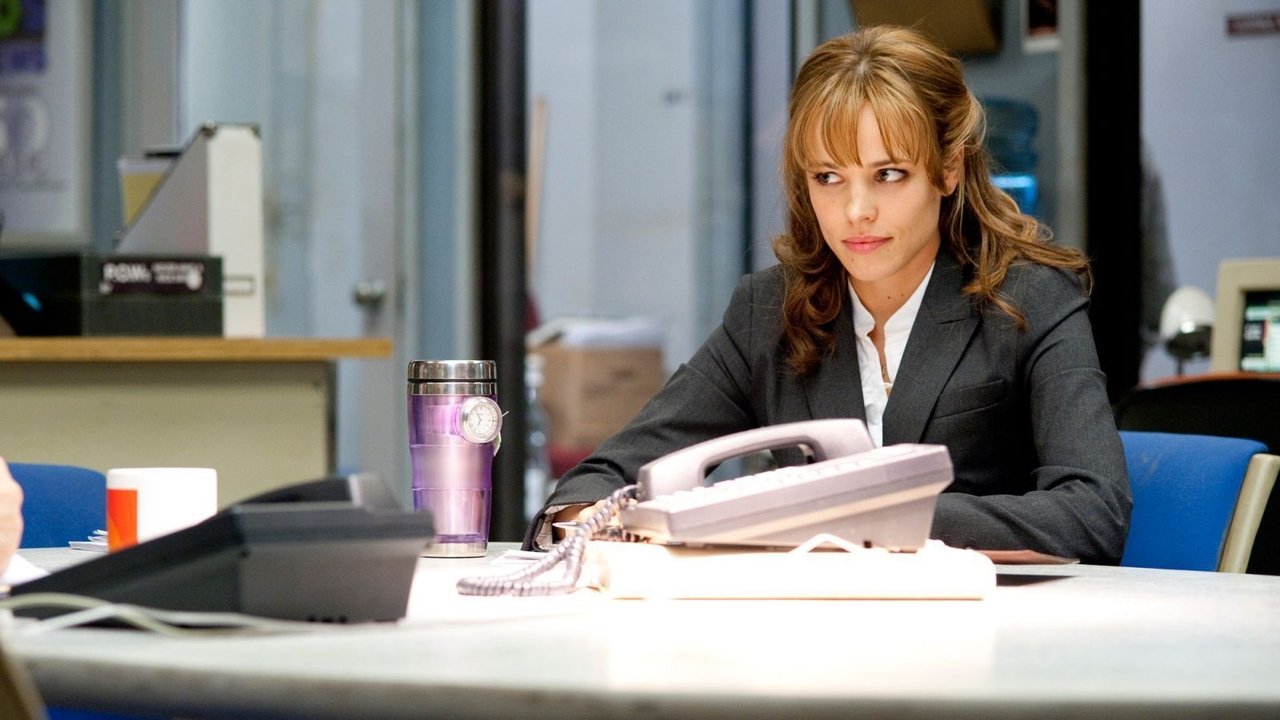
Rachel McAdams is doing something here that few actors can pull off without being annoying: she is playing "manic" with actual soul. She’s tripping over furniture and talking at 100mph, yet you never lose sight of the fact that Becky is genuinely good at her job. But the real draw, looking back, is Harrison Ford. This might be my favorite late-career Ford performance. He isn’t doing the weary Indiana Jones bit or the paycheck-grabbing action hero routine. He’s playing a man who is deeply, authentically miserable about the state of modern journalism. Harrison Ford is actually funniest when he looks like he’s about to file a restraining order against the entire concept of joy.
Watching him trade barbs with Diane Keaton, who plays the veteran co-anchor Colleen Peck, is a masterclass in prickly chemistry. Keaton is fantastic as a woman who has long since accepted that she has to wear a fat suit or interview a psychic dog to keep her paycheck, and her disdain for Ford’s character feels like it was forged in a decade of shared dressing room grievances.
A Script with Sharp Teeth

You can feel the DNA of The Devil Wears Prada (2006) in the script, and that’s because Aline Brosh McKenna wrote both. Like Prada, this isn’t really a romance, even though Patrick Wilson is hanging around being handsome as the "supportive boyfriend" archetype. This is a movie about the obsessive, often dysfunctional love affair people have with their careers.
The dialogue zips. It’s got that screwball rhythm that Roger Michell (the man behind Notting Hill) knows how to pace perfectly. There’s a scene where Ford explains why he won't say the word "fluffy" that is genuinely more tense and hilarious than most modern action sequences. The movie treats a segment about making a frittata with the same life-or-death stakes as a political coup, and that’s exactly how morning TV feels when you’re in the control booth.
It’s also fun to spot Jeff Goldblum as the harried network executive Jerry Barnes. Goldblum is basically playing a more corporate version of his Jurassic Park (1993) persona—instead of predicting chaos theory, he’s predicting the death of the network news division, but with the same eccentric hand gestures.
Why Did This Slip Through the Cracks?
In 2010, Morning Glory did "okay" but didn't set the world on fire. It was caught in that awkward transition period where audiences were shifting toward massive franchises and away from the "star-driven comedy." Looking back, it feels like a relic of a lost civilization—one where studios spent $40 million on a movie where the biggest special effect is Harrison Ford making a perfect omelet.
Apparently, Ford was so committed to the role’s grumpiness that he stayed relatively distant from the cast during the early parts of the shoot to maintain the tension. It worked. The film also suffered a bit from being marketed as a standard rom-com, when in reality, it’s a cynical, sharp-witted look at the "infotainment" industrial complex. It’s the kind of movie that deserved the "DVD Culture" treatment—I would have killed for a commentary track with Ford and Keaton just roasting the production.
The film captures the anxiety of the early 2010s perfectly: the transition from analog prestige to digital "clickbait" (even if they didn't call it that yet). Mike Pomeroy represents the old guard of Cronkite-era seriousness, while Becky represents the new reality where you have to do a segment on "how to look younger in five minutes" just to earn the right to cover a real news story. It is the movie equivalent of a perfectly toasted bagel: comforting, familiar, but with enough crunch to keep it interesting.
Morning Glory is a hidden gem that has aged surprisingly well because its core theme—the struggle to maintain dignity in a world that demands entertainment—is more relevant now than it was fourteen years ago. It’s a breezy, intelligent 107 minutes that reminds you why we used to love going to the movies just to see charming people be clever. If you’re looking for something that feels "big" without being a superhero movie, this is your Tuesday night winner. Just make sure your coffee is actually hot.

Keep Exploring...
-
Casanova
2005
-
The Sisterhood of the Traveling Pants
2005
-
Nick and Norah's Infinite Playlist
2008
-
What to Expect When You're Expecting
2012
-
The Switch
2010
-

Salmon Fishing in the Yemen
2012
-
Drinking Buddies
2013
-
Stuck in Love
2013
-
Blast from the Past
1999
-
Never Been Kissed
1999
-
S1m0ne
2002
-
First Daughter
2004
-
The Family Stone
2005
-

Cashback
2007
-
Submarine
2011
-
The Mafia Kills Only in Summer
2013
-

Notting Hill
1999
-
The Spanish Apartment
2002
-
Stranger Than Fiction
2006
-
Love & Other Drugs
2010