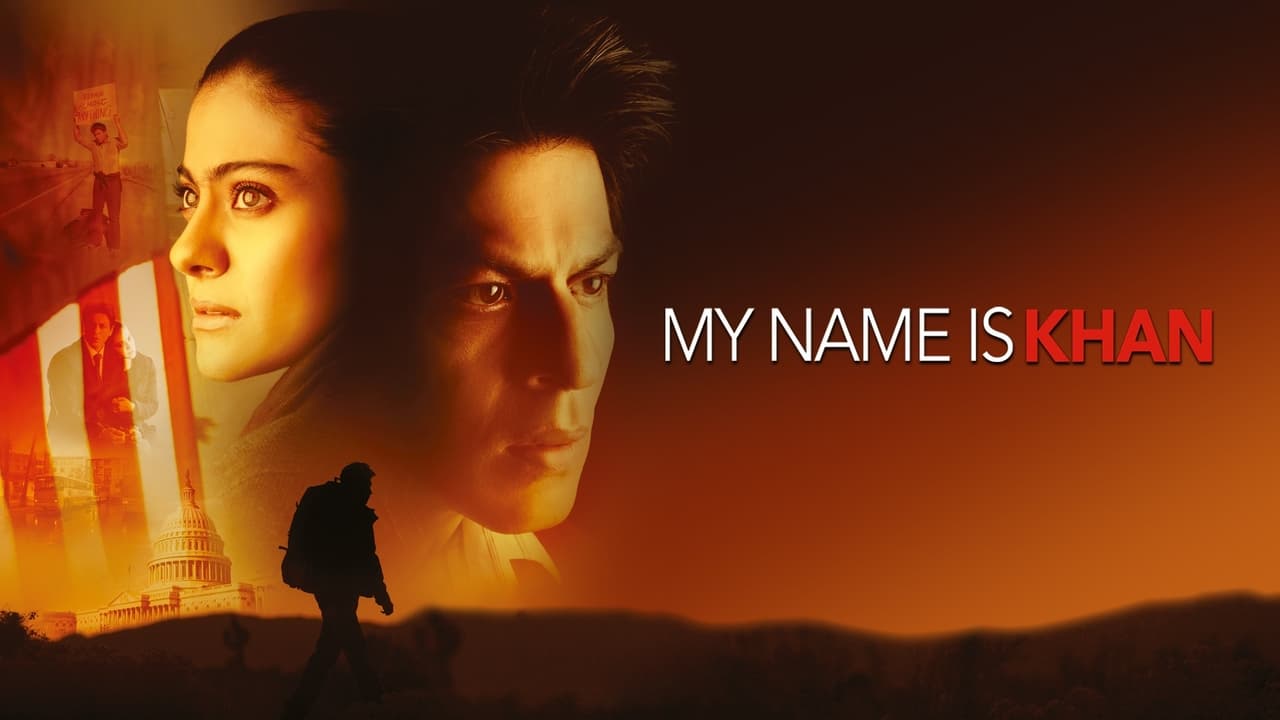
My Name Is Khan
"One man's name, a world’s worth of change."
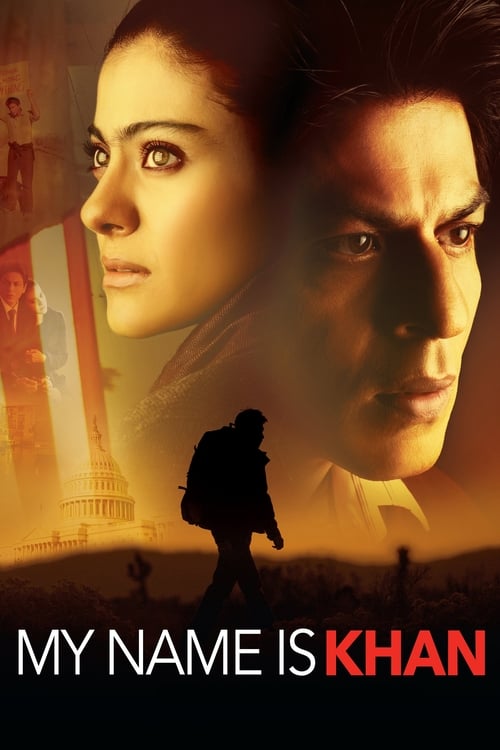
I distinctly remember watching My Name Is Khan for the first time on a flickering laptop screen in my college dorm, while my roommate was snoring like a freight train and the smell of burnt popcorn lingered in the hallway. Even through those tiny speakers, there was a weight to the film that felt different from the usual Bollywood fare I’d grown up with. In 2010, the "Global War on Terror" wasn't just a headline; it was a lived reality that dictated how people looked at one another in airports, subways, and grocery stores.
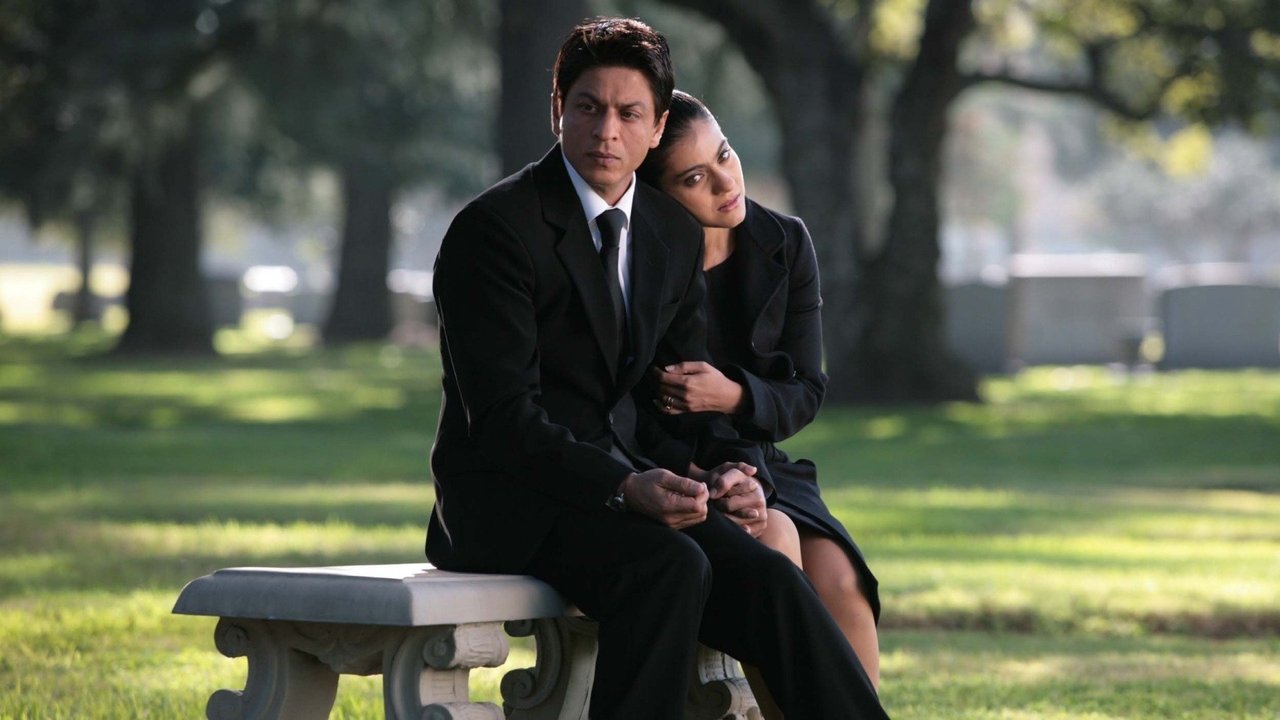
Karan Johar, a director previously synonymous with designer saris, sprawling mansions, and the kind of high-gloss romance that felt like a permanent vacation, took a massive leap here. He traded the Swiss Alps for the dusty highways of America and the internal struggles of a man with Asperger’s syndrome. It was a pivotal moment in Modern Cinema where Bollywood began to shed some of its escapist skin to grapple with the jagged edges of a post-9/11 world.
The Power of the Pair
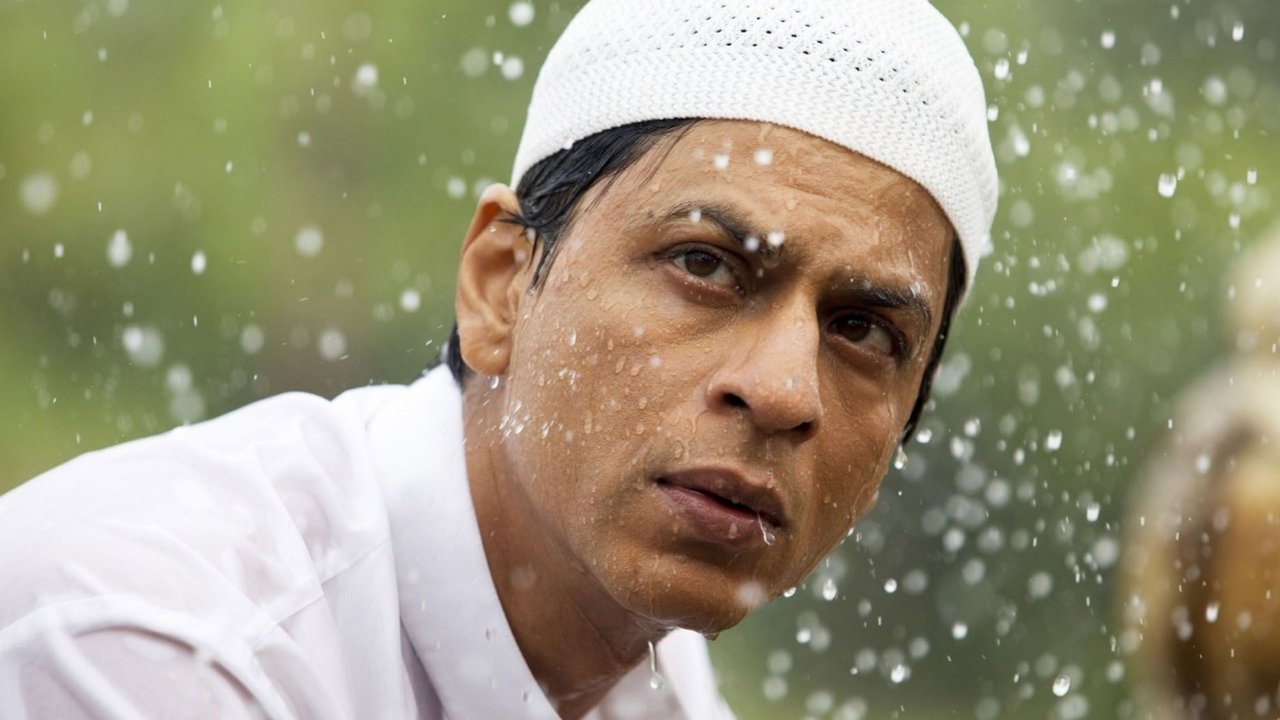
At its core, the movie works because of the undeniable alchemy between Shah Rukh Khan and Kajol. If you grew up with Dilwale Dulhania Le Jayenge (1995), seeing them together again felt like a warm hug from old friends. But this isn't the playful "Raj and Simran" dynamic of the 90s. Shah Rukh Khan takes on the role of Rizwan Khan with a focused, twitchy intensity that eschews his usual "King of Romance" mannerisms. He avoids eye contact, maintains a rigid posture, and speaks with a rhythmic, staccato cadence that could have easily slipped into caricature but instead feels deeply sincere.
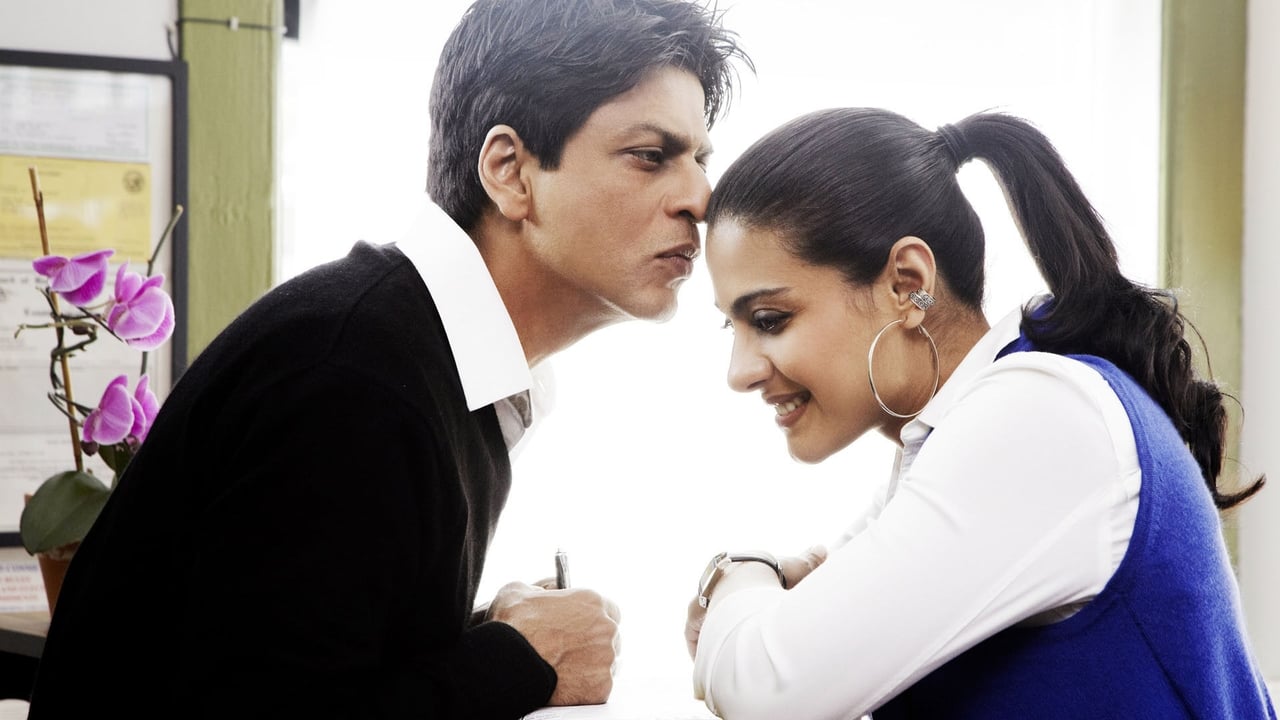
Kajol, as Mandira, provides the emotional lightning to Rizwan’s steady grounding. She plays a Hindu single mother in San Francisco, and their courtship is genuinely charming—a reminder that even in a story about systemic prejudice, Karan Johar can still nail a meet-cute. When tragedy strikes their family, Kajol’s performance becomes a raw, jagged nerve. Her grief is what drives the plot: a desperate, angry demand that Rizwan go tell the President of the United States that his last name doesn't make him a threat.
Beyond the Gloss
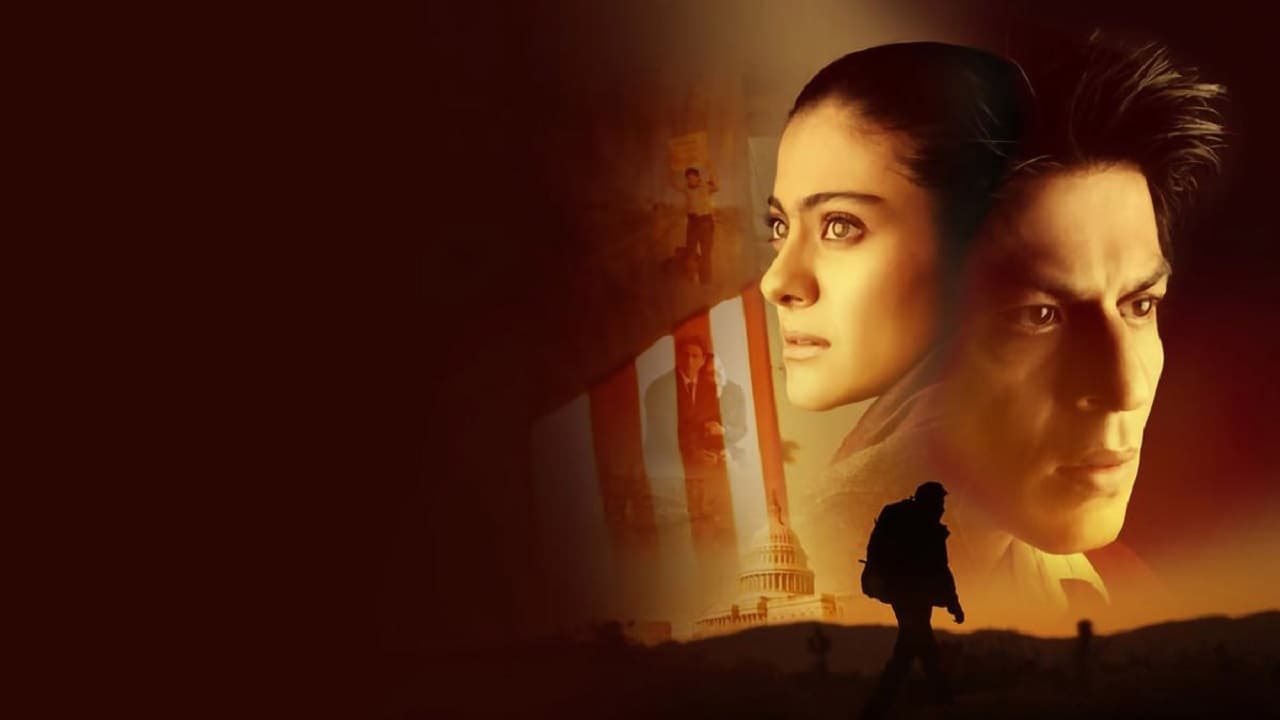
The cinematography by Ravi K. Chandran marks a significant departure from the saturated dreamscapes of earlier Dharma Productions. There’s a naturalism to the San Francisco sequences and a lonely, expansive feel to Rizwan’s cross-country journey. The film captures that specific 2000-2010 aesthetic—a transition where digital grading started to allow for cooler, more somber tones, moving away from the "Technicolor" brightness of the analog era.
I found the screenplay by Shibani Bathija to be remarkably brave for its time. It doesn't shy away from the indignity of the "random" security checks or the way a community can turn on its own out of fear. There’s a philosophical question buried under the melodrama: Is the "American Dream" inclusive enough to survive a crisis of faith? Rizwan’s journey is essentially a secular pilgrimage. He isn't trying to change the world with a sword or a speech; he’s trying to change it with a simple statement of fact.
Tonal Whiplash and Trivia
However, it wouldn’t be a Popcornizer review if I didn't point out the film's eccentricities. While the first half is a grounded, heartbreaking drama, the hurricane sequence in the third act feels like it wandered in from a completely different Roland Emmerich flick. It’s a bit of that old-school Bollywood "heroism" leaking into a story that didn’t necessarily need it to prove its point.
Behind the scenes, the film’s production was shadowed by the very themes it explored. In a moment of life imitating art, Shah Rukh Khan was actually detained and questioned at Newark Liberty International Airport in 2009 while traveling to promote the film. It caused a diplomatic stir and added a layer of grim authenticity to Rizwan’s experiences on screen. Interestingly, Fox Searchlight Pictures picked this up for global distribution—a massive milestone at the time that helped bridge the gap between "indie" American sensibilities and mainstream Indian storytelling.
The score by Shankar Mahadevan (as part of the larger musical team) is another standout. Instead of the usual dance numbers, we get soulful, Sufi-inspired tracks like "Sajda" and "Tere Naina" that enhance the atmosphere without breaking the narrative flow. It’s a mature use of music that respects the film’s serious intentions.
Ultimately, My Name Is Khan is a grand, emotional epic that asks us to look past labels at a time when labels were being used as weapons. It’s a film that earns its runtime by making you care deeply about a man who simply wants to go home. Looking back, it stands as a fascinating bridge between the romanticism of the 90s and the more socially conscious global cinema of the 2010s. It’s a story about the resilience of the human spirit that remains just as relevant, and just as moving, over a decade later.
Keep Exploring...
-

Amour
2012
-
Laurence Anyways
2012
-

I Want You
2012
-
The Way He Looks
2014
-

Talk to Her
2002
-

Three Colors: Red
1994
-
A Dog's Will
2000
-
Millennium Actress
2002
-

Brokeback Mountain
2005
-

Pride & Prejudice
2005
-
Atonement
2007
-

The Reader
2008
-

The Wrestler
2008
-

Mr. Nobody
2009
-

Flipped
2010
-

Moonrise Kingdom
2012
-

About Time
2013
-

Dilwale Dulhania Le Jayenge
1995
-

Joyeux Noel
2005
-

Little Children
2006