Never Let Me Go
"Love is the only thing they are allowed to own."
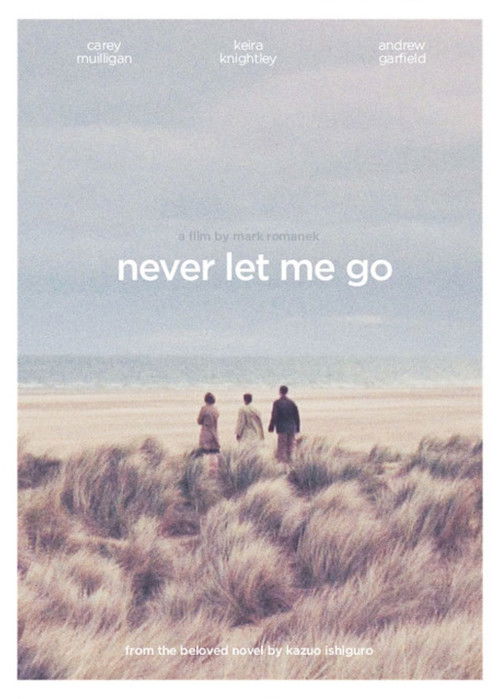
If you walked into a theater in 2010 expecting a traditional sci-fi romp—maybe something with chrome hallways or laser pistols—you probably left the cinema feeling like you’d been hit by a very quiet, very polite freight train. Never Let Me Go is a "science fiction" film in the same way a funeral is a "social gathering." It uses the trappings of an alternate history to tell a story that is so relentlessly human and devastatingly British that it practically breathes the scent of damp wool and Earl Grey tea. I watched this again last Tuesday while my neighbor was apparently trying to teach himself the bagpipes, and honestly, the discordant, mournful wailing from next door was the perfect accompaniment to the film's crushing final act.
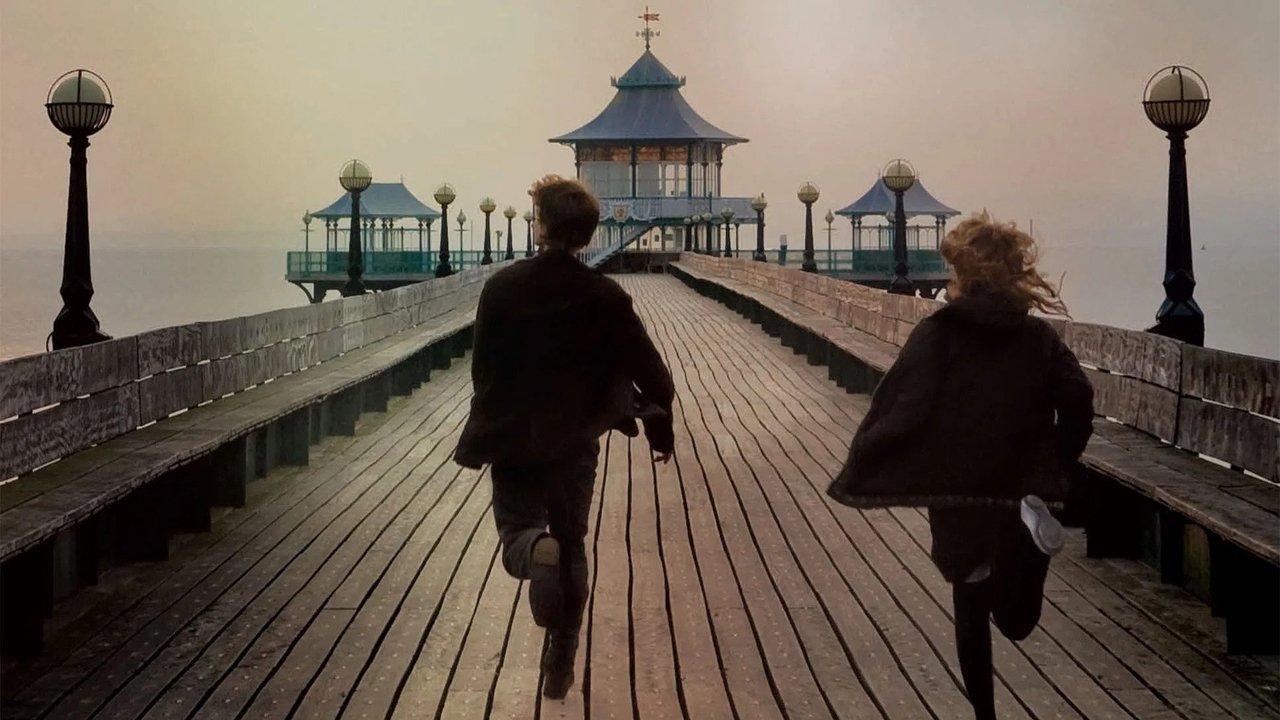
The Sci-Fi That Wasn’t
Released during that fascinating transition period where "prestige" cinema was starting to flirt heavily with genre tropes, this film remains a bit of a black sheep. It didn't have the mind-bending puzzles of Christopher Nolan’s Inception (which dominated the box office that same year), and it lacked the populist spark of the burgeoning YA dystopian craze. Instead, director Mark Romanek—the man responsible for some of the most visually arresting music videos of all time, including Johnny Cash’s "Hurt"—opted for a palette of muted greens, browns, and grays.
The script, penned by Alex Garland (long before he was melting our brains with Ex Machina or Annihilation), is a masterclass in restraint. Based on Kazuo Ishiguro’s novel, the story follows Kathy, Ruth, and Tommy, three students at a secluded boarding school called Hailsham. We learn early on that they are clones, created solely to provide organ donations until they "complete"—a clinical euphemism for death. What makes this so haunting isn't the science; it's the total lack of rebellion. There are no Hunger Games here. These characters accept their fate with a heartbreaking, quiet dignity that feels like a two-hour panic attack for anyone who’s ever procrastinated on a deadline.
Three Hearts, One Clock
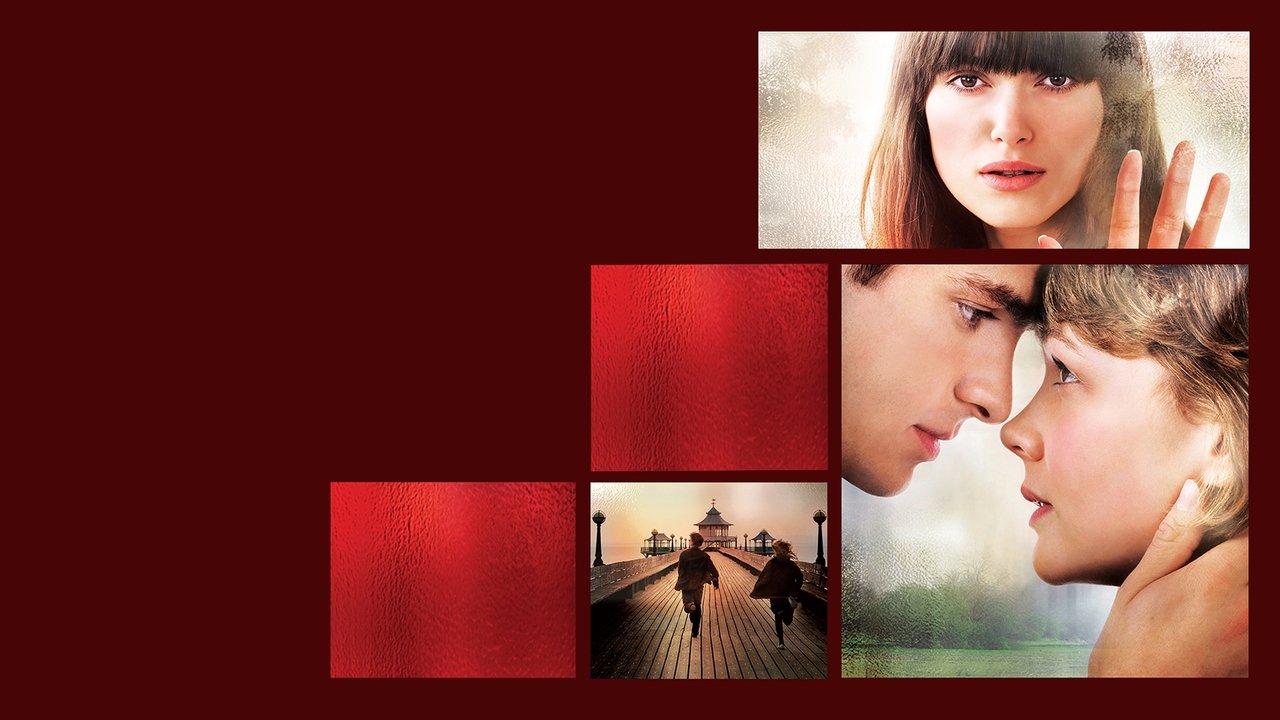
The film rests entirely on its central trio, and looking back, the casting was nothing short of miraculous. Carey Mulligan (who had just broken out in An Education) plays Kathy with a stillness that is almost unbearable. She says more with a slight shift in her gaze than most actors do with a ten-minute monologue. Opposite her is Andrew Garfield, shortly before he suited up for The Amazing Spider-Man. As Tommy, Garfield is the raw nerve of the film. There is a scene late in the movie where he stands in the middle of a dark road and just screams—it’s a sound that stays with you, a pure expression of the unfairness of existence.

Then there’s Keira Knightley. In 2010, she was the undisputed queen of the period drama (Atonement, Pride & Prejudice), but here, she plays Ruth with a jagged, desperate edge. She’s often unlikeable, driven by a fear of being alone that manifests as cruelty, yet she earns your pity by the end. The chemistry between the three is a tangled web of shared childhood trauma and "what ifs."
I have to give a massive shout-out to the "Young" versions of the cast: Izzy Meikle-Small, Ella Purnell, and Charlie Rowe. Often, child-actor segments in movies are things you just endure to get to the "real" stars, but here, they are essential. Ella Purnell (who you might recognize now from Fallout) captures Knightley’s specific, nervous energy so perfectly it’s almost eerie. Apparently, the casting directors were so obsessed with the physical resemblance that they had the young actors study the older ones' mannerisms for weeks.
The Quiet Cult of the Devastated
Never Let Me Go was a commercial flop, barely clawing back $9 million against its $15 million budget. It was too sad for the popcorn crowd and perhaps too "genre" for the hard-nosed Oscar voters. But in the years since, it has morphed into a genuine cult classic for the "Sad Girl Autumn" set. It’s the kind of movie people recommend to one another with a warning: "Make sure you have tissues and no plans for the next three hours, because you will be staring at a wall in silence."
The production is packed with those tiny, intentional details that cult fans obsess over. For instance, the "donors" all wear a specific type of off-brand, slightly-dated clothing to signify their "otherness" from the rest of 1990s England. The cinematographer, Adam Kimmel, shot on 35mm film to give it a soft, organic texture that digital just can't replicate. It makes the world feel lived-in and tactile, which only makes the sterile reality of their "donations" feel more horrific. Ishiguro himself even noted that this was the rare adaptation that actually improved upon certain emotional beats of his book.
Ultimately, this isn't a film about the ethics of cloning. It’s a film about the fact that we are all, in a sense, terminal. Whether you have eighty years or twenty, the tragedy of the human condition is that we never feel we have enough time with the people we love. It’s a somber, beautiful, and deeply moving piece of cinema that has only grown more relevant as our world gets louder and more frantic. If you missed it in 2010 because you were too busy watching 3D blue aliens, do yourself a favor and catch up. Just maybe wait for a rainy afternoon to really lean into the vibe.
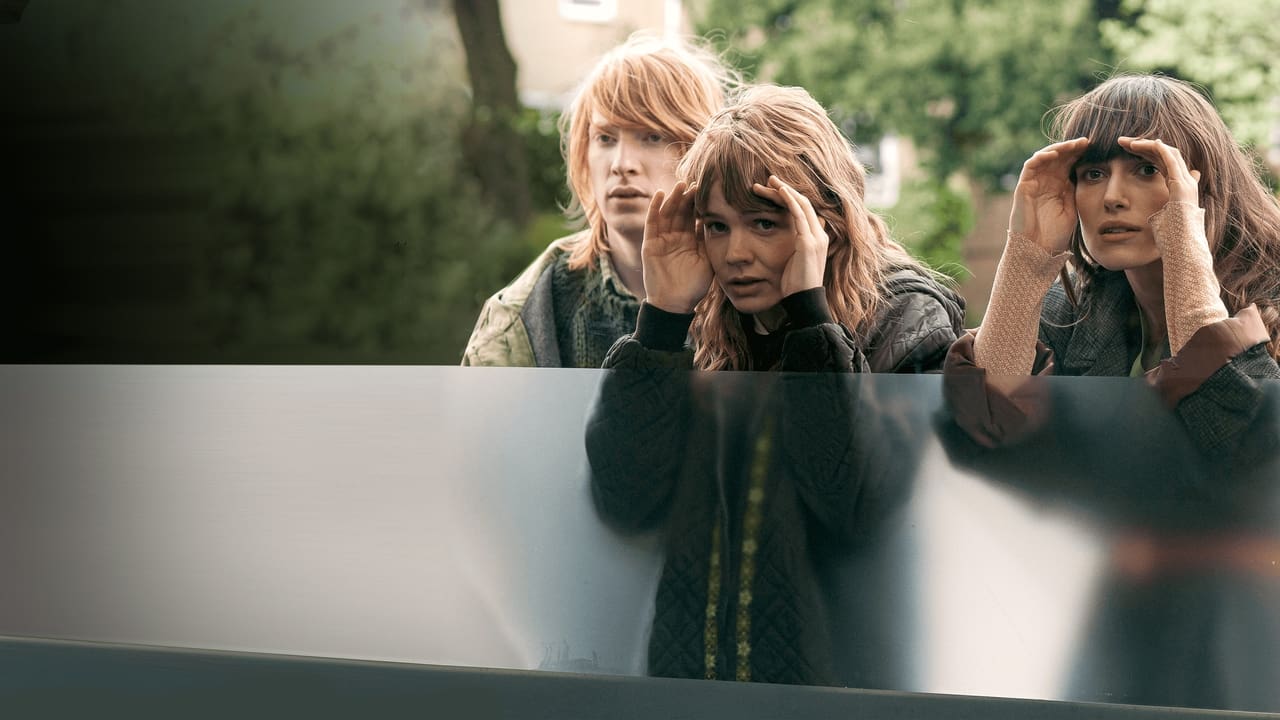
Keep Exploring...
-

The Fountain
2006
-
Upside Down
2012
-
Anna Karenina
2012
-
An Education
2009
-
Mr. Nobody
2009
-
Melancholia
2011
-
Perfect Sense
2011
-

Seeking a Friend for the End of the World
2012
-
Her
2013
-

Begin Again
2014
-

Moon
2009
-
Under the Skin
2014
-

Match Point
2005
-
Children of Men
2006
-
Stranger Than Fiction
2006
-
The Host
2006
-
The Illusionist
2006
-
The Lake House
2006
-
5 Centimeters per Second
2007
-

High School Musical 2
2007