Nothing to Declare
"Customs, conflict, and a very fast Renault."
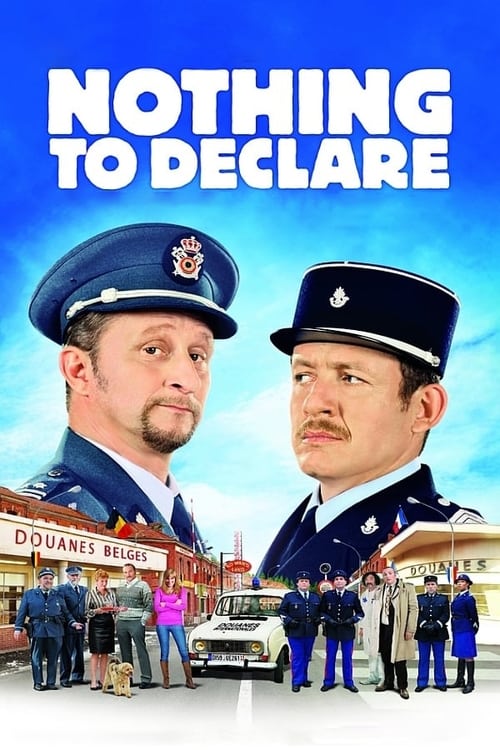
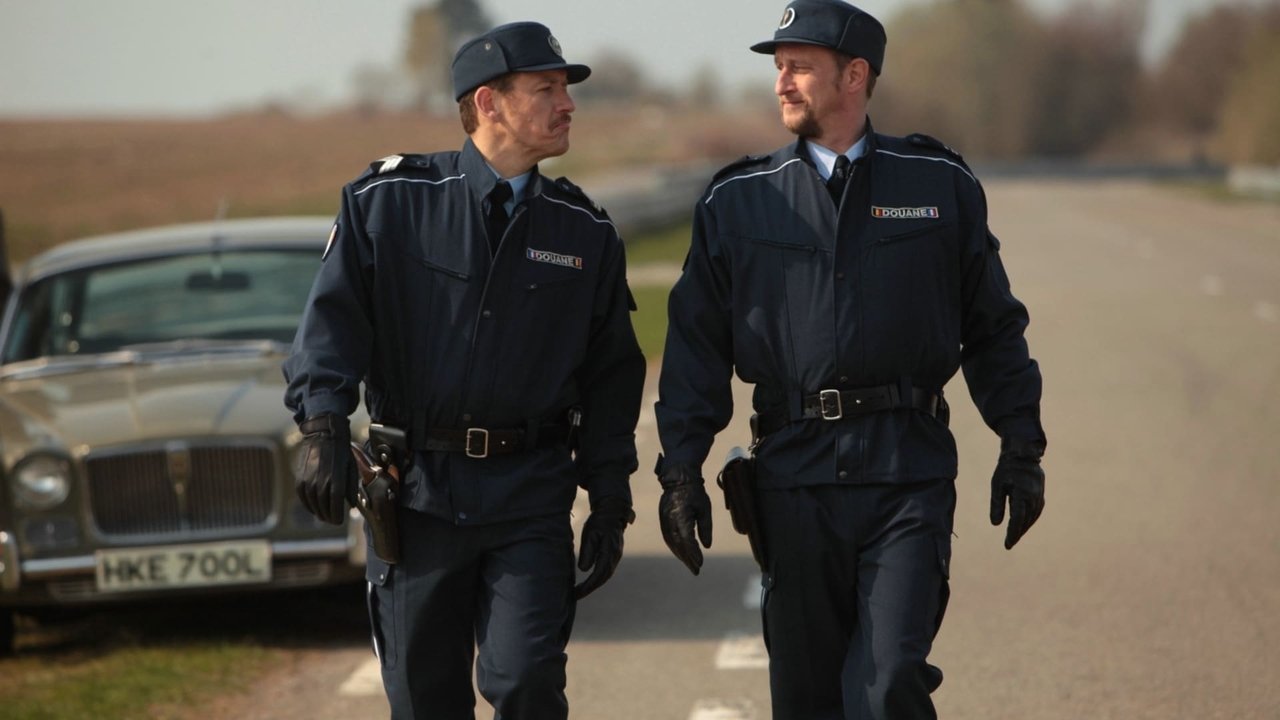
Imagine a world where your entire personality is defined by a painted line on the asphalt. For Ruben Vandevoorde, a Belgian customs officer with a mustache that screams "authoritarian mid-management," that line isn't just a border—it’s a holy rampart. It is 1993, the Maastricht Treaty is about to kick in, and the European Union is preparing to dissolve the physical borders between member states. For Ruben, this is basically the apocalypse. For the rest of us, it’s the setup for one of the most frantic, culturally specific, and weirdly charming comedies of the early 2010s.
I first stumbled upon Nothing to Declare (Rien à déclarer) while scouring a bargain bin at a dying video store in 2012. I watched this while eating a bowl of cold mussels because I felt it would make me more 'authentic,' only to realize I’d forgotten to buy bread for the broth, and yet, the movie still managed to win me over. It’s a film that knows exactly what it is: a loud, proud, slapstick-heavy exploration of why humans love to hate their neighbors.
The Art of High-Velocity Xenophobia
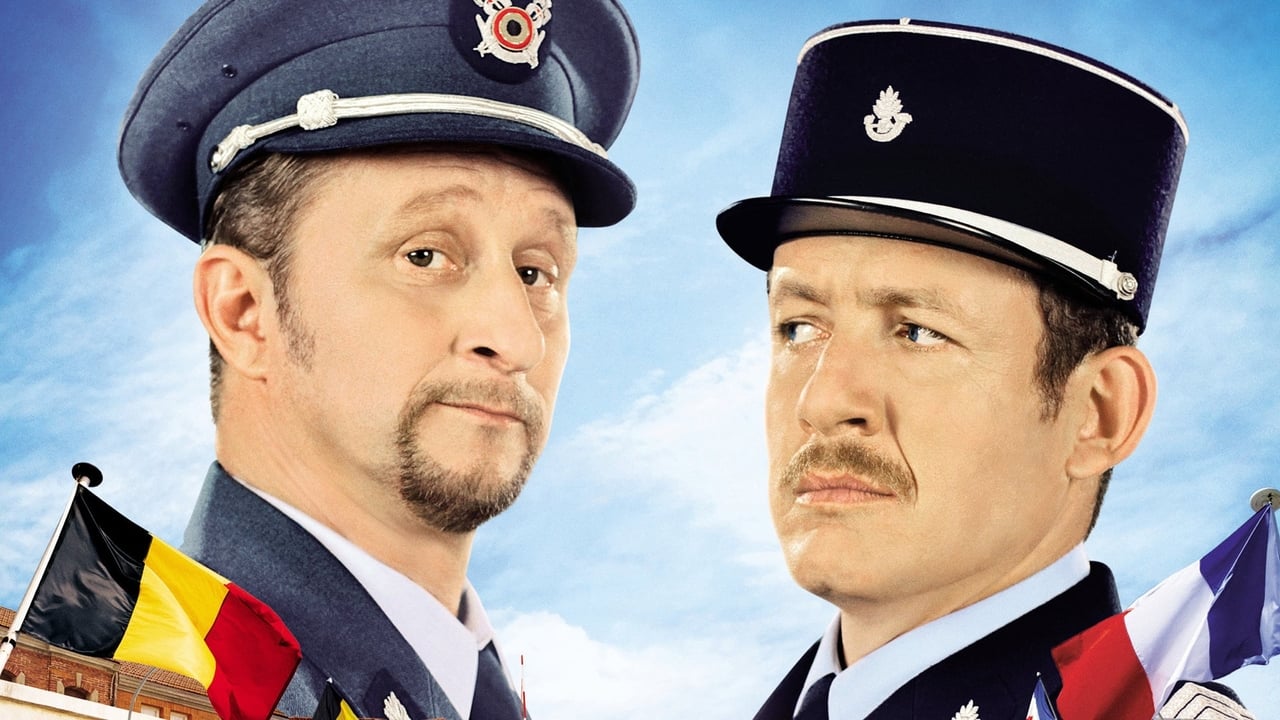
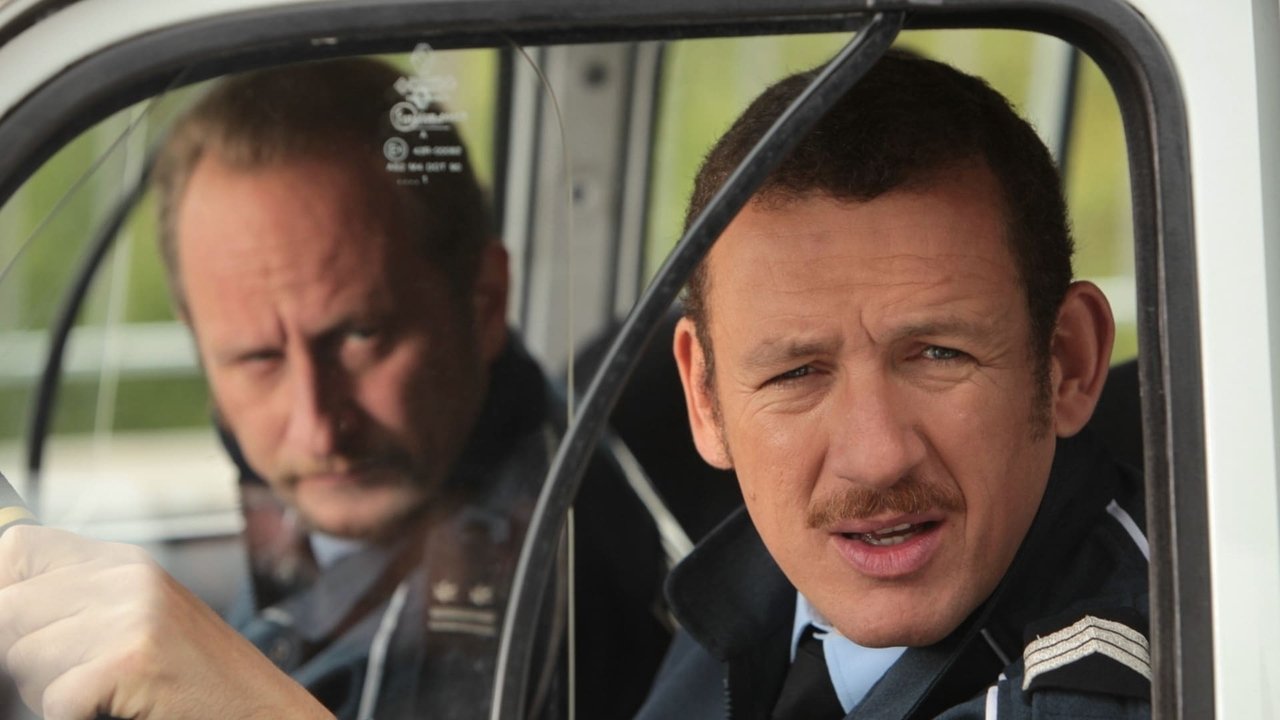
The heart of the movie is the "odd couple" dynamic between Benoît Poelvoorde (who you might know from the cult classic Man Bites Dog) and Dany Boon. Benoît Poelvoorde’s face is a masterclass in controlled facial spasms. He plays Ruben as a man possessed by a pathological hatred of the French. He’s the guy who will pull over a French driver just because their license plate looks "smug."
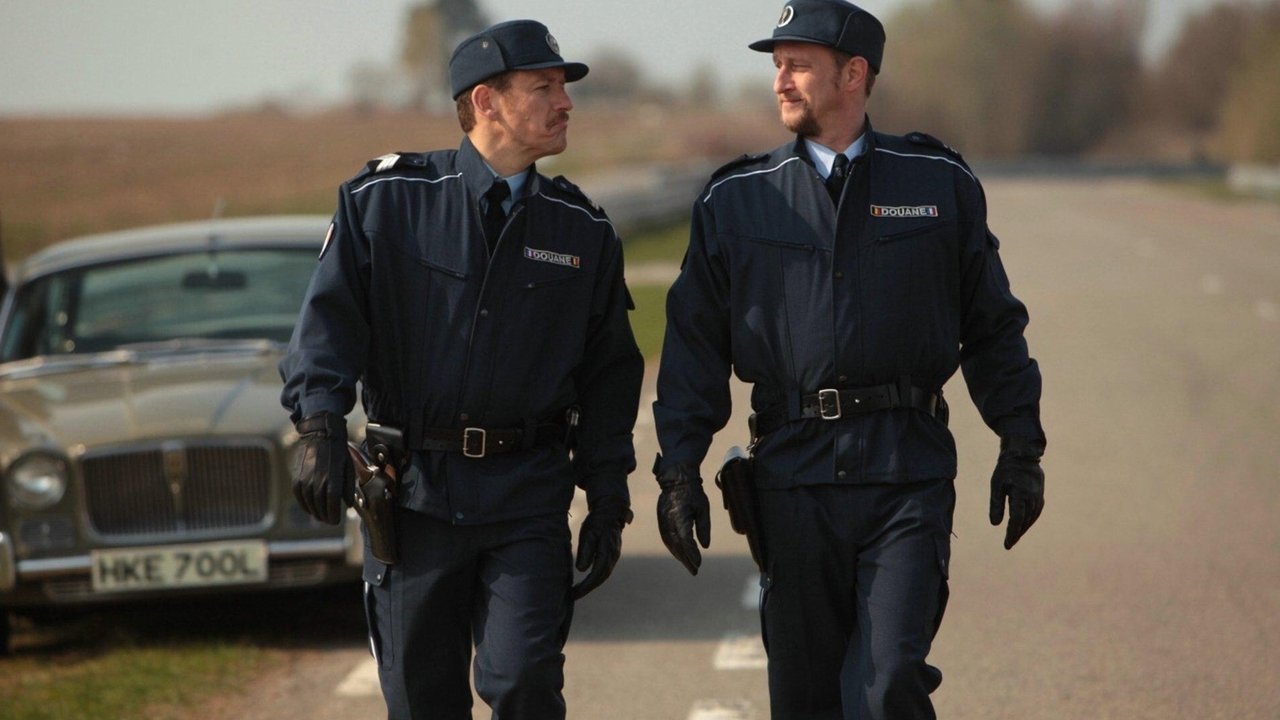
On the other side of the line is Mathias Ducatel, played by Dany Boon, who also directed the film. Mathias is a mild-mannered French officer who is secretly dating Ruben’s sister, Louise (Julie Bernard). To get on Ruben’s good side, Mathias volunteers to join a new "international mobile brigade"—basically a two-man border patrol unit designed to catch drug smugglers in the now-borderless wilderness.
Watching these two squeezed into a beat-up, customized Renault 4 is pure comedic gold. The car itself is a character; it’s been modified to go 100mph but still looks like a corrugated garden shed on wheels. The Renault 4 is the real MVP of the 1990s. The physical comedy here leans heavily into the "clown" tradition of French cinema, where every double-take is exaggerated and every crash is loud.
A Period Piece for the Pre-Digital 90s
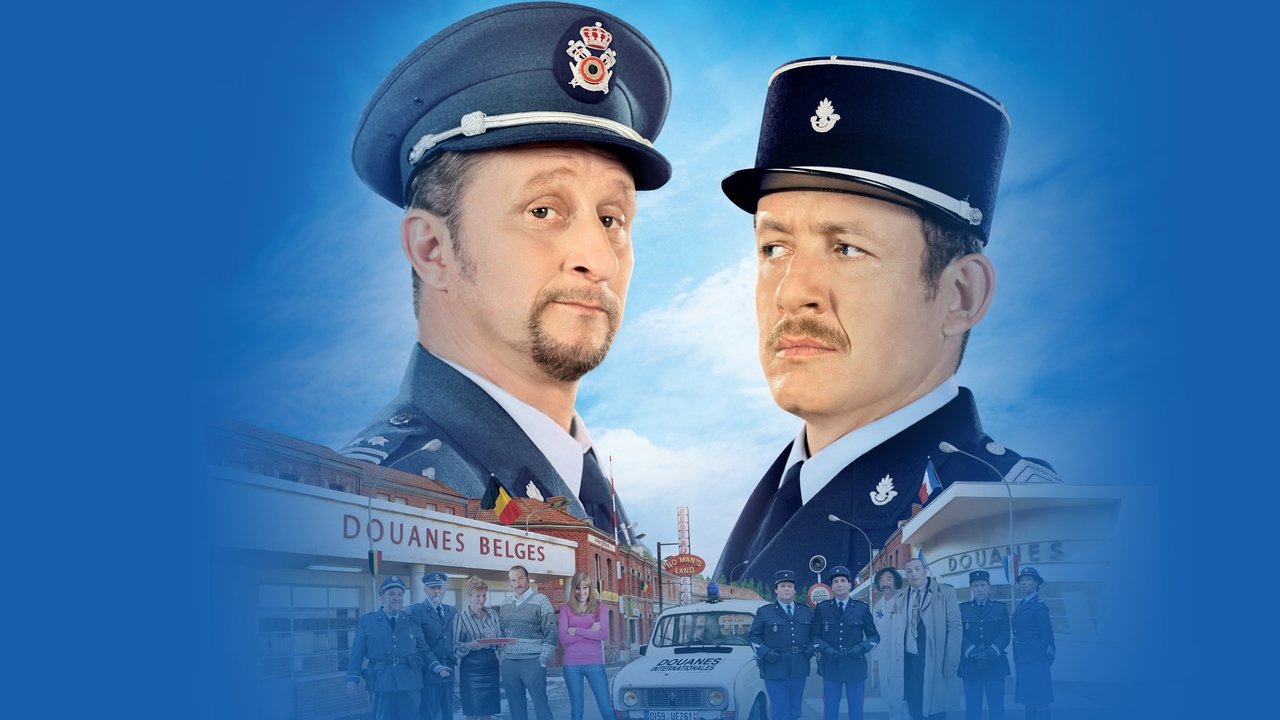
Though released in 2010, the film is a love letter to the awkwardness of the early 90s. This was the era of the transition from analog to digital, and you can feel the tactile nature of the production. The sets in the border town of Courquain feel lived-in and grimy. There’s a wonderful bit of production trivia: the crew actually had to rebuild parts of the border post because the real ones had been demolished years prior when the borders actually opened.
Looking back from our current vantage point, where we carry the world’s knowledge in our pockets, there’s something quaint about a movie where the primary conflict involves a "No-Man's Land" between two bars. The film captures that Y2K-adjacent anxiety—the fear that as the world gets "smaller" and more connected, we might lose our hyper-local identities. Xenophobia is rarely this cuddly, and Dany Boon manages to poke fun at nationalistic fervor without making the movie feel like a political lecture. He’s leaning into the success he had with Welcome to the Sticks (Bienvenue chez les Ch'tis), another film about cultural misunderstandings that absolutely dominated the French box office a few years prior.
Why It Vanished from the Conversation
So, why haven't you heard of it? Nothing to Declare was a massive financial success in Europe, raking in nearly $94 million on a $28 million budget, but it barely made a ripple in North America. Part of that is the language barrier, but mostly it’s the cultural specifics. The jokes are deeply rooted in the "Belgian vs. French" rivalry—a dynamic that is to Europeans what the "Canada vs. USA" or "New Zealand vs. Australia" dynamic is to the rest of the world.
If you aren't familiar with the stereotype that Belgians are obsessed with fries and that the French are arrogant about their language, some of the subtext might fly over your head. But the physical comedy? That’s universal. There’s a scene involving a drug raid and a very unfortunate misunderstanding with a bag of flour that had me laughing so hard I nearly choked on a mussel shell.
The film does suffer from a bit of 2010s "bloat"—at 108 minutes, the romantic subplot between Mathias and Louise can feel like it’s dragging the anchor while the comedy is trying to sail. But every time it slows down, Benoît Poelvoorde does something insane with his eyes, or a car explodes, and you're right back in it. It’s a reminder of a time when comedies had decent budgets and didn’t feel like they were shot on a green screen in a Burbank basement.
It’s not a deep philosophical treatise on the nature of sovereignty, but it is a hell of a lot of fun. If you’re looking for a hidden gem from the transition era of modern cinema—something that feels like a big-budget studio comedy but retains a quirky, European soul—this is it. Just make sure you have some bread for your mussels before you hit play. You're going to want to stick around for the end credits just to see the outtakes of the cast breaking character; you can tell they were having way more fun than the law should allow.
Keep Exploring...
-
Welcome to the Sticks
2008
-
R.A.I.D. Special Unit
2017
-
Taxi 4
2007
-

Heartbreaker
2010
-
Bandidas
2006
-
Smokin' Aces
2006
-
Little Nicholas
2009
-

LOL (Laughing Out Loud)
2009
-

Asterix: The Mansions of the Gods
2014
-

Samba
2014
-

A Lot Like Love
2005
-
Are We There Yet?
2005
-

Casanova
2005
-

Guess Who
2005
-

Ice Princess
2005
-
The Family Stone
2005
-

The Sisterhood of the Traveling Pants
2005
-

The Weather Man
2005
-

The Wedding Date
2005
-

Valiant
2005