Prince of Persia: The Sands of Time
"One Dagger. One Prince. A lot of sand."
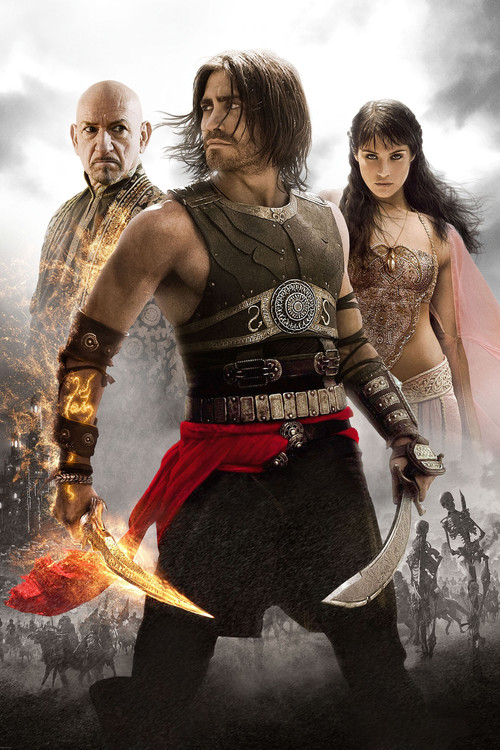
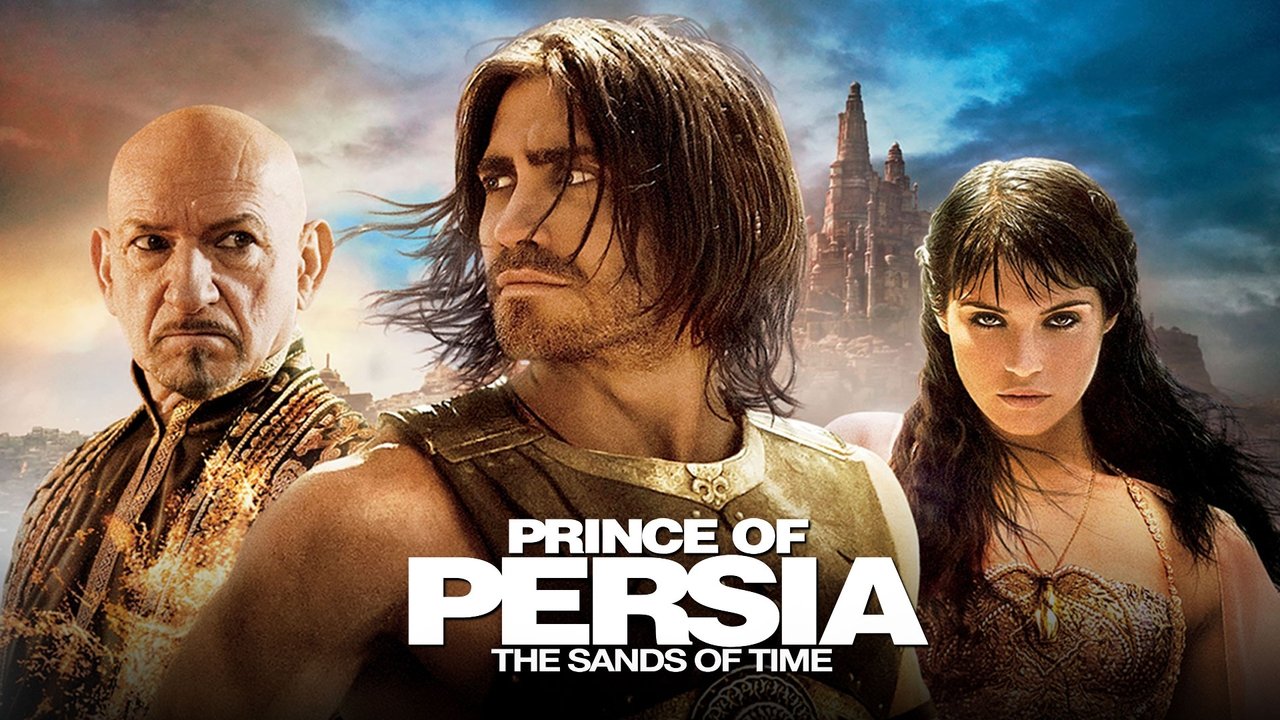
In the summer of 2010, the Hollywood machine was sweating. The industry was frantically trying to figure out how to replicate the "lightning in a bottle" success of Pirates of the Caribbean, searching for any property that could be turned into a swashbuckling, CGI-heavy franchise. Enter Jake Gyllenhaal, sporting a British accent, a luscious mane of hair, and enough tanned muscle to make a fitness influencer weep. Prince of Persia: The Sands of Time wasn’t just a movie; it was a $200 million bet that video game adaptations could finally graduate from the bargain bin to the A-list.
I recently re-watched this on my laptop while eating a bowl of grapes that were slightly too mushy, and oddly enough, that soft texture matched the "mushiness" of the film's middle act. But looking back at it now, through the lens of our current superhero-saturated landscape, there’s something almost quaint and earnest about this production. It’s a loud, sandy, energetic relic of a time when Disney thought they could just throw a magic dagger at a wall and see if a billion dollars stuck.
The Art of the Persian Parkour
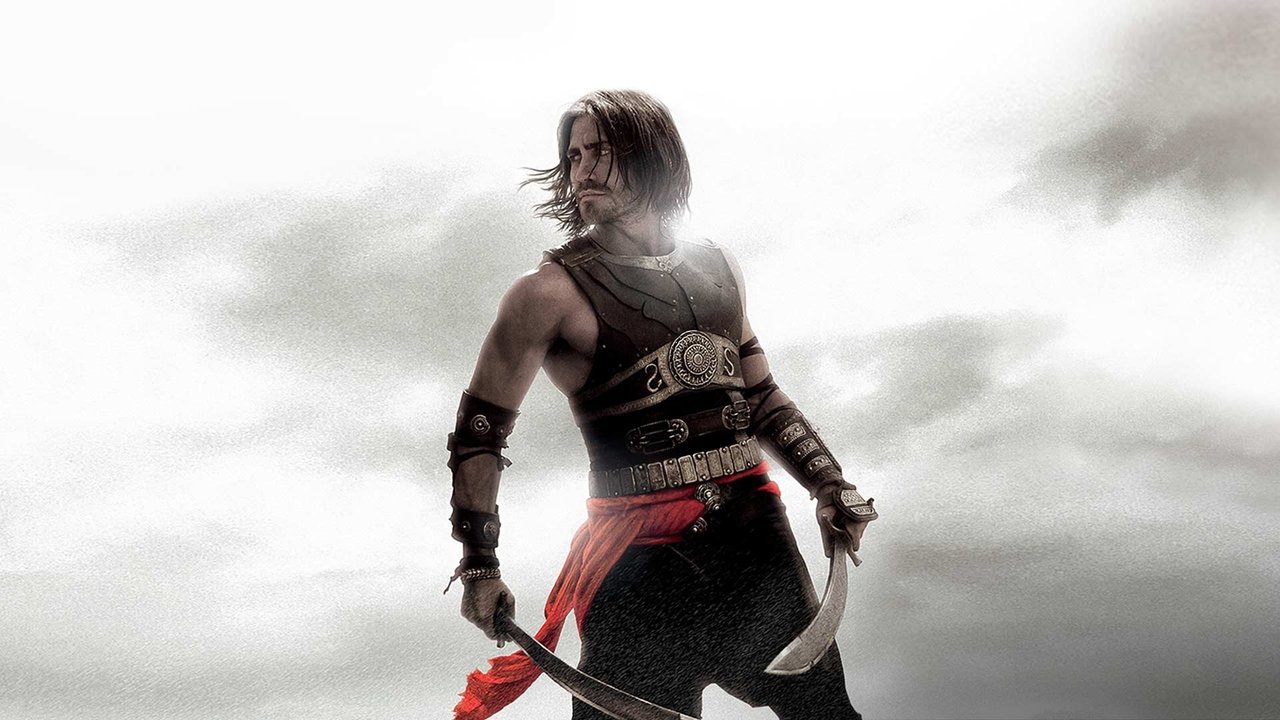
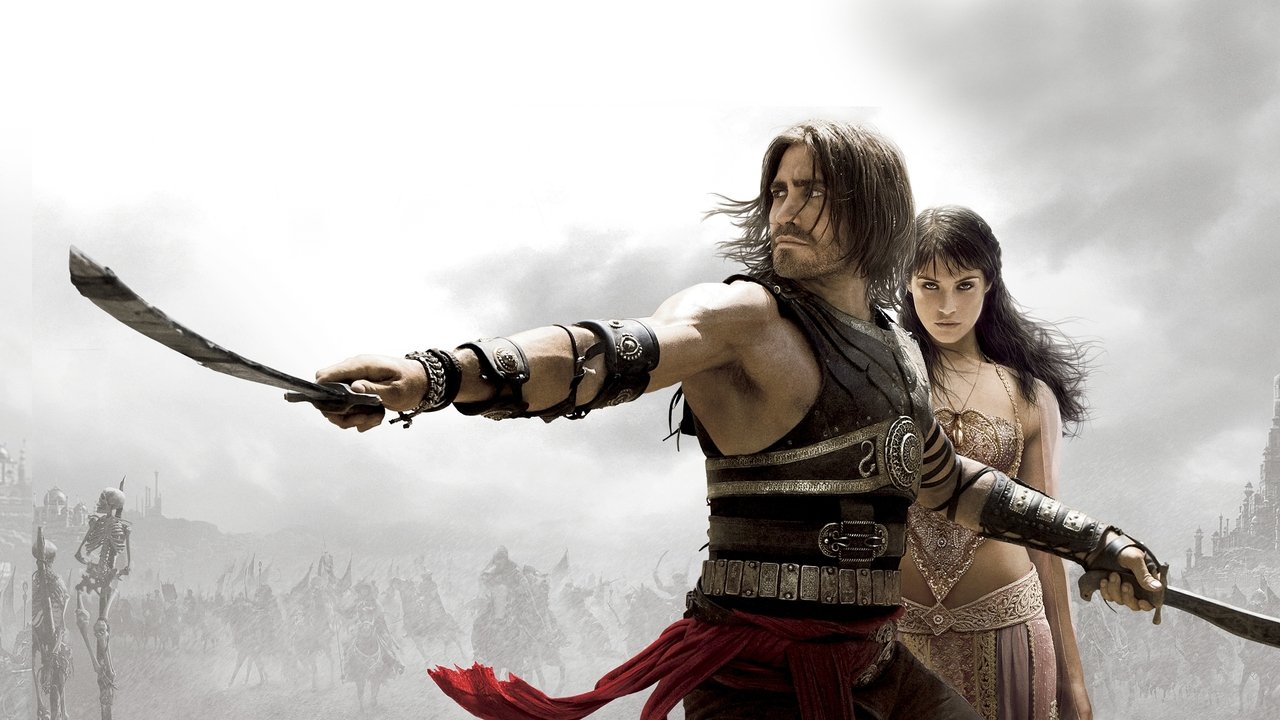
One thing you have to give the film credit for is its commitment to the "Prince of Persia" DNA: movement. Before the MCU turned every fight into a green-screen blur of energy beams, director Mike Newell (fresh off Harry Potter and the Goblet of Fire) tried to ground the action in physical agility. The film hired David Belle—the literal inventor of Parkour—to choreograph the rooftop chases.
Watching Jake Gyllenhaal (as Dastan) leap across the fictional city of Alamut is genuinely fun. The stunt work has a weight to it that feels increasingly rare. There’s a specific rhythm to the set pieces—run, jump, wall-kick, sword-clash—that mirrors the flow of the Ubisoft games without feeling like a literal "playthrough." Jake Gyllenhaal clearly put in the work; he’s doing a significant amount of his own stunt work here, and his physicality carries the movie through its more clunky expository bits. Ben Kingsley looks like he’s judging his own agent in every single frame, but even his bored gravitas can't dampen the energy of a well-timed rooftop leap.
A Masterclass in 2010 Excess
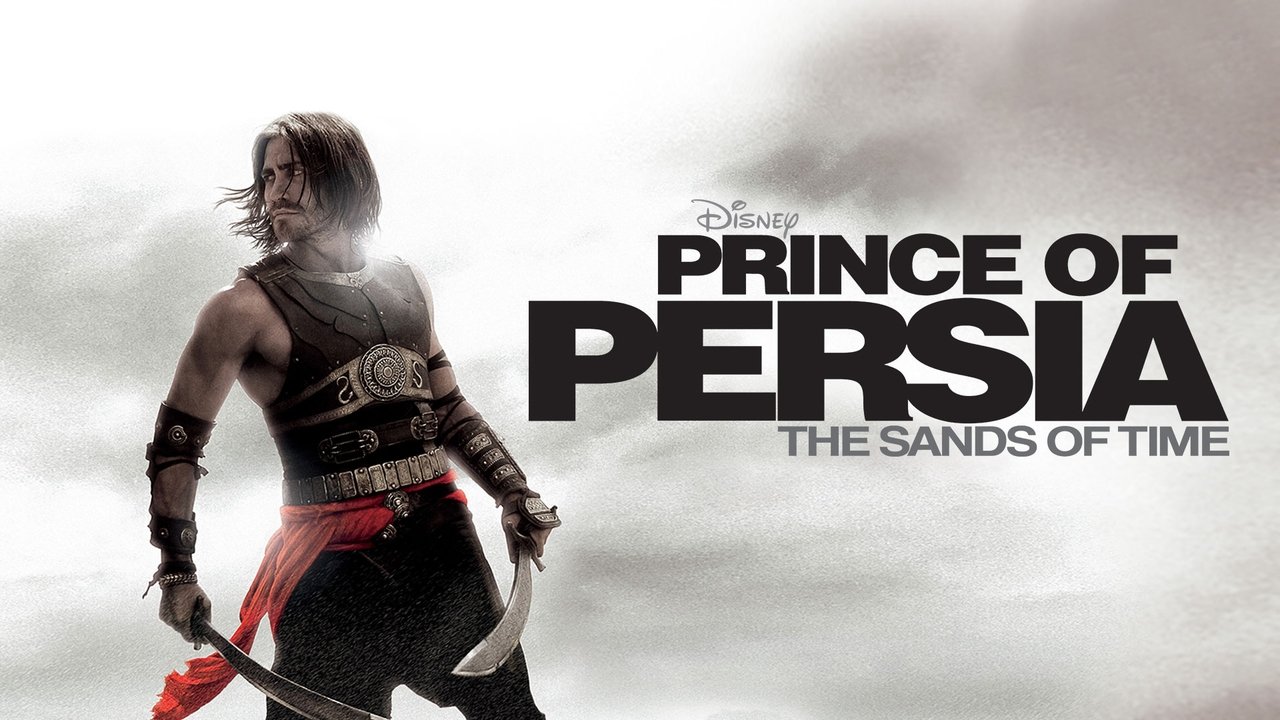
The production design is where that $200 million budget really screams at you. They didn't just build a set; they built a world. Shot largely in Morocco, the film avoids the claustrophobia of modern "volume" filming. You can feel the heat, the dust, and the scale. The costume department reportedly created over 7,000 pieces of clothing for the film. That’s a staggering amount of silk and leather for a movie where the main character spends half the time with his shirt off.
Then there’s the CGI. At the time, the "Sands of Time" effect—where the world dissolves and rewinds around the wielder of the Dagger—was a massive technical flex. Looking at it now, it’s a fascinating snapshot of the digital transition. Some of the sand-monsters look a bit "PlayStation 3 cinematic," but the golden, swirling light of the time-travel sequences still has a certain magic. It’s ambitious digital artistry that hasn't aged perfectly, but you can see the sweat behind the pixels.
The Cult of the Misunderstood Flop
While the film was a "financial disappointment" (it made money, just not Avatar money), it has developed a sturdy cult following among those of us who miss the standalone adventure epic. Gemma Arterton, as Princess Tamina, brings a sharp, acidic chemistry to her scenes with Dastan that elevates the "bickering lovers" trope. And we have to talk about Alfred Molina as Sheik Amar. He is having the time of his life as a tax-dodging ostrich-racing enthusiast. Apparently, Alfred Molina became so attached to the ostriches on set that he’d talk to them between takes, which is the kind of wholesome trivia that makes the movie impossible to hate.
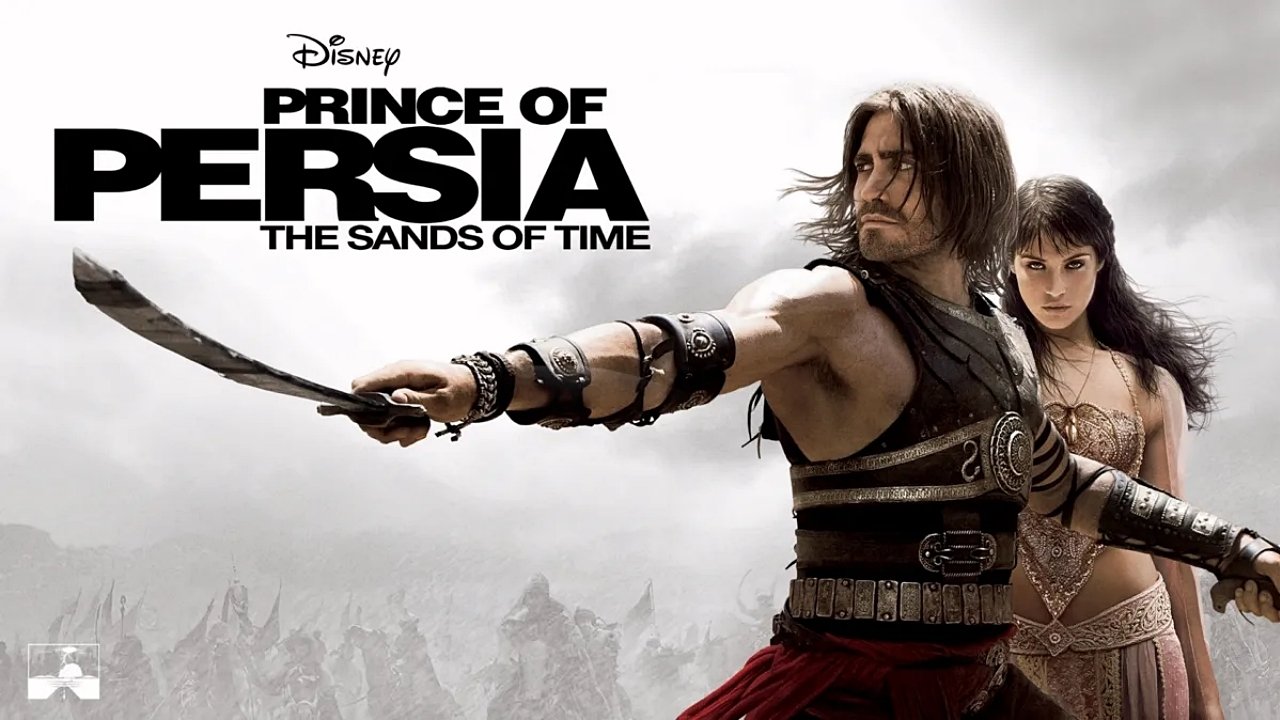
The elephant in the room—the casting of a very white ensemble to play Persian royalty—remains the film’s biggest hurdle for modern audiences. It was a choice that even then felt outdated, a remnant of a studio mentality that believed a "star" was more important than authenticity. It’s a flaw that tethers the movie to its era, preventing it from being a timeless classic, but it also serves as a marker of how much the industry conversation has shifted in the years since.
Ultimately, Prince of Persia: The Sands of Time is a "comfort food" movie. It doesn’t want to change your life; it just wants to show you a guy doing a cool flip while holding a magic knife. It’s a polished, expensive, slightly goofy adventure that works best when you don't think too hard about the mechanics of the plot. Disney basically tried to turn Donnie Darko into Aladdin, and honestly, the math almost worked. If you’re looking for a breezy way to kill two hours, you could do a lot worse than watching Jake Gyllenhaal defy the laws of physics and the limitations of his own hair gel.
Keep Exploring...
-
The Sorcerer's Apprentice
2010
-
10,000 BC
2008
-

Wrath of the Titans
2012
-
The Mummy: Tomb of the Dragon Emperor
2008
-
Night at the Museum: Battle of the Smithsonian
2009
-
Thor
2011
-
Brave
2012
-
Jack the Giant Slayer
2013
-
The Brothers Grimm
2005
-
Pirates of the Caribbean: On Stranger Tides
2011
-
Season of the Witch
2011
-
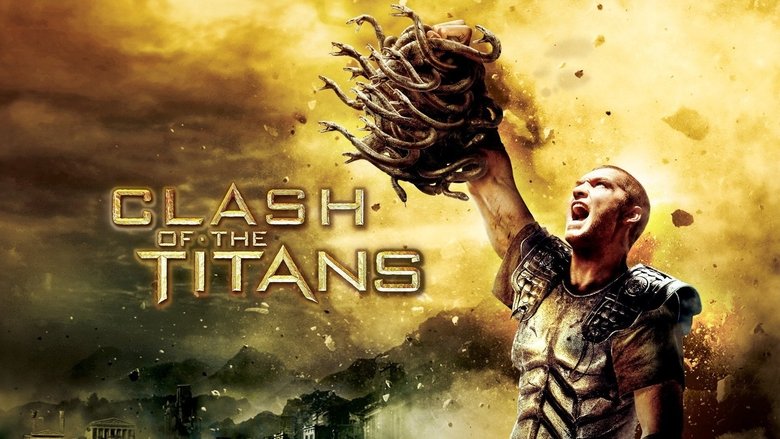
Clash of the Titans
2010
-
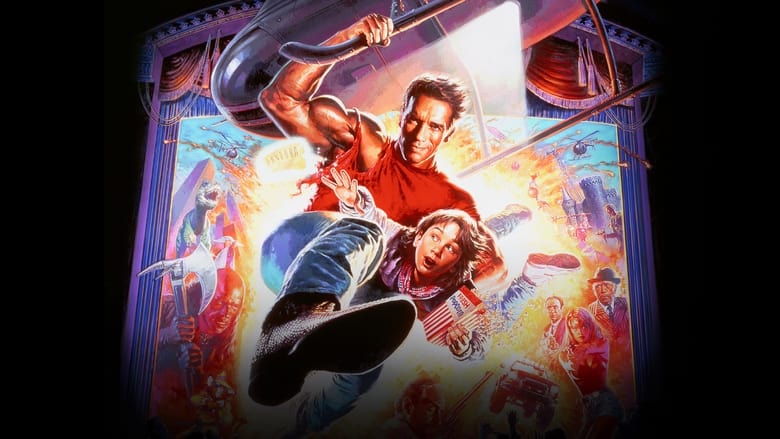
Last Action Hero
1993
-
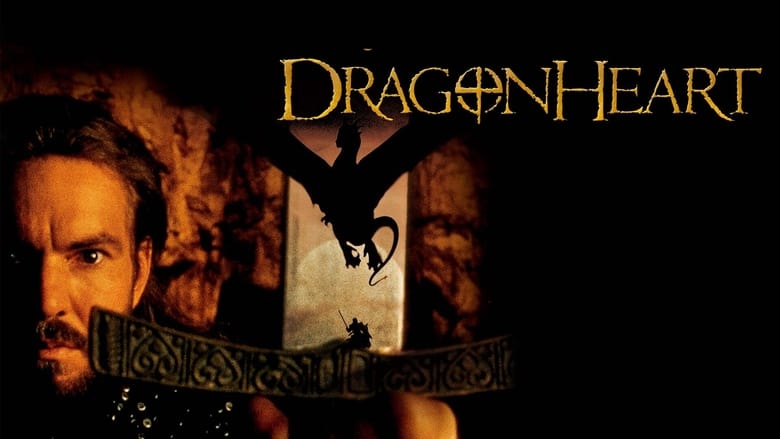
DragonHeart
1996
-
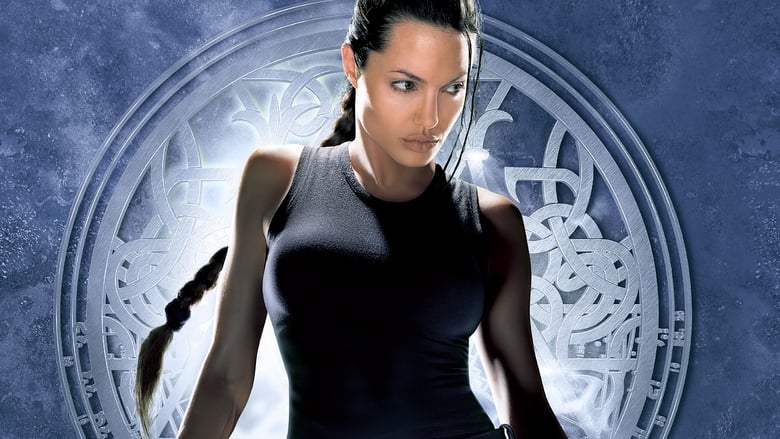
Lara Croft: Tomb Raider
2001
-
The Scorpion King
2002
-

Lara Croft: Tomb Raider - The Cradle of Life
2003
-

Sinbad: Legend of the Seven Seas
2003
-

Small Soldiers
1998
-
Reign of Fire
2002