Repo Men
"Life is a lease, and the rent is due."
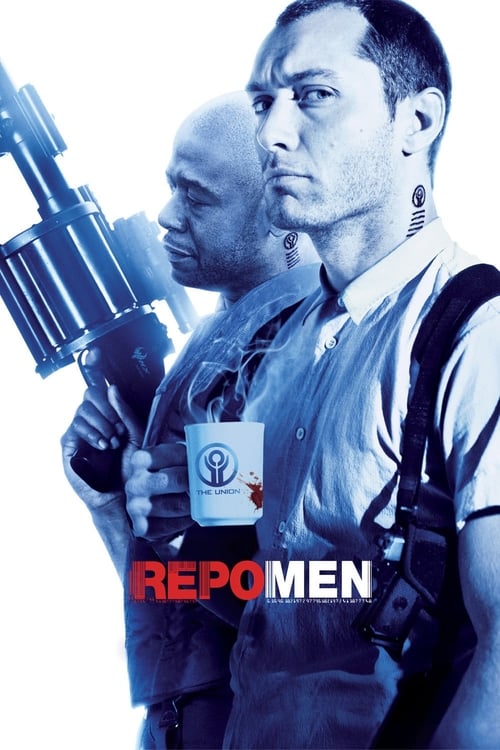
I once watched Repo Men on a laptop while trying to assemble a flat-pack IKEA desk, and the rhythmic whirring of my cordless drill kept syncing up perfectly with the sound of the organ-scanning devices on screen. It was unnerving. Every time I tightened a cam lock, I felt like Jude Law was about to burst through my door and demand a kidney.
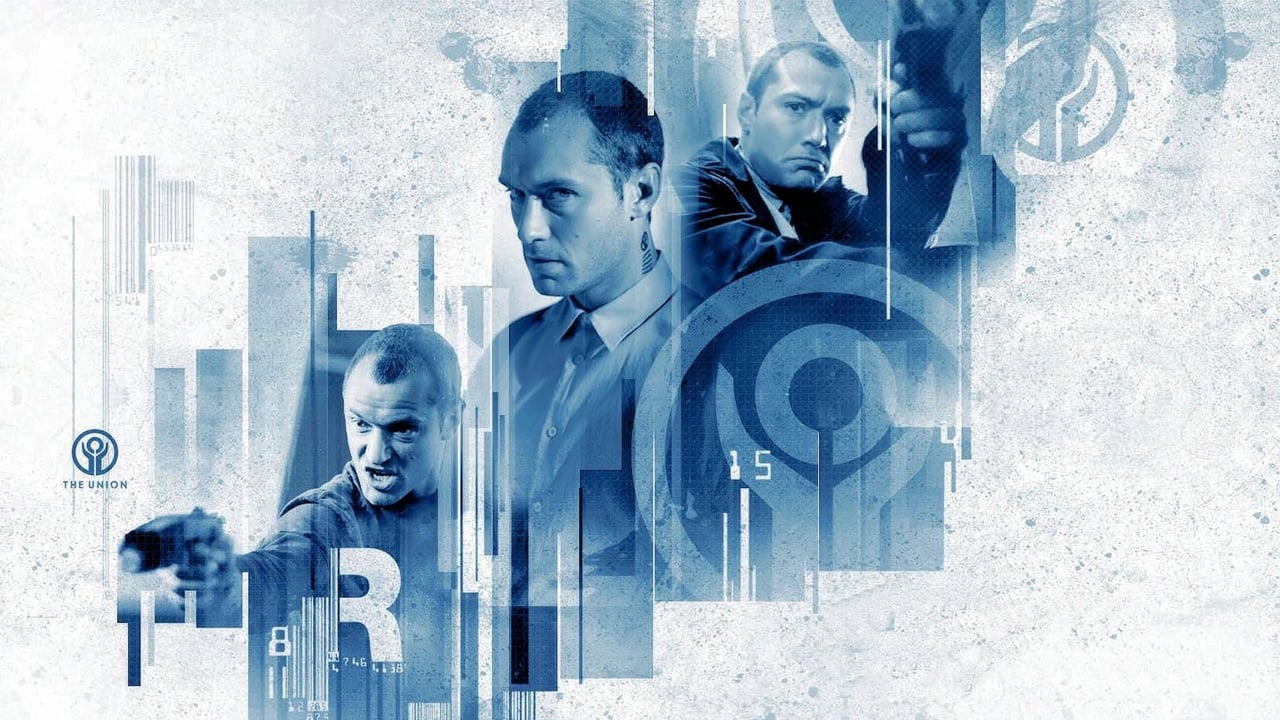
Released in 2010, Repo Men arrived at a strange crossroads in cinema. We were shaking off the jittery "shaky-cam" obsession of the mid-2000s and moving into a more polished, high-contrast digital look. Directed by Miguel Sapochnik—who would later become the mastermind behind Game of Thrones’ most massive battles—this film is a weird, cynical, and surprisingly bloody satire of the American credit crisis wrapped in a sci-fi skin.
The Debt-Collector's Dilemma
The premise is gloriously grim: in the near future, if your heart, liver, or lungs fail, you don't go on a waiting list. You go to The Union. They’ll sell you a top-of-the-line mechanical replacement called an "Artiforg." The catch? They come with high interest rates and a ruthless repossession policy. If you fall ninety days behind on your payments, a repo man will find you, tase you, and cut the organ out right there on your living room floor.
Jude Law plays Remy, the best in the business. He treats organ harvesting like a high-volume sales job, complete with coffee breaks and banter with his partner, Jake, played by a delightfully unhinged Forest Whitaker (who recently starred in The Last King of Scotland). The early scenes are arguably the best parts of the movie; they have this pitch-black comedic energy where the agents treat human bodies like repossessed Toyotas. The movie is basically a blood-soaked credit card commercial gone wrong.
Of course, the hunter eventually becomes the hunted. After a freak accident involving a faulty heart-defibrillator, Remy wakes up with a top-of-the-line Artiforg heart and a massive debt he can’t pay. Suddenly, he's seeing the world from the perspective of the "debtors" he used to butcher.
A Hallway of Blood and Chrome

While the plot follows some fairly predictable "company man turns rebel" tropes, the action choreography is where Miguel Sapochnik shows his future potential. There is a specific hallway fight near the end of the film that is a clear homage to Oldboy (2003), but with more surgical tools. It’s a grueling, messy, and rhythmic sequence that highlights the film’s practical effects. In an era where CGI was starting to make action feel weightless, the squelchy, tactile nature of the gore here feels refreshingly gross.
The supporting cast helps carry the weight when the script starts to wobble. Liev Schreiber (who many know from Ray Donovan or X-Men Origins: Wolverine) plays Frank, the corporate face of The Union. He’s the kind of villain who never raises his voice but makes you feel like your life is just a decimal point on a spreadsheet. He represents that post-2008 anxiety perfectly—the feeling that the real monsters aren't the guys with the knives, but the guys with the contracts.
Interestingly, the film was often compared to Repo! The Genetic Opera, a cult-classic musical with a nearly identical premise that came out just two years earlier. While Genetic Opera went full Gothic-camp, Repo Men tries to stay grounded in a gritty, industrial reality. It’s the "corporate-chic" version of the apocalypse.
The "What Were They Thinking?" Ending
I have to talk about the ending without spoiling it, because it is one of the most divisive "love it or hate it" moments in 2010s sci-fi. It’s a massive tonal shift that recontextualizes everything you’ve just watched. At the time, critics absolutely slaughtered the film for it, but looking back with a decade of distance, I find it gutsy. It’s a cynical, bleak punch to the gut that refuses to give the audience a standard Hollywood victory.
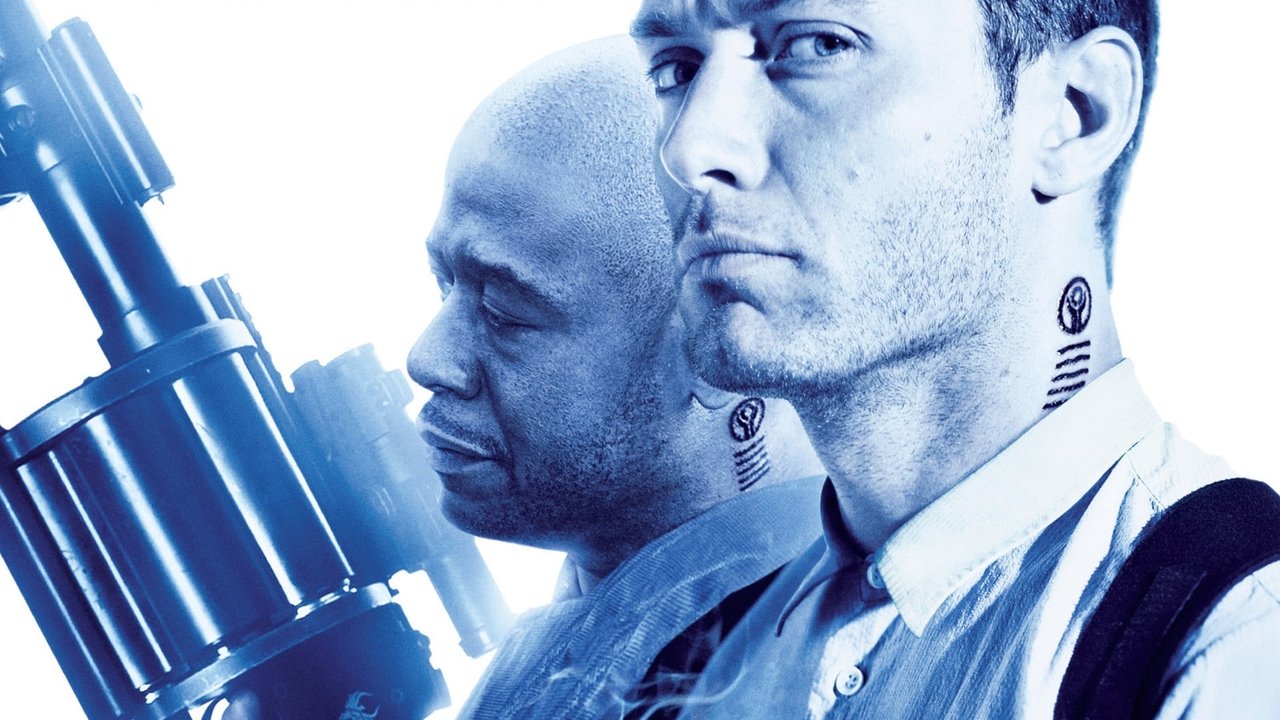
The trivia behind the scenes is just as messy as the film. It was based on the novel Repossession Mambo by Eric Garcia, and the production sat on a shelf for nearly two years before being released. You can see the evolution of the era’s tech anxiety; the "Artiforgs" are essentially the ultimate subscription service—a precursor to the modern fear of "software as a service" applied to our very DNA.
Despite failing at the box office, Repo Men has clawed its way into "cult-adjacent" status. It’s not a perfect film—it’s often too mean-spirited for its own good—but it has a visual style and a commitment to its grim premise that you just don't see in modern studio thrillers. Plus, seeing Forest Whitaker sing along to upbeat jazz while performing amateur surgery is a cinematic image that’s hard to shake.
Ultimately, Repo Men is a fascinating relic from the tail end of the "indie-inspired" studio era. It’s a film that tries to be a philosophical sci-fi, a buddy-cop comedy, and a gore-fest all at once. While it doesn't always stick the landing, it’s far more ambitious than the average $32 million thriller. If you can stomach the sight of a scalpel and have a healthy distrust of your bank, it's well worth a look. Just make sure your health insurance is paid up before you press play.


Keep Exploring...
-
RoboCop 2
1990
-
The Last Stand
2013
-
Push
2009
-

Riddick
2013
-

The Book of Eli
2010
-

Elysium
2013
-

Transporter 2
2005
-

Crank
2006
-
Death Race
2008
-
RocknRolla
2008
-

9
2009
-
Crank: High Voltage
2009
-
Pandorum
2009
-
Faster
2010
-

Colombiana
2011
-
The Mechanic
2011
-
Contraband
2012
-

Looper
2012
-
Man on a Ledge
2012
-

Premium Rush
2012