Rubber
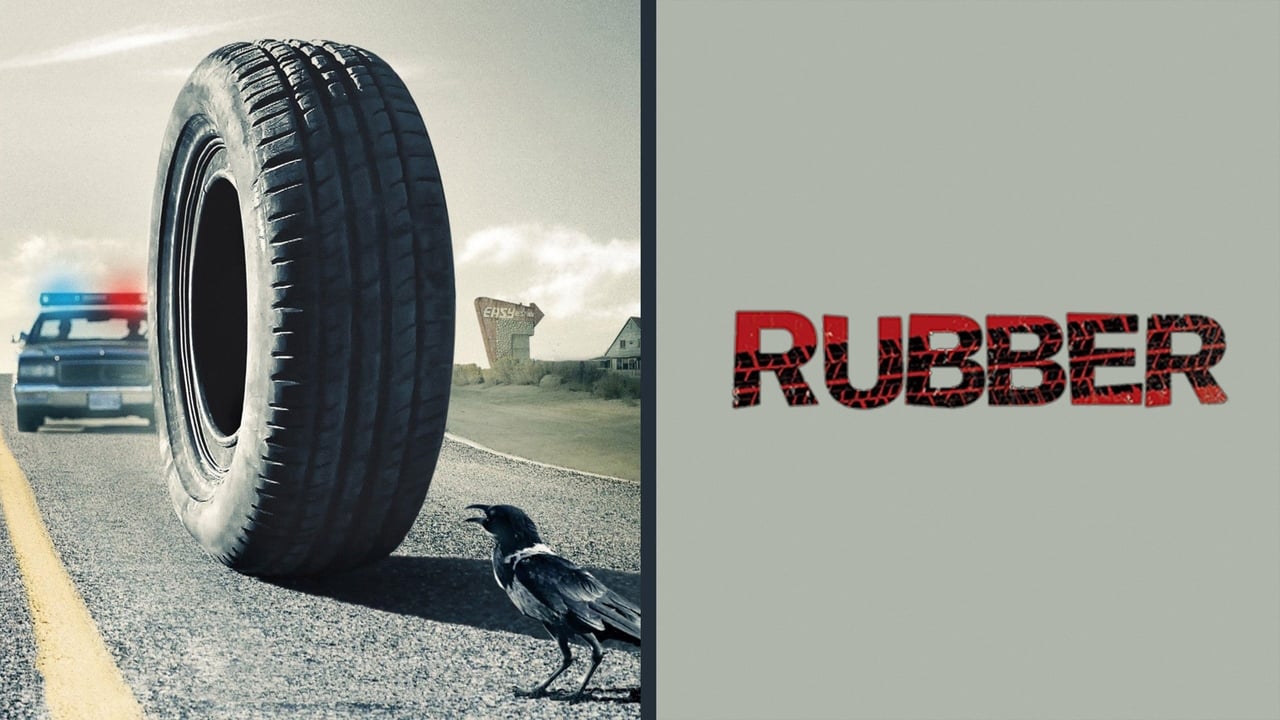
"He's out for a spin and out for blood."

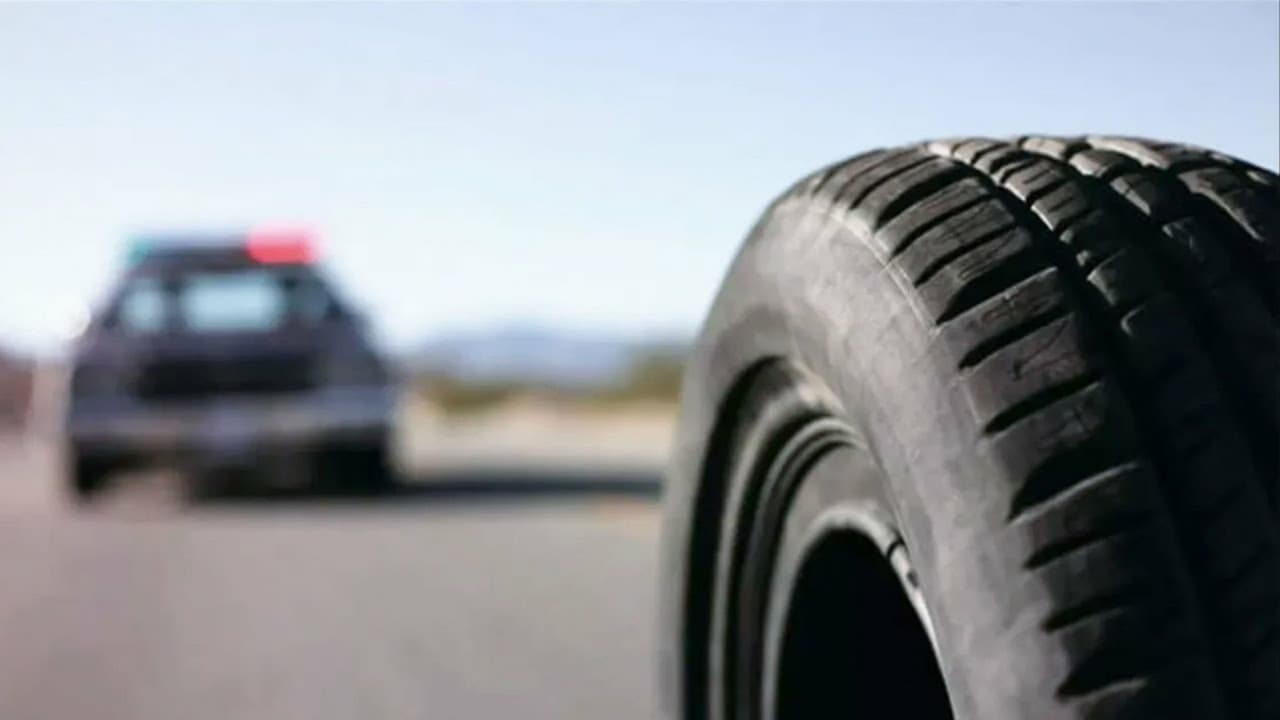
The film begins with a row of wooden chairs standing in the middle of a dusty California road. A sedan approaches, slowly knocking them over one by one, before Stephen Spinella (who played Chad) climbs out of the trunk to deliver a monologue directly to the camera about the philosophy of "No Reason." It’s a mission statement. Why is the alien purple in E.T.? No reason. Why do the characters in The Texas Chain Saw Massacre never go to the bathroom? No reason. It sets the stage for a film that refuses to explain itself, and frankly, I find that refreshing in an era where every cinematic universe needs a twenty-minute PowerPoint presentation on its lore.
I watched this on a Tuesday night while trying to ignore a lingering craving for Grape Crush soda, and by the time the credits rolled, I felt like my brain had been gently scrambled in the best possible way. Quentin Dupieux, the eccentric French mastermind behind the camera, isn't just making a movie about a killer tire; he’s making a movie about the act of watching a movie about a killer tire.
The Protagonist is Literally a Goodyear
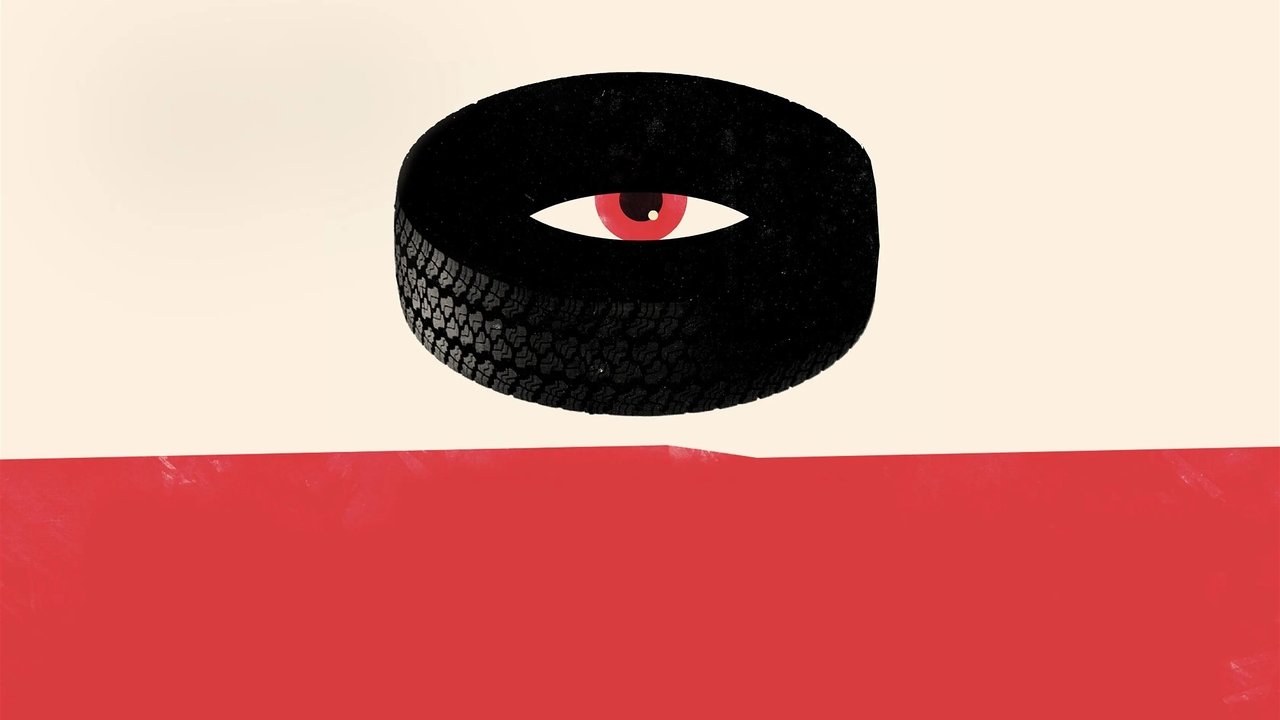
The star of the show is Robert. Robert is a tire. He wakes up in the sand, shakes off the dust, and learns how to stand upright. We watch his first tentative rolls, his discovery of his telepathic powers—which manifest as a vibrating hum that makes small animals and eventually human heads explode—and his burgeoning obsession with a girl played by Roxane Mesquida.
What’s genuinely shocking is how much personality Dupieux manages to squeeze out of a circular piece of rubber. Through clever camera angles and subtle puppetry, Robert feels like a sentient being. The tire has better comedic timing than most A-list actors currently headlining romantic comedies. It’s a testament to the era’s burgeoning digital ingenuity. While big studios were drowning their screens in muddy CGI, Dupieux was in the desert with a Canon EOS 5D Mark II—a high-end consumer still camera—proving that you could make a feature film look gorgeous on a shoestring budget.
A Meta-Commentary on the Audience
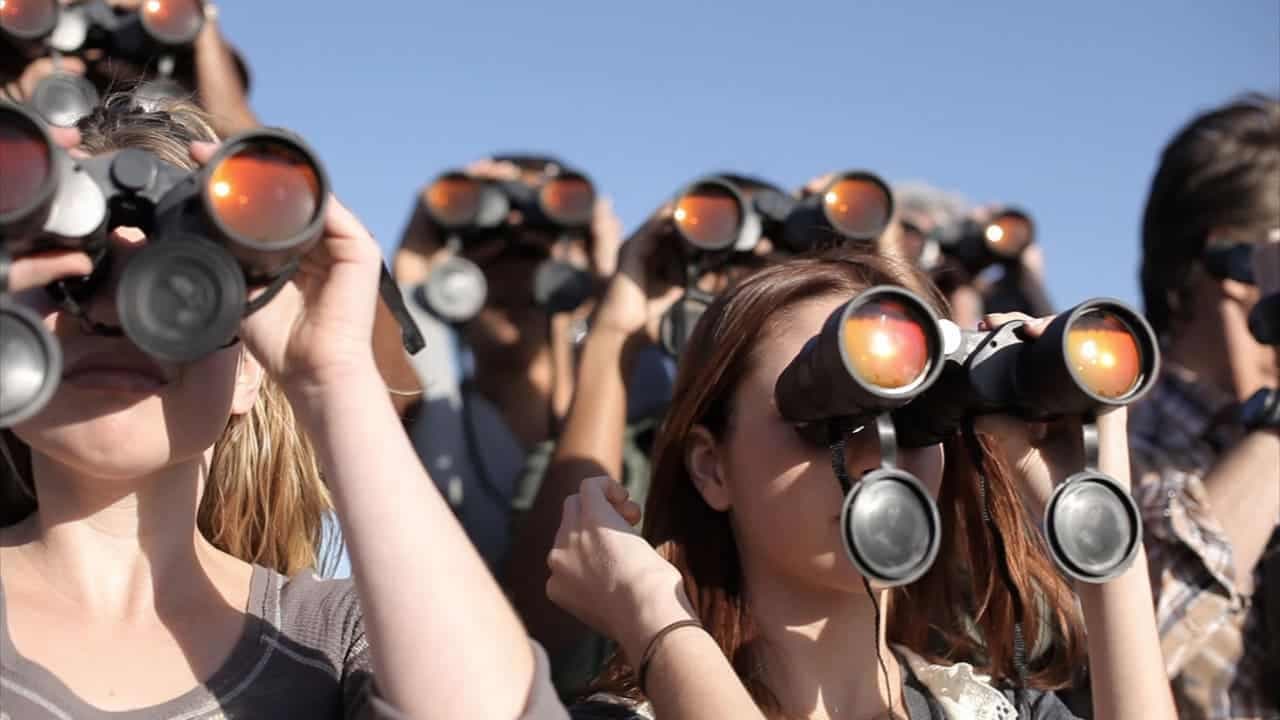
While Robert is busy popping heads like overripe melons, a group of "onlookers" sits on a nearby ridge watching the events through binoculars. They represent us, the audience. They are led by an Accountant (played with marvelous dry wit by Jack Plotnick) who eventually tries to poison them to end the "show."
This is where Rubber separates itself from being just another "so bad it's good" cult flick. It’s biting back at the viewer. It mocks our need for narrative structure and our bloodlust. At one point, Wings Hauser—a veteran of 80s B-movies—appears in a wheelchair as one of the spectators, serving as a living bridge between the grindhouse era and this new, weird digital frontier. The film constantly threatens to collapse under the weight of its own irony, yet it stays upright because it never stops being fun.
The Low-Budget Hustle
Knowing the backstory of Rubber makes the experience even better. Quentin Dupieux didn't just direct; he was the writer, the cinematographer, the editor, and he co-composed the synth-heavy score (you might know him as the electronic musician Mr. Oizo). This was the peak of the "DSLR Revolution." In 2010, the idea that you could shoot a theatrical-quality film on a camera you could buy at Best Buy was revolutionary.
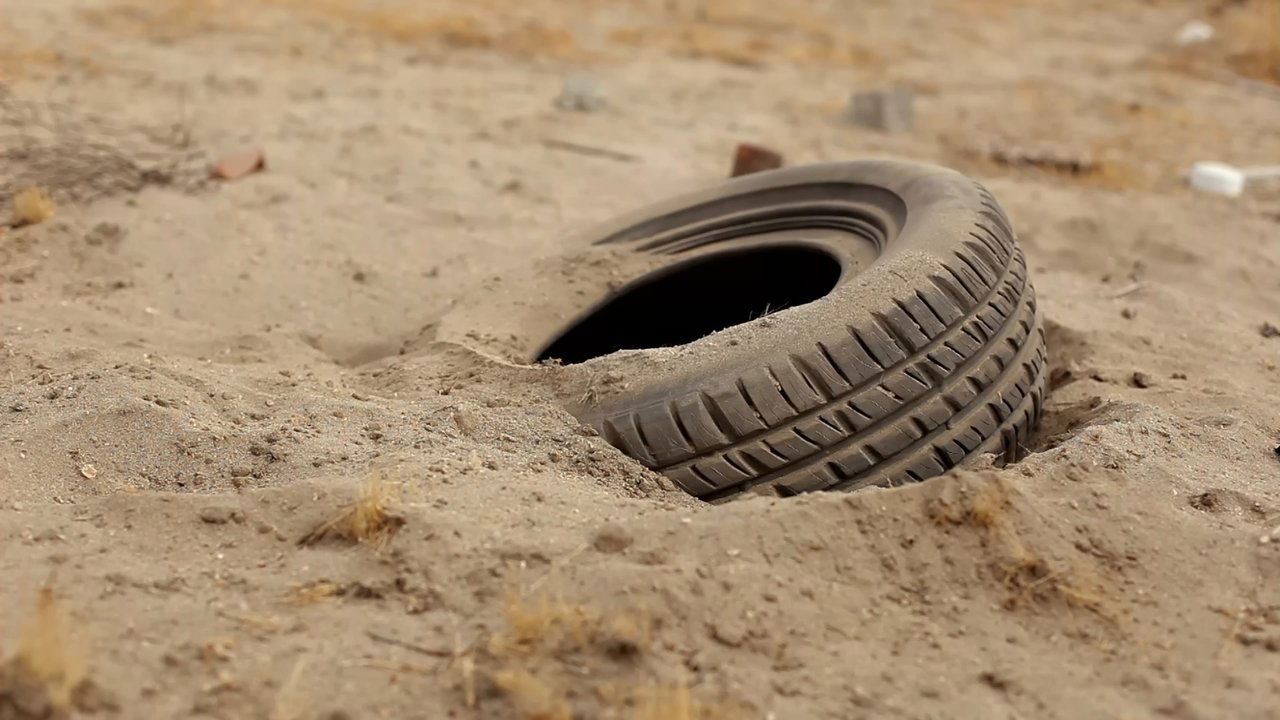
The production was a masterclass in independent resourcefulness. Because they couldn't afford complex robotics for the tire, most of the movements were achieved through remote-controlled motors hidden inside the rubber or literally just people off-camera throwing the tire into the frame. There’s a tactile, dusty reality to the film that you just don't get with digital effects. The blood squibs look like they were made in a high school chemistry lab, and that’s exactly why they work. It feels like a prank pulled by a very talented group of people who had $500,000 and a lot of free time in the desert.
Rubber is the kind of movie you show to friends just to see the look on their faces when the first rabbit explodes. It’s an eighty-minute dare that asks how much absurdity you’re willing to tolerate before you demand a "reason." Looking back from a decade later, it stands as a pivotal moment in the indie-digital boom, showing that vision trumps budget every single time. If you can handle a plot that goes nowhere by design and a protagonist who needs a balance alignment, it’s a ride worth taking. Just don't expect a refund if your head starts vibrating.
Keep Exploring...
-

Red Riding Hood
2011
-
After.Life
2009
-
Frank
2014
-
Session 9
2001
-
Inland Empire
2006
-

Sahara
2005
-
The Jacket
2005
-
The Skeleton Key
2005
-
Click
2006
-
Just My Luck
2006
-
Lady in the Water
2006
-
Ghost Town
2008
-

The Midnight Meat Train
2008
-
Untraceable
2008
-

17 Again
2009
-

Let Me In
2010
-

The Cabin in the Woods
2012
-
Inherent Vice
2014
-
The Cobbler
2014
-
The Voices
2014