Saw 3D
"The trap snaps shut in three dimensions."
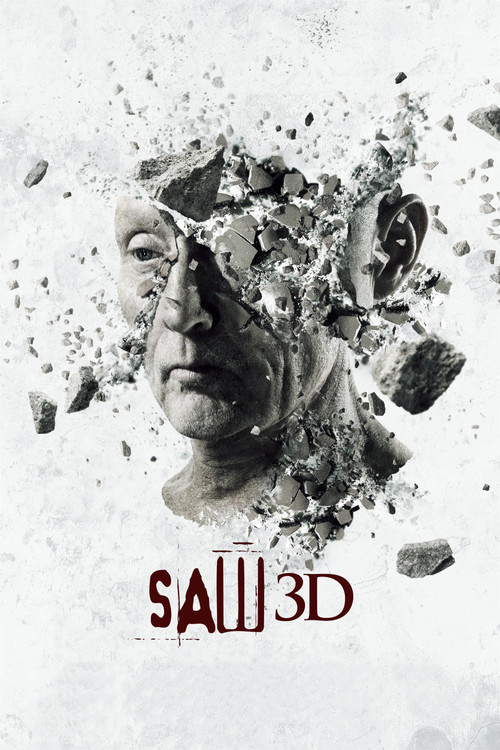
I remember sitting in a packed theater in 2010, peering through those chunky, uncomfortable plastic 3D glasses that always seemed to have a smudge right in the line of sight. At that point, the Saw franchise had become a cinematic clock; you could set your watch by it. Every October, like ritualistic clockwork, Jigsaw would return to punish the ungrateful. But by the time Saw 3D (or Saw: The Final Chapter, as the marketing desperately pleaded) arrived, the grimy, low-budget ingenuity of the 2004 original had been replaced by something much weirder: a high-gloss, neon-colored soap opera where the blood looked less like hemoglobin and more like strawberry syrup.
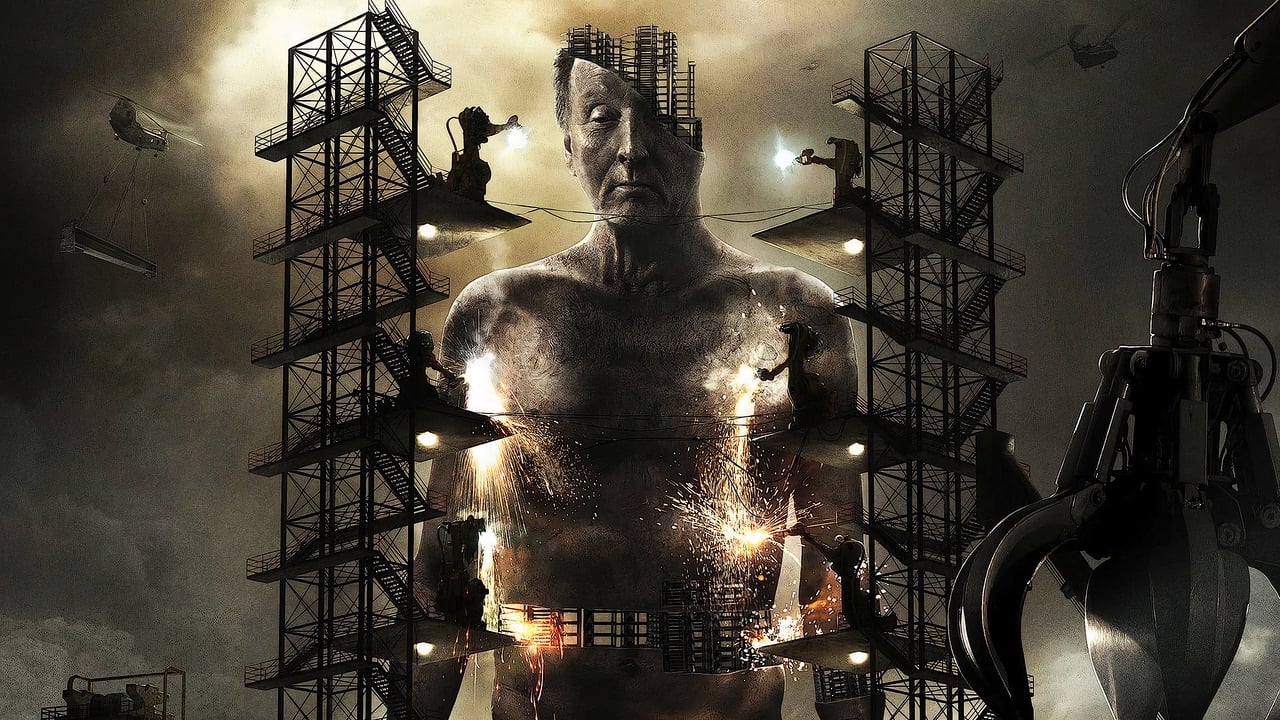
The Neon-Glow of the Third Dimension
Coming out just a year after Avatar shattered every box office record in existence, Saw 3D was a victim of its era’s technological obsession. Director Kevin Greutert—who was actually pulled away from directing Paranormal Activity 2 at the last minute due to a contractual "gotcha" by the producers—was tasked with filming in native 3D. This changed the entire visual language of the series. Gone was the sickly green-and-yellow color palette of the earlier entries. To make the 3D pop, they had to light the sets more brightly, and because of the way 3D cameras processed the color red, the fake blood had to be altered. The result? A film that looked like a neon-lit slaughterhouse sponsored by Pepto-Bismol.
Looking back, this film captures that specific 2010 moment when Hollywood believed every franchise needed depth—literally. I watched this while eating a bag of Sour Patch Kids so large it felt like a survival challenge in itself, and I vividly remember a piece of digital "shrapnel" flying toward the screen, making me flinch and drop a green gummy. That’s the Saw 3D experience in a nutshell: it’s a carnival ride, not a character study. It’s the "Modern Cinema" transition in its clumsiest form, moving away from the gritty 35mm film feel toward a digital, gimmicky aesthetic that hasn't aged particularly well, but certainly marks its place in time.
The Gospel of a Fake Survivor
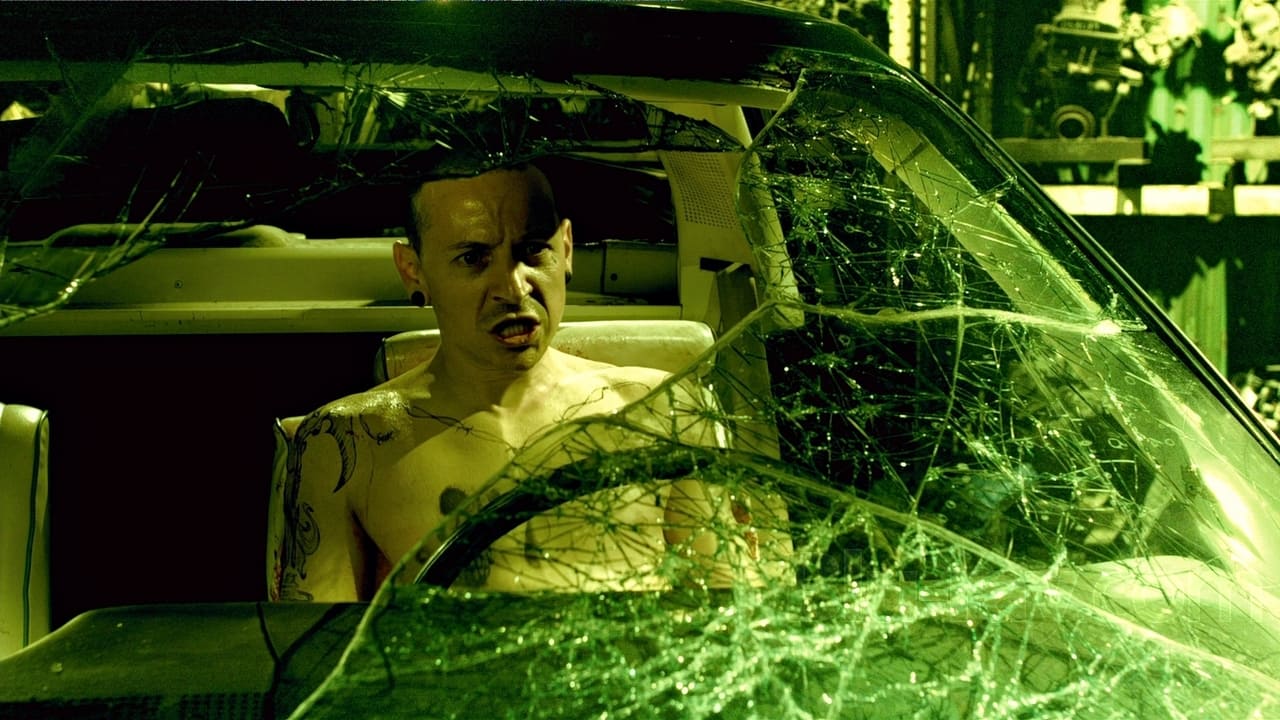
The plot introduces Sean Patrick Flanery (the Boondock Saints star looking appropriately haggard) as Bobby Dagen, a self-help guru who has built a career on surviving a Jigsaw trap. The catch? He’s a total fraud. He never went through the "work," and in the world of Jigsaw, that’s a one-way ticket to a warehouse filled with pulleys and sharp objects. Bobby’s journey through the "gauntlet" provides the film's structure, but by this point, the traps had become so elaborate they felt more like Rube Goldberg machines than actual tests of will.
While Bobby struggles, we get the culmination of the "Hoffman vs. Jill Tuck" saga. Costas Mandylor as Mark Hoffman remains a fascinating era-specific villain. He doesn't have the philosophical weight of Tobin Bell’s John Kramer; instead, Hoffman has the survival instincts of a cockroach and the personality of a brick wall. There’s something strangely admirable about how the writers, Marcus Dunstan and Patrick Melton, leaned into the "slasher" elements for this finale. Hoffman isn't trying to teach lessons anymore; he’s just a terminative force trying to tie up loose ends. The battle between him and Betsy Russell’s Jill Tuck feels like a horror-themed wrestling match, complete with the return of the iconic Reverse Bear Trap.
The Return of the Doctor
The biggest "watercooler" moment for fans in 2010 was the return of Cary Elwes as Dr. Lawrence Gordon. After years of lawsuits and rumors, seeing the man who started it all return to the screen was a genuine jolt. It’s a callback that feels earned, even if the "twist" regarding his involvement is something the internet had guessed back during Saw IV. It’s a classic example of the DVD culture and early online fandom influencing a franchise—producers knew exactly what the die-hard fans wanted to see, and they delivered it with a theatrical flourish.
Financially, the film was a massive success, raking in over $136 million. It proved that despite the "torture porn" fatigue critics kept talking about, the audience was still there. However, the production was famously rushed. You can see the seams where the 3D rigs made filming difficult, and some of the acting from the secondary trap victims is so hammy it belongs on a breakfast platter. Yet, there’s an infectious energy to it. It’s the sound of a franchise screaming its lungs out before going dormant (at least for a few years). The score by Charlie Clouser—the man responsible for that Pavlovian "Hello Zepp" theme—is as sharp as ever, providing the heavy lifting for the film's climax.
Saw 3D is a glorious mess that marks the end of horror’s most prolific decade. It’s a film that prioritizes "cool details" like the public execution trap (filmed in front of hundreds of real onlookers in Toronto) over logical consistency. It’s over-the-top, pink-blooded, and deeply silly, but it remains a essential artifact of the 3D boom. If you're a fan of the series, the ending provides a sense of closure that the later sequels would eventually undo, making this the true, messy finish to the original Hoffman era.

Keep Exploring...
-
Saw IV
2007
-

Saw V
2008
-
Saw VI
2009
-
Saw III
2006
-
Saw II
2005
-
Saw
2004
-
Saw X
2023
-

Jigsaw
2017
-
The Exorcism of Emily Rose
2005
-
Spiral: From the Book of Saw
2021
-
The Collector
2009
-
Final Destination 3
2006
-
The Hitcher
2007
-
Untraceable
2008
-
The Last House on the Left
2009
-
Deliver Us from Evil
2014
-
Mama
2013
-
Hannibal Rising
2007
-
I Spit on Your Grave
2010
-

I Spit on Your Grave 2
2013