Scott Pilgrim vs. the World
"Get the girl. Defeat her exes. Don't run out of lives."
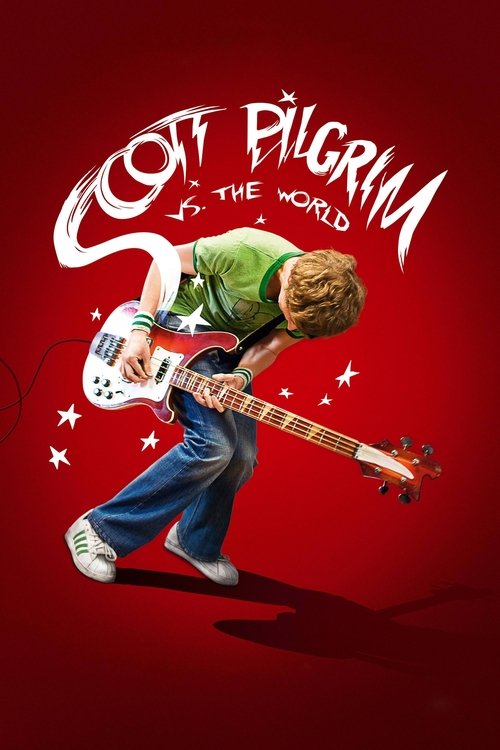
The first time I saw the Universal Pictures logo transform into a chunky, 8-bit pixelated glitched-out dream, I knew I was in for something that spoke my specific language. I watched this movie for the first time on a laptop in a dorm room while eating a bowl of cereal that had gone dangerously soggy, and even through that mediocre viewing experience, the energy was undeniable. Scott Pilgrim vs. the World isn't just a movie; it’s a sensory overload designed by someone who clearly spent too many Saturdays in an arcade.
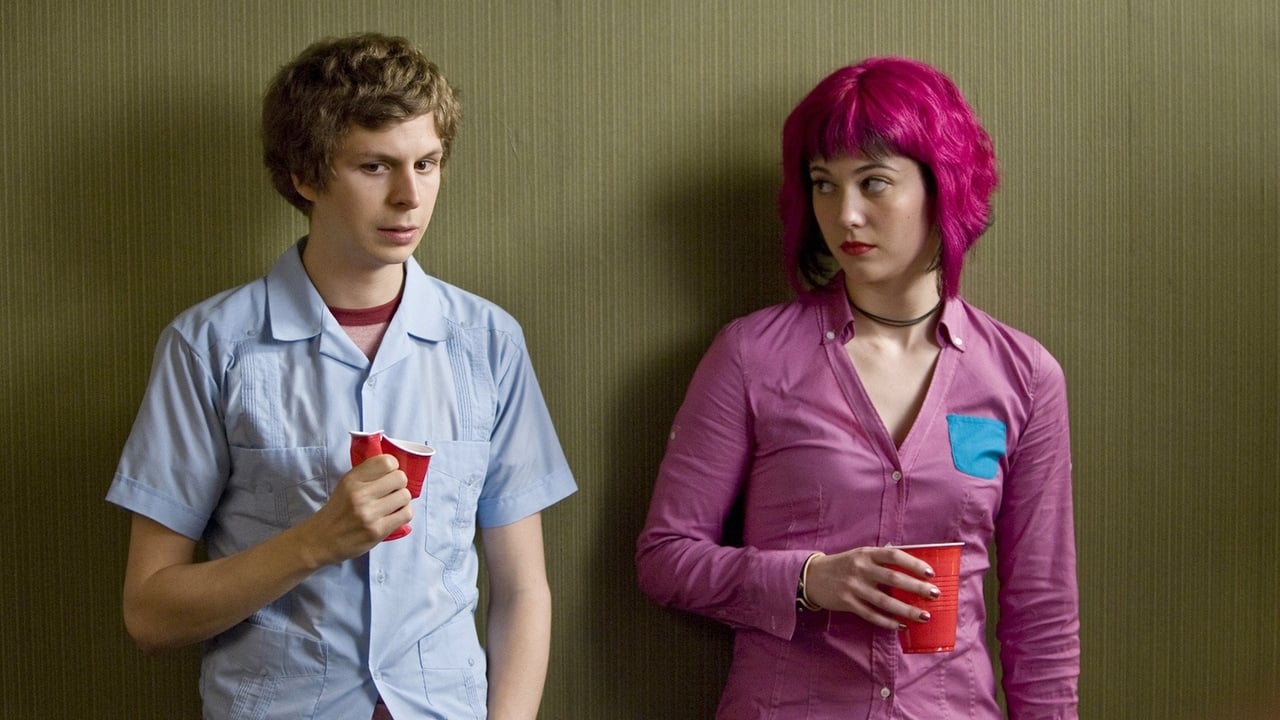
Directed by Edgar Wright, the film arrived in 2010 as a strange, hyper-kinetic hybrid. It’s a romantic comedy trapped inside a fighting game, wrapped in the aesthetic of a graphic novel. It was also, famously, a box office dud. It cost $73 million and barely scraped back $50 million during its theatrical run. But looking back from our current era of "everything is a franchise," Scott Pilgrim feels like a miracle of singular vision. It’s the ultimate cult classic of the digital transition era—a film that failed to find an audience in theaters but became a lifestyle for the generation that discovered it on Blu-ray and DVD.
A Visual Sugar Rush
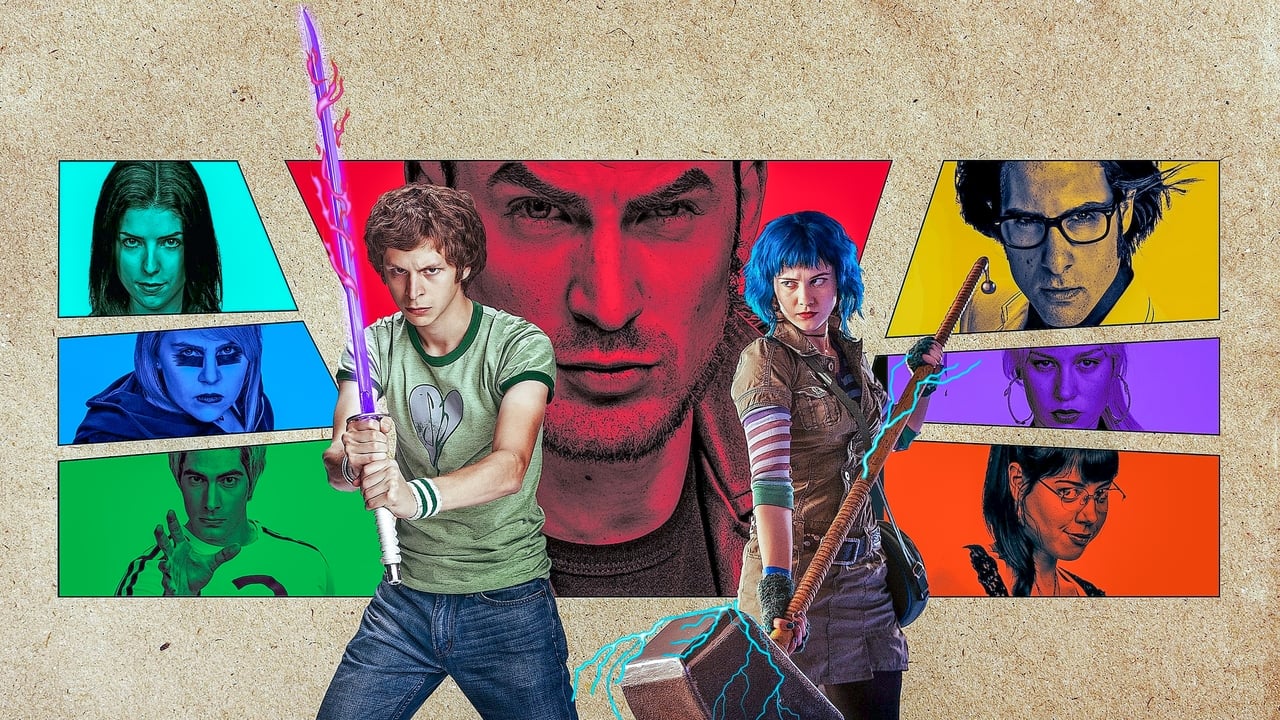
What strikes me most upon a rewatch is how Edgar Wright uses the camera as a joke-delivery system. Most action-comedies have "action scenes" and "comedy scenes." Here, they are the same thing. The fight choreography is handled with the precision of a musical—every punch and kick from Michael Cera (playing the titular Scott) feels like a beat in a song.
The action isn't just about the spectacle; it’s about the style. When Scott fights Matthew Patel, the first of the seven evil exes, the world literally shifts into a Bollywood-inspired dance-off/brawl. It’s glorious. I love how the film treats video game logic as physical law. Characters "level up," they burst into literal coins when defeated, and a "Pee Bar" appears on screen during a bathroom break. This movie is the only successful translation of video game language to cinema because it doesn't try to adapt a game—it adapts the feeling of being a gamer.
The stunt work is surprisingly heavy-duty for a "slacker" movie. The cast spent months training in martial arts, and while there’s plenty of CGI to help the transitions, the physicality is real. Apparently, Michael Cera and the rest of the cast had to practice for weeks to get the "Sex Bob-omb" band sequences to look authentic. They aren't just faking it; they actually learned to play the songs written by Beck specifically for the film. That commitment to the "bit" is what gives the film its heart.
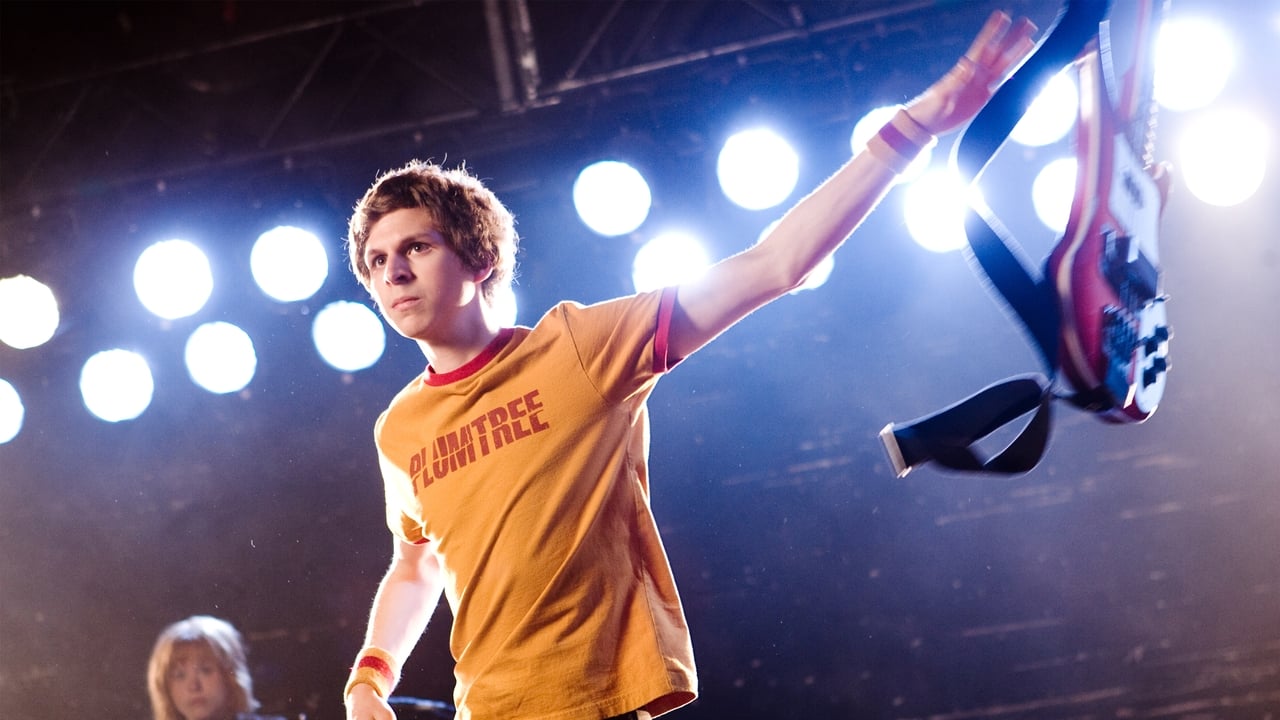
The Hero Who Is Kind Of A Jerk
Let’s talk about Scott. In 2010, we might have seen him as a quirky underdog. In 2024, Scott is clearly the villain of his own story for at least the first two acts. He’s dating Ellen Wong’s Knives Chau (who is a high schooler, a fact the movie rightfully treats as "not okay") while chasing after the mysterious Ramona Flowers, played with a perfect "I’ve seen it all" coolness by Mary Elizabeth Winstead.
Michael Cera’s performance is a masterstroke of casting against type. He uses his trademark awkwardness to mask a character who is actually quite selfish and flighty. It makes the ending—where he has to fight for "self-respect" rather than just "the girl"—actually mean something. The supporting cast is a literal goldmine of "before they were famous" talent. You’ve got Chris Evans as a hilarious, eyebrow-acting movie star, Brie Larson as a terrifying rock goddess, and Aubrey Plaza doing the best "constantly annoyed" performance of her career.
However, the secret MVP is Kieran Culkin as Wallace Wells. Every line he drops is a tactical strike. He’s the grounding force in a movie where people can fly and summon demon hipster chicks. I’ve found that my appreciation for the movie grows every time I notice a new background detail, like the way the number of the ex Scott is fighting is hidden in the set design (keep an eye on the "2" on Chris Evans’ trailer).
Why We’re Still Playing
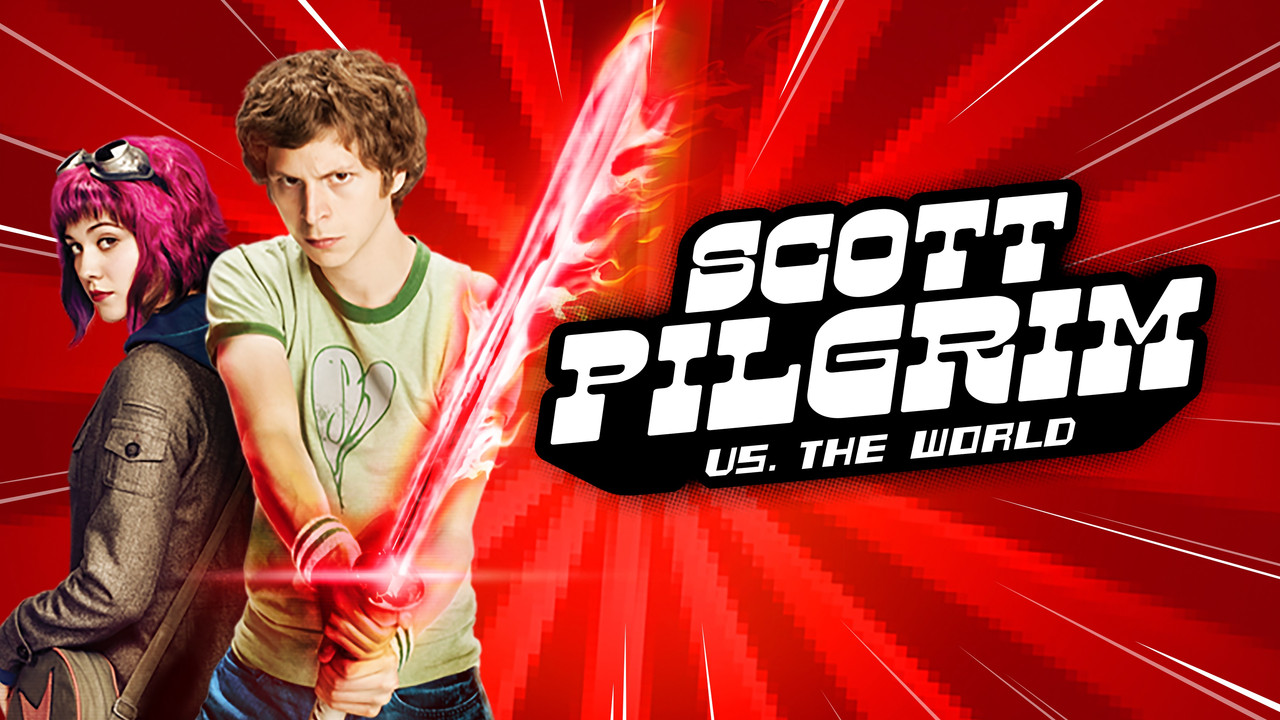
So, why did it flop? Maybe it was the marketing, or maybe 2010 wasn't ready for a movie that asked the audience to keep up with its breakneck editing. Looking back, this was a turning point for how we use CGI. It wasn't trying to be "realistic" like Avatar; it was using digital tools to be expressive and surreal. It’s a "Modern Cinema" artifact that has aged better than almost any of its contemporaries because its style is intentional, not just a byproduct of the tech available.
The "cult" status of this film is earned through sheer density. There is so much stuff in every frame. From the way the sound design incorporates The Legend of Zelda chimes to the fact that the actors were told not to blink during their close-ups to maintain that comic-book look, it’s a work of obsessive craft. It’s a movie that rewards you for paying attention, which is the hallmark of anything that survives its initial failure to become a classic.
Scott Pilgrim vs. the World is a loud, colorful, and deeply funny exploration of the baggage we all carry into relationships. It’s a reminder that Edgar Wright is one of the few directors who understands that the "edit" is just as important as the script. Whether you’re a fan of the original comics or just someone who misses when action movies felt this creative, it’s a level worth replaying. Just remember: if you see a guy with seven evil exes, maybe just stick to the soggy cereal instead.
Keep Exploring...
-

Hot Fuzz
2007
-
The World's End
2013
-
Shaun of the Dead
2004
-
Just Like Heaven
2005
-
Megamind
2010
-

Brave
2012
-

Men in Black 3
2012
-
2 Guns
2013
-
RED 2
2013
-

22 Jump Street
2014
-

Stranger Than Fiction
2006
-

Tropic Thunder
2008
-

21 Jump Street
2012
-
Grosse Pointe Blank
1997
-
Hercules
1997
-
Lethal Weapon 4
1998
-

Three Kings
1999
-
Bad Boys II
2003
-

Sinbad: Legend of the Seven Seas
2003
-

Killers
2010