Senna
"To find the limit, you have to go beyond it."
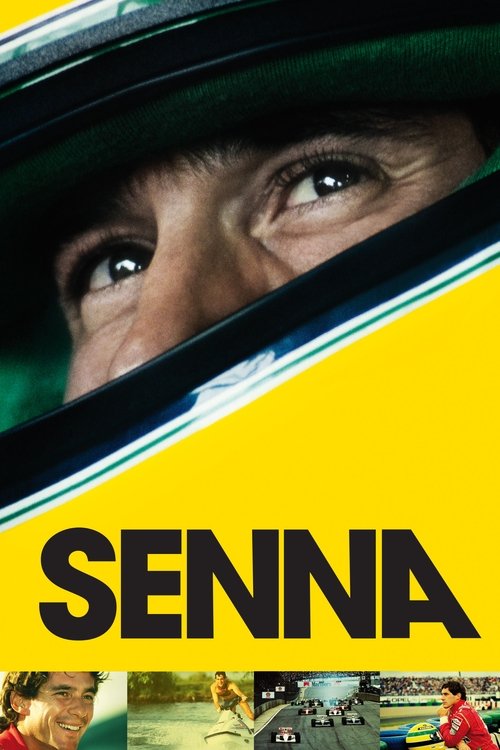
Most sports documentaries feel like a graded history assignment—a parade of graying experts sitting in front of mahogany bookshelves, politely explaining why something that happened thirty years ago was important. You watch them out of a sense of obligation. But when Asif Kapadia released Senna in 2010, he didn't just break the rules of the genre; he drove a McLaren MP4/4 right through them. There are no "talking heads" here. No modern-day interviews breaking the spell. Instead, Kapadia constructs a high-stakes thriller using nothing but period footage, making you feel like you’re living through the 1980s and 90s in real-time.
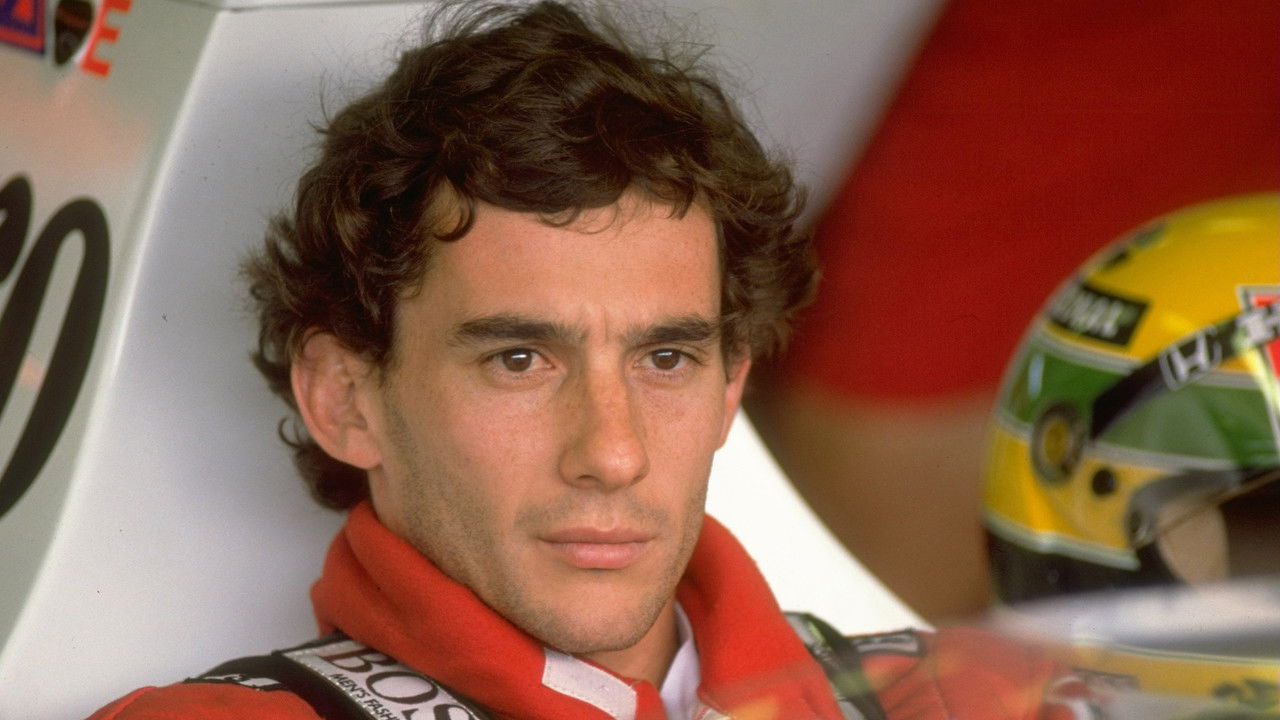
I first watched this on a long-haul flight while the passenger next to me was aggressively knitting a neon-green sweater. The rhythmic click-clack of her needles strangely synced up with the gear shifts on screen, creating a bizarre, lo-fi percussion that only made the experience more intense. Even on a tiny seat-back screen, the sheer magnetism of Ayrton Senna was impossible to ignore.
The Professor and the Poet
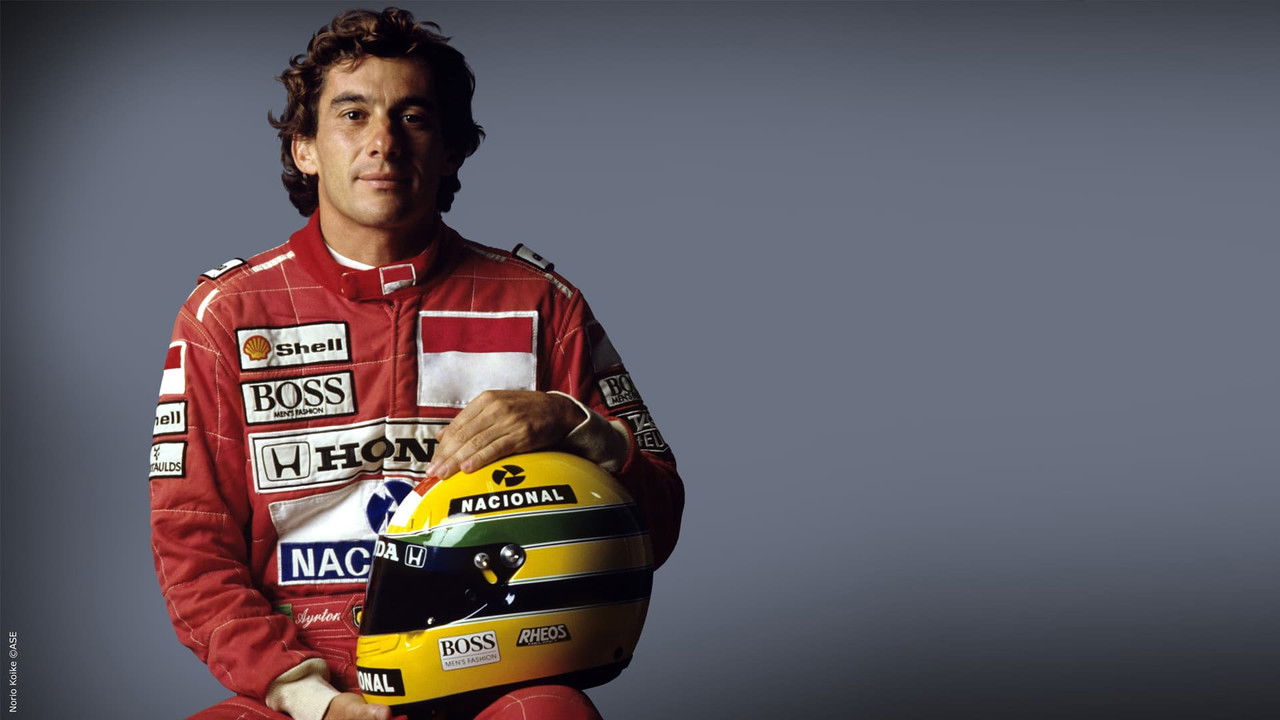
At its core, Senna is a character study of a man who viewed racing not as a career, but as a spiritual necessity. The film brilliantly frames the legendary rivalry between Ayrton Senna and Alain Prost (controversially known as "The Professor"). If Prost was the calculating tactician who wanted to win as slowly as possible to preserve the car, Senna was the mystic who believed his right to the finish line was divinely ordained.
The drama here is Shakespearean. We see the internal politics of Formula One, personified by the frosty Jean-Marie Balestre, who frequently seems more interested in bureaucratic power than the purity of the sport. The film positions Senna as the noble outsider, a man from Brazil—a country then struggling with massive social upheaval—who carried the hopes of millions on his yellow helmet. Ayrton Senna wasn't just a driver; he was a national antidepressant.
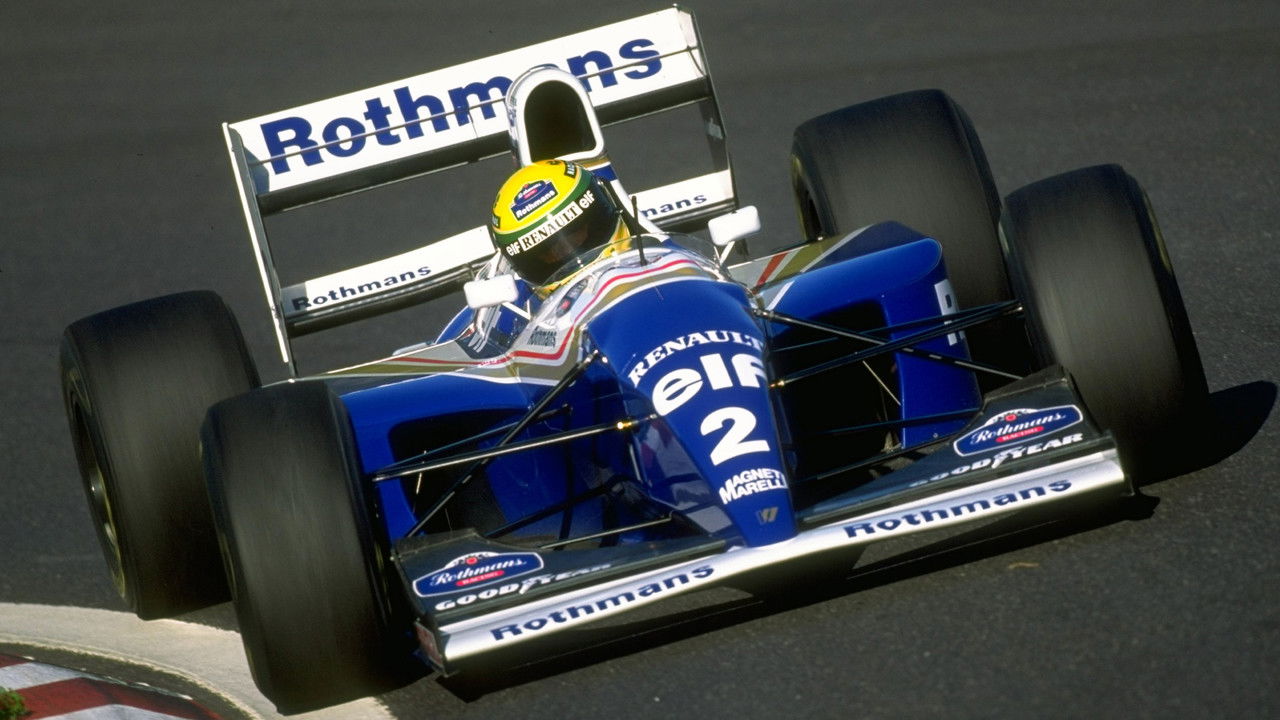
Looking back from our era of ultra-safe, carbon-fiber cocoons, the footage from the 80s and early 90s looks terrifyingly flimsy. These guys were essentially sitting in bathtubs made of fuel and aluminum, traveling at 200 mph. Kapadia uses the grainy, saturated colors of the era’s broadcast television to ground us in that specific reality. It’s a reminder of a time when the sport was louder, more dangerous, and arguably far more human than the data-driven simulation it has become today.
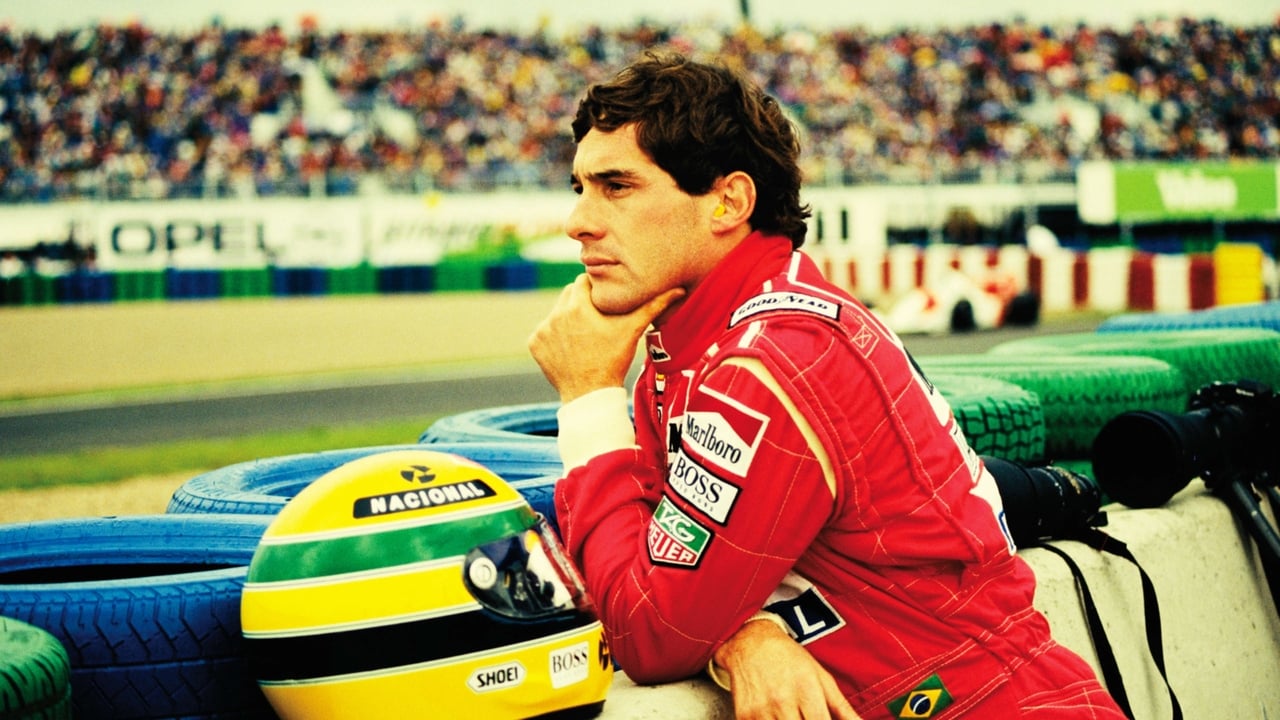
A Digital Resurrection of the Analog Era
One of the most fascinating things about Senna is how it utilizes the "DVD culture" of its release era. Manish Pandey’s screenplay was culled from thousands of hours of unseen FIA archives. In 2010, we were just starting to see the full potential of digital restoration applied to analog tape. The film manages to take low-resolution onboard camera footage and make it feel more immediate than a 4K IMAX shot. When you're "in the cockpit" with Ayrton during a monsoon at Donington Park, the blurred rain and the screaming engine create an atmosphere that feels less like a movie and more like a haunting.
The film also digs into the philosophy of the man. Ayrton Senna famously spoke about "going beyond" his own consciousness while driving. He describes a lap at Monaco where he realized he was no longer consciously operating the car; he was simply reacting from a different dimension. This is where the movie shifts from a sports flick to something more cerebral. It asks: What happens to a person when they find the one thing they were born to do, and that thing happens to be life-threatening?
The Weight of the Inevitable
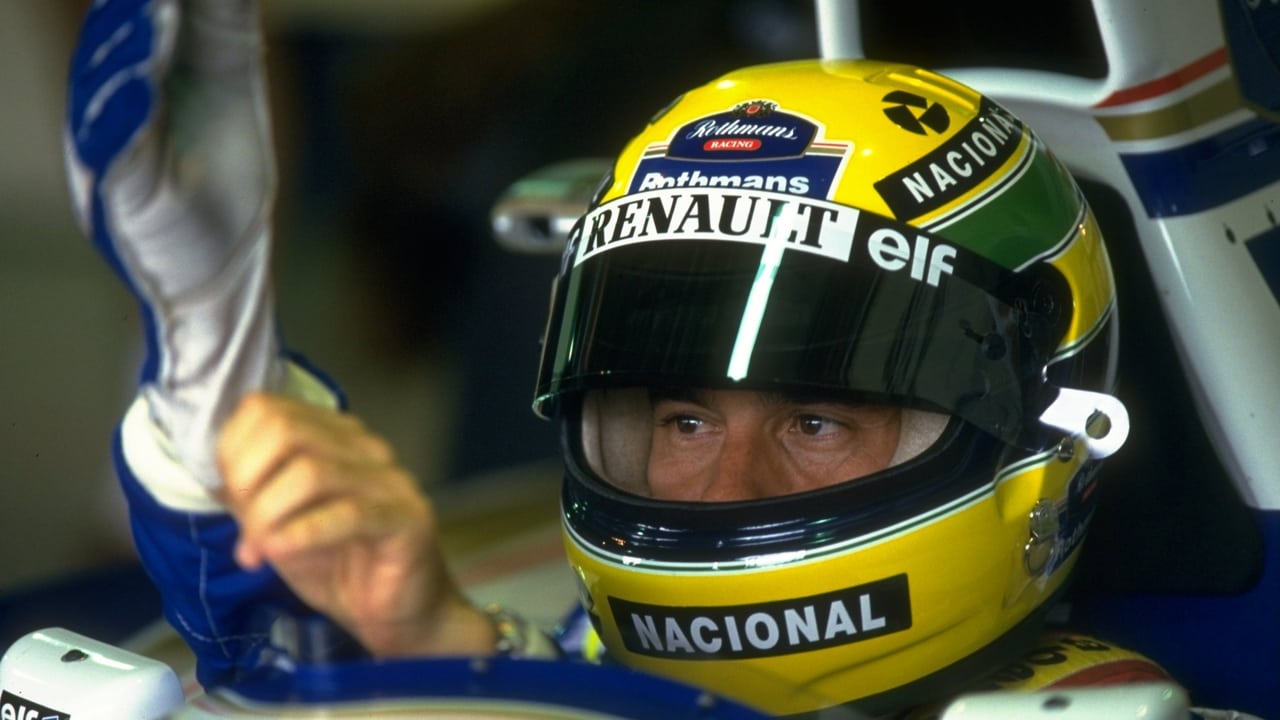
Even if you know nothing about racing, you likely know how this story ends. The final act, centered on the 1994 San Marino Grand Prix at Imola, is one of the most agonizing sequences in documentary history. Kapadia builds the tension not through spoilers, but through the mounting sense of dread that hung over that entire weekend. We see Senna’s face—not the face of a confident champion, but of a man who seems to have a premonition that the "limits" he spent his life chasing were finally closing in.
The film handles his death with incredible grace. It avoids the ghoulishness of modern "true crime" documentaries, focusing instead on the silence that followed. The scenes of Viviane Senna and the rest of the family during the state funeral in São Paulo are a gut-punch, showing the massive hole left in the fabric of a nation.
Whether you're a petrolhead or someone who doesn't know a piston from a spark plug, this film demands your attention. It’s a story about the cost of genius and the fragility of the human spirit in the face of cold, hard machinery. If you don’t feel something during the final montage, you might actually be a Roomba.
This is the gold standard for documentary storytelling. By stripping away the retrospective interviews and letting the past speak for itself, Kapadia created a film that feels alive. It’s a roaring, tragic, and deeply thoughtful look at a man who lived at a speed the rest of us can’t even imagine. It captures a specific moment in sports history before the "corporatization" of athletes became a total eclipse, leaving us with the portrait of a man who was as complicated as he was fast.
Keep Exploring...
-

Amy
2015
-
Grizzly Man
2005
-
Exit Through the Gift Shop
2010
-
Blackfish
2013
-

One Direction: This Is Us
2013
-
Citizenfour
2014
-
Searching for Sugar Man
2012
-
Control
2007
-
Man on Wire
2008
-
Inside Job
2010
-

Barbie in the 12 Dancing Princesses
2006
-
Fearless
2006
-

The Fall
2006
-

Evangelion: 1.0 You Are (Not) Alone
2007
-
The Diving Bell and the Butterfly
2007
-
Departures
2008
-
Il Divo
2008
-
Synecdoche, New York
2008
-
Evangelion: 2.0 You Can (Not) Advance
2009
-

My Name Is Khan
2010