Shrek Forever After
"Be careful what you roar for."
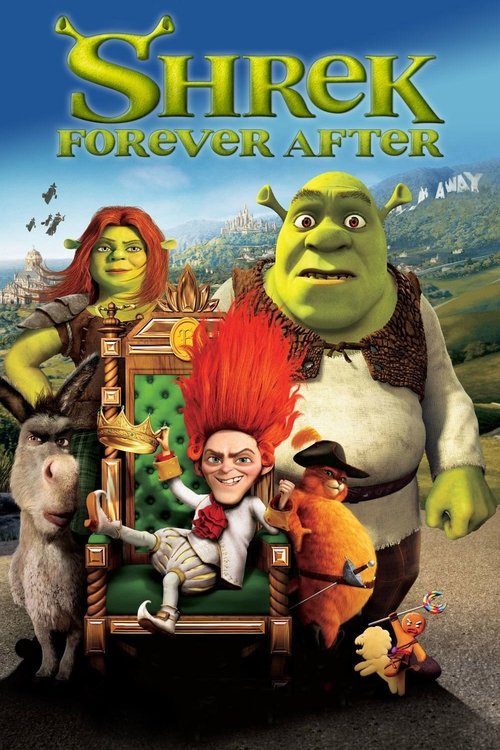
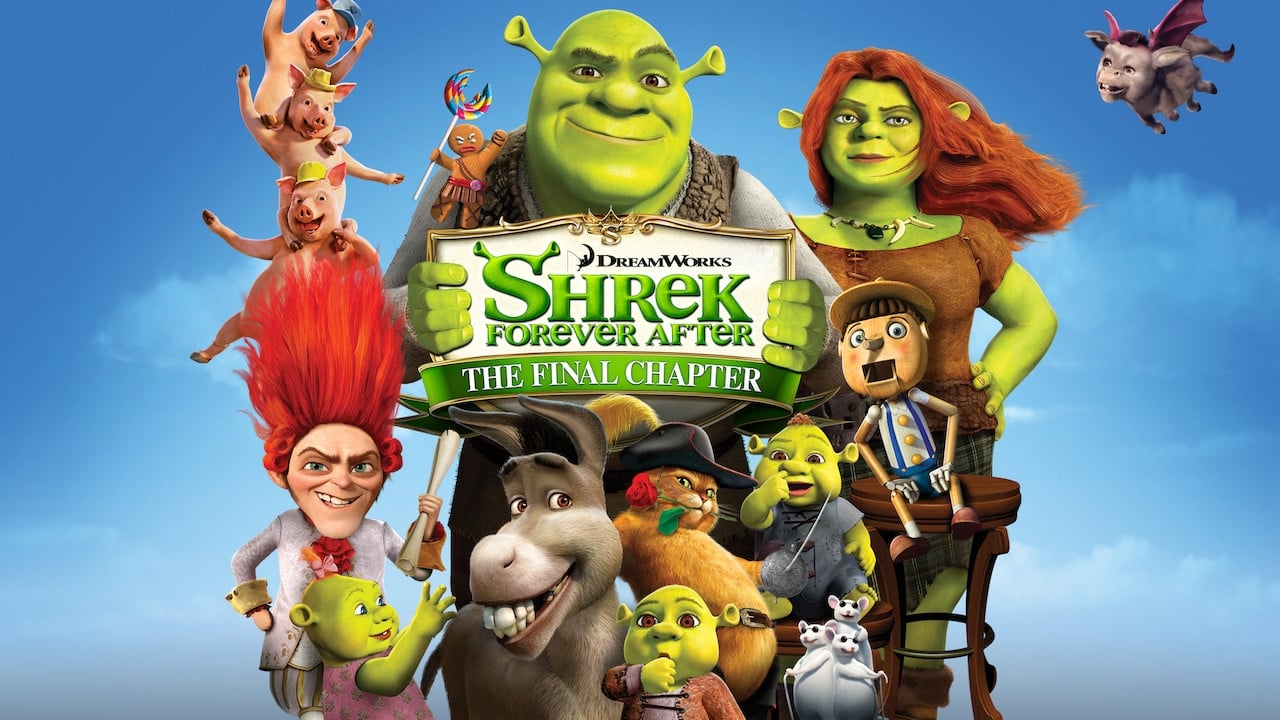
By 2010, the Shrek franchise felt like that one guest at a party who just wouldn't put their coat on. We’d had the groundbreaking original, the arguably superior sequel, and the bloated, celebrity-stuffed third outing that left most of us feeling like we’d eaten too much cotton candy. When Shrek Forever After arrived, the marketing team leaned hard into the "Final Chapter" branding. Looking back, it was a fascinating move—a way to manufacture stakes for a series that had become a victim of its own gargantuan success.
I remember watching this in a theater where the air conditioning was cranked so high I had to wrap my arms inside my t-shirt like a cocoon, and yet, the moment the DreamWorks moon-boy appeared, I felt a strange sense of obligation. We all did. You don’t just abandon the ogre after a decade.
The Existential Crisis in the Swamp
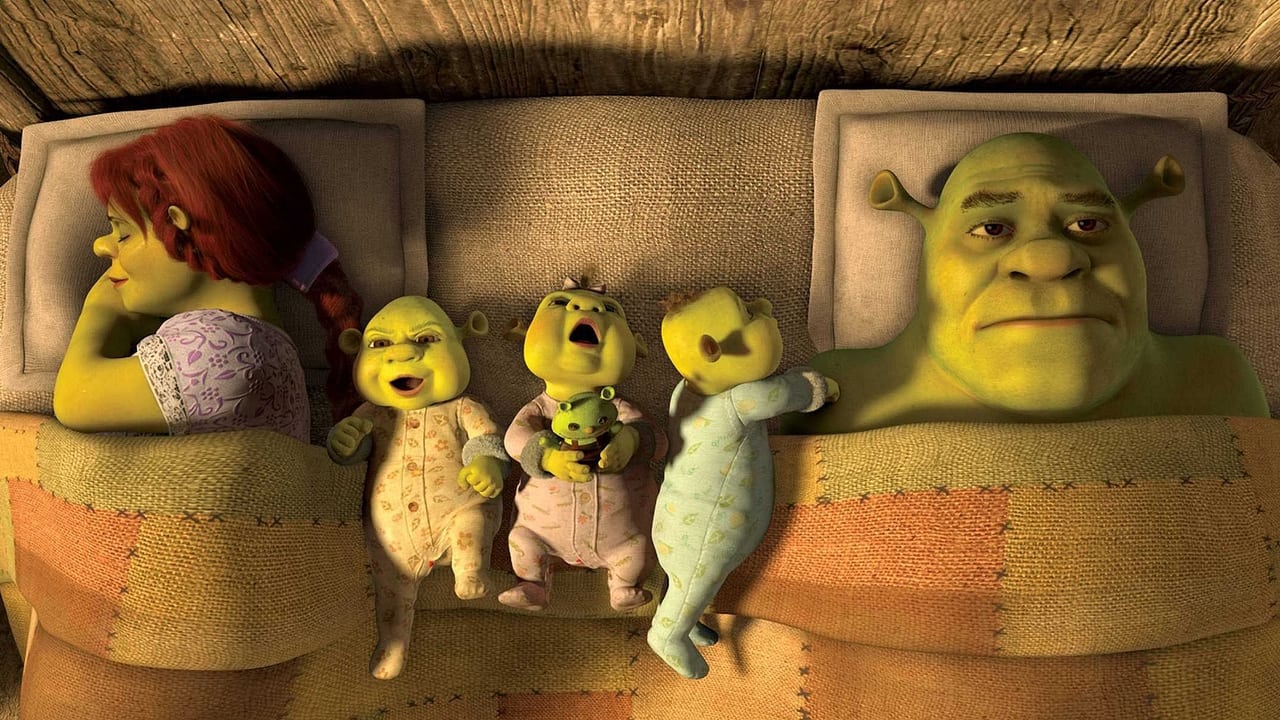
What strikes me now about Shrek Forever After is how surprisingly dark the premise is. This isn't just another quest; it’s a full-blown midlife crisis. Mike Myers returns as Shrek, but the character is a shell of his former, terrifying self. He’s a suburban dad. He’s trapped in a loop of diaper changes, birthday parties, and "Do the roar!" requests from annoying kids. For a franchise built on subverting fairy tales, this felt like the ultimate subversion: showing that "Happily Ever After" is actually kind of a grind.
The plot kicks in when Shrek, desperate to feel like a "real ogre" again for just one day, signs a contract with Rumpelstiltskin. It’s a classic It’s a Wonderful Life setup. Shrek is erased from existence, and he has 24 hours to find Fiona and land a "True Love’s Kiss" to restore reality. It’s a narrative reset button that allows the filmmakers to play with "What If?" versions of the characters we know. Walt Dohrn, who was actually a story artist on the film, voices Rumpelstiltskin with a screechy, manipulative energy that makes him the best villain the series had seen since Lord Farquaad. He’s a middle-manager with a god complex, and it works perfectly for the era’s corporate-leaning sensibilities.
Alternate Realities and CGI Refinement
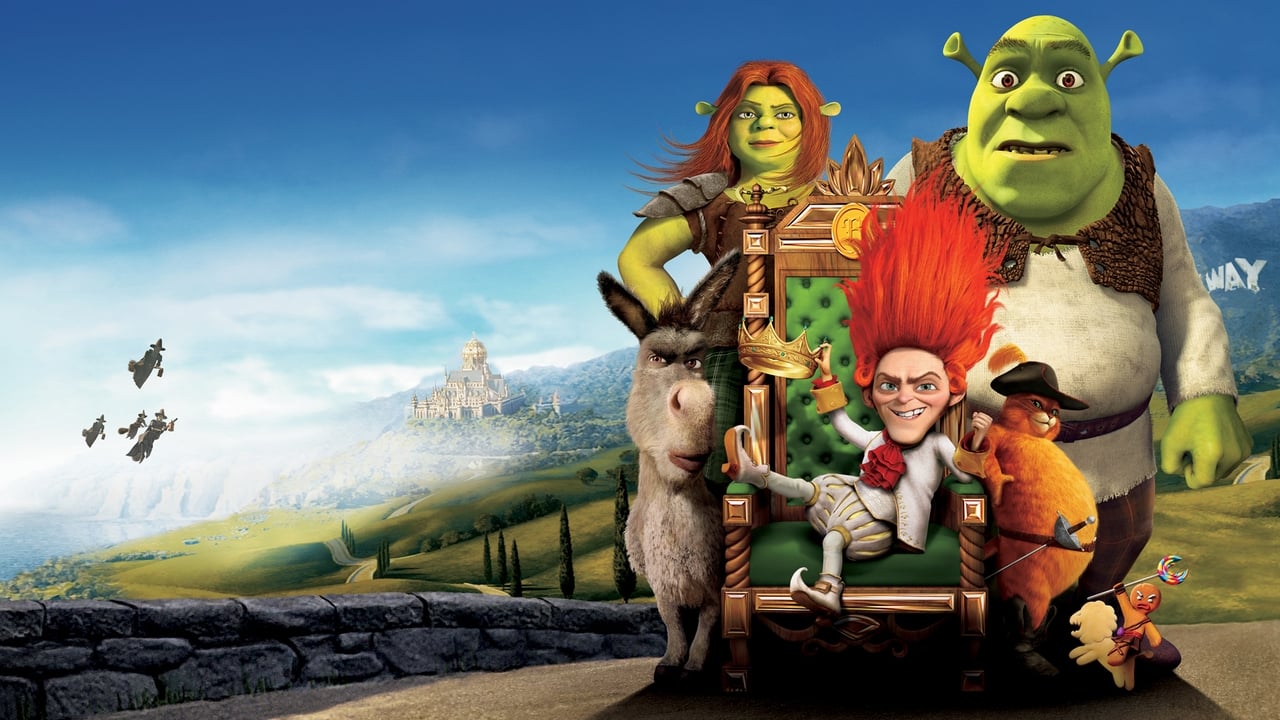
The "adventure" here is more of a scavenger hunt through a fractured memory. We get to see a version of Far Far Away where ogres are a resistance force led by a warrior-queen version of Fiona, played with steel and soul by Cameron Diaz. This is where the film earns its "Adventure" stripes. The sense of discovery doesn't come from new lands, but from seeing familiar faces in new, grittier contexts.
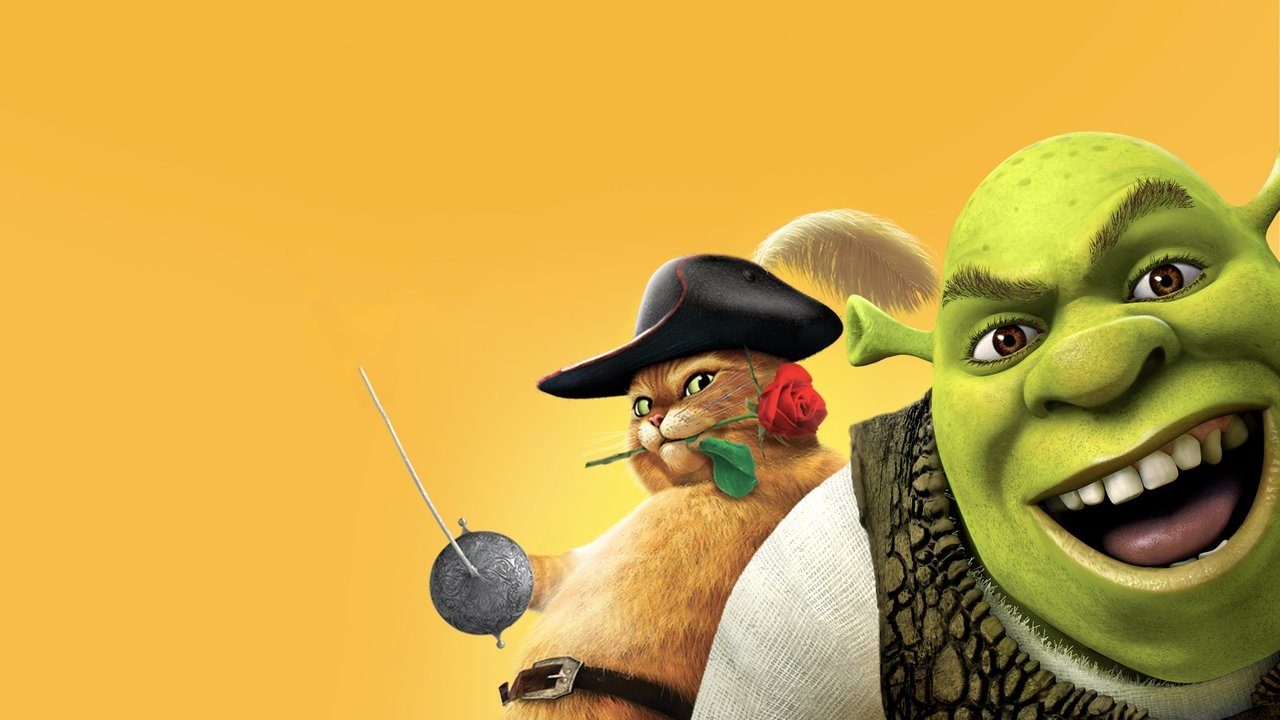
Visually, the jump from the 2001 original to this 2010 finale is staggering. We were deep into the CGI revolution by this point, and the textures—the individual hairs on Eddie Murphy's Donkey, the frayed leather of the ogre camp, the fluid physics of the "ogre-slayer" pumpkin carriages—show a studio at the height of its technical powers. Antonio Banderas steals every scene as a retired, overweight Puss in Boots who has traded his rapier for a pink bow and a sense of profound lethargy. Honestly, fat Puss in Boots is the most relatable character in the entire DreamWorks canon.
The film was also a massive 3D push. This was the post-Avatar gold rush where every studio thought depth-perception was the future of cinema. While the 3D "gimmicks" (like things flying at the screen during the dragon chases) feel a bit dated now, the actual scale of the world feels more intentional than in the previous film. Director Mike Mitchell keeps the pacing tight, ensuring the emotional beats between Shrek and the "new" Fiona don't get buried under too many pop-culture references—a trap the third movie fell into headfirst.
The $750 Million Goodbye
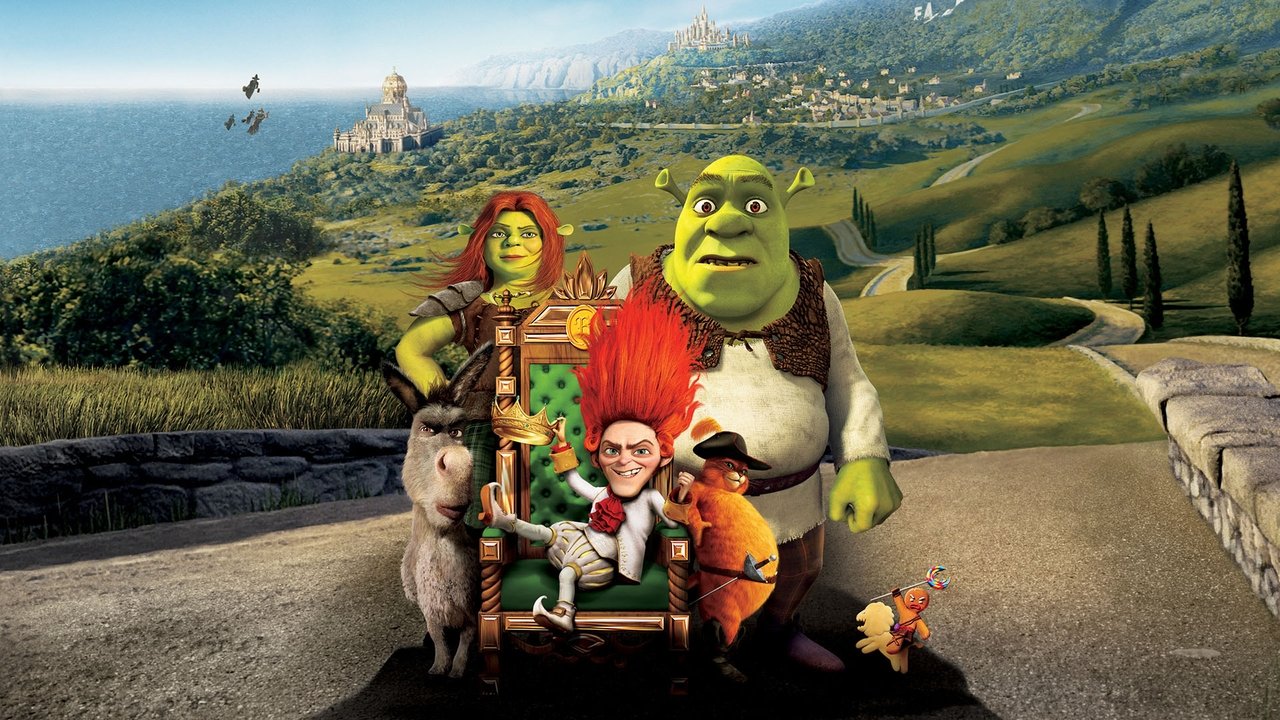
Despite the feeling of franchise fatigue, the "Blockbuster" status of Shrek Forever After is undeniable. It hauled in over $752 million worldwide against a $165 million budget. It’s easy to forget now, in the age of the MCU, just how much of a behemoth the Shrek brand was. This film wasn't just a movie; it was a merchandising supernova. There were Happy Meal toys, Activision tie-in games, and a marketing campaign that felt inescapable.
One of the coolest behind-the-scenes bits is the casting of Walt Dohrn. He was originally just doing the "scratch" vocal track—a temporary recording used by animators before a "real" celebrity is hired. But his performance was so specific and weirdly charming that the producers realized they couldn't beat it. In an era where every animated character had to be a redirected A-list star, having a story artist take the lead villain role was a refreshing win for the actual creatives behind the screen.
Looking back, Shrek Forever After is better than it had any right to be. It’s a movie about appreciating what you have before it’s gone, which is a meta-commentary on the franchise itself. It wasn't the cultural explosion that the first two were, but it provided a dignity to the ending that the series desperately needed. Shrek Forever After is actually the most emotionally mature entry in the franchise, even if it’s wrapped in layers of ogre snot and chimichanga jokes.
It’s the cinematic equivalent of a high-quality comfort meal. You’ve had it before, and you know exactly how it ends, but the execution is professional enough to keep you from checking your watch. It lacks the bite of the original's satire, but it replaces it with a genuine heart that reminds you why we cared about this big green guy in the first place. If you're looking for a 5-minute distraction or a reason to revisit the 2010s' obsession with 3D animation, you could do a lot worse than Shrek's final roar.
Keep Exploring...
-
Shrek the Third
2007
-
Shrek 2
2004
-
Shrek
2001
-
Shrek the Halls
2007
-
The SpongeBob Movie: Sponge Out of Water
2015
-
Alvin and the Chipmunks: Chipwrecked
2011
-
Kung Fu Panda 4
2024
-
Horton Hears a Who!
2008
-

Puss in Boots
2011
-
The Smurfs
2011
-

The SpongeBob SquarePants Movie
2004
-

The Ant Bully
2006
-
Rio
2011
-
Brave
2012
-
Planes
2013
-

Trolls
2016
-

The Swan Princess
1994
-
Charlie and the Chocolate Factory
2005
-

Madagascar
2005
-
Cars
2006