Shutter Island
"A jagged descent into a mind where the walls are always closing in."
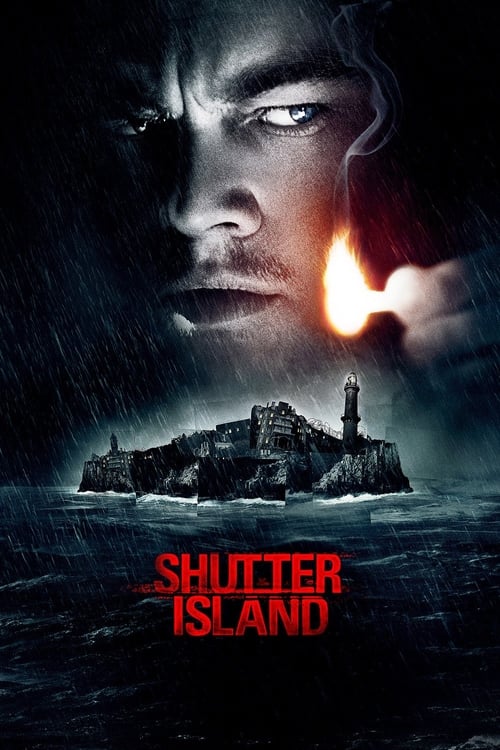
The ferry emerges from a wall of oppressive gray fog, carrying two men toward a rock in the ocean that seems designed by God specifically to house secrets. There’s a particular kind of dread that only Martin Scorsese—who usually prefers the asphalt of New York—can conjure when he decides to go full Gothic. I remember watching this in a theater where the air conditioning was broken, and the literal sweat on my neck made the sweltering, paranoid atmosphere of the island feel even more suffocating. By the time the first storm clouds broke over Ashecliffe Hospital, I wasn't just watching a movie; I was trapped in it.
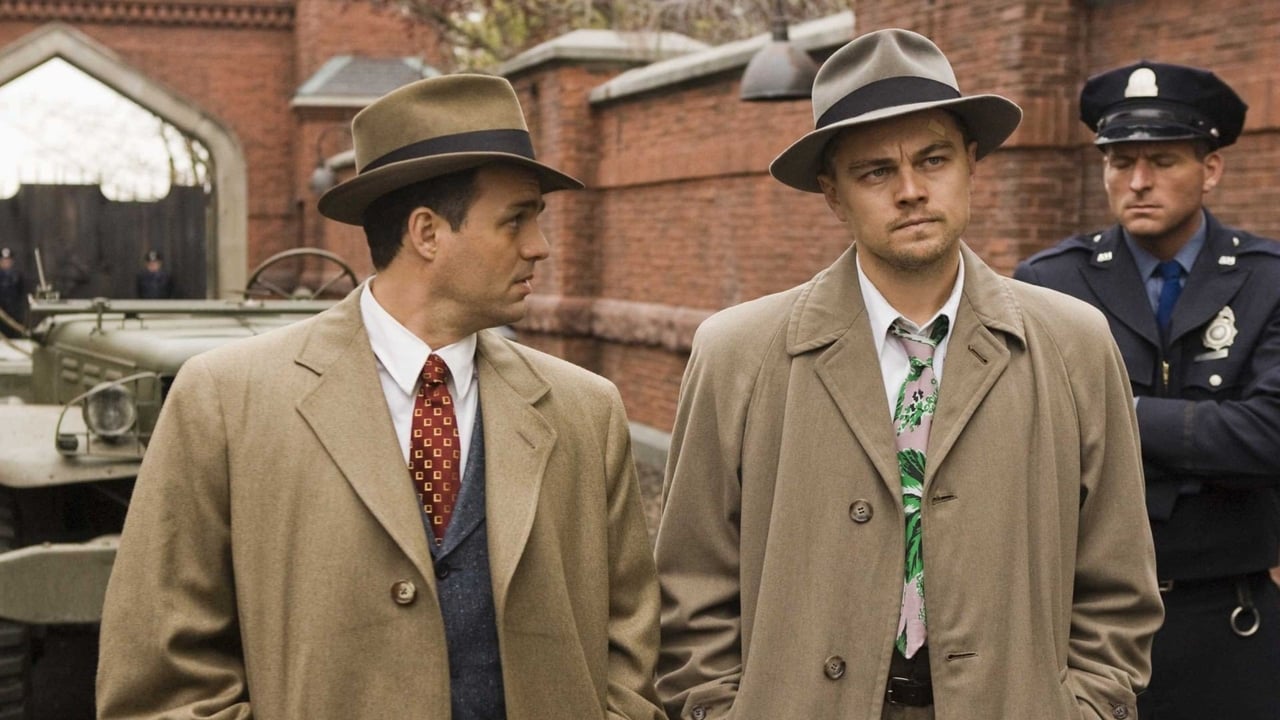
Shutter Island arrived in 2010, right at the tail end of an era where a major studio would still hand a legendary director eighty million dollars to make a psychological puzzle box that didn't involve a single superhero. Looking back, it feels like one of the last great gasps of high-budget 35mm filmmaking before digital cinematography became the mandatory industry standard. You can see it in the texture—the way Robert Richardson (the genius who shot Casino and Kill Bill) uses the film grain to make the shadows look like they’re actually vibrating with Teddy Daniels’ anxiety.
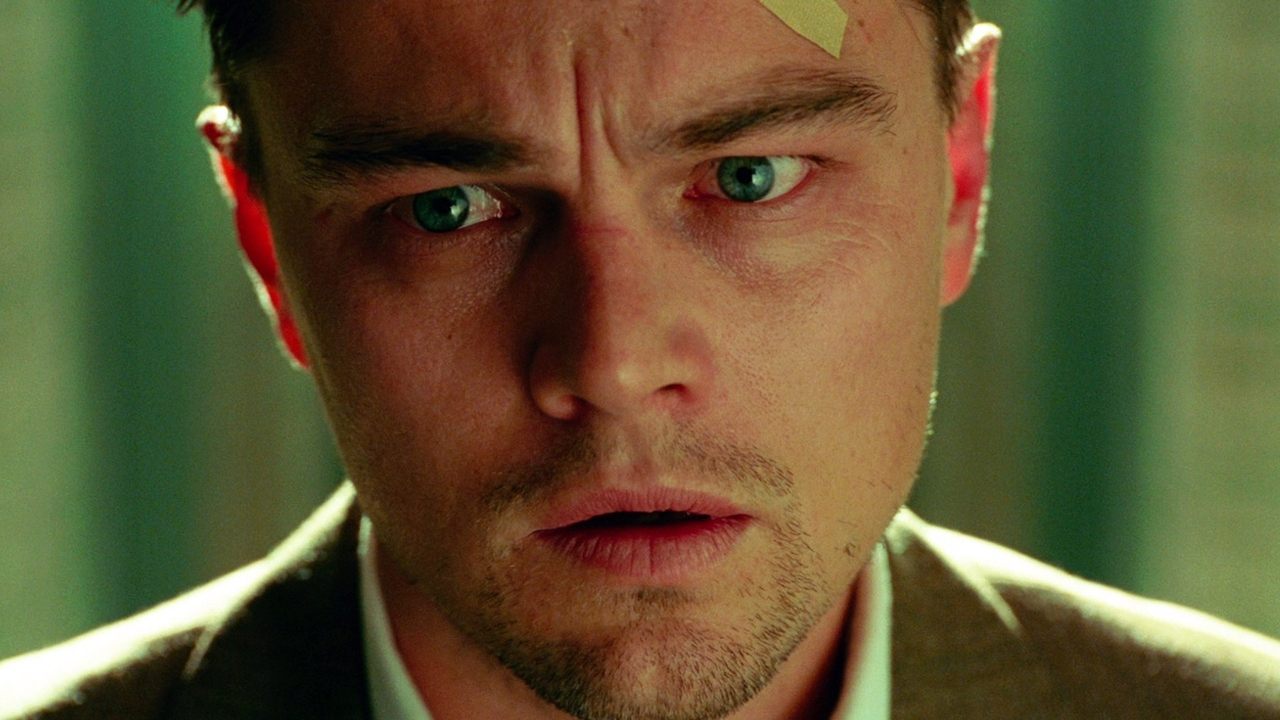
Leonardo DiCaprio stars as Teddy, a U.S. Marshal who arrives on the island with his new partner, Chuck, played by a pre-Hulk Mark Ruffalo. They’re looking for a missing patient, but Teddy is clearly looking for something else—or running from it. DiCaprio’s brow is furrowed so tightly I was worried he’d have a permanent crease by the time the credits rolled, but it works. This was the peak of his "intense suffering" era, and here, his performance is a raw nerve exposed to the salt air.
The Island of Lost Souls
The film plays like a prestige horror movie wearing a detective’s trench coat. As Teddy and Chuck dig deeper into the hospital’s unorthodox treatments, they encounter Dr. Cawley (Ben Kingsley) and the chillingly poised Dr. Naehring (Max von Sydow). Having Von Sydow in a movie about historical trauma is like a cheat code for gravitas; the man basically carried the weight of 20th-century existentialism on his shoulders since his days with Ingmar Bergman.
What struck me on a recent rewatch is how much the film reflects the post-9/11 anxieties of its time, despite being set in 1954. It’s obsessed with the idea of hidden enemies, government conspiracies, and the terrifying realization that the institutions meant to protect us might be the ones tearing us apart. The scenes involving Teddy’s memories of the liberation of Dachau are genuinely difficult to watch, but they ground the pulp mystery in a very real, very dark human history. Scorsese doesn't use the Holocaust as a cheap backdrop; he uses it to show how a soul can become so fractured that reality itself starts to leak.

Analog Craft in a Digital World
There’s a fantastic bit of trivia regarding the film’s "mistakes." If you look closely, there are numerous continuity errors—a glass of water disappears, a character’s position shifts unnaturally between cuts. In a lesser film, you’d call the editor lazy. But here, Scorsese and his longtime editor Thelma Schoonmaker (who also edited Raging Bull) did it on purpose. They wanted the viewer to feel Teddy’s slipping grip on the world. It’s a masterstroke of psychological editing that rewards the kind of "DVD culture" scrutiny that was so prevalent in the late 2000s.
Interestingly, the film was originally slated for an October 2009 release to put it right in the heart of Oscar season. Paramount, however, was reportedly broke at the time and couldn't afford the marketing push, so they bumped it to February 2010. Usually, February is where movies go to die, but Shutter Island became a massive hit. It proved that audiences were hungry for something that treated them like adults, even if it was essentially a high-art slasher movie where the killer is grief itself.
The Weight of the Reveal
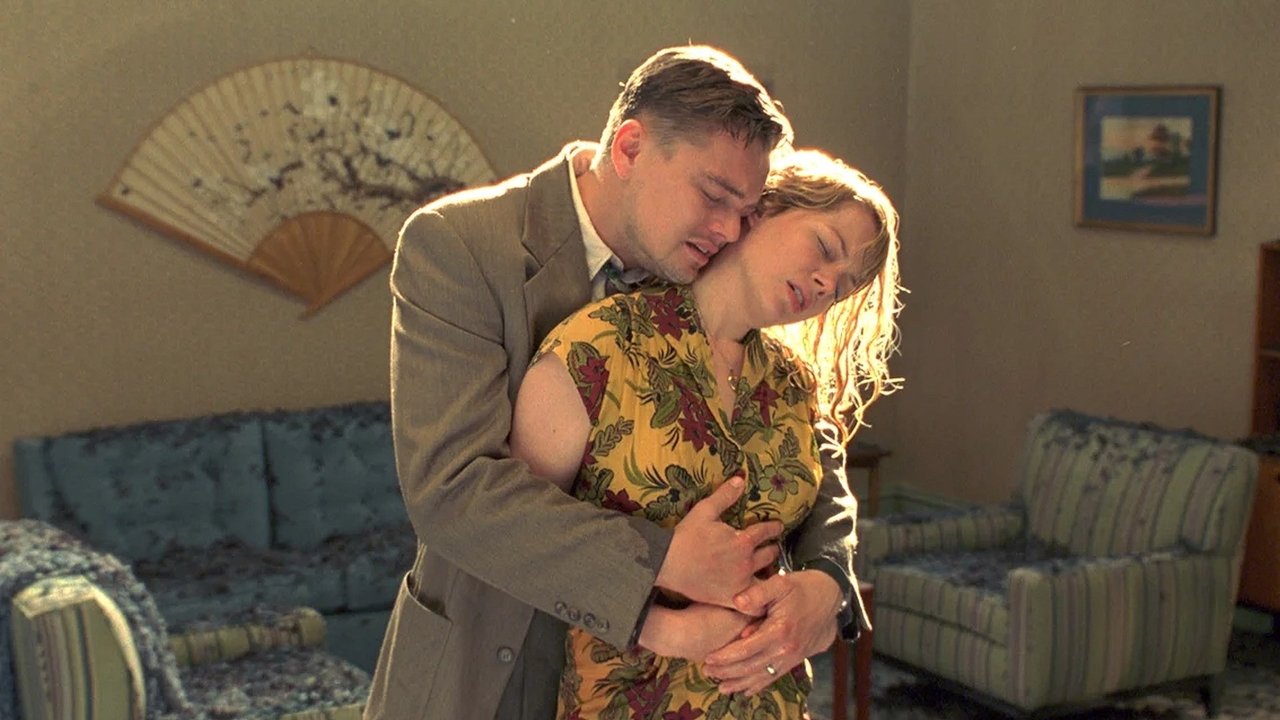
I won’t spoil the ending for the three people left on earth who haven't seen it, but I will say that the script by Laeta Kalogridis (who worked on Alita: Battle Angel) sticks the landing with a haunting grace. It’s a tragedy disguised as a thriller. The supporting turns by Michelle Williams as Teddy’s haunting wife and Emily Mortimer as the elusive Rachel Solando add layers of emotional wreckage that keep the film from feeling like a mere exercise in style.
The score is another brilliant choice. Rather than a traditional orchestral swell, Scorsese opted for a compilation of modern classical pieces curated by Robbie Robertson. The use of Krzysztof Penderecki’s "Symphony No. 3" creates a sonic landscape of metallic groans and whispers that makes the island feel alive—and hungry.
When the final line of the film is delivered, it recontextualizes every single frame that came before it. It’s the kind of ending that makes you want to immediately restart the movie to see how the pieces fit. Shutter Island remains a towering example of how a director at the top of his game can take a "genre" story and elevate it into something that lingers in your mind like a recurring nightmare. It’s dark, it’s loud, and it’s utterly unapologetic about the ghosts it drags into the light.

Keep Exploring...
-
The Departed
2006
-

Gone Girl
2014
-
The Wolf of Wall Street
2013
-
Gangs of New York
2002
-
Lucky Number Slevin
2006
-
Cape Fear
1991
-
L.A. Confidential
1997
-
The Sixth Sense
1999
-
Mulholland Drive
2001
-
The Bourne Ultimatum
2007
-
Casino
1995
-
Blood Diamond
2006
-
Oldboy
2003
-
GoodFellas
1990
-

Zodiac
2007
-
The Dark Knight
2008
-
Inglourious Basterds
2009
-

The Game
1997
-
The Bourne Identity
2002
-
Tell No One
2006