Splice
"Family is a genetic nightmare."
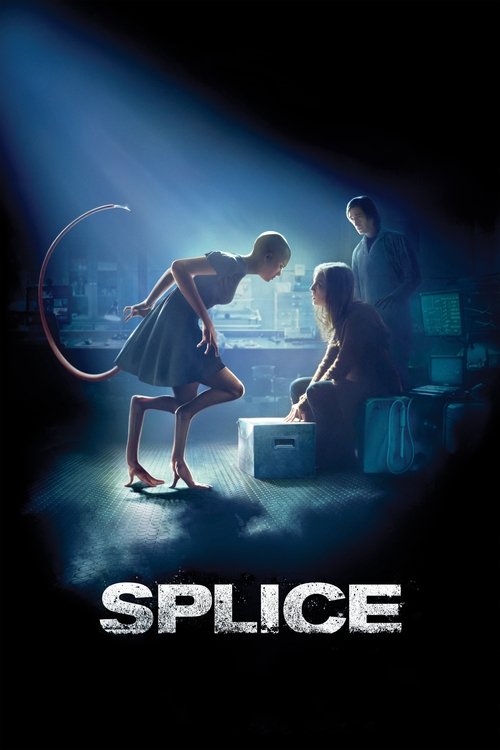
If you wandered into a multiplex in the summer of 2010 expecting a slick, creature-feature romp in the vein of Species, you probably left the theater wanting to scrub your brain with industrial-grade bleach. Splice didn't just push the envelope of "science gone wrong" tropes; it ripped the envelope to shreds, spat on it, and then asked it to dance. It arrived at the tail end of that gritty, post-9/11 era of cinema where even our monsters had to be grounded in some sort of hyper-uncomfortable reality, and boy, does this movie lean into the discomfort.
I watched this recently on a Tuesday night while eating a bowl of cold spaghetti, and let me tell you, watching Adrien Brody navigate interspecies attraction while you’re twirling noodles is a specific kind of vibe that I can’t entirely recommend but will never forget.
The Lab-Grown Midlife Crisis
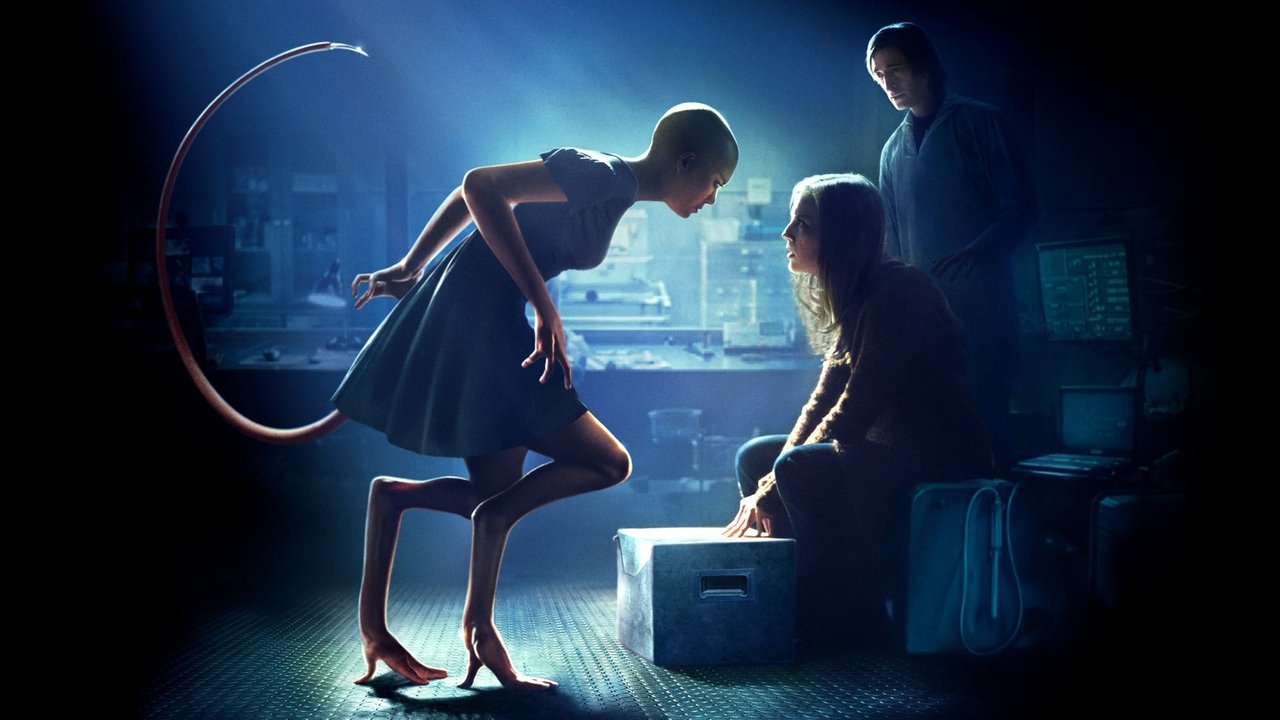
The film centers on Clive (Adrien Brody) and Elsa (Sarah Polley), two superstar geneticists who look more like they belong in a Brooklyn indie-rock band than a high-tech lab. They’re rebellious, they wear cool t-shirts under their lab coats, and they’ve successfully created "Ginger" and "Fred"—two fleshy, tube-like organisms that produce proteins for medical use. But, as is the case with every scientist in cinematic history who hasn't seen Frankenstein, they decide that "success" isn't enough. They want to play God with a human twist.
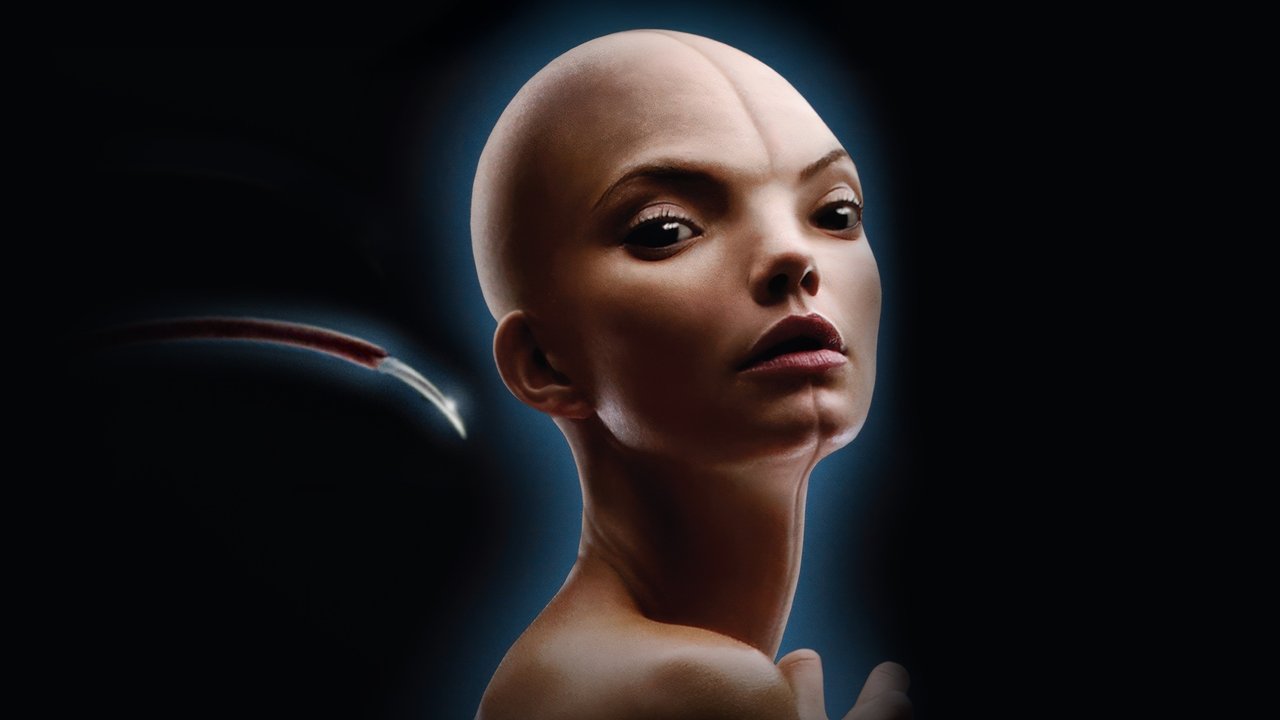
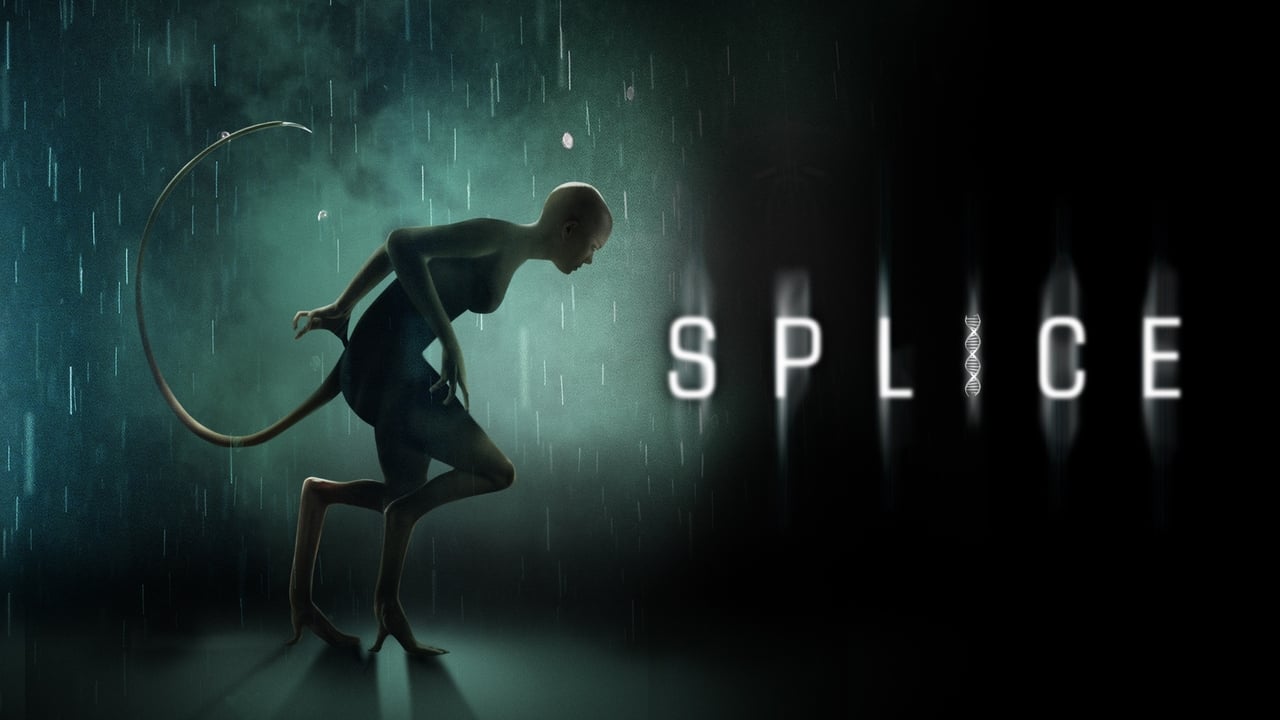
What follows is the birth of Dren (Delphine Chanéac), a chimera that looks like a plucked chicken-human hybrid as an infant and grows into something far more confusingly elegant as an adult. Adrien Brody, fresh off his "serious actor" phase after The Pianist (2002), brings a weirdly relatable frantic energy to Clive. Meanwhile, Sarah Polley—who I always associate with the quiet intensity of Dawn of the Dead (2004)—is the real driving force here. Her Elsa isn't just a scientist; she’s a woman projecting her own deep-seated childhood trauma onto a creature with a poisonous tail stinger. It’s "Mommy Issues: The Movie," but with more enzymes.
A Masterclass in the "Ick" Factor
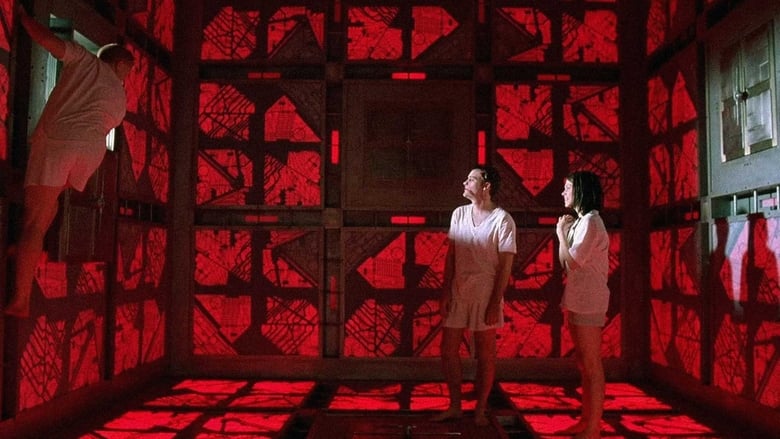
Director Vincenzo Natali, the mind behind the claustrophobic cult hit Cube (1997), knows exactly how to make a space feel both sterile and filthy. The first half of Splice is a fascinating look at the "CGI Revolution" of the late 2000s. While many films from 2010 look like muddy video games today, Dren holds up remarkably well. This is largely because Delphine Chanéac gives a phenomenal physical performance, which was then layered with digital tweaks. She has this bird-like twitchiness that feels genuinely alien, yet her eyes carry a terrifyingly human pleading.
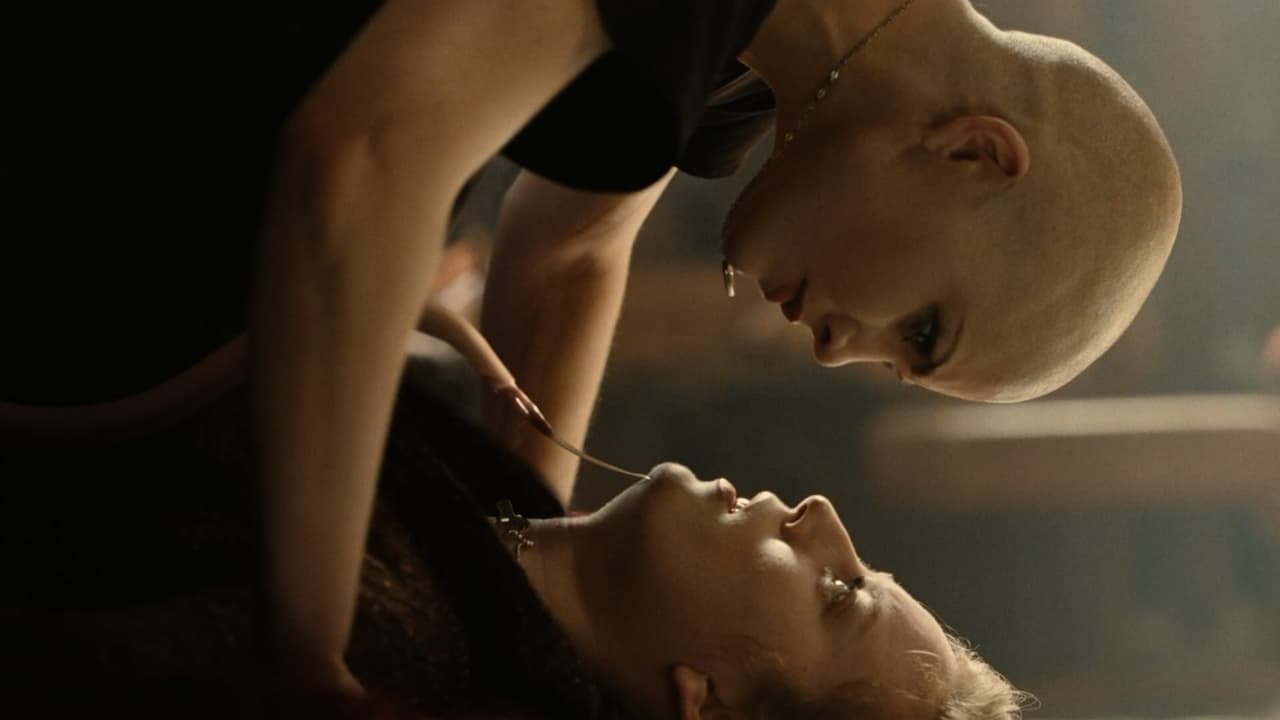
The film transitions from a sci-fi thriller into a full-blown Freudian car crash in the final act. It’s bold, it’s gross, and it’s deeply committed to making you squirm. It subverts the usual monster movie beats by making the humans the most unpredictable elements of the story. Clive and Elsa don't just lose control of their creation; they lose their moral compasses in ways that make the creature look like the only sane one in the room.
The Weird History of Dren
Part of what makes Splice such a fascinating "half-forgotten oddity" is how long it took to reach us. Vincenzo Natali actually wrote the script right after finishing Cube in 1997, but the technology wasn't there yet to make Dren look like anything other than a guy in a rubber suit. It sat in development hell for over a decade before Guillermo del Toro stepped in as a producer to help get it across the finish line.
Here are a few bits of trivia that make the production even more interesting:
The name "Dren" is actually "Nerd" spelled backward—a cheeky nod to the creators' hubris. To keep the "creature" look consistent, Delphine Chanéac had to shave her head and eyebrows daily. The film’s budget was a modest $26 million, which is pocket change by today's Marvel standards, yet the practical effects work (those digitigrade legs!) still looks better than most $200 million blockbusters. The original script was reportedly even darker, but studio executives pushed for more "traditional" horror elements in the finale. * Adrien Brody actually spent time in real genetics labs to learn how to handle the equipment properly, though I doubt he learned how to handle the third-act "twist" there.
Splice is a movie that I respect more than I "enjoy" in the traditional sense. It’s an ambitious, well-acted, and visually striking piece of speculative fiction that isn't afraid to be absolutely repulsive when the story demands it. It captures that 2010-era anxiety about where biotechnology was heading, right before we all got distracted by iPhones and social media.
If you’re tired of the same old "monster jumps out of a closet" routine and want a horror film that explores the messy, sexual, and psychological boundaries of creation, this is your stop. Just maybe skip the spaghetti while you’re watching the third act. It’s a cult classic for a reason—it’s the kind of film that sticks to your ribs and makes you feel just a little bit different about your own DNA.

Keep Exploring...
-
Cube
1998
-

28 Weeks Later
2007
-
Pandorum
2009
-
The Thing
2011
-
The Purge
2013
-

World War Z
2013
-
In the Tall Grass
2019
-

The Faculty
1998
-
Resident Evil: Apocalypse
2004
-
Land of the Dead
2005
-
Slither
2006
-
Alien Resurrection
1997
-

Event Horizon
1997
-
Deep Blue Sea
1999
-
AVP: Alien vs. Predator
2004
-
Resident Evil: Extinction
2007
-
Quarantine
2008
-

Case 39
2009
-
Push
2009
-

Repo Men
2010