Step Up 3D
"Gravity is just a suggestion."
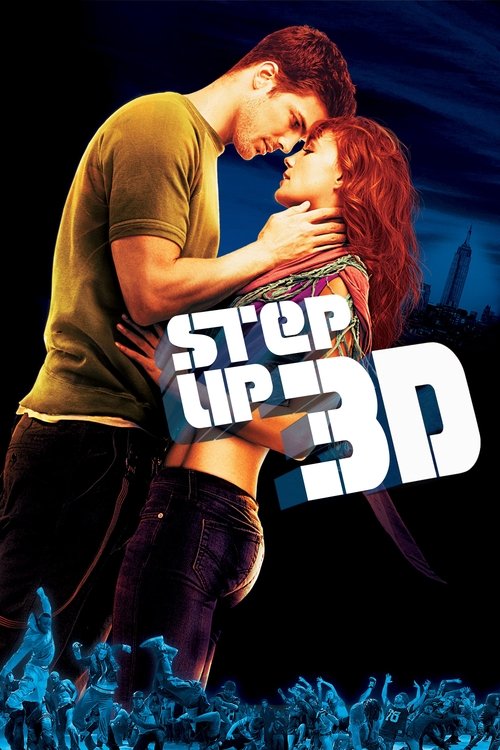
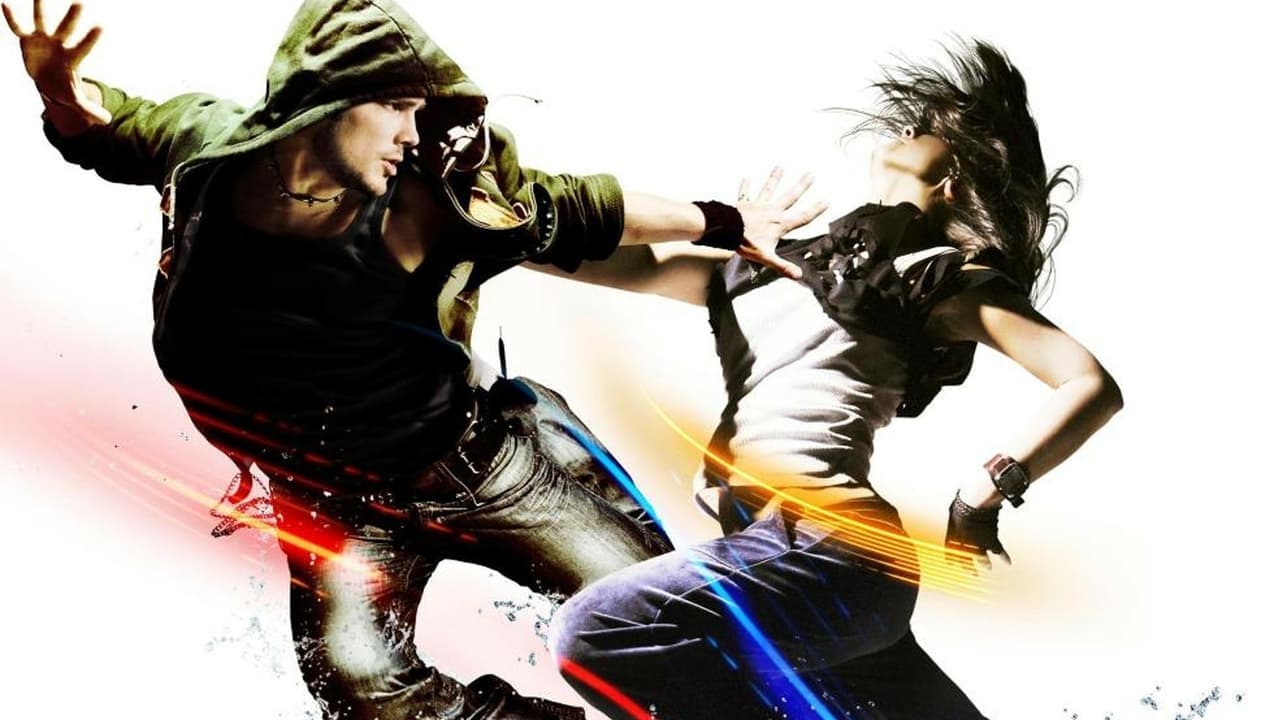
The year 2010 was a strange, polarized moment in cinema history. We were still vibrating from the blue-hued impact of Avatar, and every studio in Hollywood was suddenly convinced that if a movie didn't have objects flying directly at the audience's eyeballs, it didn't exist. Enter Step Up 3D, a film that didn't just join the 3D craze—it weaponized it. While most "serious" films were doing lazy post-production conversions that made everyone look like cardboard cutouts, director Jon M. Chu (who would later give us the lush visuals of Crazy Rich Asians) shot this natively with dual-lens rigs. The result? A movie where the plot is thinner than a crepe, but the movement is nothing short of spectacular.
I watched this recently while leaning against a pillow that had a singular, sharp feather poking through the case and stabbing me in the shoulder every few minutes, and honestly, the physical irritation only added to the "4D" experience.
The Physics of the Dance Floor
The story is a familiar recipe: a group of street dancers called "The Pirates" are facing eviction from their industrial-cool warehouse (naturally). They need to win the "World Jam" to pay the bills. Enter Luke (Rick Malambri), the filmmaker/leader with a heart of gold and a jawline carved by angels, and Natalie (Sharni Vinson), the mysterious newcomer with a secret that—spoiler alert—isn't actually that interesting.
But let’s be honest: Rick Malambri has the emotional range of a very handsome floorboard. The "drama" here is a delivery system for the dance sequences, and that’s perfectly fine. When the film stops trying to be a gritty New York indie and starts being a neon-soaked spectacle, it soars. Jon M. Chu understands that dance on film is about geometry and geography. He uses the 3D depth to let the dancers occupy space, rather than just cutting rapidly like a frantic music video.
The standout, as always in this franchise, is Adam Sevani as Moose. Returning from Step Up 2: The Streets, Sevani provides the film’s actual soul. There is a single-take sequence where Moose and Camille (Alyson Stoner, returning from the first film) dance down a New York street to a remix of "I Won't Dance." It’s a pure homage to Gene Kelly and Fred Astaire, and it’s the most charming three minutes of cinema in the entire 2010 calendar year. It proves that you don't need a $100 million budget if you have two people who know how to move and a camera that knows where to stand.
A Box Office Juggernaut in Sneakers
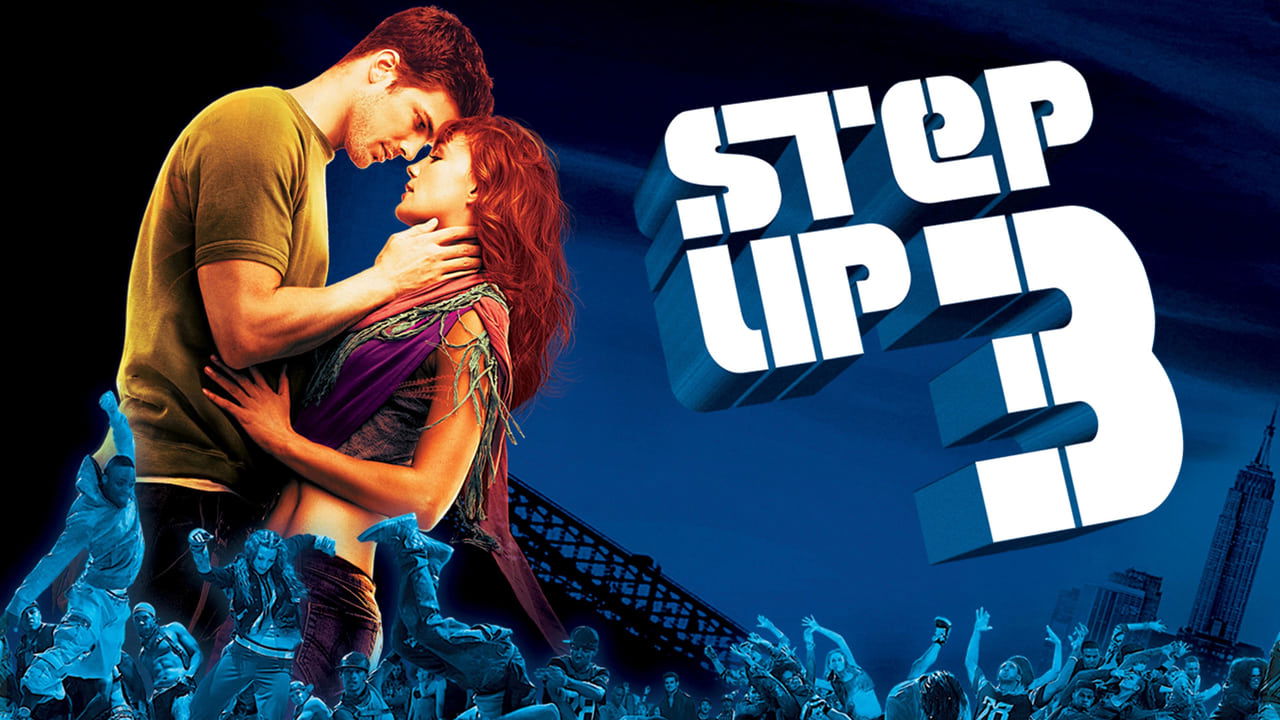
Looking back, it’s easy to dismiss dance movies as niche, but Step Up 3D was a massive commercial beast. On a modest budget of $30 million, it raked in over $159 million worldwide. It captured that specific "Modern Cinema" transition where international markets began to dominate the bottom line. Dance is a universal language; you don't need a perfect translation to understand the sheer athleticism of the "Samurai" squad or the "Pirates" final LED-suit performance.
The film also served as a time capsule for the early 2010s aesthetic. We’re talking about the height of the "shutter shades" era, high-top sneakers with fat laces, and the brief, glorious window where dubstep was considered the pinnacle of cool. The soundtrack is basically a 107-minute long seizure induced by a Casio keyboard, but it fits the energy of the film perfectly. Composer Bear McCreary (who went on to do Godzilla: King of the Monsters) and the music supervisors curated a vibe that felt like the pulse of a city that never sleeps and always has a subwoofer in the trunk.
The Art of the Gimmick
What makes Step Up 3D hold up better than its contemporaries is its lack of cynicism. It isn't trying to subvert the genre; it’s trying to be the best version of it. The 3D gimmicks—bubbles floating toward the lens, slushies being blown into the camera, hands reaching out—feel like a theme park ride in the best way possible. The plot is essentially a legalized street fight via jazz hands, and the movie never pretends otherwise.
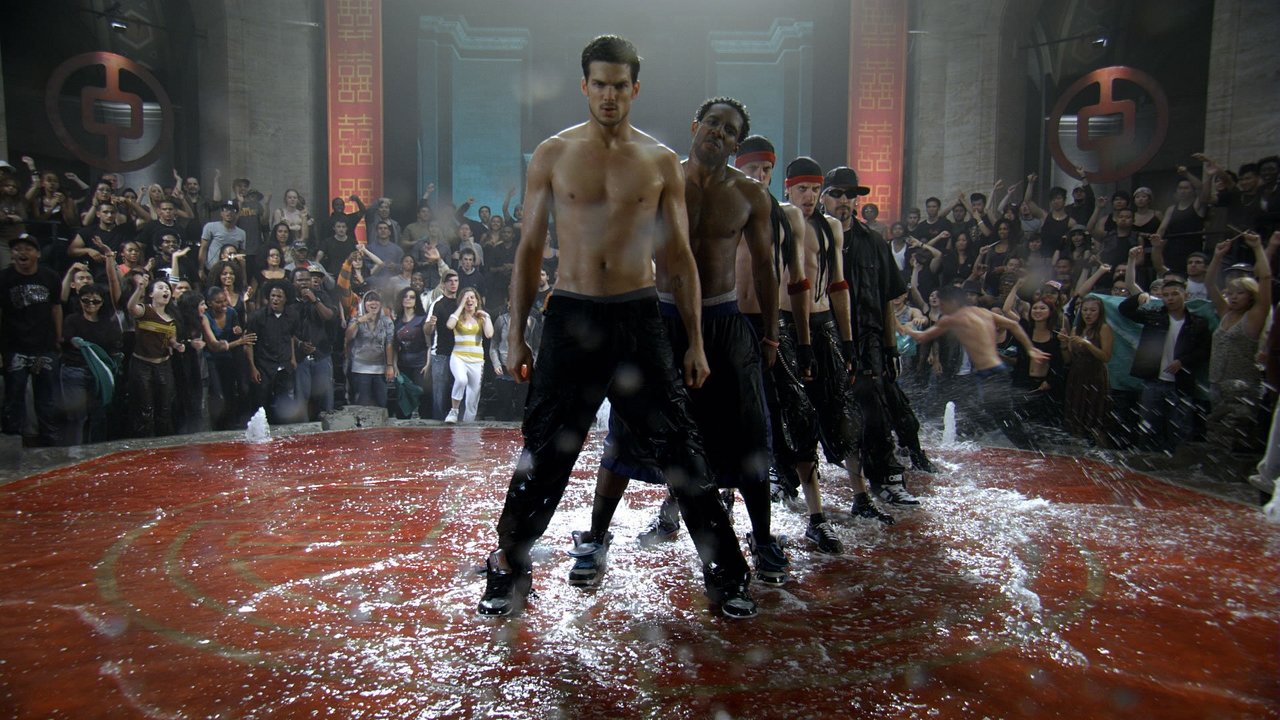
The "World Jam" finale is the peak of this era's technical ambition. The use of light-up suits and practical choreography over CGI-heavy backgrounds was a smart choice. Even though we were in the middle of the digital revolution, Jon M. Chu kept the focus on the human body. There’s a scene involving a water-covered floor that remains one of the most visually arresting dance sequences ever filmed. The way the 3D captures the spray of the water creates a texture that 2D films simply can't replicate.
Step Up 3D is the cinematic equivalent of a giant, sugary Slurpee. It provides a massive head rush, a bit of a sugar crash, and zero nutritional value, but you’ll remember the flavor long after the credits roll. It’s a testament to a time when 3D was a promise of wonder rather than a surcharge at the box office. If you can look past the clunky dialogue and the "save the community center" tropes, you’ll find a film that genuinely loves the craft of movement. It’s loud, it’s bright, and it’s unashamedly fun.
Sometimes, that’s all a movie needs to be. Just make sure you aren't sitting on a pointy feather when you watch it.
Keep Exploring...
-
Step Up 2: The Streets
2008
-
Step Up All In
2014
-
Step Up
2006
-

Step Up Revolution
2012
-
Walk the Line
2005
-
Juno
2007
-

Knocked Up
2007
-

P.S. I Love You
2007
-

Forgetting Sarah Marshall
2008
-

High School Musical 3: Senior Year
2008
-

The Reader
2008
-

Twilight
2008
-

17 Again
2009
-

Hannah Montana: The Movie
2009
-
He's Just Not That Into You
2009
-

The Proposal
2009
-

Up in the Air
2009
-

Dear John
2010
-
Love & Other Drugs
2010
-

Water for Elephants
2011