Super
"A pipe wrench to the face of justice."
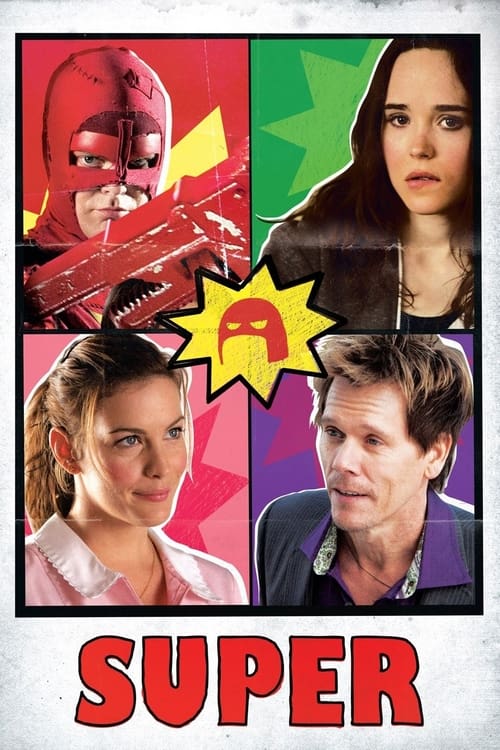
There is a specific, sickening clunk that occurs when a heavy pipe wrench meets the skull of a man who just cut in line at the local multiplex. It isn’t the stylized "thwack" of a Marvel blockbuster or the operatic crunch of a Christopher Nolan fight scene. It’s an ugly, wet, deeply uncomfortable sound. In James Gunn’s 2010 indie deconstruction Super, that sound is the heartbeat of the film. Long before Gunn was given the keys to the multi-billion dollar kingdoms of Guardians of the Galaxy (2014) or the new DC Universe, he was playing in the dirt with $2.5 million and a very angry Rainn Wilson.

I remember watching this for the first time while nursing a mild case of food poisoning from a questionable gas station burrito, and honestly, the nausea I felt perfectly complemented the moral vertigo of the movie.
The Delusion of the Everyman
By 2010, the "realistic superhero" subgenre was already getting crowded. We had Kick-Ass earlier that same year, but where that film felt like a glossy teenage power fantasy, Super feels like a genuine psychiatric cry for help. Rainn Wilson plays Frank Darbo, a man whose life consists of two "perfect" memories: his wedding to the gorgeous, struggling Sarah (Liv Tyler) and a time he pointed a cop in the direction of a fleeing thief. When Sarah leaves him for a slick, sleazy drug dealer named Jacques—played with a delicious, greasy charisma by Kevin Bacon—Frank doesn't just mope. He has a divine vision involving the "Finger of God" (a bizarre, low-fi CGI sequence that screams "indie creativity") and decides to become a superhero named The Crimson Bolt.
Rainn Wilson is a revelation here. He sheds every ounce of the smug, calculated eccentricity of Dwight Schrute from The Office and replaces it with a desperate, vibrating sadness. Frank isn't cool. He’s a guy who sews his own lumpy costume and thinks that "Shut up, crime!" is a viable catchphrase. It's basically a slasher movie where the killer thinks he’s the protagonist. Watching him navigate the "Action" portion of the film is like watching a car crash in slow motion; it’s clumsy, it’s bloody, and it’s wildly irresponsible.
The Sidekick from Hell
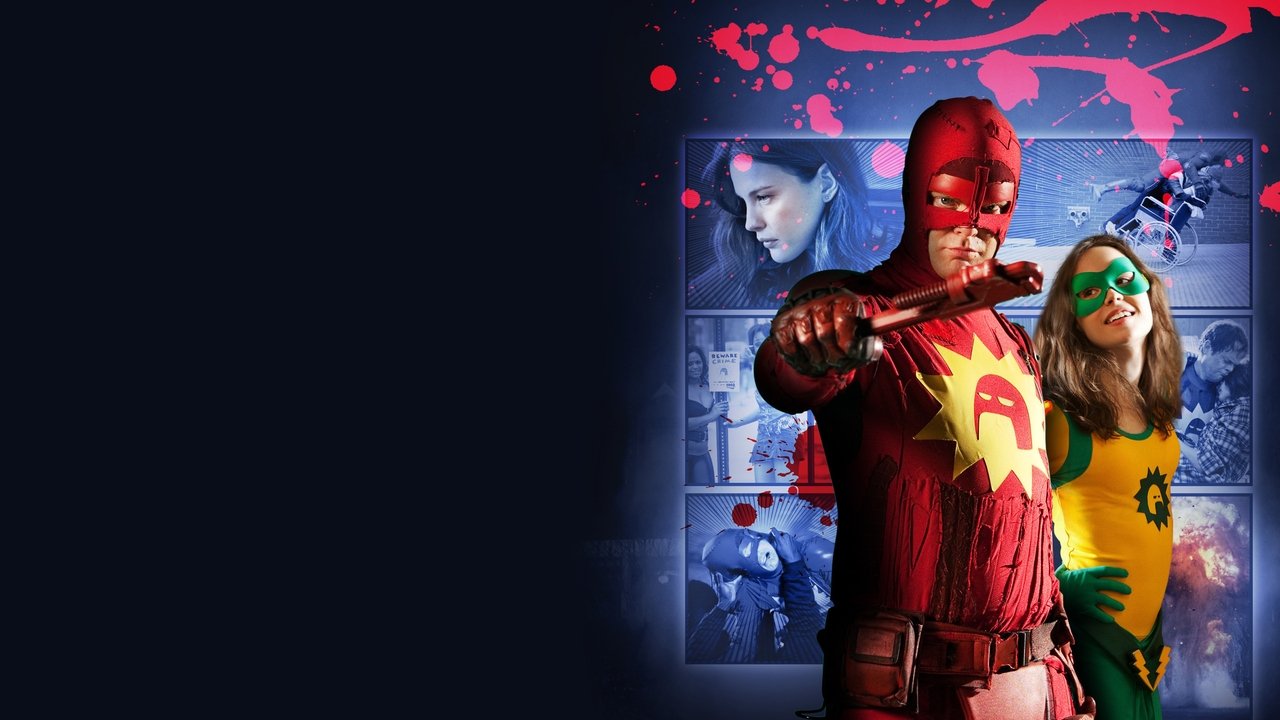
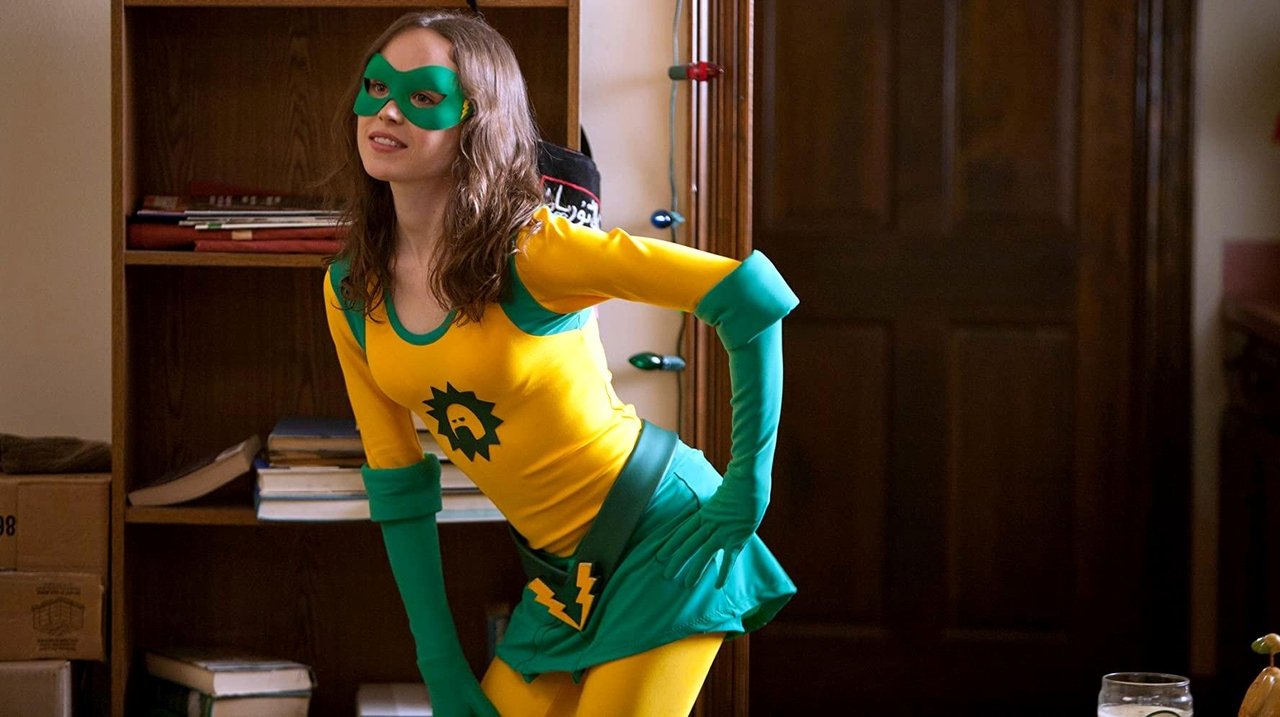
If Frank is the tragic heart of the film, Libby—the comic book store clerk who forced her way into being his sidekick, Boltie—is its chaotic, terrifying soul. Elliot Page gives a performance that is legitimately unsettling. In most superhero movies, the sidekick is the moral compass or the plucky comic relief. Libby, however, is a sociopath who finds the violence of vigilantism sexually arousing. Page plays her with a manic, high-pitched energy that makes you realize Libby is far more dangerous than Frank. She doesn’t care about justice; she just wants to hear the clunk.
Their chemistry is bizarre and often hard to watch, particularly in a mid-film sequence involving a "non-consensual" night of celebration that remains one of the most debated scenes in 21st-century genre cinema. This isn't a film that wants you to be comfortable. It’s a film that asks: What kind of person actually wants to put on a mask and hurt people? The answer Super provides is "not a very stable one."
Indie Grit vs. Digital Gloss
Technically, Super is a fascinating relic of that 2005-2012 era where digital cameras were finally becoming affordable enough for high-end indie features but still retained a certain "flatness" that felt more like a documentary than a movie. James Gunn utilizes this to his advantage. The film was shot in just 24 days in Shreveport, Louisiana, and that rushed, breathless pace translates to the screen.
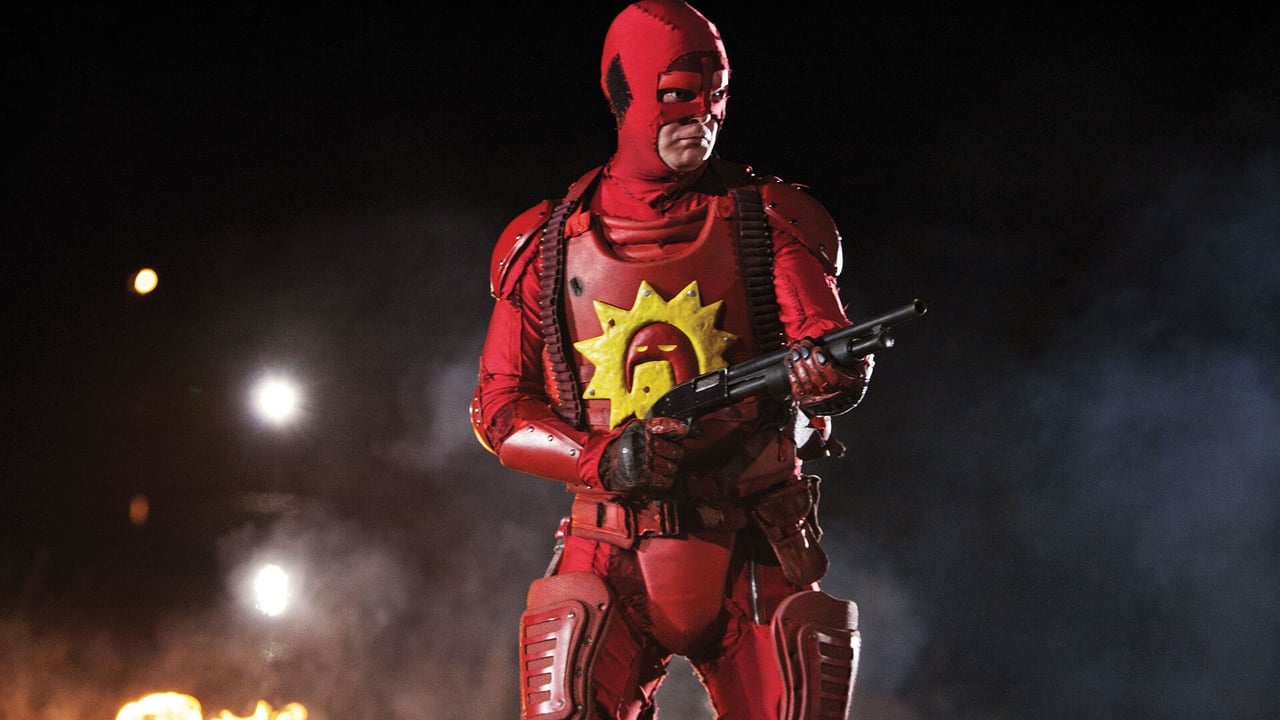
There’s no "CGI revolution" here. When someone gets hit, they bleed. When a bomb goes off, it looks like a small, dangerous firework. This was a "passion project" in the truest sense; Gunn had written the script years prior but struggled to get it funded because it was too dark for the studios and too "superhero" for the indie darlings. He eventually pulled it together through Ted Hope’s Ambush Entertainment, calling in favors from friends like Michael Rooker (who appears as one of Jacques' goons) and Gregg Henry. If you think Batman is 'dark,' Frank Darbo will make you want to hide under your bed.
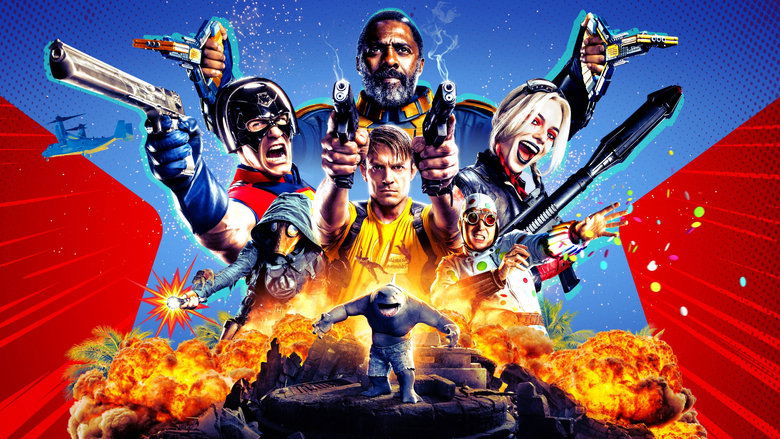
The action choreography is intentionally messy. There are no wire-work flips or choreographed ballets. It’s just people flailing in the mud, throwing heavy objects, and screaming. It’s a far cry from the polished, dance-like sequences Gunn would later master in The Suicide Squad (2021). Yet, there’s a weight to the violence in Super that feels missing from modern tentpoles. When Frank takes a pipe wrench to a guy’s face, you feel the consequence of that choice in your own teeth.
Super isn't for everyone. It’s a jagged, mean-spirited, and occasionally heartbreaking look at the cost of being a "hero" in a world that doesn't have a script. It captures that post-9/11 anxiety where we all wanted a savior but were terrified of what a real one might actually look like. It’s the ultimate "before they were famous" snapshot of a director who would eventually change the face of the genre he’s so effectively deconstructing here. I ate a slightly overripe pear while the credits rolled, and the sticky juice on my chin made me feel as messy as the ending. If you’ve got a strong stomach and a dark sense of humor, it’s time to join the Crimson Bolt. Just... watch out for the wrench.
Keep Exploring...
-

Slither
2006
-

Robot & Frank
2012
-
The Spectacular Now
2013
-

Mr. & Mrs. Smith
2005
-

Sahara
2005
-

Wizards of Waverly Place: The Movie
2009
-
Here Comes the Boom
2012
-
The Suicide Squad
2021
-

The Squid and the Whale
2005
-

High School Musical
2006
-
Felon
2008
-

Blood and Bone
2009
-

Fanboys
2009
-
The Kids Are All Right
2010
-

Beginners
2011
-
The First Time
2012
-

Don Jon
2013
-

The Kings of Summer
2013
-
The Way Way Back
2013
-

Guardians of the Galaxy
2014