Superman/Shazam!: The Return of Black Adam
"A concentrated espresso shot of pure DC adrenaline."
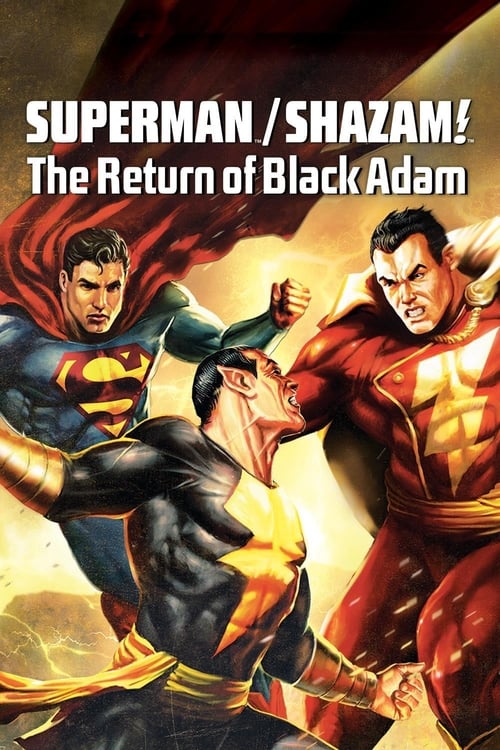
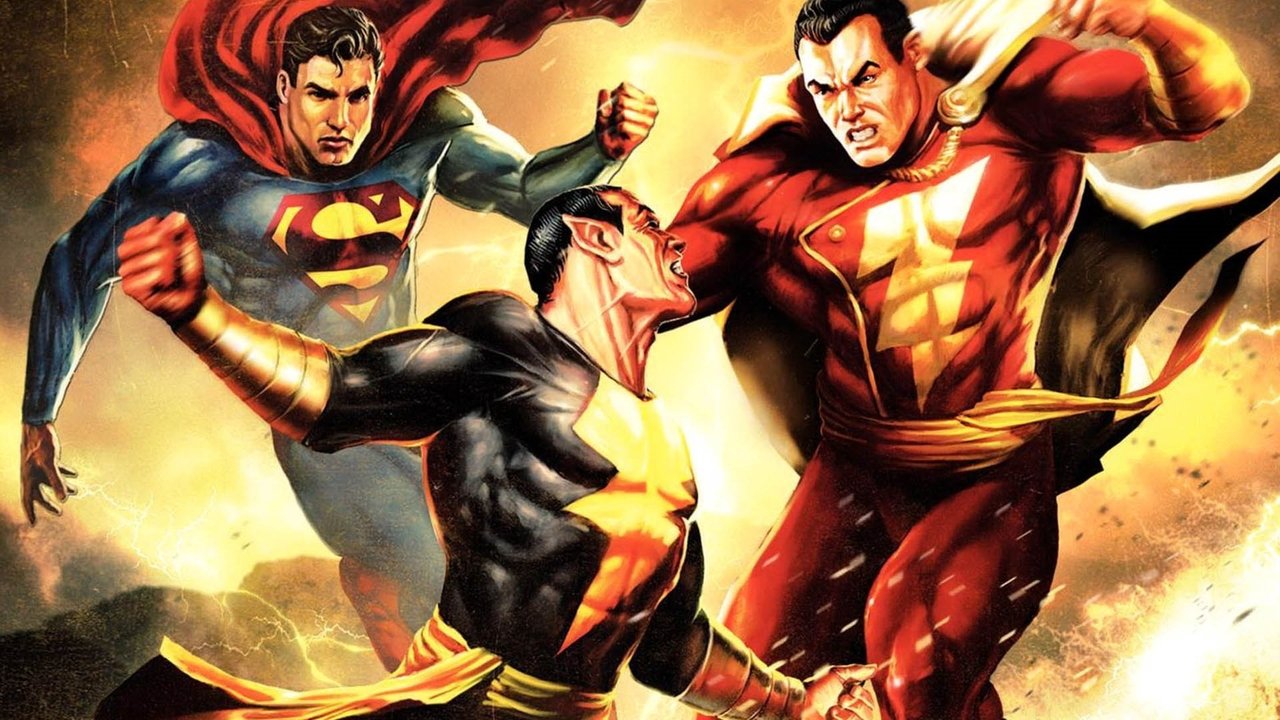
Most superhero movies today feel like they’re stuck in a desperate race to be the longest thing on your calendar, but back in 2010, DC was experimenting with the exact opposite. They released Superman/Shazam!: The Return of Black Adam as the centerpiece of a "DC Showcase" collection, and at a lean 25 minutes, it’s a revelation. It manages to do more with its limited runtime than most three-hour epics do with their bloated second acts. I recently revisited this while eating a bowl of room-temperature Life cereal on a Tuesday morning, and the experience honestly felt like the purest distillation of a Saturday morning cartoon grown up.
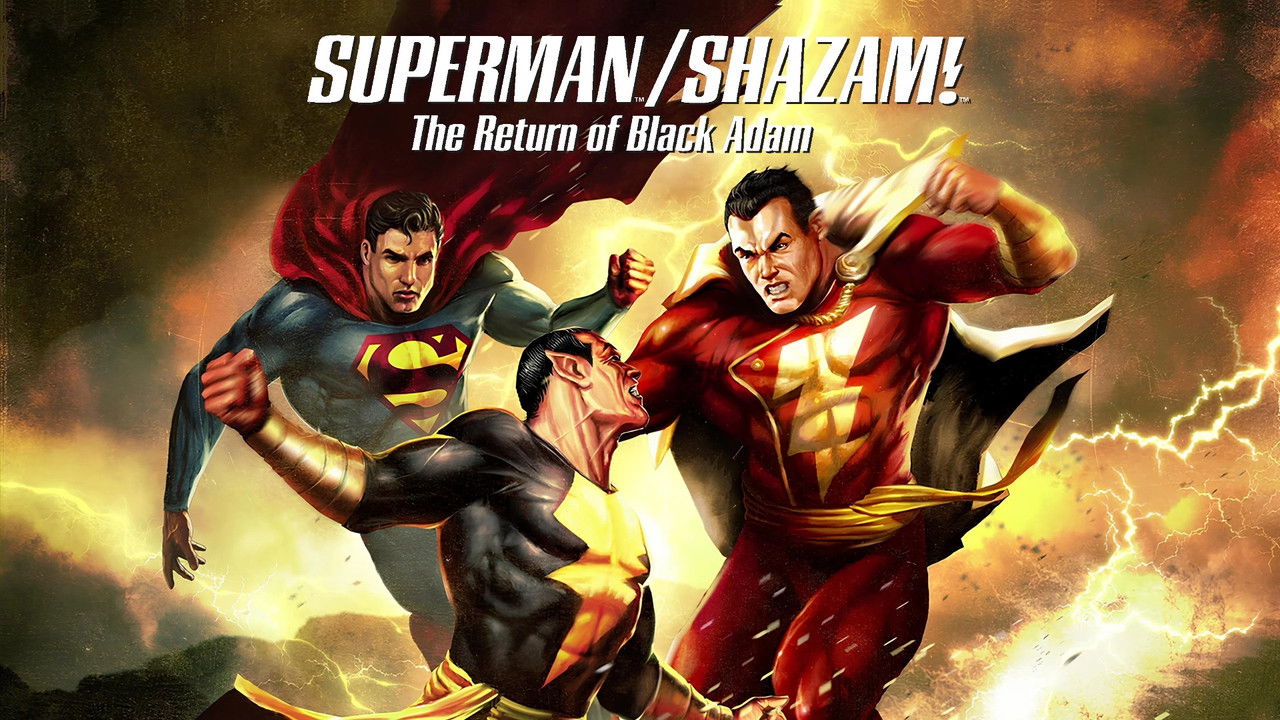
The Peak of the Home Video Era
To understand why this short exists, you have to look back at the late 2000s and early 2010s. This was the golden age of the DC Universe Animated Original Movies. While the live-action side of the house was still trying to figure out if it wanted to be "dark and gritty" or just "dark," the animation team was churning out hits like Under the Red Hood. This short was a bit of an oddity—a "mini-movie" intended to bridge the gap between their bigger releases.
It arrived right as DVD culture was beginning to wane in favor of digital, but we were still in that sweet spot where a "Special Edition" actually meant something. Looking back, this was DC's most confident era, a time when they weren't trying to copy a cinematic formula but were simply letting creators like Joaquim Dos Santos (who later helped redefine animation with the Spider-Verse sequels) go wild. The result is a film that feels both nostalgic for the classic "Big Red Cheese" era of the 1940s and perfectly suited for the high-intensity standards of the modern action genre.
Punching Through the Atmosphere
The action here is the main event, and it is spectacular. Joaquim Dos Santos brings the same sense of weight and geography he utilized in Avatar: The Last Airbender. When Black Adam hits Superman, you don't just see a flash of light; you see the environment disintegrate. There’s a sequence in a grimy city diner that feels wonderfully grounded before it escalates into a literal god-tier brawl. The choreography is clear, brutal, and purposeful. Unlike the "shakey-cam" trend that was still infecting action movies in 2010, the camera here is wide and steady, allowing us to appreciate the sheer scale of the destruction.
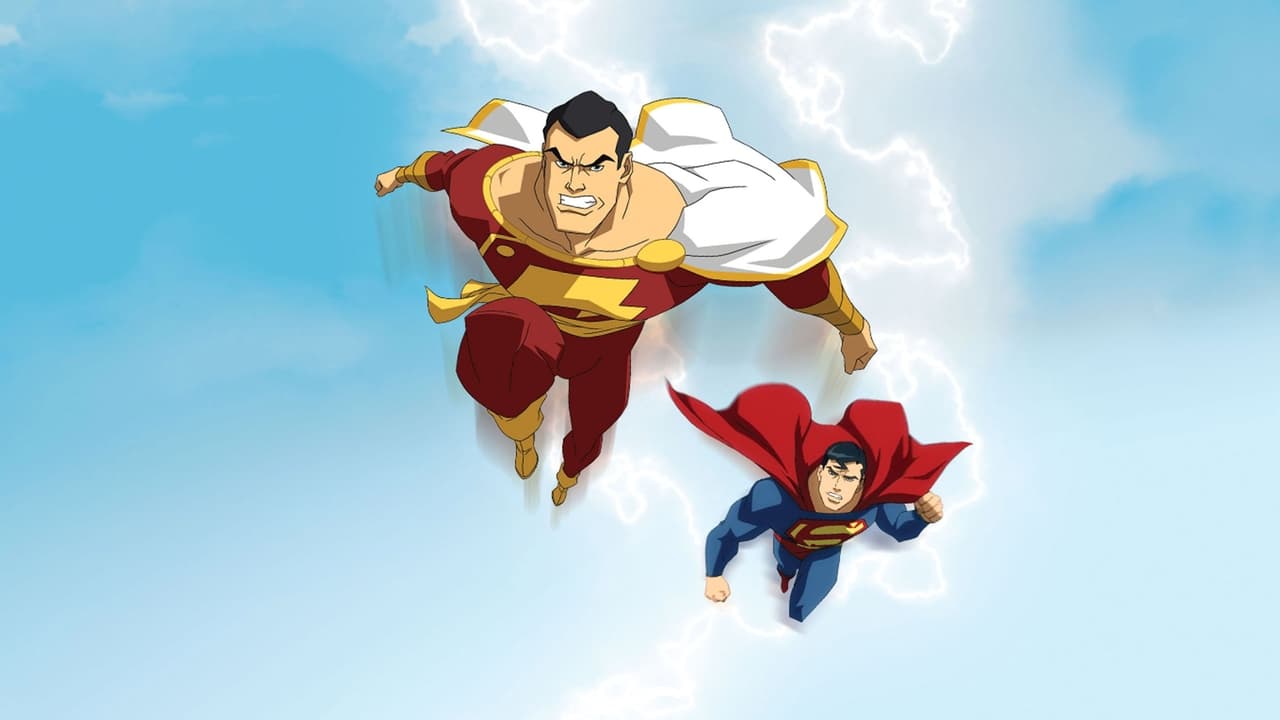
Arnold Vosloo, whom I’ll always love as the titular undead priest in The Mummy (1999), voices Black Adam with a cold, aristocratic menace. He isn’t just a villain; he’s a warning of what happens when power outlives its morality. The fight isn't just about who hits harder; it's a clash of ideologies. Watching Superman, voiced by the definitive George Newbern, realize that he’s essentially outmatched by magic adds a layer of genuine tension that many of the Man of Steel’s adventures lack. Superman is basically a guy bringing a solar-powered knife to a lightning fight.
The Heart of the Wizard
For an obscure short film, the voice cast is remarkably prestigious. Landing James Garner (of The Rockford Files fame) to voice the Wizard Shazam was a masterstroke. His voice carries a weary, ancient weight that makes the transformation of young Billy Batson feel mythic rather than just a plot device. Zach Callison, years before he became the voice of Steven Universe, captures the vulnerability of a kid who’s been kicked around by the foster system and suddenly finds himself holding the keys to the kingdom.
The central conflict—Billy deciding whether to use his new power for revenge or justice—is handled with surprising grace for a 25-minute script. Writer Michael Jelenic (who would later give us the vastly different but equally successful Teen Titans Go!) understands that Billy Batson is the moral anchor of the DC Universe, even more so than Clark Kent. Seeing Jerry O’Connell return as Captain Marvel (a role he played perfectly in Justice League Unlimited) provides a sense of continuity that fans of that era's animation deeply appreciated.

What’s most impressive is how the film handles the "Modern Cinema" transition. It uses digital coloring and some subtle 3D effects for the backgrounds that still hold up remarkably well. It doesn't look "cheap" like some of the later, more corporatized animated features. It feels like a labor of love, a "what-if" scenario that was given the budget and talent of a feature-length production. It’s a shame this format didn't take off more; most modern superhero movies would be 400% better if they were forced to tell their story in under half an hour.
If you can find this tucked away on a streaming service or an old DVD, it is the perfect way to spend a lunch break. It captures the wonder of the character of Shazam far better than the 2019 live-action film, mostly because it isn't afraid to let the stakes feel dangerous. It’s a reminder of a time when DC’s animated department was the undisputed heavyweight champion of the genre. You’ll come for the Superman brawl, but you’ll stay for the heart of a kid from Fawcett City just trying to do the right thing.
Keep Exploring...
-
Justice League: The Flashpoint Paradox
2013
-
Final Fantasy VII: Advent Children
2005
-
Titan A.E.
2000
-
Final Fantasy: The Spirits Within
2001
-
Osmosis Jones
2001
-
9
2009
-

Justice League: Throne of Atlantis
2015
-

Star Wars: The Clone Wars
2008
-
Astro Boy
2009
-
Batman: The Dark Knight Returns, Part 1
2012
-
Justice League: Doom
2012
-

Batman: The Dark Knight Returns, Part 2
2013
-
Son of Batman
2014
-

Evangelion: 1.0 You Are (Not) Alone
2007
-
Evangelion: 2.0 You Can (Not) Advance
2009
-

Evangelion: 3.0 You Can (Not) Redo
2012
-
Resident Evil: Damnation
2012
-
Dragon Ball Z: Battle of Gods
2013
-
Batman vs. Robin
2015
-
Justice League vs. Teen Titans
2016