The Book of Eli
"The last hope for humanity is written in Braille."
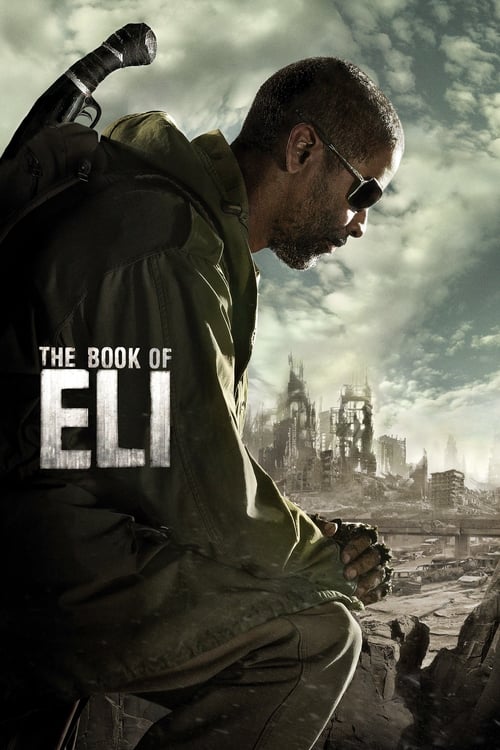
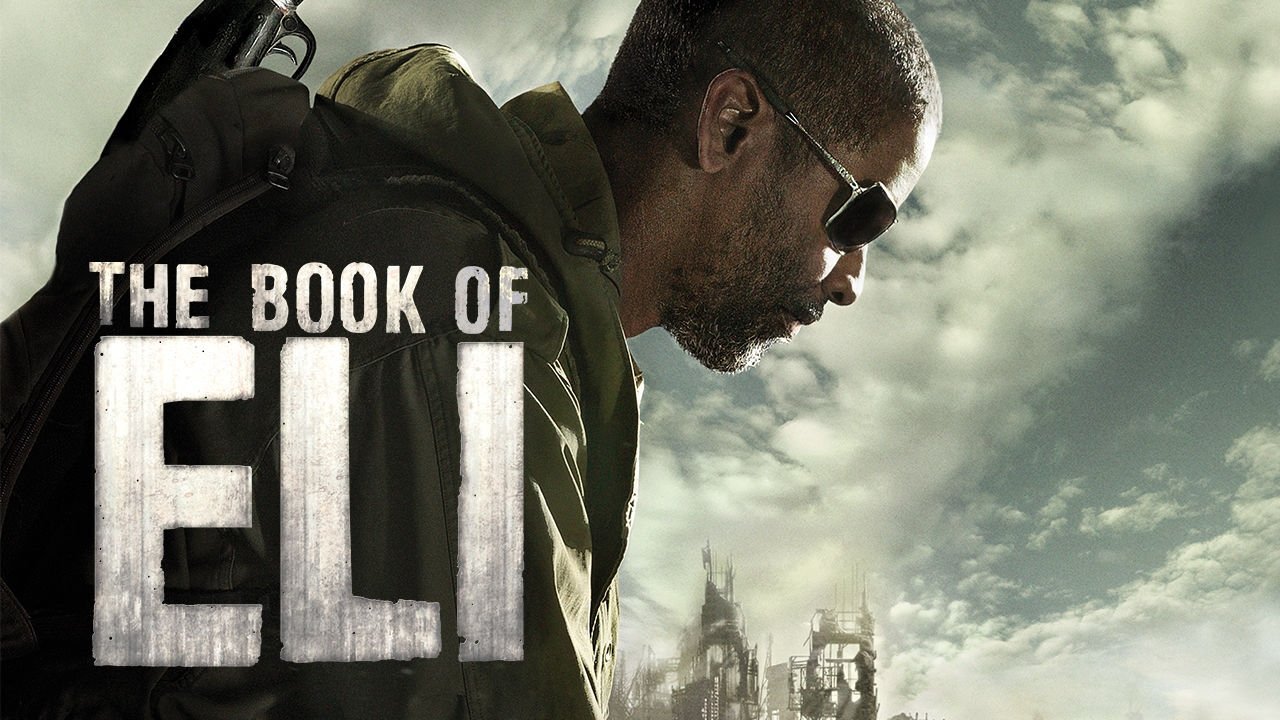
There is a specific, gravity-defying brand of "cool" that only Denzel Washington can pull off. It’s a quiet, simmering competence that suggests he’s already played out the next thirty seconds of your life in his head, and none of them end well for you. I remember watching The Book of Eli for the first time while nursing a particularly nasty wisdom tooth recovery; the room was dark, the painkillers were kicking in, and the film’s high-contrast, bleached-out sky felt like it was burning directly into my retinas. It’s a movie that feels like a dusty, leather-bound artifact itself—rugged, singular, and unexpectedly heavy.
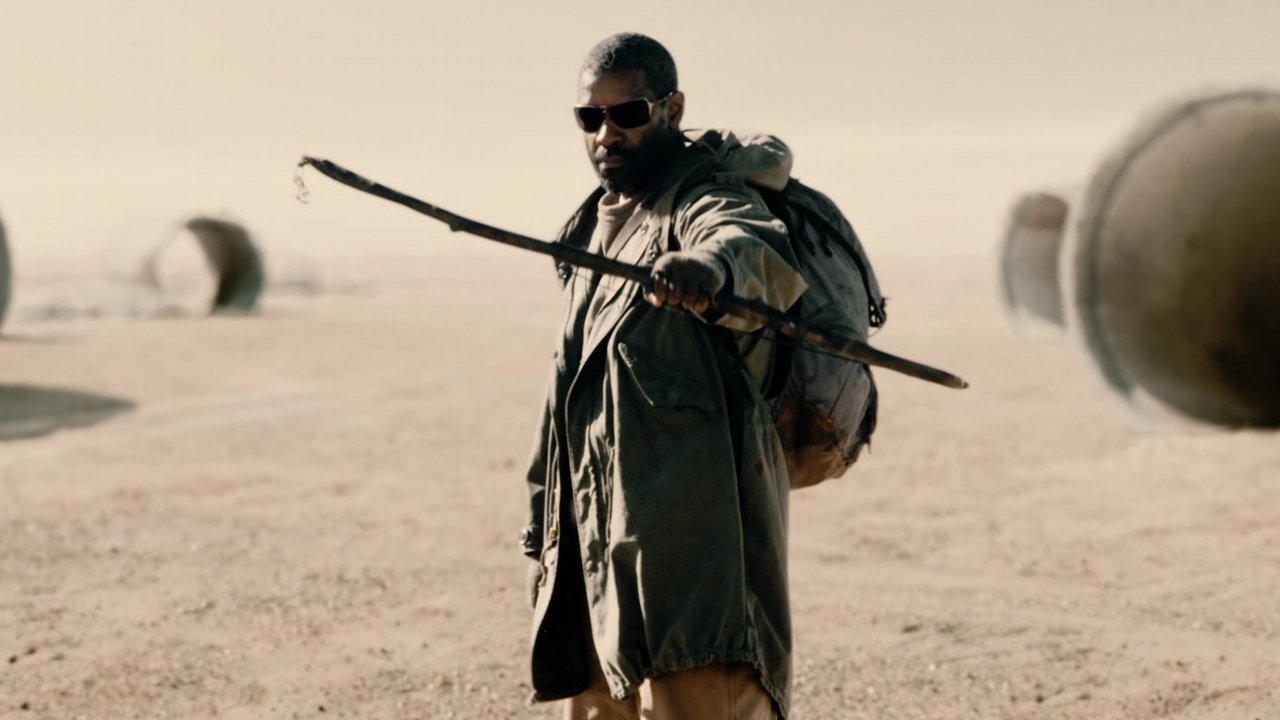
Released in 2010, right at the tail end of a decade obsessed with "gritty" reboots and desaturated post-apocalypses, The Book of Eli could have easily been another forgotten Mad Max clone. Instead, Allen Hughes and Albert Hughes (the duo behind the visually lush From Hell) delivered something that feels more like a Zen-Western. It’s a film where the silence is just as important as the sound of a machete whistling through the air.
The Art of the Post-Apocalyptic Scuff
The first thing that hits you isn't the story, but the texture. This was shot on the RED One digital camera back when digital was still trying to prove it could look "cinematic," and the Hughes Brothers leaned into the medium’s sharp, unforgiving clarity. Everything looks scorched. I love that the world doesn't just look "dirty"—it looks exhausted.
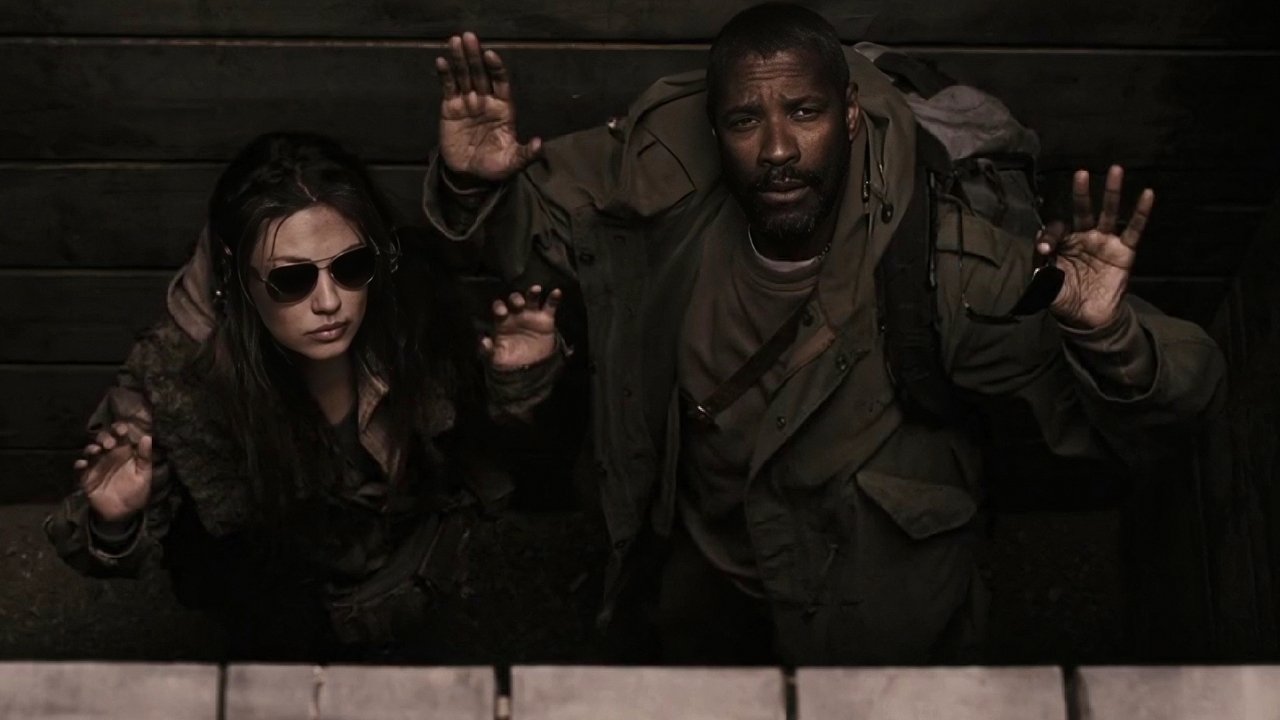
Our man Eli (Denzel Washington) is walking West. He’s been walking for thirty years. He has a sword, a portable music player with a dying battery, and a book wrapped in plastic. When he hits a ramshackle town run by a charismatic despot named Carnegie (Gary Oldman), the movie shifts from a survivalist tone-poem into a high-stakes game of keep-away. Gary Oldman is essentially playing a dark mirror to Eli; while Eli uses the Word to find peace, Carnegie wants it to build an empire. Watching these two titans trade barbs is worth the price of admission alone. Oldman’s performance is a glorious reminder that nobody plays a literate sociopath quite like him.
Choreography with Consequences
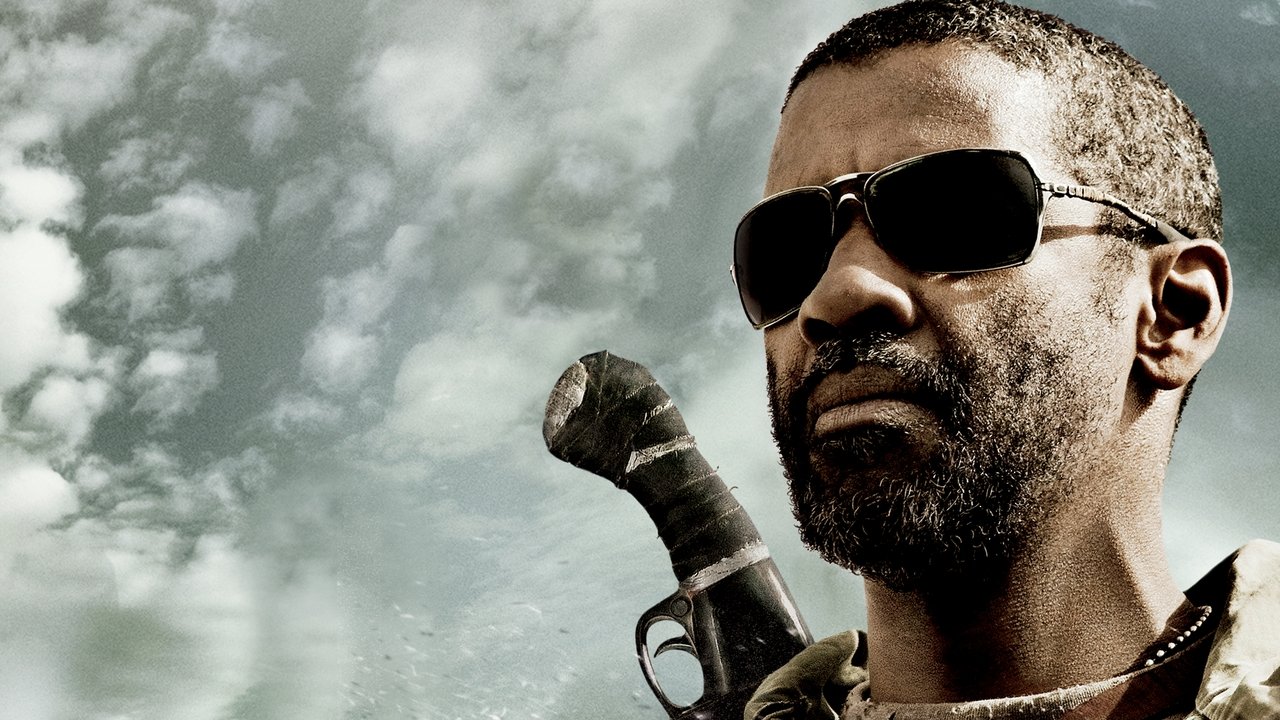
In an era where action was becoming increasingly reliant on "shaky-cam" (thanks, Bourne), the action in The Book of Eli is refreshingly legible. There’s a standout sequence early on—a skirmish under a bridge—where Eli takes out a gang of hijackers in silhouette. It’s staged with a rhythmic, almost dance-like precision.
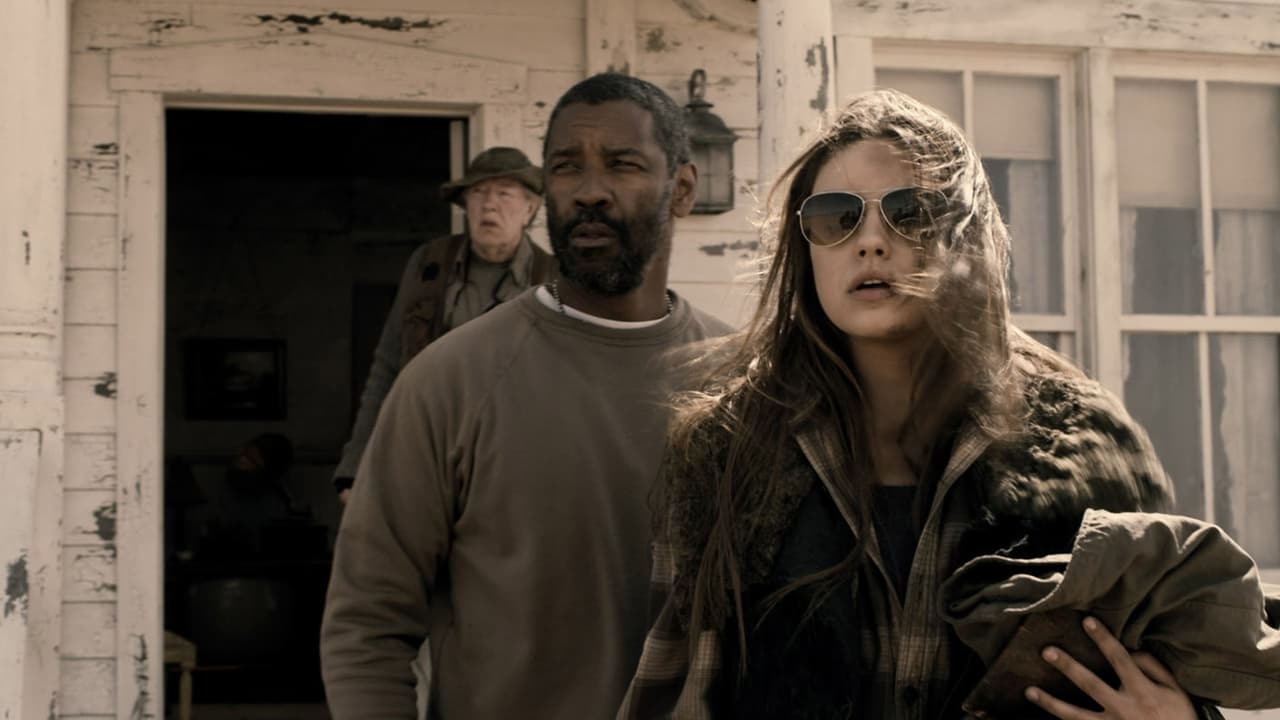
Apparently, Denzel Washington did all his own stunts, training for months under Dan Inosanto, a protégé of Bruce Lee. You can feel that preparation in the way Eli moves. He doesn't waste energy. Every swing of his blade is an economy of motion. It’s the antithesis of the over-edited "chaos cinema" that dominated the early 2010s. The film also features a fantastic house siege involving Michael Gambon and Jennifer Beals that manages to be both hilarious and genuinely tense, proving that even at the end of the world, a well-placed gatling gun is a great conversationalist.
The Secret Life of a Cult Classic
While the film did decent business at the box office, its life as a cult favorite grew in the "DVD era" transition to streaming. People realized that this wasn't just a "faith-based" movie—though it certainly has those bones—it was a love letter to the power of literacy and the preservation of culture.
The "twist" at the end (no spoilers here, though the film is 14 years old) completely recontextualizes every single physical action Eli takes throughout the runtime. It’s one of those rare reveals that doesn't feel like a cheap gimmick; it feels like a reward for paying attention to the sound design and Washington’s subtle physical cues.
Some Quick Bits You Might Have Missed:
Eli’s iPod? It’s a 4th Generation Classic. In the apocalypse, apparently, the click-wheel is the only tech that survives. The film’s score is by Atticus Ross (before he became the Oscar-winning duo with Trent Reznor). It’s an eerie, industrial soundscape that avoids the sweeping orchestral clichés of most hero journeys. There’s a hilarious cameo by Tom Waits as a master of "re-charging" old electronics. It’s the most "Tom Waits" role imaginable. The "KFC wet wipe" moment is a genuine piece of survivalist gold—a tiny reminder of the comforts we take for granted.
The Book of Eli is a rare breed: an original sci-fi property that doesn't feel like it’s auditioning for a ten-movie franchise. It’s self-contained, beautifully shot, and anchored by a lead performance that balances "action star" with "monastic soul." Mila Kunis, playing Carnegie's daughter/Eli's eventual traveling companion, does her best, though she occasionally feels like she’s visiting from a much sunnier, less-lethal production. However, the chemistry between the core cast and the unwavering commitment to the film’s bleak-yet-hopeful aesthetic makes this a standout of the 2010s. If you haven't revisited it since the theater, or if you only caught it in snippets on cable, give it a proper watch. Just make sure you turn the lights down—that sun is bright.
Keep Exploring...
-
Déjà Vu
2006
-
The Island
2005
-

X-Men: The Last Stand
2006
-
Next
2007
-
Surrogates
2009
-
Terminator Salvation
2009
-
I Am Number Four
2011
-
Total Recall
2012
-
Elysium
2013
-

World War Z
2013
-
The Taking of Pelham 1 2 3
2009
-

Repo Men
2010
-
Unstoppable
2010
-
Safe House
2012
-
Serenity
2005
-
Children of Men
2006
-
Death Race
2008
-
9
2009
-
Pandorum
2009
-
Looper
2012