The Chronicles of Narnia: The Voyage of the Dawn Treader
"Beyond the edge of the map, magic awaits."
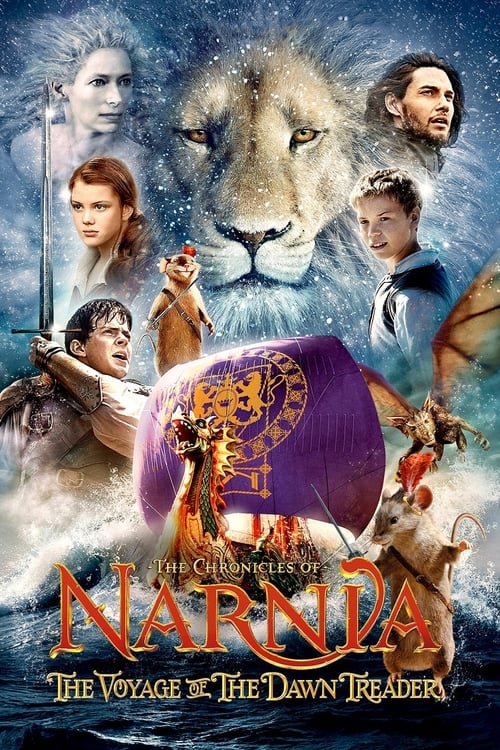
There is a specific kind of magic in watching a bedroom wall dissolve into a crashing Atlantic wave. I remember seeing that sequence for the first time and feeling that phantom spray of saltwater on my face. It’s the kind of visual hook that defines the "Modern Cinema" era—that mid-2000s sweet spot where CGI finally had enough muscle to render water realistically, but directors were still trying to figure out how to keep the heart from getting drowned in the pixels.
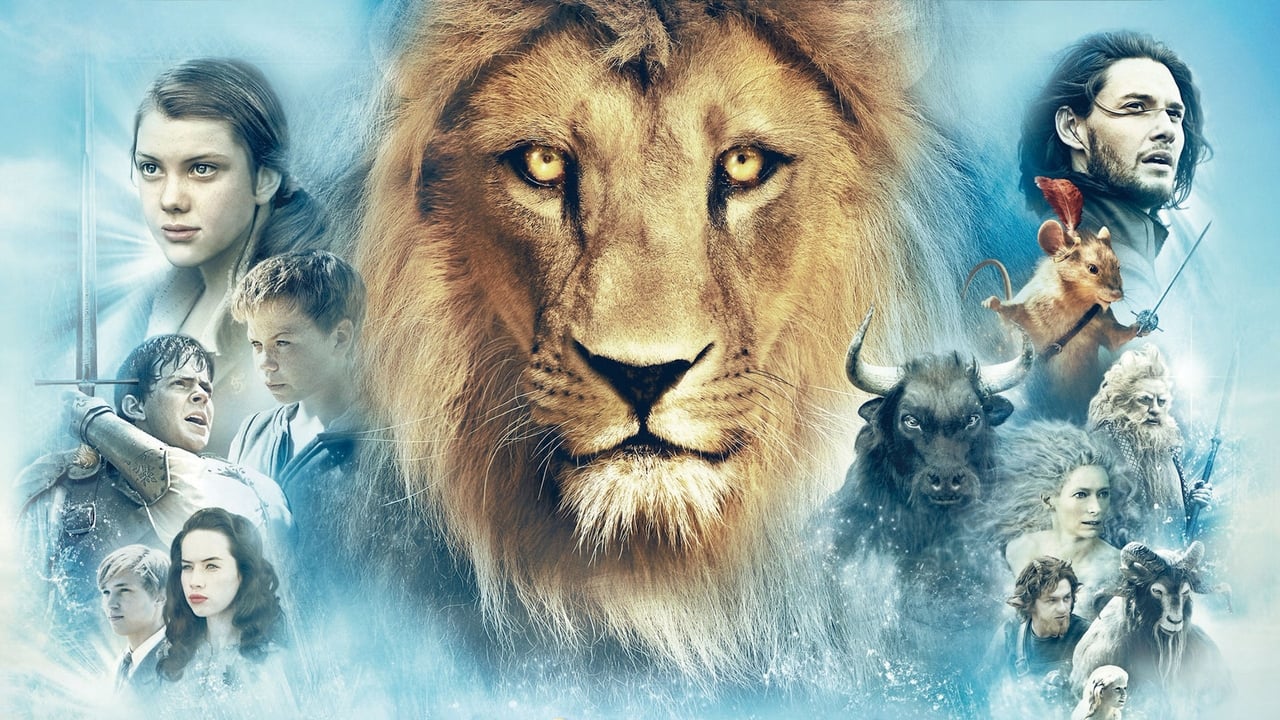
The Chronicles of Narnia: The Voyage of the Dawn Treader arrived in 2010 as a bit of a cinematic orphan. Disney had famously jumped ship after Prince Caspian didn't quite hit Lord of the Rings numbers, leaving Fox 2000 to pick up the pieces. I watched this film in a theater that smelled faintly of damp carpet and over-salted pretzels, which, oddly enough, perfectly set the mood for a nautical adventure. It feels less like a world-ending epic and more like a high-seas road movie, and in retrospect, that’s exactly why it’s the entry I find myself revisiting most often.
A Different Kind of Wardrobe
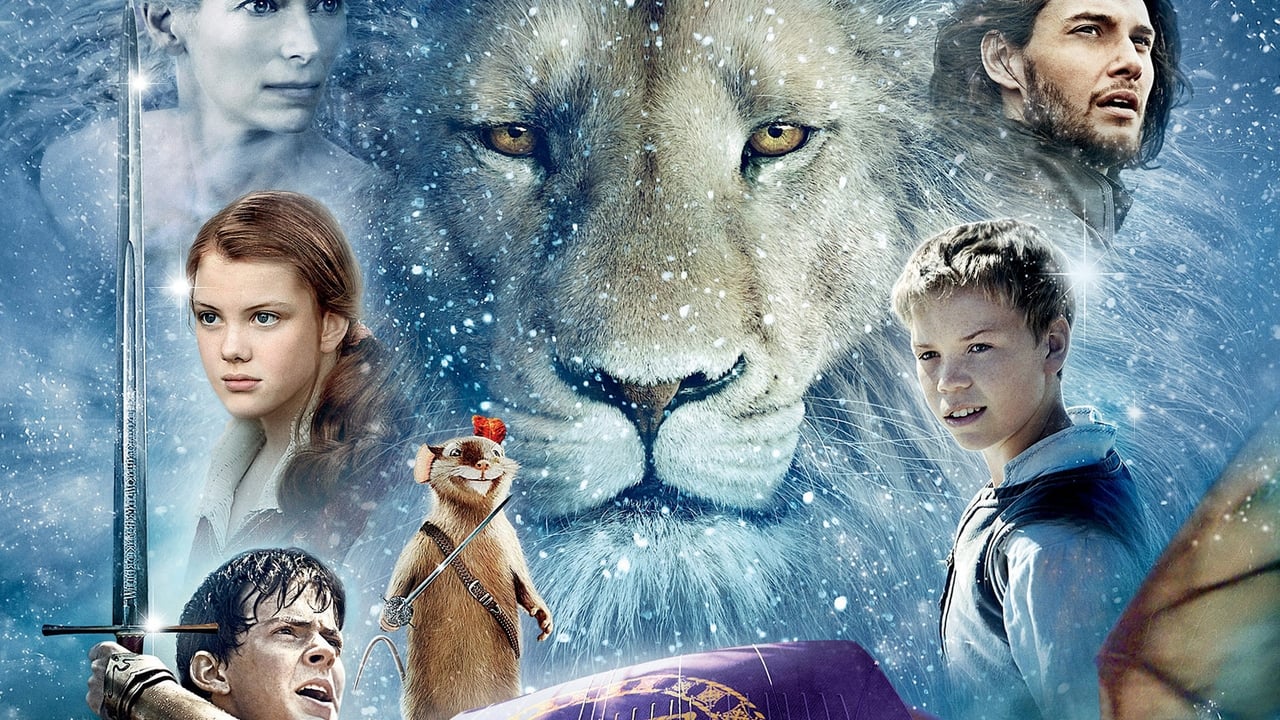
By the time we get to this third outing, the Pevensie siblings are aging out of their roles. Anna Popplewell and William Moseley are relegated to cameos, leaving the heavy lifting to Georgie Henley (Lucy) and Skandar Keynes (Edmund). They’ve grown into their roles with a comfortable, lived-in chemistry, but the real spark comes from the addition of their cousin, Eustace Scrubb.
Will Poulter is, quite frankly, a revelation here. Before he was a meme or a Marvel star, he was the world’s most irritating boy, and he plays it with a sneering, diary-writing perfection. Eustace Scrubb is the most relatable character in the entire franchise because he’s the only one who reacts to magic with appropriate levels of annoyance. While Lucy and Edmund are gazing wistfully at the horizon, Eustace is complaining about the lack of proper hygiene and the logistical nightmare of being trapped on a boat with a talking mouse. It’s the injection of humor the series desperately needed.
Navigating the Digital Sea
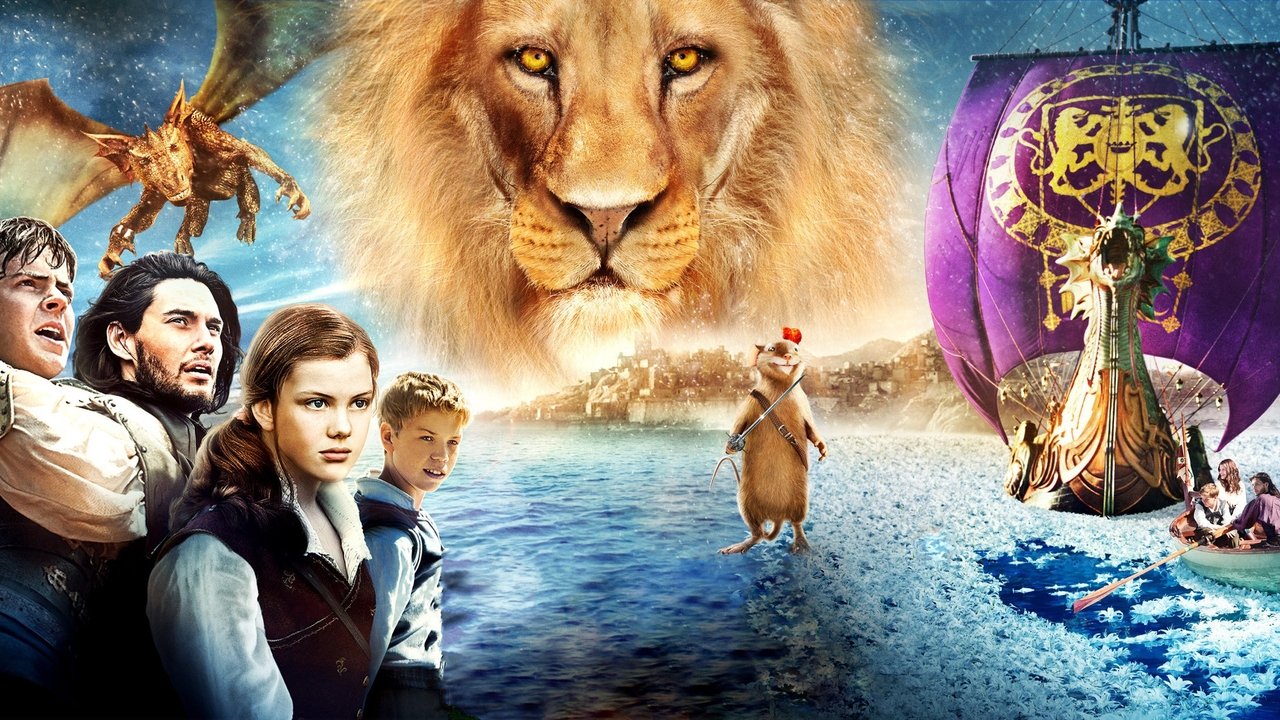
Director Michael Apted, known more for his character work and Bond outings like The World Is Not Enough, takes over the helm from Andrew Adamson (who directed the first two and stayed on as a producer). You can feel Apted’s touch in the smaller moments—the sibling rivalry, the temptations of the Green Mist, and the quiet conversations on the deck. However, he was also working during the height of the "post-Avatar 3D" craze.
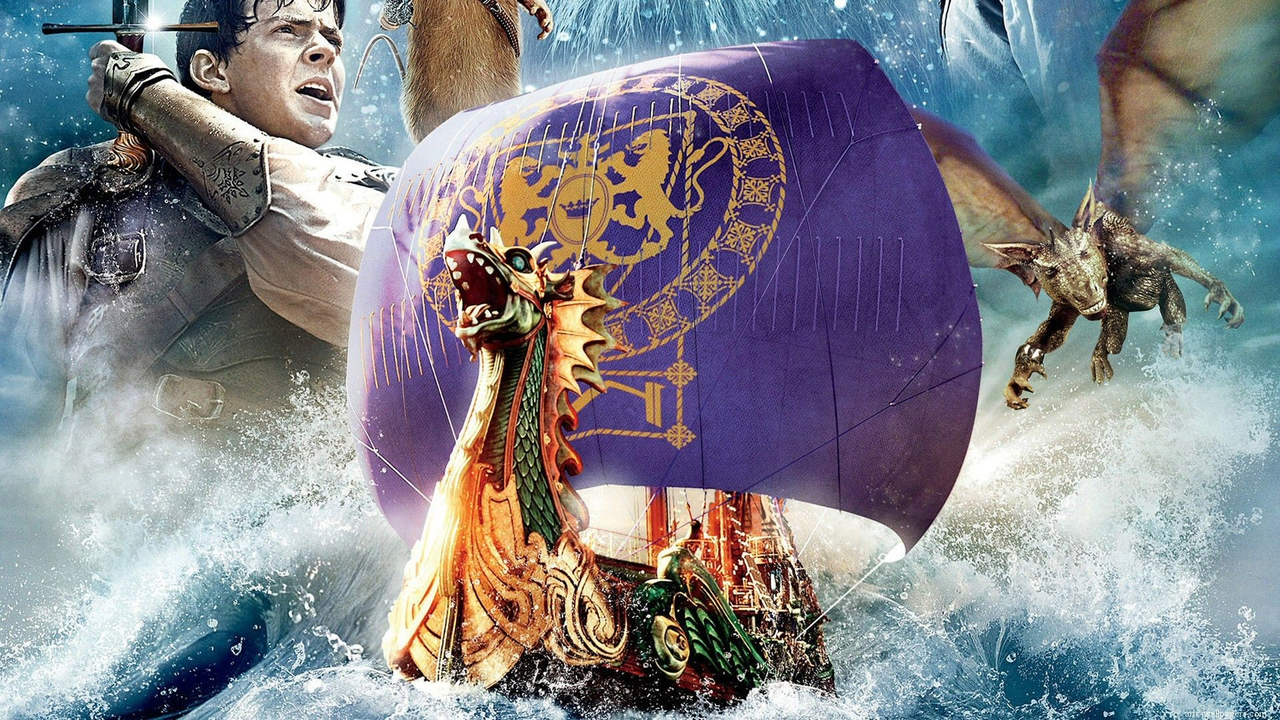
Looking back, the CGI is a fascinating time capsule. The sea serpent sequence is a technical marvel for 2010, yet some of the green-screen work during the island hopping feels a bit floaty. But then there’s Reepicheep. Now voiced by Simon Pegg (who replaced Eddie Izzard), the chivalrous mouse is a triumph of character animation. He has more soul than half the human actors in modern blockbusters. The dragon transformation is the only time CGI actually felt like it had a soul in 2010, capturing a sense of loneliness and repentance that hits much harder than you’d expect from a "family" film.
The Cult of the Black Sheep
While the first film was a phenomenon and the second a gritty war movie, Dawn Treader has become a bit of a cult favorite among Narnia purists. It captures the episodic, "weird" nature of C.S. Lewis’s writing better than the others. It’s a series of vignettes—the Dufflepuds, the Slave Market, the Dark Island—that feel like a fever dream. It’s also notable for being the last gasp of the big-budget Narnia era before the franchise went into a decade-long hibernation.
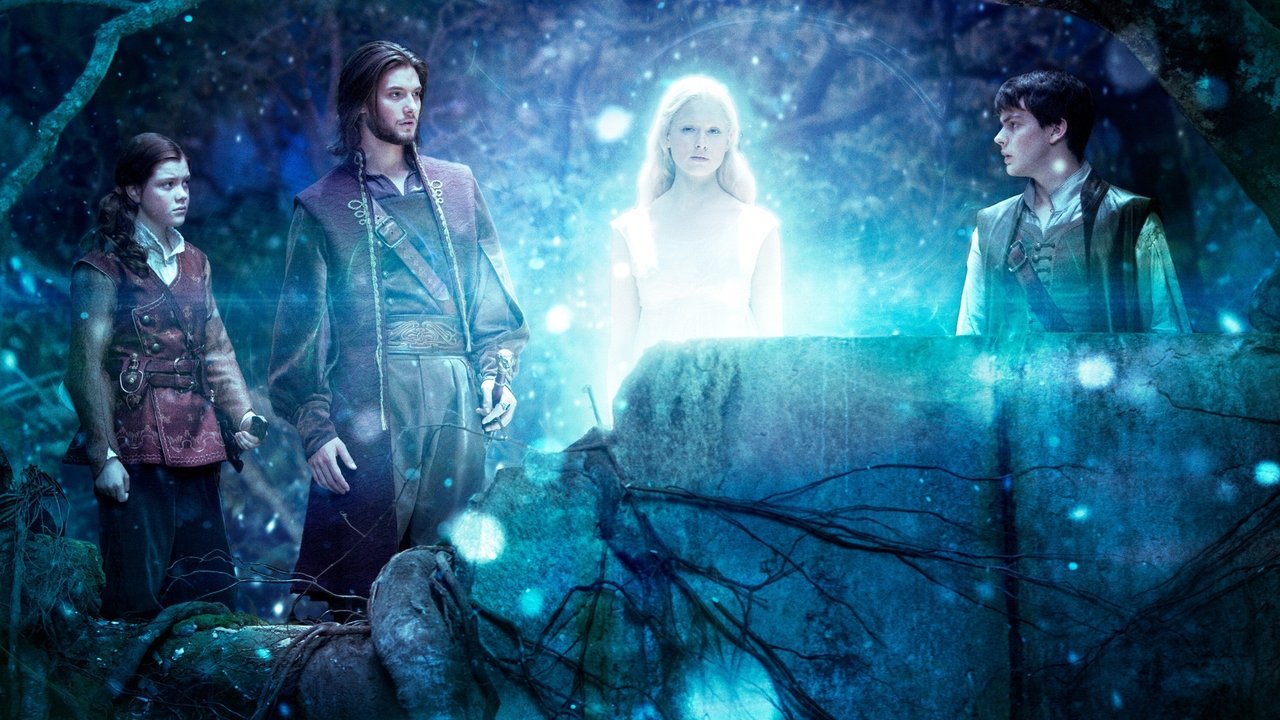
I’ve always felt that Ben Barnes as King Caspian finally found his footing here. He’s less "moody teen" and more "capable leader," and his interactions with the kids feel earned. The film also features a brief, chilling return of Tilda Swinton as the White Witch, reminding us that even in the middle of the ocean, the ghosts of the past are never far away.
Apparently, the production was a massive undertaking in Queensland, Australia. They built a 125-ton ship on a gimbal that could rotate 360 degrees to simulate the rocking of the ocean. You can see that physical weight on screen; when the boat tilts, the actors aren't just pretending. It’s that blend of massive practical props and evolving digital effects that defines this era of filmmaking. This is the only 3D conversion from that era that didn't give me a headache, though it did make me crave seafood.
The Voyage of the Dawn Treader is a charming, if occasionally clunky, conclusion to the Pevensie era of Narnia. It doesn't quite reach the emotional heights of the first film, but it possesses a sense of wonder and adventure that feels increasingly rare in today's formulaic franchise landscape. It’s a movie about growing up and realizing that while the magic of childhood eventually ends, the lessons you learned in the wardrobe—or on the deck of a ship—stay with you. If you have 113 minutes and a desire to sail off the map, this voyage is well worth the ticket.
Keep Exploring...
-
The Chronicles of Narnia: Prince Caspian
2008
-
The Chronicles of Narnia: The Lion, the Witch and the Wardrobe
2005
-
Herbie Fully Loaded
2005
-
Stardust
2007
-
Inkheart
2008
-
The Spiderwick Chronicles
2008
-
Night at the Museum: Battle of the Smithsonian
2009
-
Brave
2012
-
Mirror Mirror
2012
-
Rise of the Guardians
2012
-
Epic
2013
-

Oz the Great and Powerful
2013
-
Percy Jackson: Sea of Monsters
2013
-
Night at the Museum: Secret of the Tomb
2014
-

Arthur and the Invisibles
2006
-
Legend of the Guardians: The Owls of Ga'Hoole
2010
-
Percy Jackson & the Olympians: The Lightning Thief
2010
-
Last Action Hero
1993
-
Stuart Little
1999
-
The Road to El Dorado
2000