The Debt
"The truth is the only debt you can't repay."
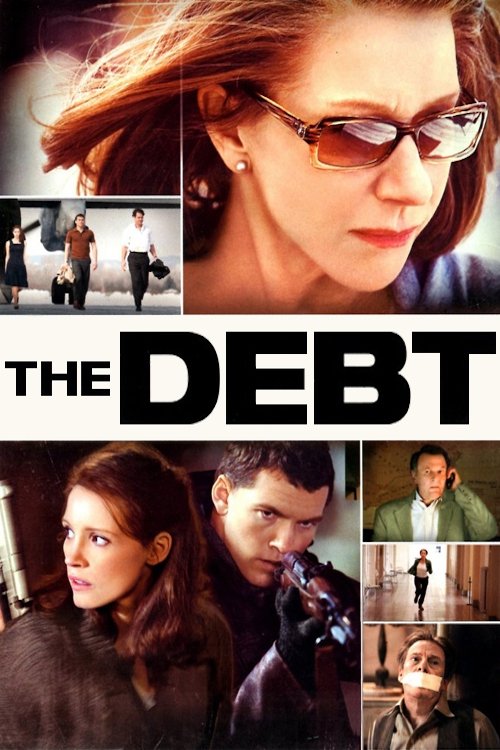
I’m a sucker for a movie that asks a very specific, uncomfortable question: What if your greatest achievement—the thing people toast you for at parties—was actually your most shameful lie? There’s a particular brand of "Hero’s Guilt" that Helen Mirren wears better than almost anyone in Hollywood, and in The Debt, she wears it like a lead-lined coat.

I remember watching this for the first time on a grainy DVD I’d rented while nursing a head cold, and I spent the entire middle act trying to peel a pomegranate without looking away from the screen, ending up with a kitchen that looked like a crime scene. It’s that kind of movie. It demands your eyes, even when the pacing feels like it’s deliberately trying to make you squirm.
The Miramax Limbo and the Remake Game
The Debt is a bit of a "lost" child of the late 2000s. It’s a remake of a 2007 Israeli film (Ha-Hov), and it arrived during that weird transitional period where Miramax was being sold off and restructured. Consequently, this film sat on a shelf for a year, gathered some dust, and was finally dumped into theaters in 2011. Looking back, it feels like one of the last gasps of the "prestige mid-budget thriller"—the kind of movie that doesn't need a cape or a multi-film universe to justify its existence, just a few locked rooms and a lot of psychological trauma.
What’s truly wild is the creative team. You’ve got director John Madden (Shakespeare in Love) steering a script co-written by Matthew Vaughn and Jane Goldman. If those names sound familiar, it’s because they’re the duo behind Kick-Ass and Kingsman. You’d expect something hyper-stylized or snarky, but instead, they deliver a cold, methodical, and deeply human look at the cost of "doing what's necessary."
A Masterclass in Mirroring
The film splits its soul between two timelines: 1966 East Berlin and 1997 Tel Aviv. We follow three Mossad agents tasked with kidnapping a Nazi war criminal—the "Surgeon of Birkenau"—to bring him to justice. The younger trio is played by Jessica Chastain, Sam Worthington, and Marton Csokas, while their older counterparts are Helen Mirren, Ciarán Hinds, and Tom Wilkinson.
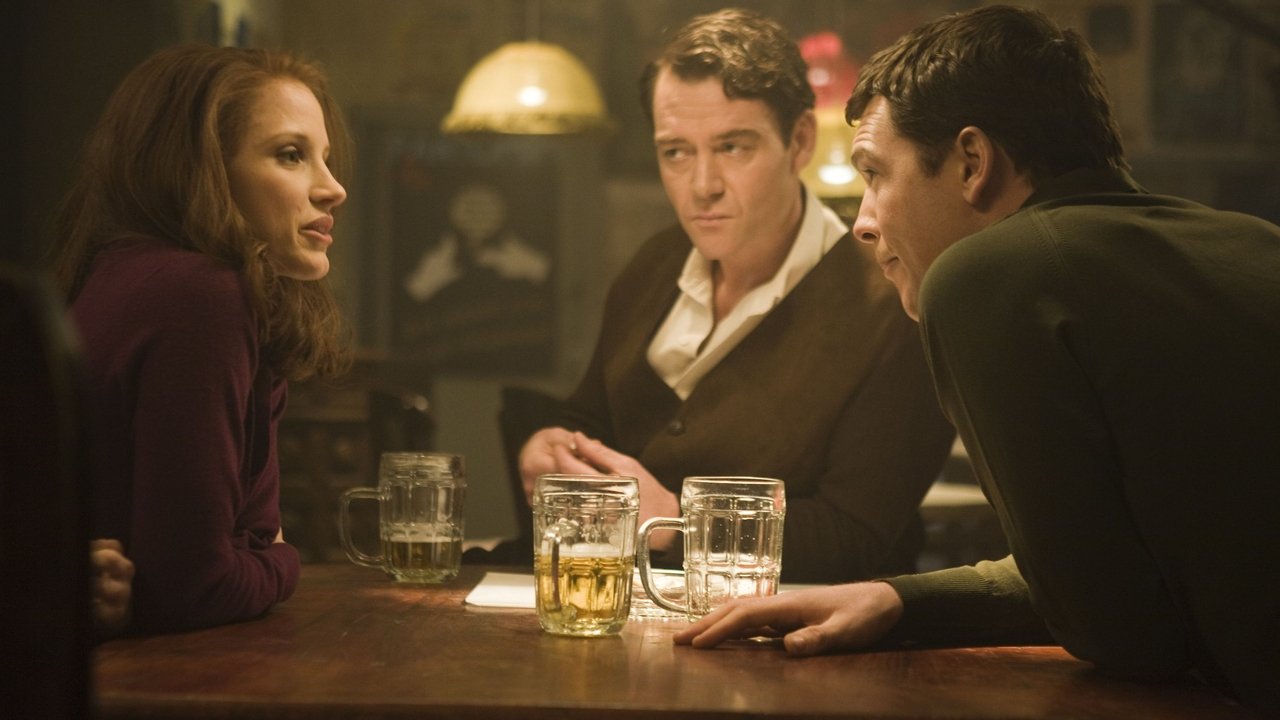
Usually, in these "younger version/older version" movies, there’s one side of the story that feels like a chore. Not here. Jessica Chastain was right on the cusp of her "year of everything" in 2011, and you can see why she blew up. She captures this vibrating anxiety that perfectly mirrors Mirren’s haunted stillness. When young Rachel is practicing Krav Maga or infiltrating a gynecologist's office (the most skin-crawlingly tense scene in the movie), you feel the amateurism of her youth. These aren't polished action heroes; they’re kids in over their heads, fueled by a Zionism that is being tested by the grim reality of a man who refuses to be a monster in plain sight.
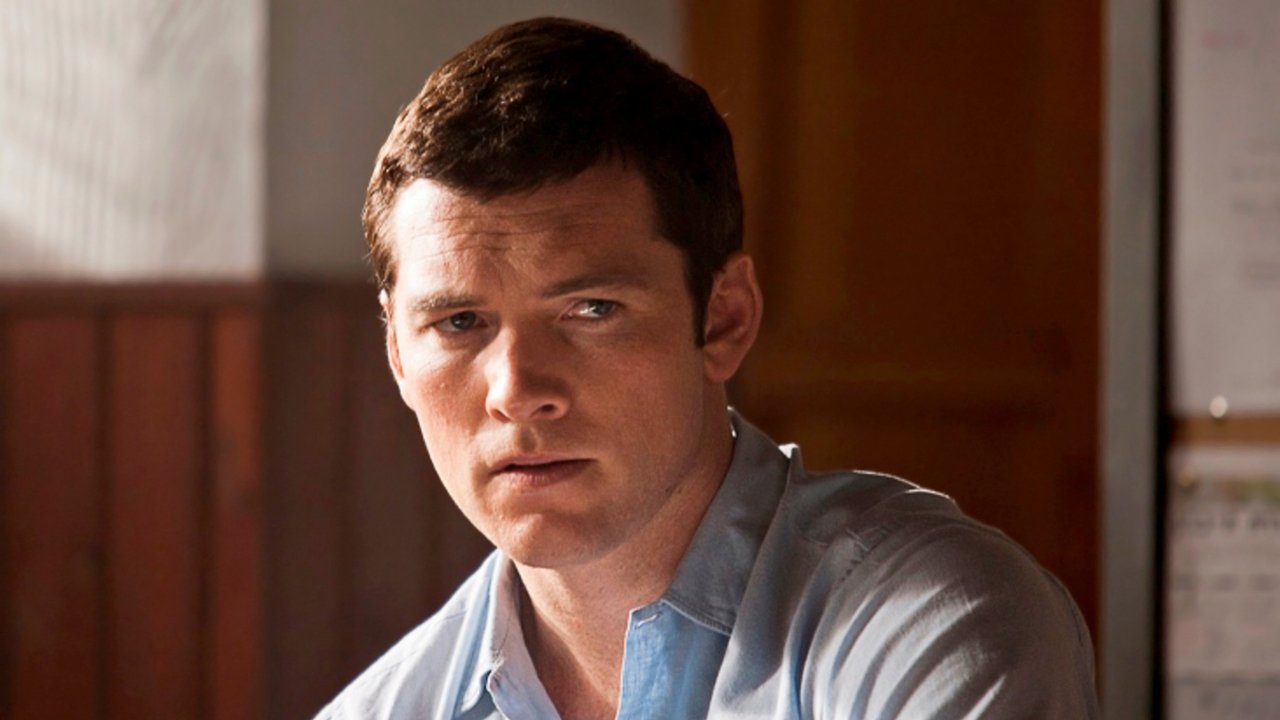
As for the men, Sam Worthington does some of his best work here by simply staying out of his own way. He’s the moral compass that eventually breaks, while Marton Csokas brings a cynical, oily ambition to the young Stefan that makes Tom Wilkinson’s later regret feel earned.
The Apartment of Horrors
The heart of the film is the extended sequence in a derelict Berlin apartment where the trio holds the "Surgeon" (Jesper Christensen) captive. It’s essentially a stage play, and it’s where the drama gets its teeth. Christensen is terrifying not because he’s a cartoon villain, but because he’s a master manipulator who knows exactly how to pit his captors against each other.
The film captures that post-9/11 anxiety about "the enemy within" and the moral compromises of the intelligence community. It suggests that the "debt" of the title isn't just the lie they told the world—it’s the psychological interest they’ve been paying for thirty years. My only real gripe? The third act takes a sharp turn into "thriller" territory that feels a bit disconnected from the grounded, character-driven dread of the first two-thirds. The ending feels like it was written by a different person who really wanted a Bourne-style showdown in a hospital.
Stuff You Didn't Notice
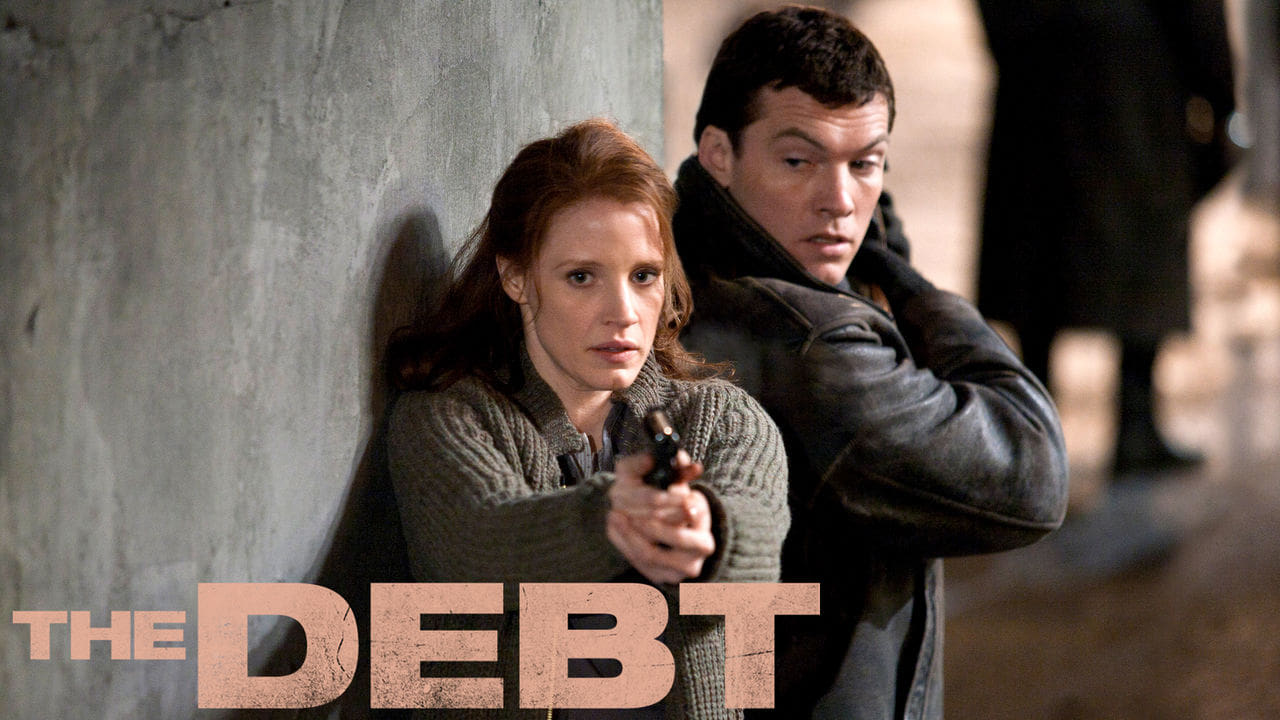
The Physicality: To prepare for the role of young Rachel, Jessica Chastain actually trained in Krav Maga. It shows. Her movements aren't cinematic flourishes; they’re frantic and utilitarian. The Wait: As mentioned, the film was finished in 2010 but delayed due to the Miramax sale. This actually helped the film’s marketing, as Chastain had become a household name by the time it finally hit theaters. * The Accent Gap: While the older cast members (all British/Irish) and the younger cast (American/Australian/Kiwi) do a decent job of meeting in the middle, Sam Worthington’s attempts at a neutral-ish accent occasionally sound like he’s fighting a mouthful of marbles.
The Debt is a reminder of a time when we let thrillers breathe. It’s a somber, well-acted piece of "What If?" history that doesn't provide easy answers. It lacks the flashy CGI of its era, opting instead for the texture of a rainy Berlin street and the look in a woman’s eyes when she realizes her life is a monument to a mistake.
If you missed this one during its messy release, go back and find it. Just skip the pomegranate snacks—it’s a one-handed-viewing kind of movie. The performances alone, especially the bridge between Chastain and Mirren, make it a debt well worth collecting.

Keep Exploring...
-
Michael Clayton
2007
-
Take Shelter
2011
-
A Most Violent Year
2014
-

Sabotage
2014
-
Tinker Tailor Soldier Spy
2011
-

The Best Exotic Marigold Hotel
2012
-

The Woman in Black
2012
-
Derailed
2005
-

The Jacket
2005
-
Alpha Dog
2006
-
Inland Empire
2006
-

Undisputed II: Last Man Standing
2006
-

United 93
2006
-
Before the Devil Knows You're Dead
2007
-
In the Valley of Elah
2007
-

Premonition
2007
-
We Own the Night
2007
-

Lakeview Terrace
2008
-

Street Kings
2008
-
Untraceable
2008