The Fighter
"Blood is thicker than water, but it stains just as bad."
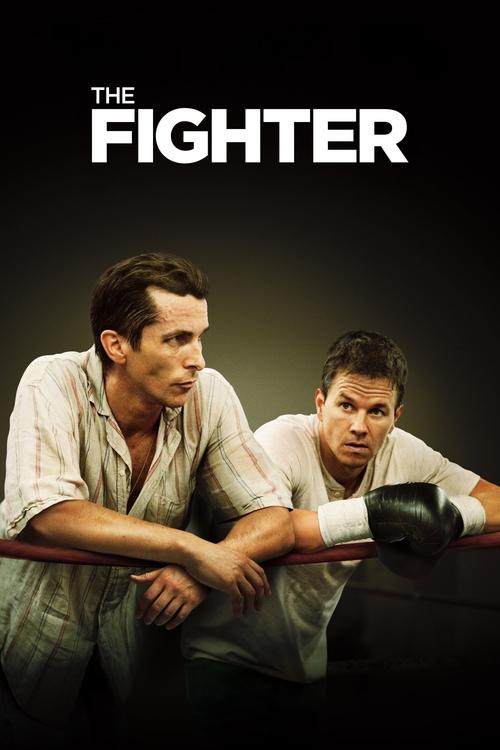
The Seven Sisters and a Sticky DVD
I first watched The Fighter on a borrowed library DVD that had a mysterious, sticky residue on the case—I’m 90% sure it was maple syrup—which, in hindsight, felt like the most authentic way to experience a movie set in the gritty, breakfast-diner atmosphere of Lowell, Massachusetts. While most boxing movies try to be Rocky, David O. Russell’s 2010 breakout hit is something much more volatile. It’s a family psychodrama that occasionally gets interrupted by a boxing match.
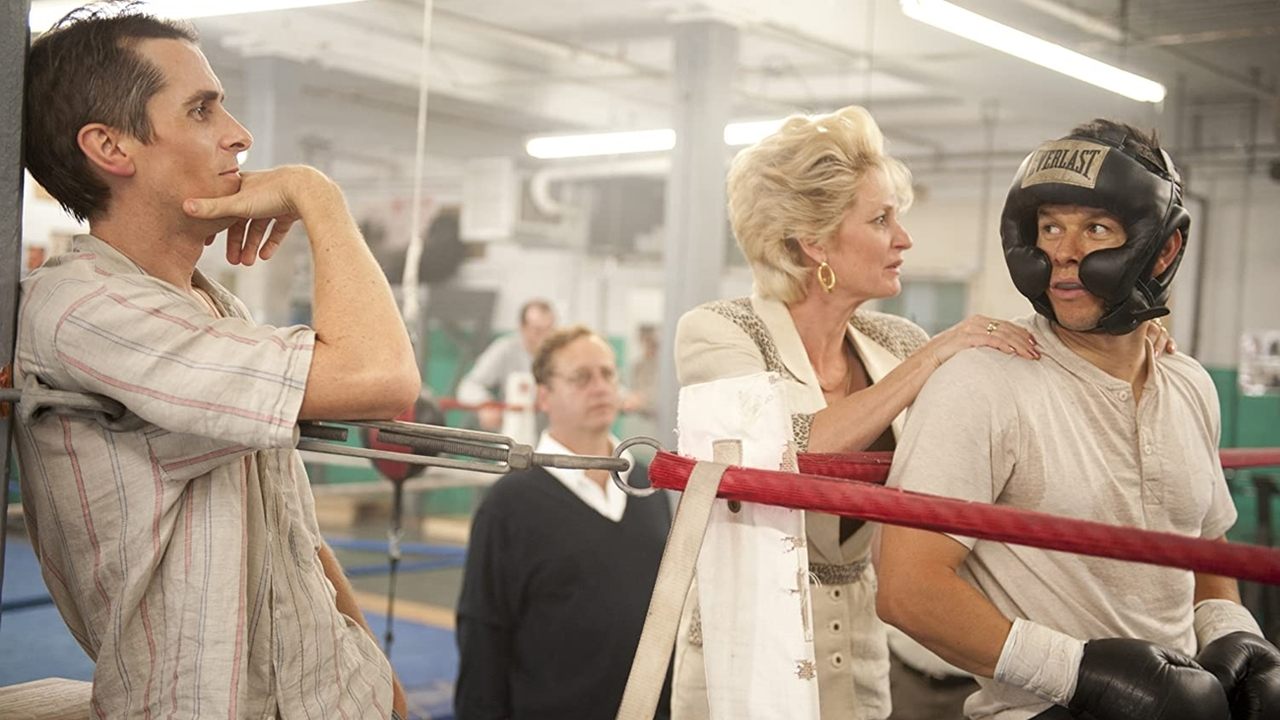
Looking back from 2024, The Fighter feels like a relic from a specific window in Hollywood history. This was the peak of the mid-budget "Prestige Drama" boom, before the MCU completely sucked the oxygen out of the room. It was a time when a $25 million movie about a crack-addicted former boxer and his underdog brother could pull in $129 million and become a genuine cultural watercooler moment. It didn’t need a multiverse; it just needed a group of sisters who looked like they were ready to brawl over a lukewarm box of Dunkin’ Donuts.
The Hurricane and the Hearth
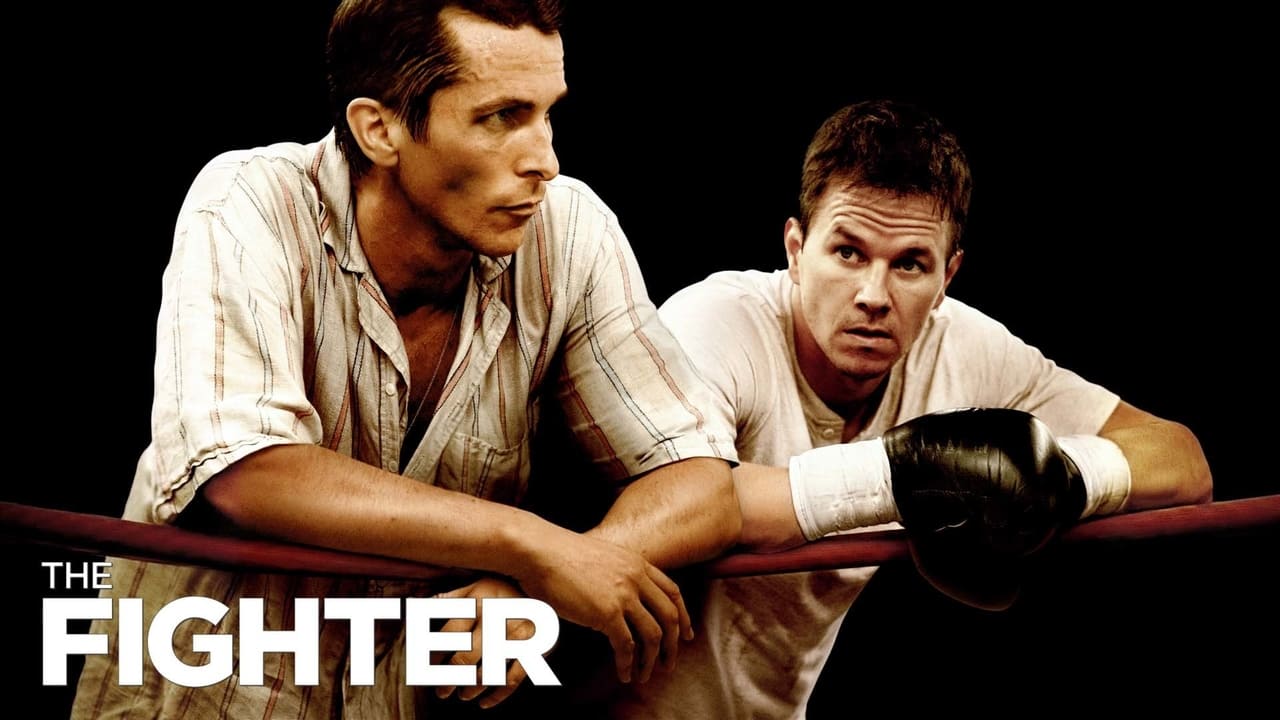
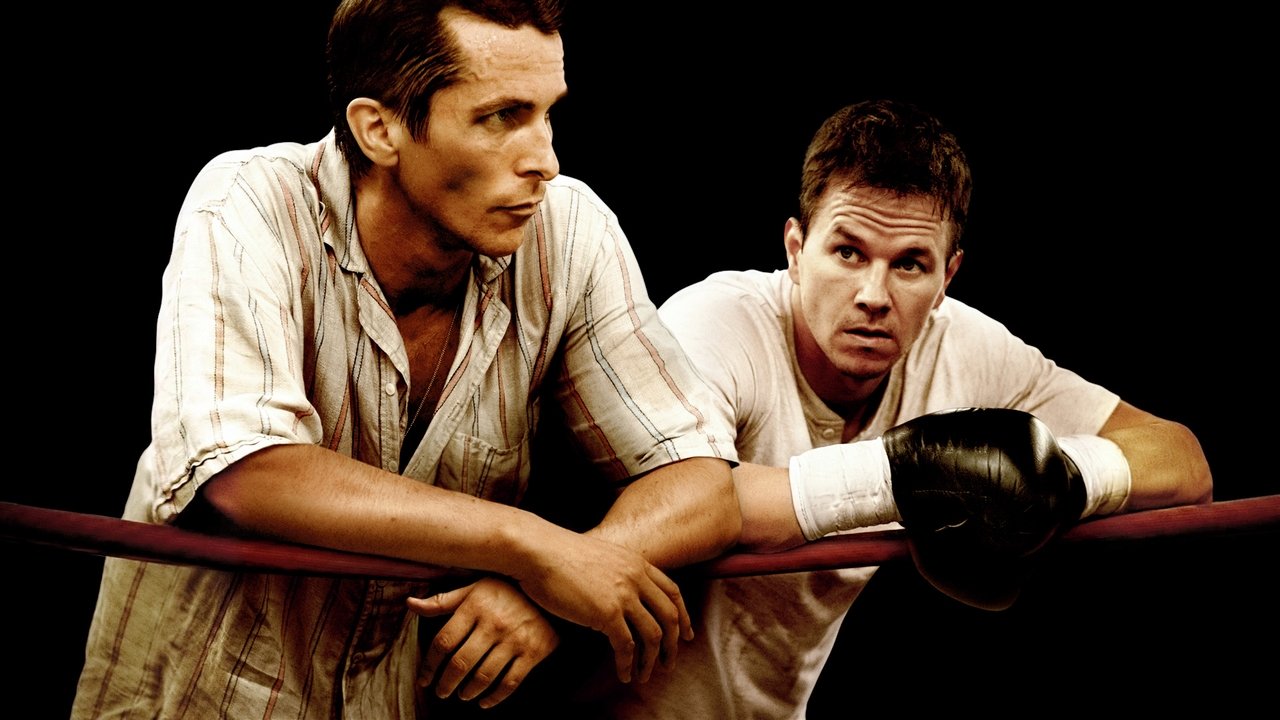
The movie belongs to Christian Bale, but let’s talk about the sacrifice of Mark Wahlberg first. In any other movie, the "lead" actor would be fighting for the spotlight. Here, Wahlberg (who also produced the film after it spent years in development hell) plays Micky Ward as a human punching bag—both in and out of the ring. He is the "straight man" to the chaos surrounding him. Wahlberg spent years training for this, even installing a boxing ring in his house, and his physical commitment is the only thing that keeps the movie grounded when the supporting cast starts chewing the scenery into fine confetti.
Then there’s Christian Bale as Dicky Eklund. We all know Bale loves a physical transformation (The Machinist, Batman Begins), but this wasn't just about him losing 30 pounds and thinning his hair. He captures the manic, tragic energy of a man living in the "remember when" of his own life. Dicky is a local legend who once knocked down Sugar Ray Leonard (or slipped, depending on who you ask), and Bale plays him with a jittery, skeletal charisma that is both hilarious and devastating. When he jumps out of a crack house window into a dumpster to avoid his mother, it’s played for dark comedy, but the desperation is palpable.
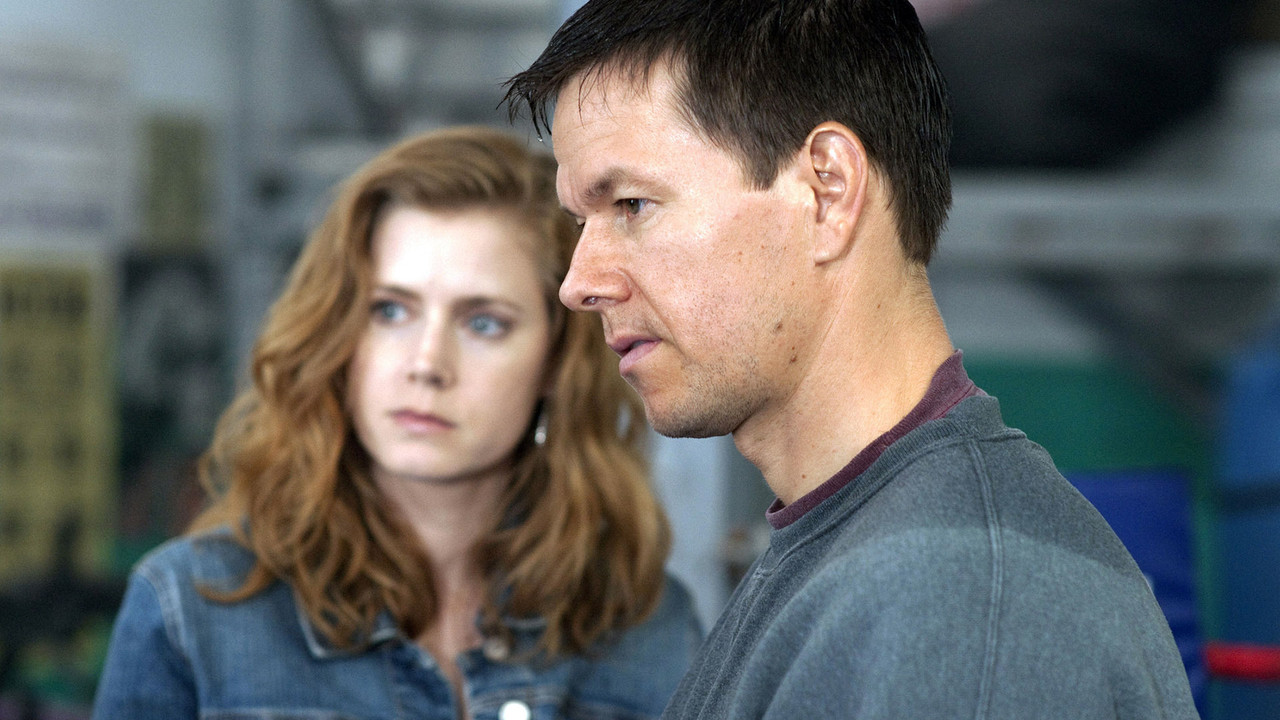
The real secret weapon, though, is the women. Melissa Leo as Alice Ward is a terrifying vision of enabling matriarchy, leading a flock of seven grown sisters who function as a singular, tracksuit-wearing hive mind. Opposite them is Amy Adams as Charlene, the "MTV girl" bartender who refuses to be intimidated by the family circus. Seeing Adams—usually so ethereal—throw on high-waisted denim and a "don't mess with me" attitude was a revelation. Her chemistry with Wahlberg feels earned because they both look like people who have spent their entire lives just trying to get a quiet word in edgewise.
Authenticity Over Gloss
What I appreciate most about The Fighter a decade later is how "un-Hollywood" it feels. David O. Russell made the brilliant decision to use actual HBO boxing cameramen and vintage equipment to film the fight sequences. They don't have the cinematic, slow-motion choreography of Creed or Raging Bull. Instead, they look like the grainy, high-contrast cable broadcasts of the late 90s. It’s ugly, it’s flat, and it feels real.
The film also avoids the trap of making Dicky’s addiction a "Movie Problem" that gets solved with a 30-second montage. His recovery is grueling, and his relationship with Micky is fraught with genuine betrayal. One of my favorite bits of trivia is that the guy playing Micky’s trainer/cop, Mickey O'Keefe, isn't a professional actor—he’s the actual guy who trained Micky Ward in real life. He’s better than half the professionals in Hollywood, bringing a staccato, no-nonsense energy that keeps the movie from drifting into melodrama.
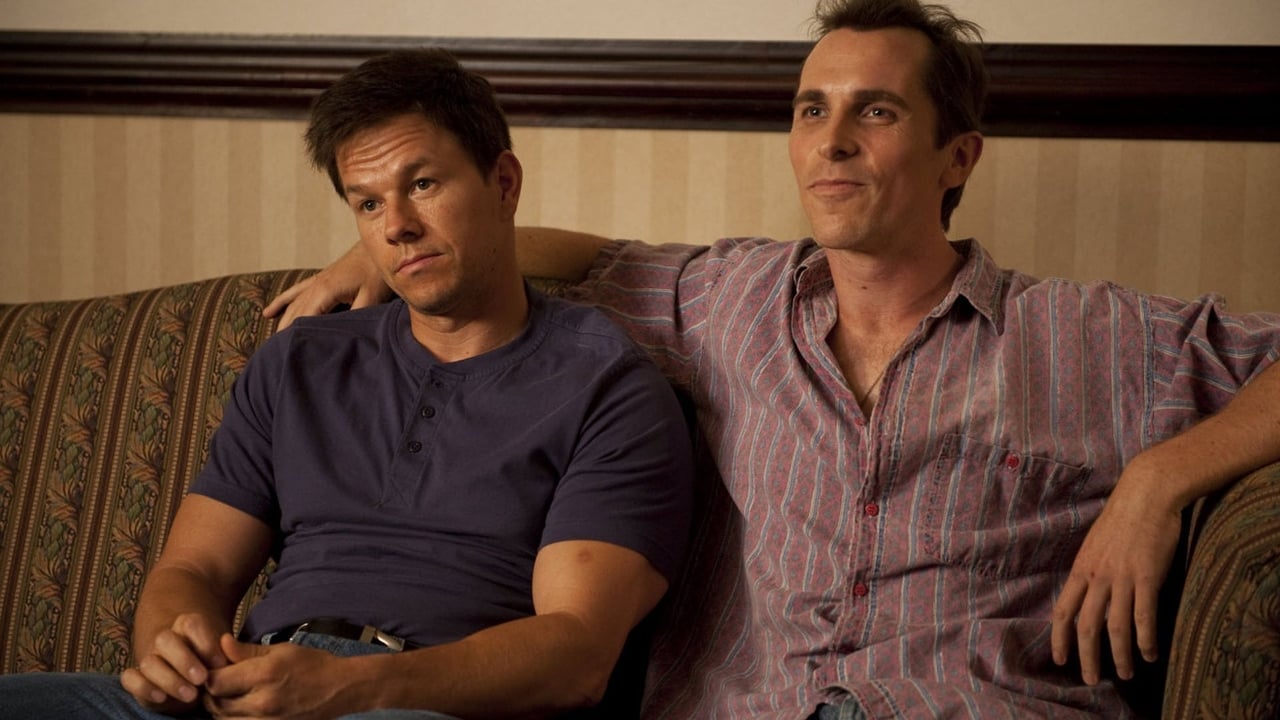
The Legacy of Lowell
The Fighter isn't just about a title shot; it's about the suffocating weight of expectations in a small town. It captured the post-industrial grit of Massachusetts better than almost any film of its era, joining the ranks of The Departed and Gone Baby Gone without relying on the "wicked smaht" tropes that eventually became parodies of themselves.
It was a massive commercial success because it understood that we don't go to boxing movies for the boxing; we go to see someone finally stand up to their overbearing mother and say "no." It was the ultimate "word of mouth" hit of 2010, proving that audiences were hungry for high-stakes human stories. In the years since, we've seen the industry pivot away from these kinds of films, making The Fighter feel even more special in retrospect—a movie where the biggest hits happen in the living room, not the ring.
Ultimately, The Fighter works because it refuses to judge its characters, even when they’re being monstrous to one another. It’s a movie about the messiness of redemption and the realization that sometimes, to win, you have to leave your corner behind. If you haven't revisited it lately, do yourself a favor and put it on—just maybe check the case for maple syrup first.
Keep Exploring...
-

American Hustle
2013
-
Silver Linings Playbook
2012
-
Lone Survivor
2013
-
8 Mile
2002
-
Invincible
2006
-
Brokeback Mountain
2005
-
The Exorcism of Emily Rose
2005
-
Walk the Line
2005
-
Apocalypto
2006
-
Babel
2006
-

Eight Below
2006
-

Inside Man
2006
-

Little Miss Sunshine
2006
-
Rocky Balboa
2006
-
Step Up
2006
-
The Devil Wears Prada
2006
-
Disturbia
2007
-
Juno
2007
-

P.S. I Love You
2007
-
The Bucket List
2007