The Ghost Writer
"The truth is the only thing he didn't write."
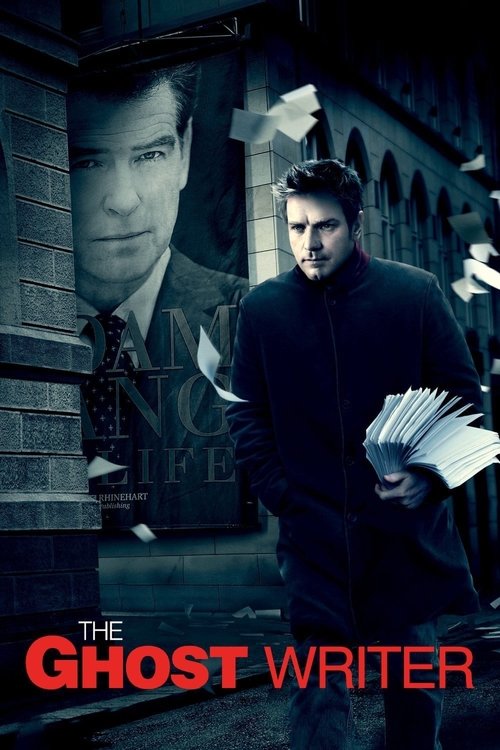
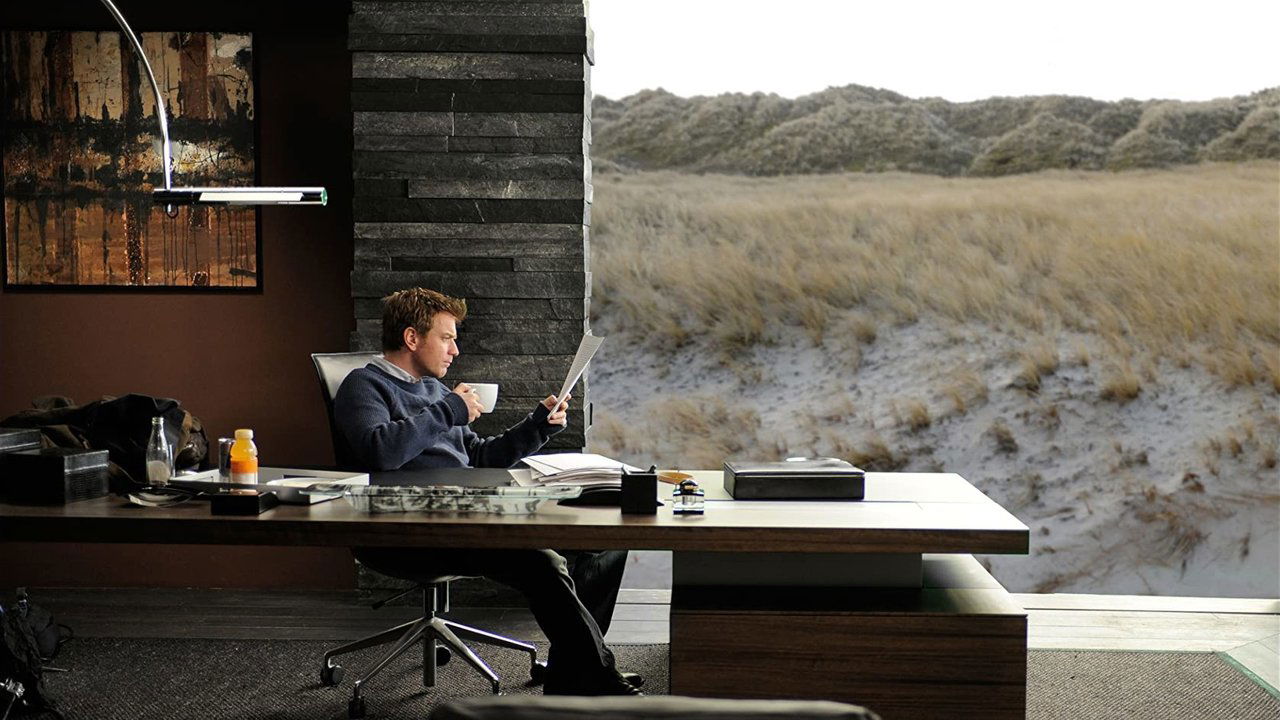
Watch the rain hit the windows of a Brutalist mansion on Martha’s Vineyard and try not to feel like someone is standing right behind you with a garrote. By 2010, the political thriller felt like it was suffering a slow death by a thousand cuts—mostly shaky-cam cuts and over-caffeinated editing. Then came The Ghost Writer, a movie that feels like it was unearthed from a time capsule buried in 1974, yet it perfectly captured the sour, cynical hangover of the late-Blair era. It’s a patient, chilly, and deeply paranoid piece of filmmaking that proves you don’t need explosions when you have a well-placed GPS unit and a very nervous Ewan McGregor.
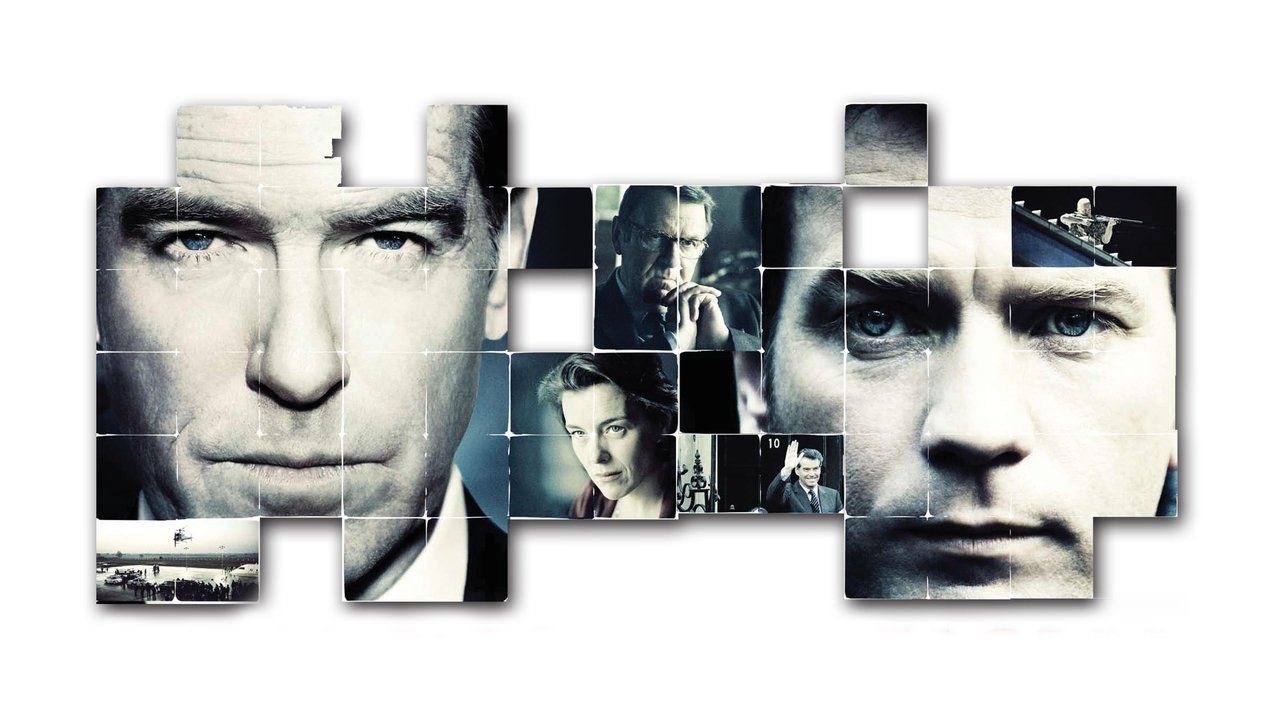
I watched this while wearing a pair of itchy wool socks that I’m 90% sure were cursed, which only heightened the film’s persistent sense of physical discomfort. That’s the vibe here: damp, isolated, and vaguely threatening.
A Chilly House on a Dead Island
The setup is classic Noir. A professional ghostwriter (an effortlessly charming and increasingly panicked Ewan McGregor, who also starred in Trainspotting) is hired to polish the memoirs of Adam Lang (Pierce Brosnan), a former British Prime Minister living in exile on a grey, windswept island. The previous ghostwriter ended up washed up on a beach—an "accident," naturally. As our protagonist digs into the manuscript, he starts realizing that the man he’s writing for might be a war criminal, or a puppet, or both.
What makes this work so well in the context of its era is how it subverts the high-tech wizardry of 2010. While other films were obsessing over the "Global War on Terror" with frantic action, Roman Polanski (the man behind Chinatown) keeps the camera still. He lets the silence do the heavy lifting. The house itself—a stunning, cold concrete fortress—becomes a character. It’s the kind of place that looks beautiful in an architectural magazine but feels like a tomb once the sun goes down. The most terrifying thing in this movie isn't a gun; it's a Sat-Nav voice that sounds like a ghost.
The Bond Who Came in From the Cold
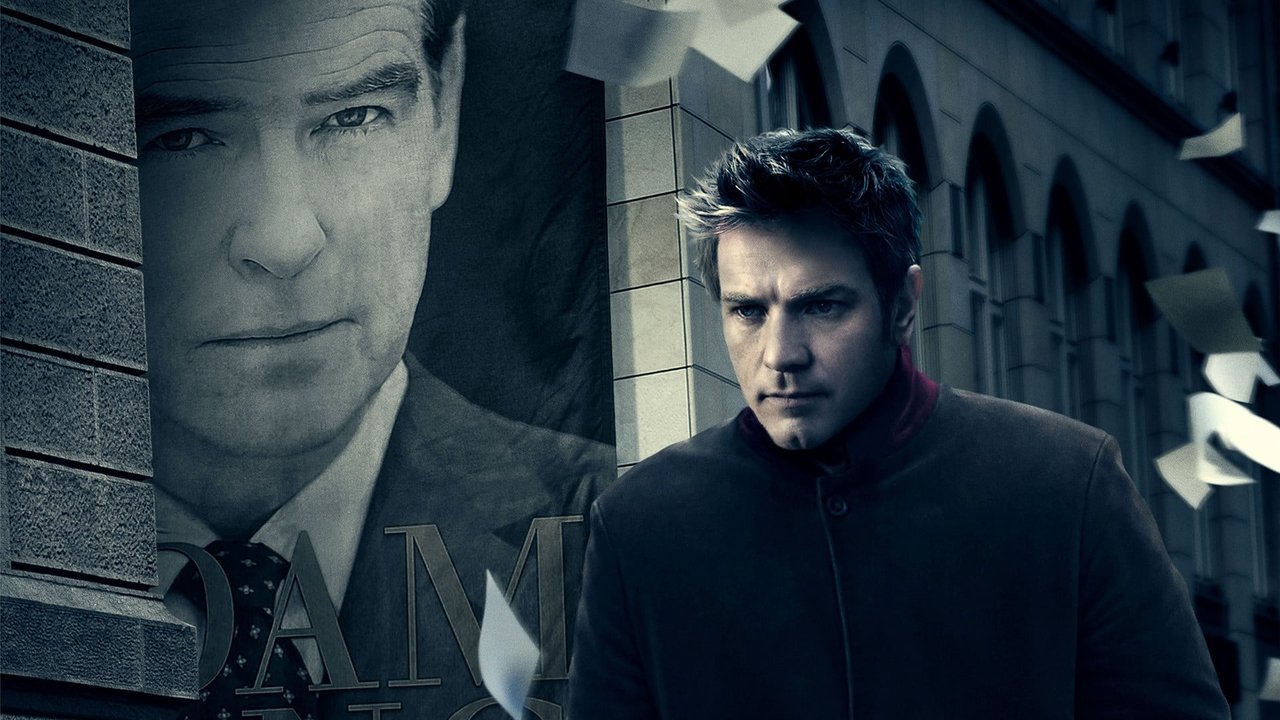
Let’s talk about Pierce Brosnan. In the 90s, he was the suave, invincible 007 in GoldenEye. Here, he plays Adam Lang as a man who is essentially a hollowed-out version of that archetype. He’s magnetic and handsome, but there’s a vacuum where his soul should be. Brosnan is actually a better actor when he’s playing a man desperately trying to convince himself he isn’t a fraud. It’s a meta-textual stroke of genius; he’s playing a "Great Man" who is really just an actor following a script written by someone else.
Then you have Olivia Williams as Ruth Lang. She is the secret weapon of the film. While Kim Cattrall (fresh off Sex and the City) does interesting work as the protective, slightly icy assistant Amelia, Williams steals every frame she’s in. She plays Ruth with a mix of razor-sharp intellect and deep-seated bitterness. Every time she speaks, you feel like she’s performing surgery on McGregor’s character without an anesthetic.
The supporting cast is equally stacked. Tom Wilkinson, who we all loved in Michael Clayton, shows up for a few scenes and manages to be utterly terrifying just by standing in a room full of books. Even Timothy Hutton and Eli Wallach (in one of his final roles) pop in to remind us that every character in this world is hiding something behind their teeth.
Secrets Written in the Margins
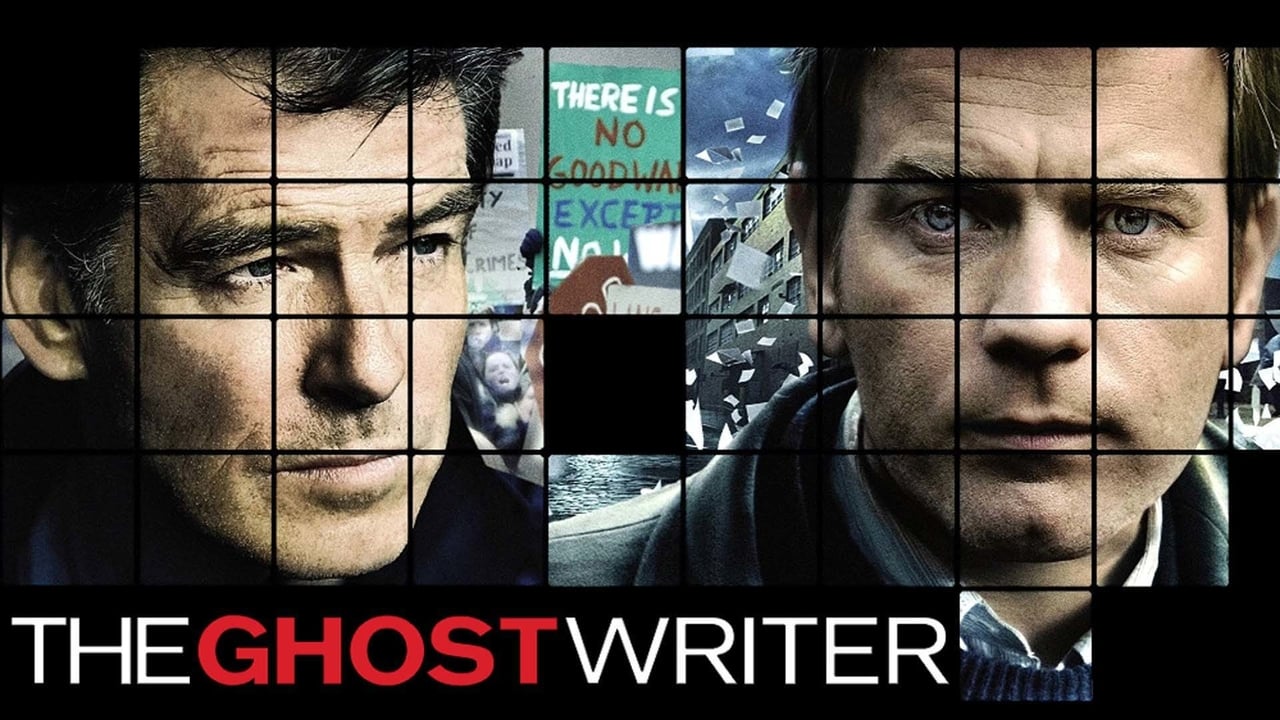
Part of the film’s "cult" appeal comes from the bizarre circumstances of its production. Because of Polanski's well-documented legal history, he couldn't actually film in the U.S. or the UK. This meant the "American" setting of Martha’s Vineyard had to be recreated in Germany—specifically on the islands of Sylt and Usedom. Apparently, the crew had to ship American-style trash cans and street signs to the Baltic coast to sell the illusion. Surprisingly, this forced distance works in the film's favor. It gives the American setting a "uncanny valley" feel—it looks like America, but it feels slightly off, which perfectly mirrors the protagonist’s growing alienation.
Another bit of trivia that fans obsess over: the author of the original book, Robert Harris, was actually close friends with Tony Blair before they had a falling out over the Iraq War. The parallels aren't subtle. Lang is clearly a Blair stand-in, and the film serves as a scathing critique of the "special relationship" between the UK and the US. Polanski actually finished editing the film while under house arrest in Switzerland, which might explain why the movie feels like it was made by someone who knows exactly what it's like to be trapped in a very expensive cage.
Then there’s the score by Alexandre Desplat, who did The Grand Budapest Hotel. It’s quirky, rhythmic, and incredibly tense. It doesn't tell you how to feel; it just keeps a steady, ticking heartbeat under every scene, reminding you that time is running out for the man who is literally "ghosting" his own life.
The Ghost Writer is the kind of movie that rewards you for paying attention to things like font choices and background shadows. It doesn't rely on a twist for the sake of a twist; it builds a sense of dread so thick you could cut it with a letter opener. By the time you reach the final shot—one of the most haunting and poetically staged endings of the 21st century—you realize you haven't breathed for about ten minutes. It’s a reminder that sometimes the most dangerous thing you can do is try to tell the truth.
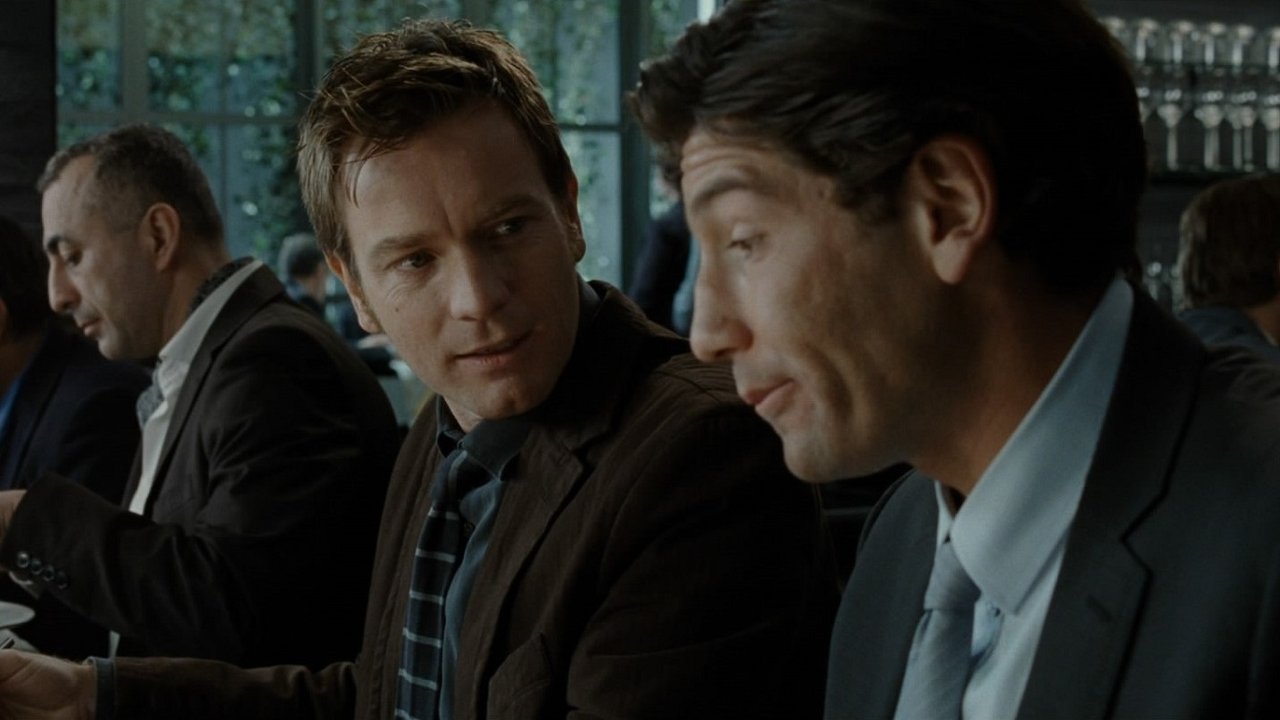
Keep Exploring...
-
The Ninth Gate
1999
-

Carnage
2011
-
House of Wax
2005
-
Kiss Kiss Bang Bang
2005
-
Red Eye
2005
-
The Skeleton Key
2005
-
Lucky Number Slevin
2006
-
Pandorum
2009
-
Devil
2010
-
The Skin I Live In
2011
-
Tinker Tailor Soldier Spy
2011
-

Trance
2013
-
A Walk Among the Tombstones
2014
-
Before I Go to Sleep
2014
-

The Guest
2014
-
Secret Window
2004
-
Stay
2005
-
The Tenant
1976
-
Eastern Promises
2007
-

Zodiac
2007