The Karate Kid
"New city. Same heart. An ancient lesson."
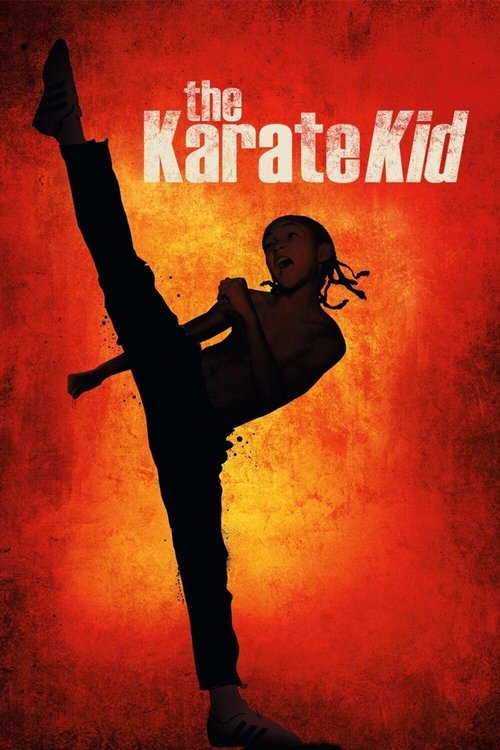
Remaking a film as spiritually tattooed onto the collective consciousness as the 1984 original is usually a fool’s errand. You’re fighting nostalgia, and nostalgia is a undefeated heavyweight champion. Yet, in 2010, the Smith family machinery decided to take the crane kick to China, swap the karate for kung fu, and see if lightning could strike the Great Wall. The result is a film that is surprisingly robust, occasionally over-long, and serves as a fascinating time capsule of the era when Hollywood began its intensive courtship of the Chinese box office.
I first watched this on a flight to Seattle while sitting next to a woman who was aggressively knitting a neon-green scarf, and honestly, the rhythmic click-clack of her needles weirdly synced up with the training montages. It’s a movie that demands that kind of rhythmic attention because, at 140 minutes, it is an absolute marathon for a family action flick.
The Jacket and the Master
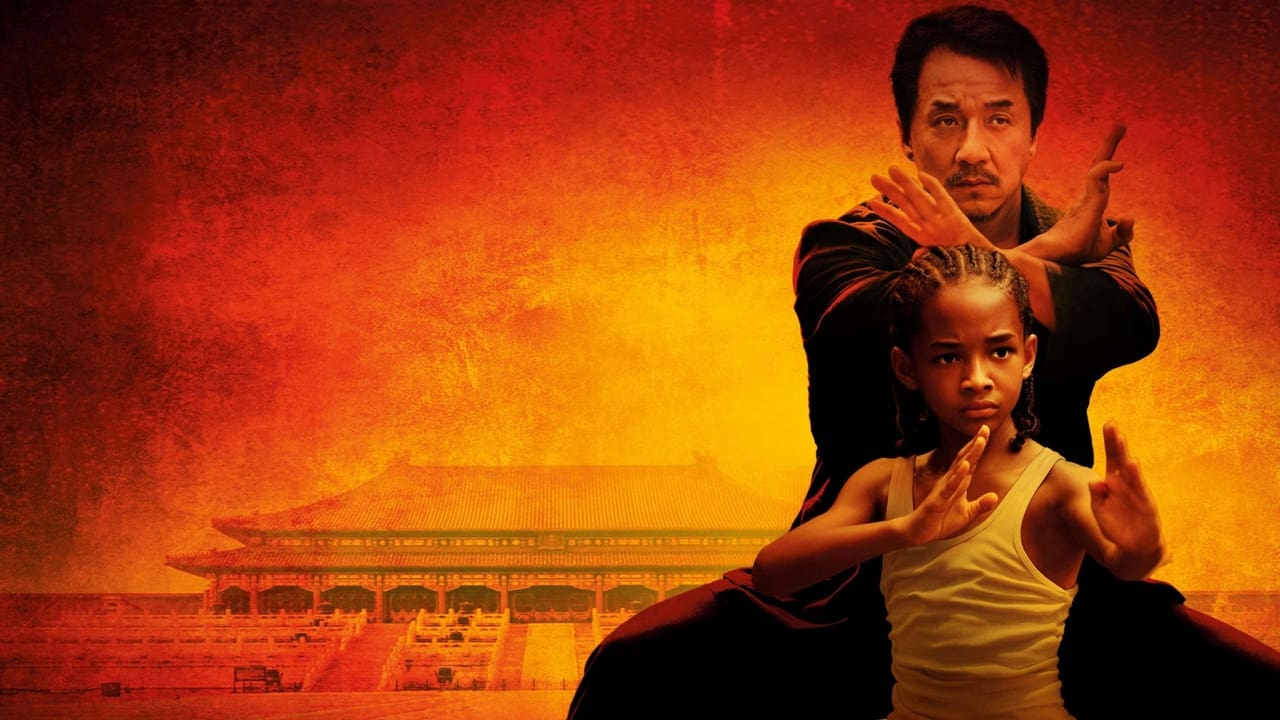
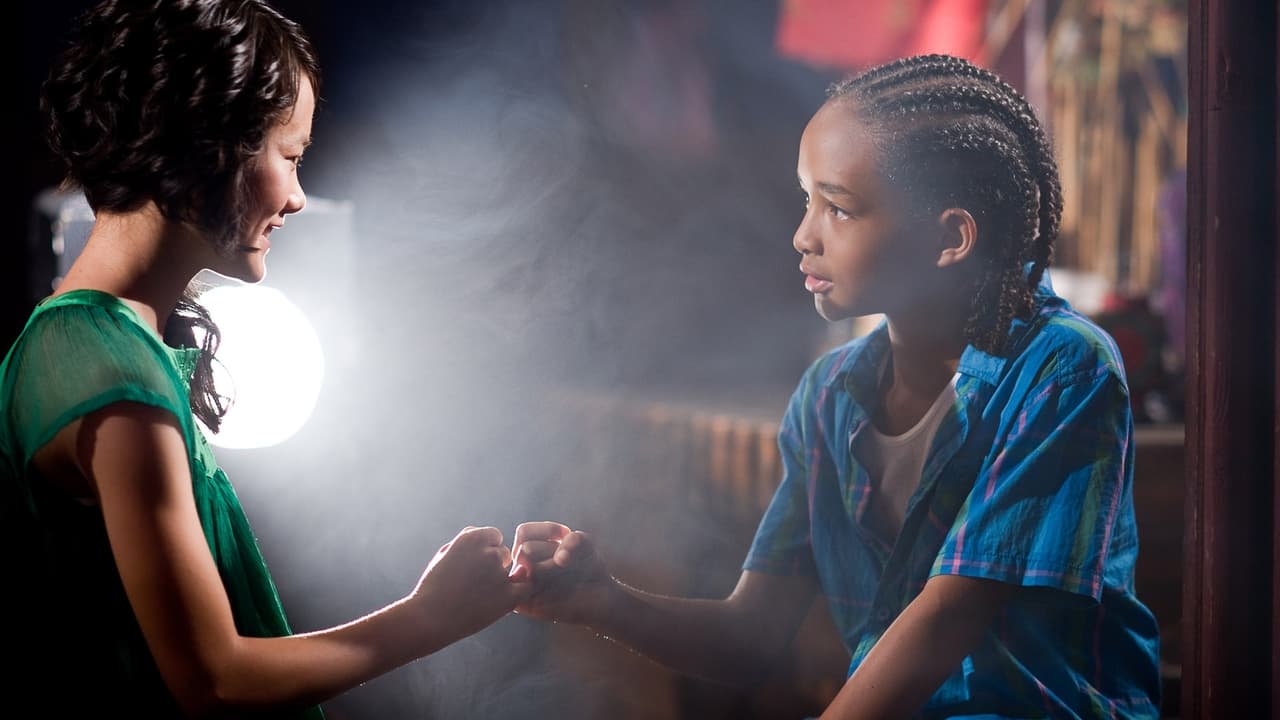
The core of the film rests on the chemistry between Jaden Smith and Jackie Chan. While the 1984 version relied on the "aw-shucks" Italian-American charm of Ralph Macchio, Jaden Smith brings a very 2010 Detroit swagger to Dre Parker. He’s a kid who feels modern—tech-savvy, slightly entitled, but genuinely displaced. When his mother (Taraji P. Henson) moves them to Beijing, the culture shock isn’t just a plot point; it’s the atmospheric pressure of the entire first act.
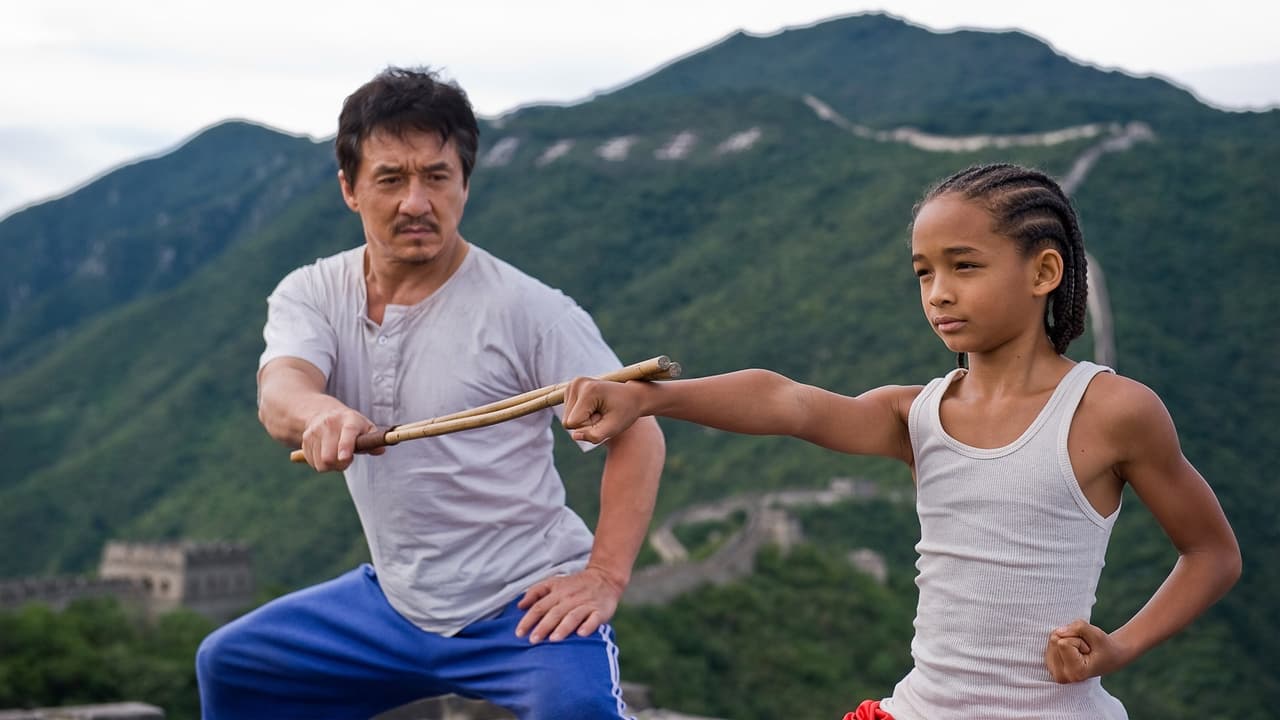
Then there’s Jackie Chan. By 2010, we were used to Chan being the human cartoon, the master of using ladders and chairs as weapons in slapstick ballets like Rush Hour. Here, he does something we rarely see: he disappears. As Mr. Han, the maintenance man with a hidden past, Chan is somber, stoic, and carries a heavy grief that anchors the movie. It is easily one of his best dramatic performances. He doesn't just teach Dre how to fight; he teaches him how to exist in a world that feels hostile. The "Wax On, Wax Off" replacement—"Jacket On, Jacket Off"—is a clever update that reflects the mundane discipline required to master a craft, even if the film is basically a two-hour-and-twenty-minute tourism ad for Beijing.
Choreography and the Cruelty of Kids
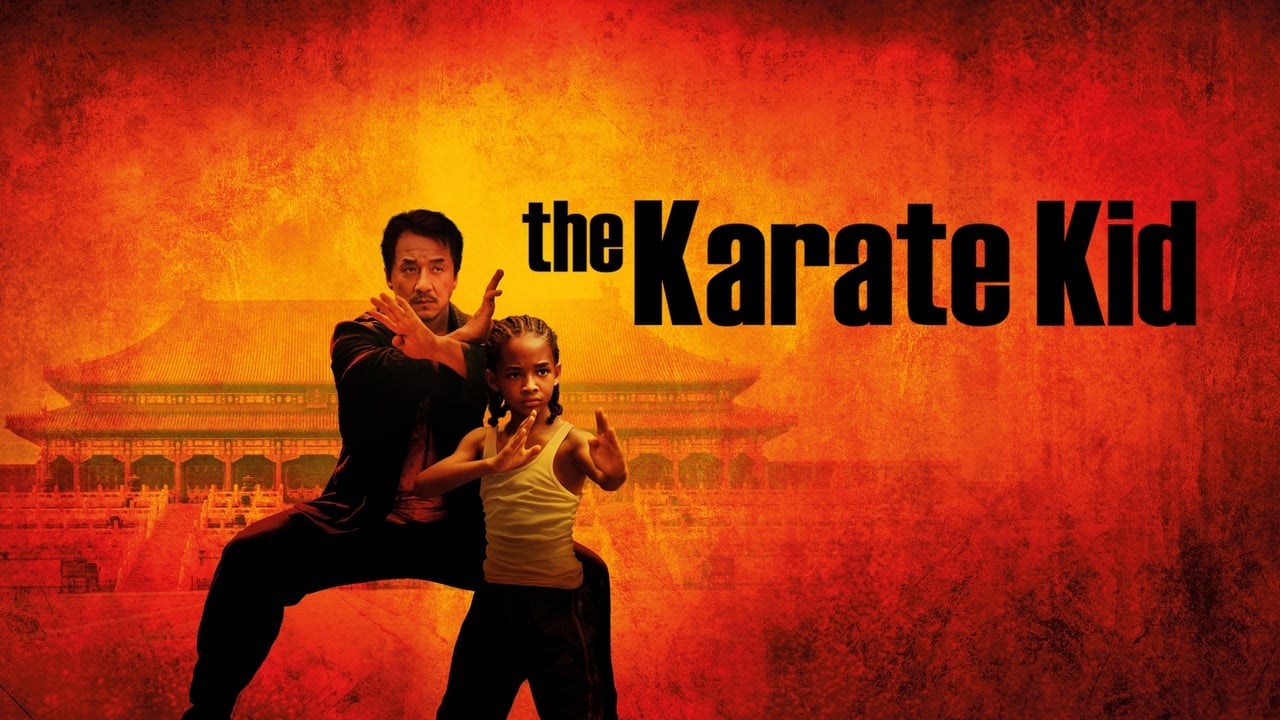
The action, handled by the Jackie Chan Stunt Team, is a significant upgrade in terms of technical prowess over the original. We are talking about genuine, high-level wushu choreography. However, there is a tonal friction here that is hard to ignore: the child-on-child violence here is occasionally alarming.
In the original, the bullying felt like a high school drama. In this version, Cheng (Zac Wang) and his cohorts aren’t just bullies; they are mini-terminators under the tutelage of Master Li (Yu Rongguang). When they descend on Dre, the hits feel heavy. The cinematography by Roger Pratt (who shot Harry Potter and the Goblet of Fire) treats these fights with the same gravity as a professional bout. The final tournament is a masterclass in tension, utilizing slow-motion and sweeping camera moves that make the most of the $40 million budget. It’s polished, professional, and vastly more "action-heavy" than its predecessor.
A Globalized Blockbuster
Looking back, The Karate Kid (2010) represents a specific pivot point in cinema. This was the "Modern Cinema" era reaching its peak globalization. Producer Will Smith wasn't just making a movie for American kids; he was building a bridge. The production was granted unprecedented access to film at the Forbidden City and the Great Wall, locations that lend the film a scale the original never dreamed of.
The trivia behind the scenes reflects this massive undertaking. Jaden Smith reportedly trained for three months under stunt coordinator Wu Gang to ensure his movements looked authentic. Interestingly, while the movie is titled The Karate Kid for brand recognition, the characters explicitly call it Kung Fu throughout the film. In China, the movie was actually released as The Kung Fu Dream. It’s a bit of marketing cognitive dissonance that defines the late 2000s—branding over literal accuracy.
The film also captures that pre-streaming DVD culture vibe, where every scene feels designed to look great on a home theater system. The score by James Horner (the legend behind Braveheart and Titanic) adds a layer of emotional manipulation that works even when the script gets a bit cheesy. It’s a big, loud, expensive, and ultimately very moving spectacle that proved the underdog story is universal, regardless of which martial art you're actually practicing.
While it overstays its welcome by at least twenty minutes, The Karate Kid (2010) succeeds because it respects the emotional DNA of the story while radically expanding its visual horizons. It’s a rare remake that justifies its existence by offering a different cultural texture and a career-best dramatic turn from a global icon. If you can handle the sight of 12-year-olds hitting each other with the force of a freight train, it’s a remarkably satisfying watch.
Keep Exploring...
-
The Karate Kid
1984
-
The Karate Kid Part II
1986
-
The Karate Kid Part III
1989
-

Karate Kid: Legends
2025
-
Kung Fu Panda
2008
-

Wizards of Waverly Place: The Movie
2009
-

Eight Below
2006
-

Night at the Museum
2006
-

Puss in Boots
2011
-
Maleficent
2014
-
Teenage Mutant Ninja Turtles
1990
-

Robin Hood: Prince of Thieves
1991
-
Free Willy
1993
-

The Man in the Iron Mask
1998
-
Spy Kids
2001
-
Spy Kids 2: The Island of Lost Dreams
2002
-
Red Cliff
2008
-
Twister
1996
-
Pokémon: The First Movie
1998
-
The Prince of Egypt
1998