The Kids Are All Right
"Family is complicated. Adding a donor makes it a disaster."
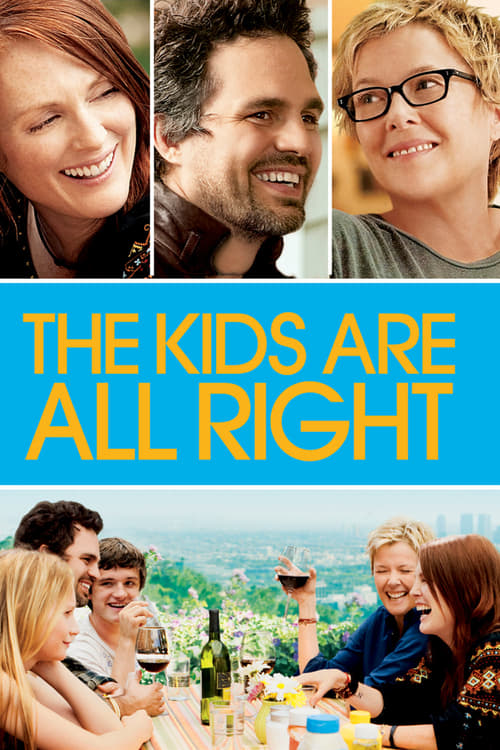
Back in 2010, the "indie dramedy" was having a bit of a moment. We were just moving out of the quirk-heavy era of the mid-2000s and into something that felt a little more grounded, a little more lived-in. Lisa Cholodenko—who had already proven she could navigate the murky waters of human desire with High Art—brought us a film that felt like a breath of fresh air, even if it smelled slightly of expensive organic compost. I recently rewatched it on a Tuesday night while nursing a lukewarm cup of herbal tea that I’d forgotten about for forty minutes, and I was struck by how well it navigates the minefield of middle-class anxieties.
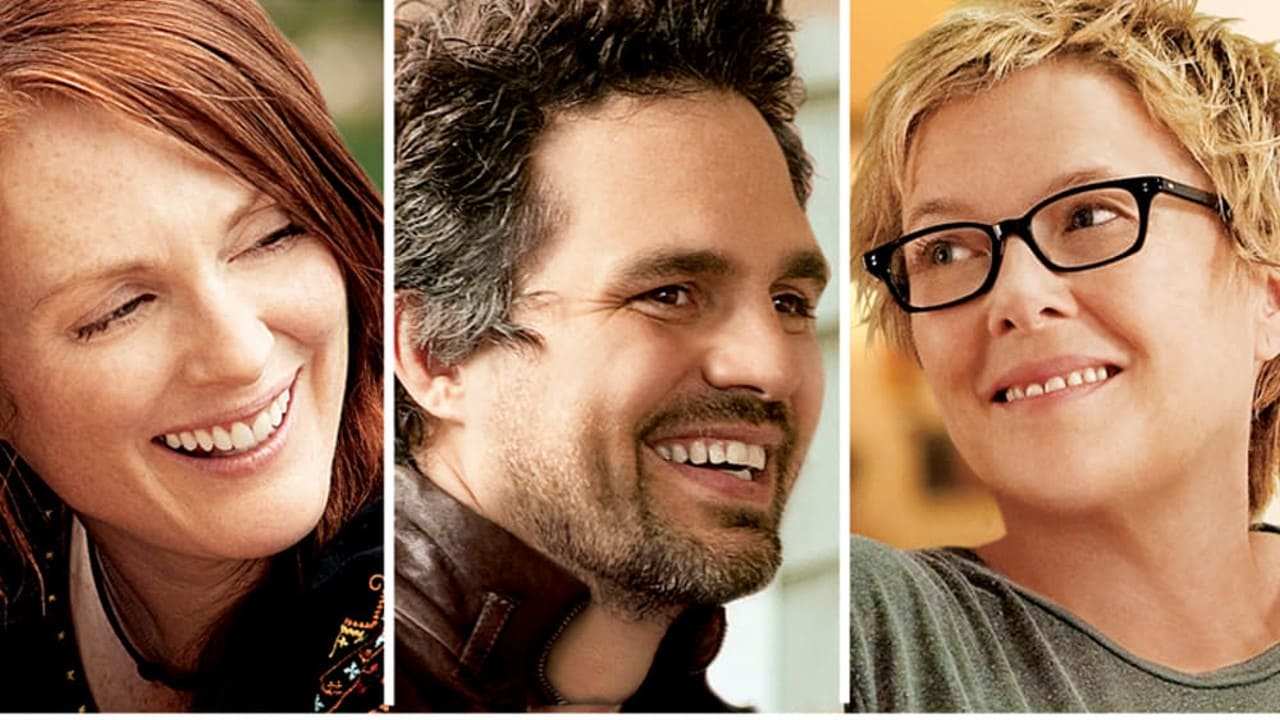
The Art of the Awkward Dinner
The premise is the kind of thing that could have easily devolved into a wacky sitcom on a lesser director’s watch. Two long-term partners, Nic and Jules, have raised two kids through artificial insemination. When the kids, Joni and Laser, decide to track down their biological donor, they find Paul—a bohemian restaurateur who owns a motorcycle and grows his own radishes. Paul enters their orbit like a low-yield explosive device disguised as a gift basket.
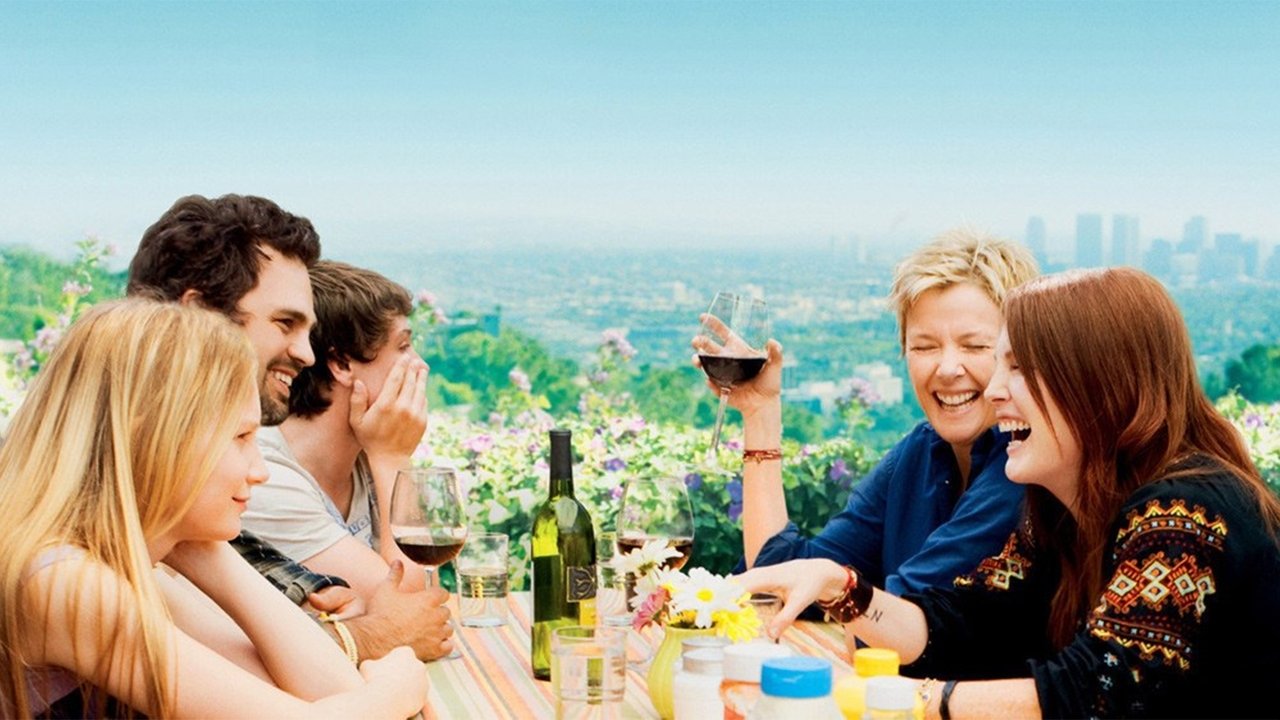
What makes this film hum is the sheer, unadulterated chemistry between Annette Bening and Julianne Moore. They don’t just play a couple; they play a marriage. They have the shorthand, the eye-rolls, and the deeply buried resentments that only come from a decade of arguing about who forgot to buy the soy milk. Annette Bening is particularly sharp here as Nic, the high-strung breadwinner who uses red wine as both a shield and a weapon. Julianne Moore’s Jules is the softer, more directionless counterpoint, and their friction feels so authentic it’s almost uncomfortable to eavesdrop on. Honestly, Mark Ruffalo plays the "cool bio-dad" with such effortless scumbag-charm that you almost want to let him ruin your marriage just to see if he’ll bring over some heirloom tomatoes afterward.
A Masterclass in Indie Ingenuity
When we look back at the "Modern Cinema" era, specifically that 2000-2014 window, we often talk about the death of the mid-budget movie. The Kids Are All Right is the gold standard for what we lost when everything became a franchise. It was shot in a blistering 23 days on a budget of just $3.5 million. Think about that: the entire production cost less than the catering budget for a single Avengers sequel.
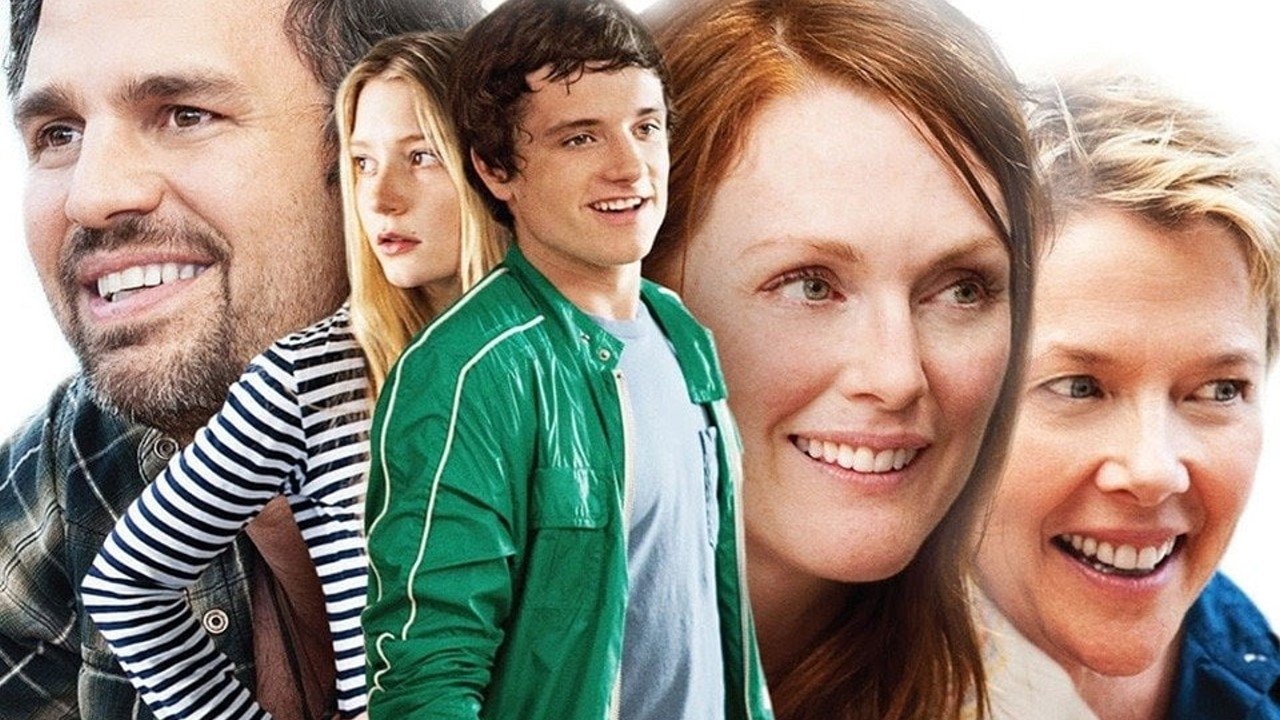
The film premiered at Sundance and sparked a massive bidding war, eventually going to Focus Features for nearly $5 million. That was the dream for indie filmmakers back then—a small, personal story that manages to capture the zeitgeist and punch way above its weight class at the box office. Lisa Cholodenko and co-writer Stuart Blumberg spent years fine-tuning the script, and you can tell. The dialogue isn’t "movie-speak"; it’s messy and reactive. When Paul starts inserting himself into their lives, the shift in the family dynamic isn't signaled by a grand orchestral swell, but by the way Nic grips her wine glass a little tighter.
The kids, played by Mia Wasikowska and a young Josh Hutcherson, are surprisingly not annoying—a rarity for "teen" roles in 2010. They feel like actual humans with agency, rather than just plot devices to bring the adults together. Mia Wasikowska, fresh off Alice in Wonderland, proves she’s much better at playing a girl on the verge of adulthood than a girl in a CG fantasy land.
Breaking the "Perfect" Mold
There’s a specific scene where the whole family, including Paul, sits down for dinner, and Nic discovers he’s a fan of Joni Mitchell. She starts singing "A Case of You" with this vulnerable, slightly intoxicated sincerity that is absolutely devastating. It’s one of those moments where you realize the film isn’t actually about the "untraditional" nature of the family. It’s about the universal terrifying reality that your parents are just flawed people who are making it up as they go along.
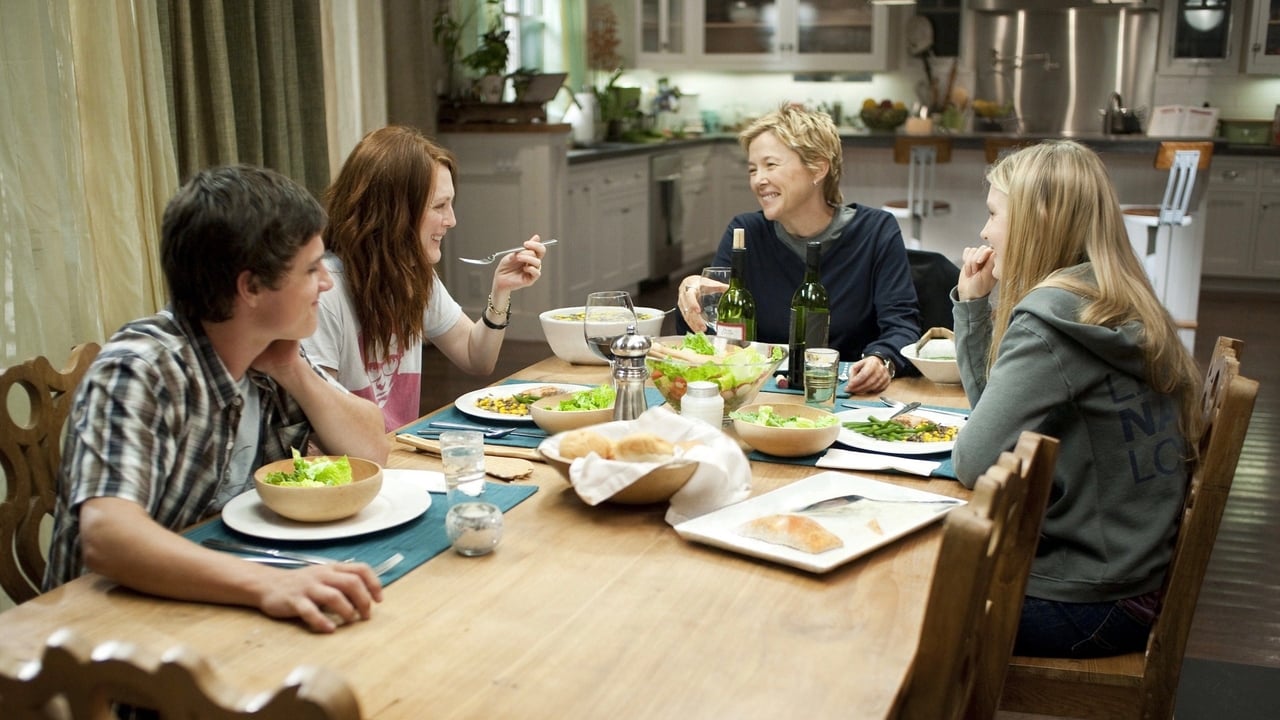
Looking back from a decade later, the film’s handling of a same-sex household is remarkably sophisticated. It doesn’t treat the central relationship as a "political statement" or a "social issue." It treats it as a home. The problems Nic and Jules face aren't because they are two women; they’re because they are two people who have stopped looking at each other. The film’s greatest strength is its refusal to provide a tidy, Hollywood ending. It acknowledges that healing is slow, people are impulsive, and sometimes the "kids" are actually more mature than the people who raised them.
I’ve always felt that Mark Ruffalo’s character is essentially a human Golden Retriever who accidentally eats a poisonous mushroom, and watching him navigate the fallout of his own recklessness is both hilarious and heartbreaking. He’s not a villain; he’s just a man who realized too late that he missed out on the hard work of building something real.
This is a film that earns its place in the retrospective canon by being unapologetically human. It’s a snapshot of a specific time in independent cinema where character was king and $3 million could buy you a masterpiece. If you haven't seen it since it left theaters, give it another look. It’s sharper, funnier, and more painful than you probably remember, and it’ll make you want to go out and buy a very expensive bottle of California red while questioning every life choice you made in your twenties.
Keep Exploring...
-

The Squid and the Whale
2005
-
High School Musical
2006
-

Fanboys
2009
-
Super
2010
-
Beginners
2011
-
Robot & Frank
2012
-
The First Time
2012
-
Don Jon
2013
-

The Kings of Summer
2013
-
The Spectacular Now
2013
-
The Way Way Back
2013
-
Imagine Me & You
2006
-
Four Lions
2010
-
Rubber
2010
-
Frank
2014
-
Night on Earth
1991
-
Friday
1995
-
Chasing Amy
1997
-
Buffalo '66
1998
-

Happiness
1998