The King's Speech
"Heavy is the head that cannot find its words."
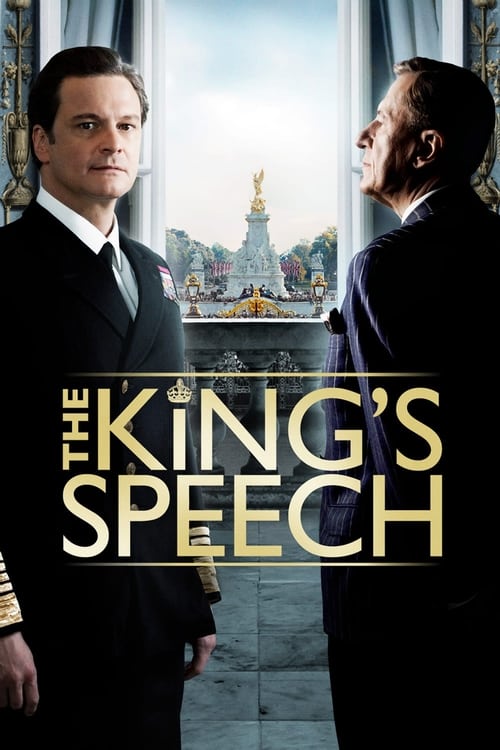
There is a specific kind of silence that feels heavy—not the peaceful quiet of a forest, but the suffocating vacuum of a room full of people waiting for you to fail. In the opening moments of The King's Speech, the red "ON AIR" light of a 1925 BBC microphone pulses like a heartbeat. For Albert, Duke of York, that light is a firing squad.
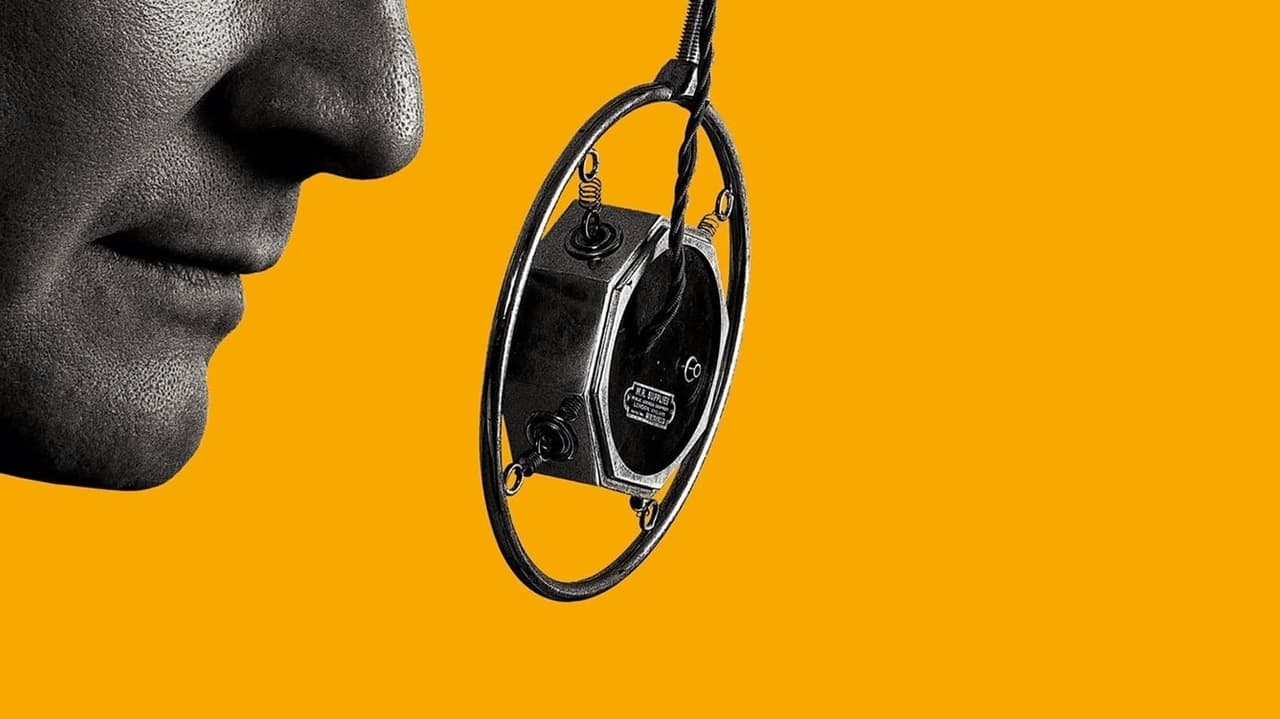
Looking back at 2010, it’s wild to think that a historical drama about a man with a profound dysfluency became a genuine global phenomenon. It’s the cinematic equivalent of a warm wool cardigan that occasionally hides a ticking time bomb. At a time when the MCU was just finding its feet with Iron Man 2 and Christopher Nolan was melting our brains with Inception, this $15 million British drama somehow stomped its way to a $414 million box office. I watched this again recently while drinking a cup of Earl Grey that had gone depressingly lukewarm, and I realized that the film’s power isn't in the "royalty" of it all, but in the sheer, terrifying vulnerability of being human.
The Anatomy of an Unlikely Bromance
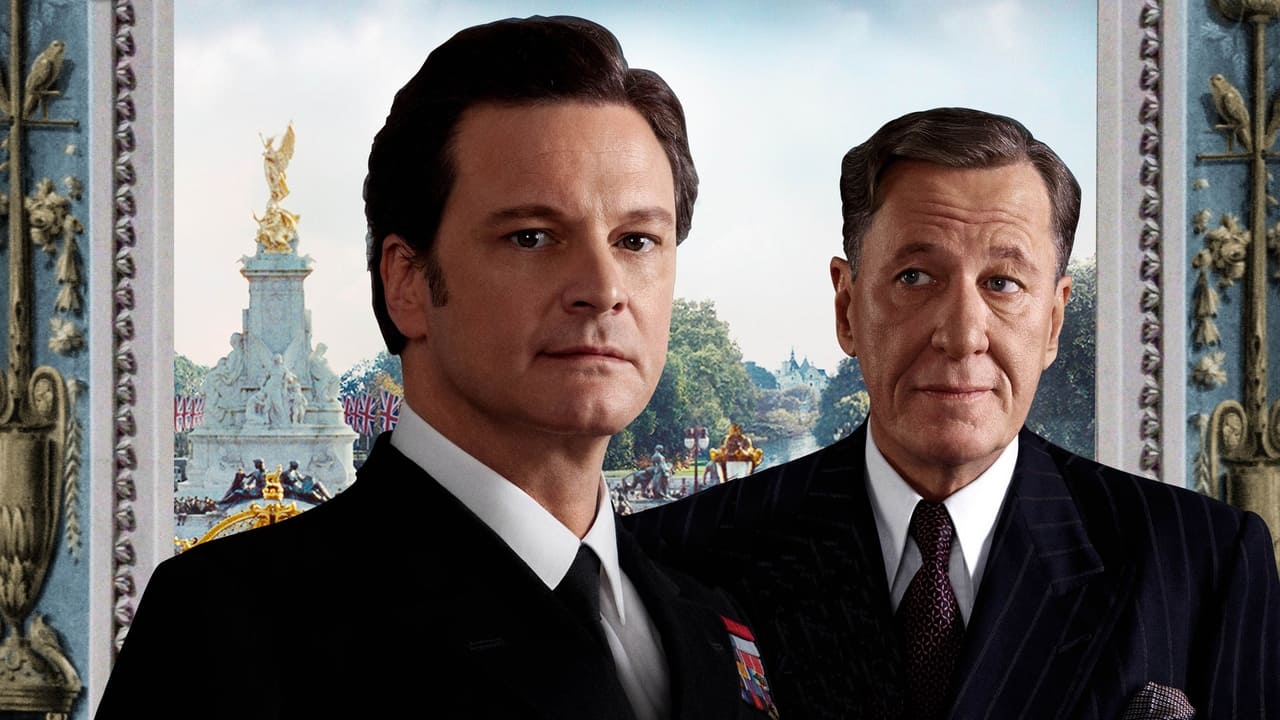
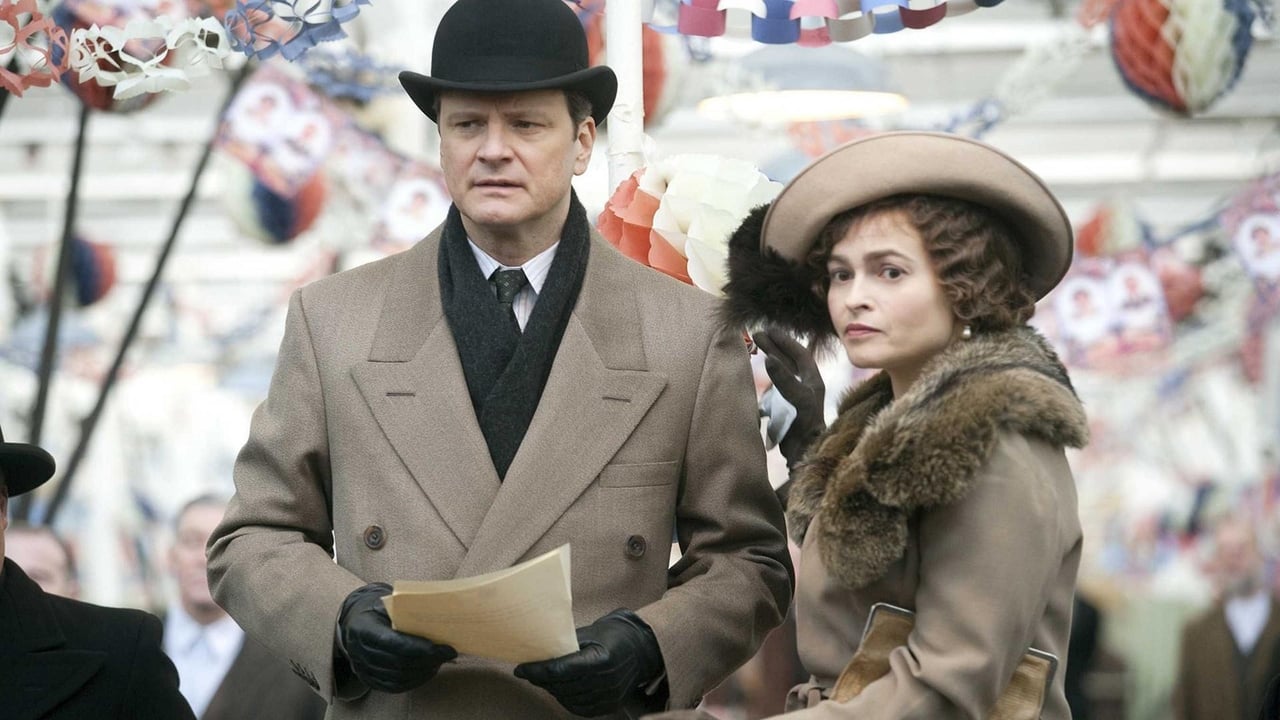
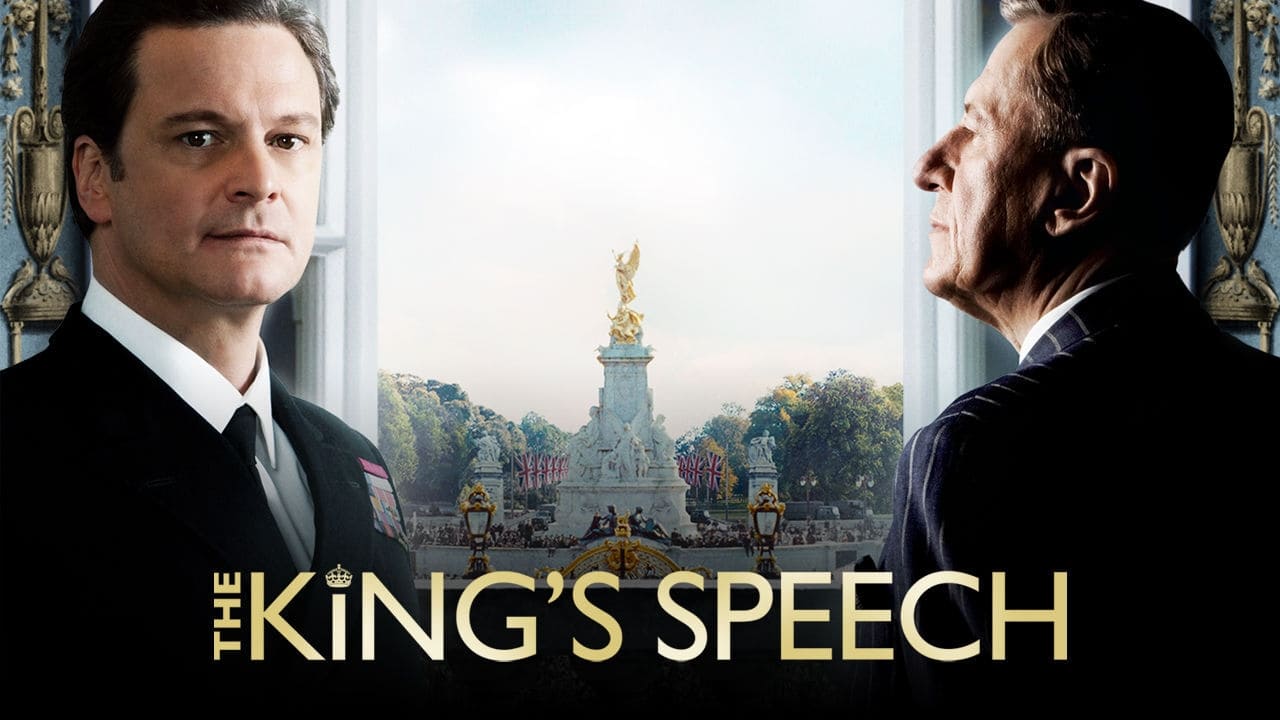
The heart of the film is the friction between Colin Firth (who you might know as the stiff-upper-lip Darcy from Pride and Prejudice) and Geoffrey Rush (the chaotic energy of Pirates of the Caribbean). Firth plays Prince Albert—"Bertie"—with a physicalized agony that is painful to watch. He doesn't just stutter; he strangulates. His jaw locks, his eyes plead, and his dignity slowly leaks out of the room. It’s a performance that deserved every ounce of its Oscar gold because it avoids the "disability-as-inspiration" clichés. Instead, it’s a portrait of a man trapped inside a cage of his own nerves.
Then comes Geoffrey Rush as Lionel Logue, an Australian speech therapist with zero credentials and a surplus of cheek. The dynamic is essentially a high-stakes "odd couple" routine. Logue insists on total equality, forcing a future King to sit in a dingy basement and swear like a sailor to loosen his vocal cords. The scene where Bertie unleashes a torrent of "f-bombs" is still the film’s cathartic peak. It’s a reminder that beneath the medals and the sashes, Bertie is just a middle child with a traumatic childhood and a brother (Guy Pearce, playing King Edward VIII with a deliciously oily narcissism) who treats him like a footstool.
A Masterclass in Visual Claustrophobia
Director Tom Hooper (who would later give us the fever dream of Cats, but let’s forgive him for now) and cinematographer Danny Cohen made some fascinating choices here. Most historical dramas use sweeping wide shots to show off the sets. Here, they use wide-angle lenses in cramped rooms, making the walls feel like they’re leaning in on Firth. It creates a visual sensation of the King being small in a world that demands he be a giant.
Even the supporting cast feels like a "Who's Who" of British heavyweights. Helena Bonham Carter is surprisingly restrained as Queen Elizabeth (the future Queen Mother), providing a steel-spined warmth that anchors the domestic scenes. And then there’s Timothy Spall as Winston Churchill. I’ll be honest: Spall looks like a very grumpy, well-dressed bulldog here, but he captures that specific wartime anxiety that makes the film’s climax feel so urgent. This isn't just about a speech; it’s about a man convincing a crumbling empire that their leader isn't broken.
The "Weinstein" Effect and the 2010 Cultural Moment
We can’t talk about The King's Speech without acknowledging the era. This was the peak of the Miramax/Weinstein Company machine, where prestige dramas were marketed with the aggression of summer blockbusters. It famously beat The Social Network for Best Picture, a decision that launched a thousand "Old Hollywood vs. New Hollywood" debates.
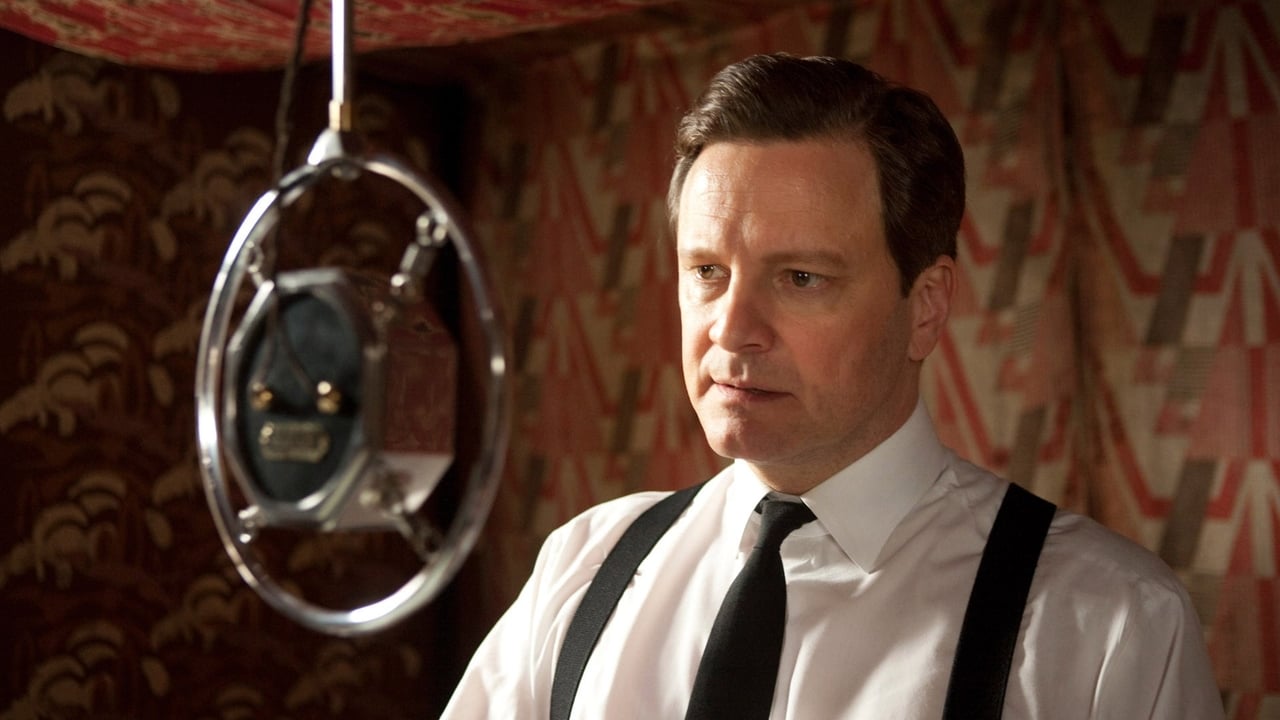
But if you strip away the awards buzz, what remains is a surprisingly philosophical look at identity. Logue’s central question to Bertie—"Why should I waste my time listening to you?"—is the core of the movie. Bertie’s scream of "Because I have a voice!" isn't just a plot point; it’s an existential crisis resolved. It’s basically a Rocky movie where the boxing ring is a broadcast booth.
The trivia behind the scenes adds a layer of poignancy, too. Screenwriter David Seidler actually suffered from a stutter as a child and grew up inspired by the real King George VI’s wartime broadcasts. He wanted to write the story decades earlier, but the Queen Mother asked him not to do it during her lifetime because the memories were too painful. Seidler waited 28 years to tell this story. That patience shows in the script; every word feels like it was earned through a struggle.
Ultimately, The King's Speech is a rare "blockbuster drama" that actually rewards your attention. It’s a film that understands that for some people, speaking your truth is more heroic than winning a war. It captures a world on the brink of digital noise, reminding us of a time when a single voice crackling over a radio was the only thing keeping a nation from falling apart. If you haven't seen it since its Oscar sweep, give it another look—it’s much more than just "prestige bait"; it’s a deeply moving study of a friendship that saved a crown.
Keep Exploring...
-
Les Misérables
2012
-
Apocalypto
2006
-

Hero
2002
-
The Queen
2006
-
Coach Carter
2005
-
The Diving Bell and the Butterfly
2007
-
Ip Man
2008
-
Dallas Buyers Club
2013
-
Atonement
2007
-
The Impossible
2012
-
Saving Mr. Banks
2013
-

The Wind Rises
2013
-

Cinderella Man
2005
-

Memoirs of a Geisha
2005
-
Brokeback Mountain
2005
-

Little Miss Sunshine
2006
-
The Reader
2008
-

The Blind Side
2009
-
PK
2014
-
Malcolm X
1992