The Last Exorcism
"The devil is in the details."
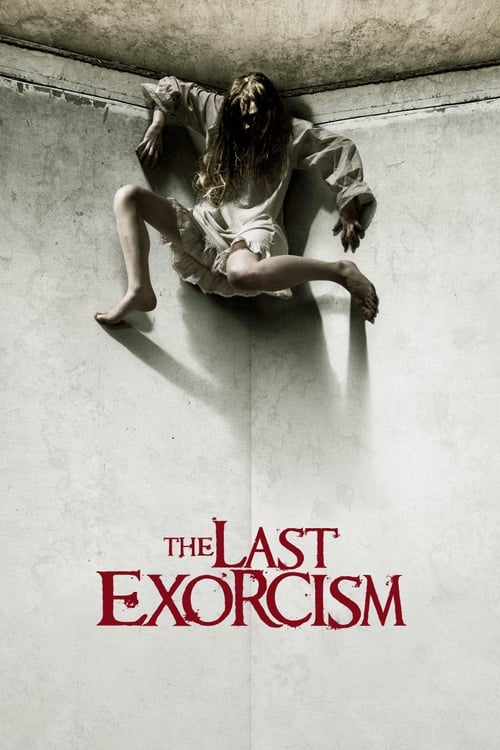
By 2010, I was pretty much done with found-footage horror. The genre had become a dumping ground for shaky-cam motion sickness and scripts that consisted entirely of people shouting "What was that?!" into the darkness. So, when I first sat down to watch The Last Exorcism—on a flight where the woman next to me was aggressively knitting a neon green scarf—I expected another Paranormal Activity clone. Instead, I found a clever, cynical, and surprisingly human deconstruction of the possession subgenre that remains one of the smartest horror entries of its decade.
The Grifter with a Heart of Guilt
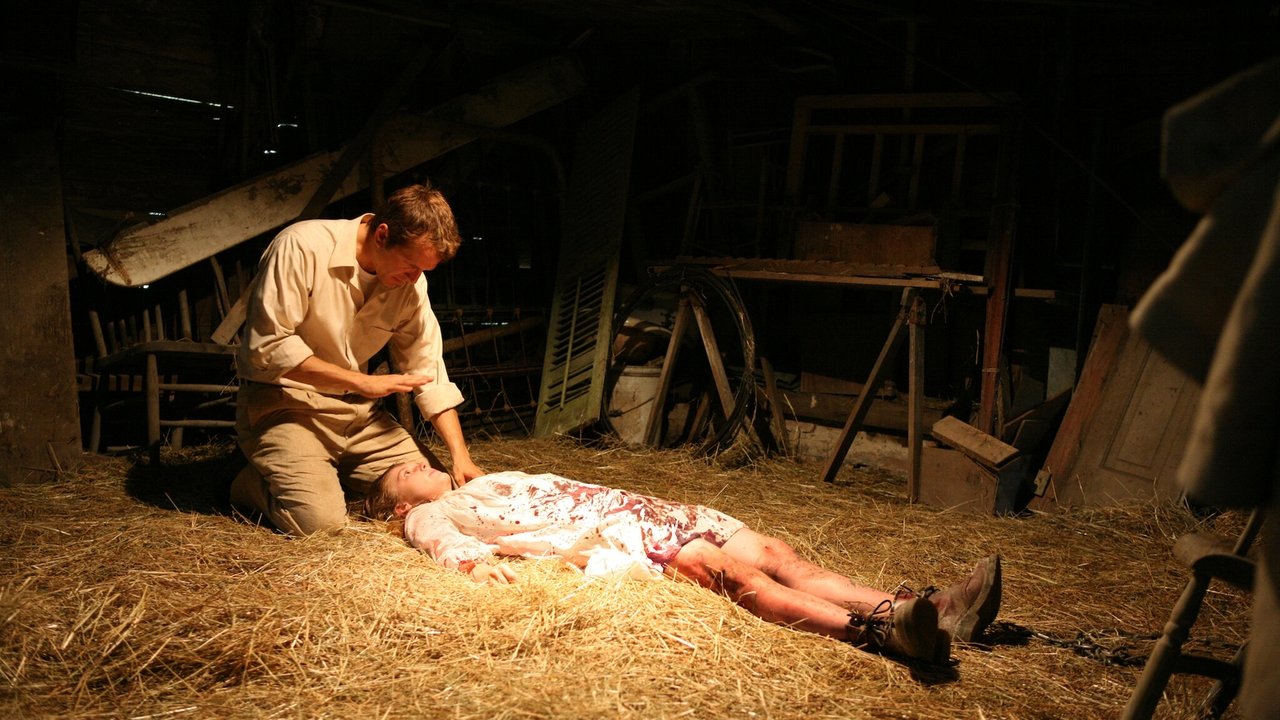
The brilliance of this film starts with its protagonist, Reverend Cotton Marcus, played with a magnetic, toothy charm by Patrick Fabian. Cotton isn't a believer; he’s a legacy act. He’s a fourth-generation minister who realized early on that his parishioners don't want theology—they want a show. He’s a master of the "magic trick" exorcism, using hidden speakers to create demonic growls and rigged crosses that smoke on command.
I loved the early scenes where Cotton invites a film crew to document his final "exorcism" in rural Louisiana. He’s essentially a whistleblower on his own industry, hoping to prove that possession is just untreated mental illness exacerbated by religious fanaticism. Fabian manages to make Cotton likable despite his deception; he thinks he’s doing a public service by "curing" people through theater rather than dangerous rituals. It’s a meta-commentary on the horror genre itself: we know the scares are fake, but we pay for the catharsis anyway.
Flexibility as a Special Effect
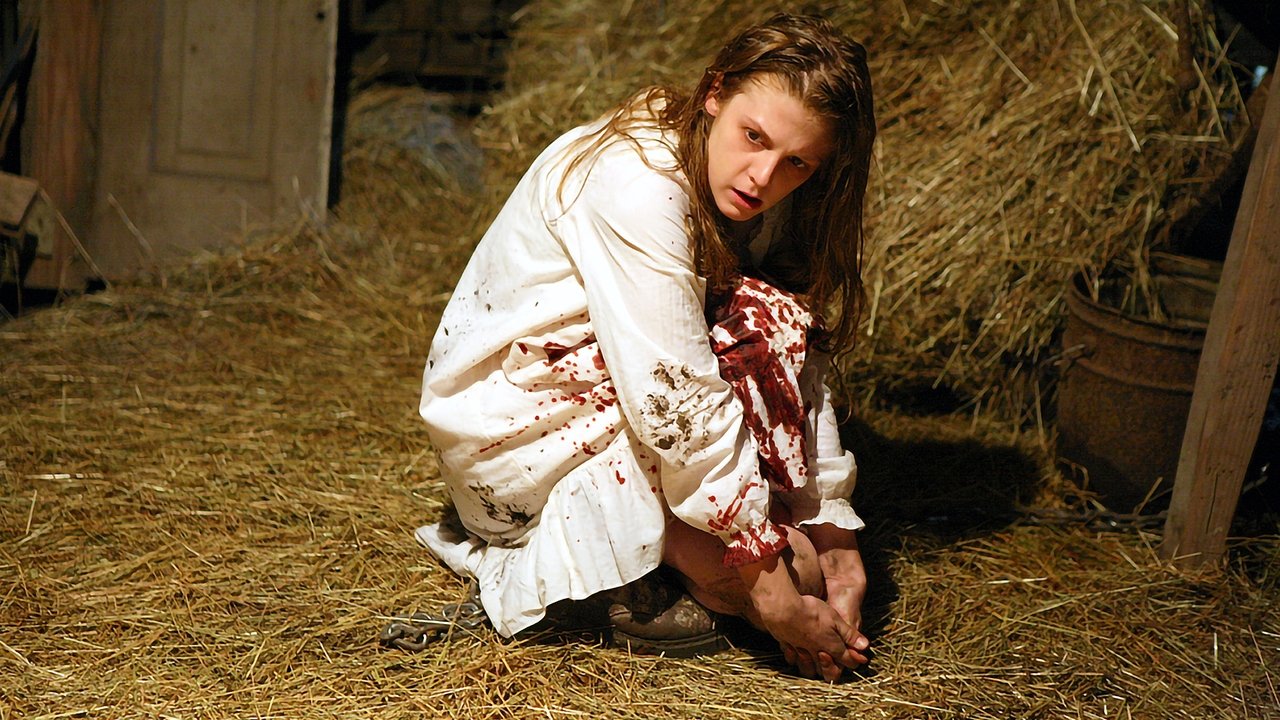
When the crew arrives at the Sweetzer farm, the film shifts from a satirical mockumentary into something far more claustrophobic. We meet Nell Sweetzer, played by Ashley Bell in a performance that should have been an awards-season dark horse. Nell is the "possessed" girl, and she is genuinely unsettling because she feels so vulnerable.
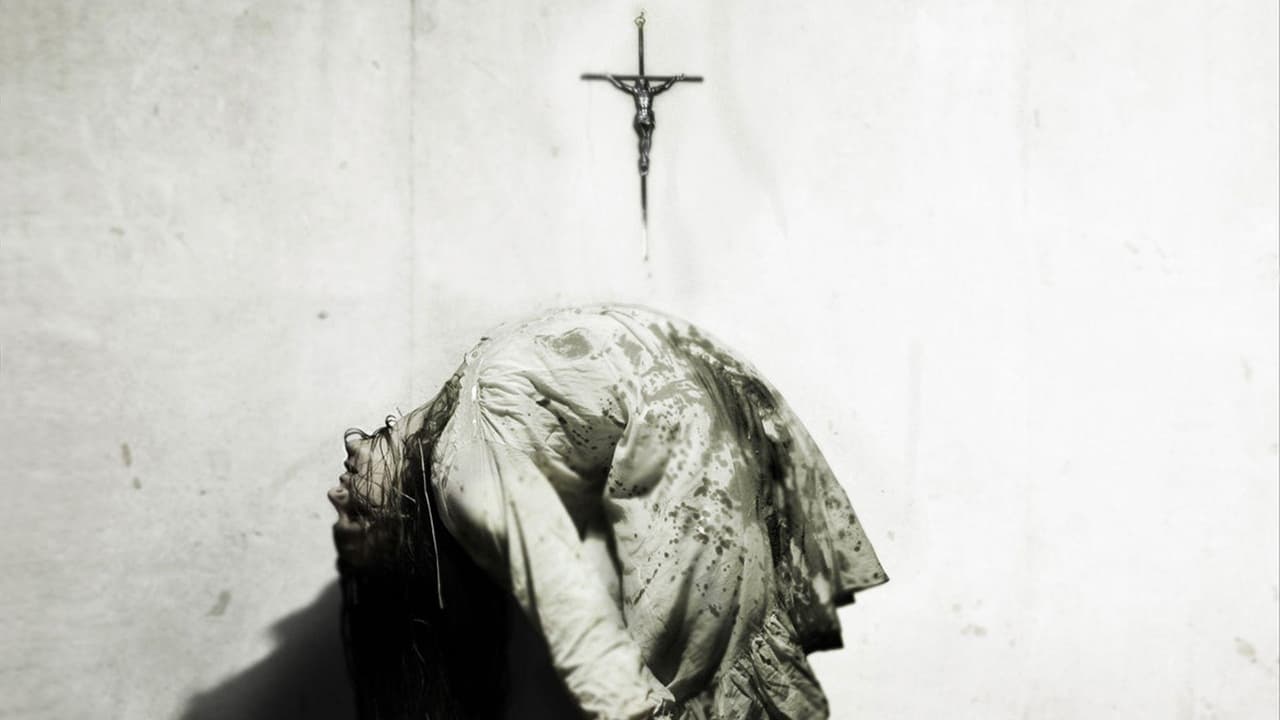
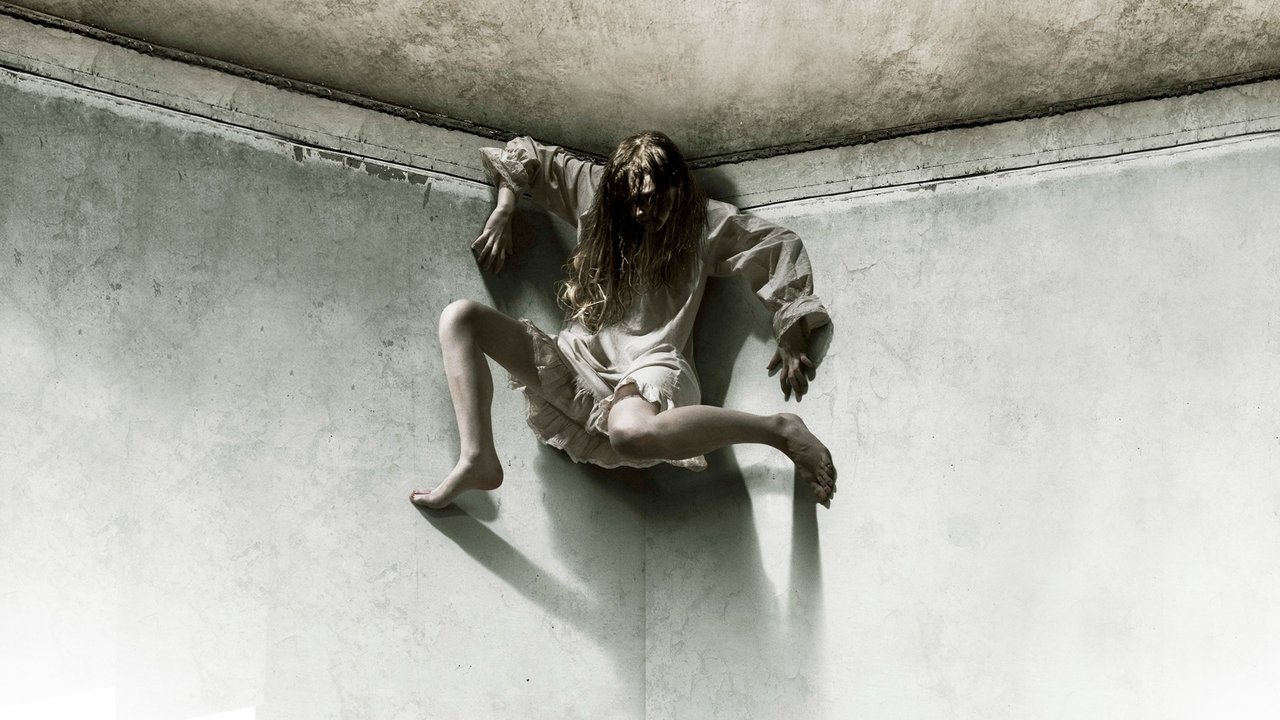
One of the most impressive things about this production—and a hallmark of the indie ingenuity of the era—is that Bell is actually hyper-mobile. Those bone-crunching contortions you see? No CGI. No wires. That was just her doing a human pretzel act on a dirty floor while the camera rolled. In an era where even small-budget films were starting to lean heavily on digital "demon faces," director Daniel Stamm realized that a girl staring blankly while her joints pop in ways God never intended is a thousand times scarier than a computer-generated monster.
The supporting cast adds to the regional dread. Louis Herthum is fantastic as the overprotective, grieving father, and a young Caleb Landry Jones shows up as the brother, Caleb, vibrating with the kind of weird, twitchy energy that has since become his trademark. The film thrives on the ambiguity of their environment—is this a supernatural threat, or just a family broken by grief and isolation?
Low-Budget Miracles and High-Stakes Risks
Producer Eli Roth has always been a polarizing figure in the "Splat-Pack" era, but his involvement here helped secure the $1.8 million budget that the team stretched to its absolute limit. They shot in sequence over the course of a few weeks in Louisiana, which allowed the actors to naturally descend into the frantic energy of the finale. This was a classic "indie gem" success story: a film that debuted at South by Southwest (SXSW) and rode a wave of ecstatic word-of-mouth all the way to a $69 million box office haul.
Looking back, the marketing for this film was a time capsule of 2010 internet culture. They ran a viral campaign on Chatroulette (remember that?) where a girl would start "undressing" for unsuspecting users before turning into a screaming demon. It was cheap, effective, and perfectly captured the transition from traditional trailers to social media stunts.
Technically, the film handles the "found footage" conceit better than most. The camera operator, Iris (played by Iris Bahr), feels like a real character with a specific POV, and the cinematography by Zoltan Honti uses the natural light of the Louisiana backwoods to create a sense of sprawling, inescapable rot. The score by Nathan Barr is subtle, mostly staying out of the way until the tension becomes unbearable.
The Ending That Divided a Decade
We have to talk about the ending—without spoiling it, of course. It is one of the most divisive "third-act pivots" in recent horror history. When I first saw it, I wanted to throw my laptop out the window, but on a rewatch years later, I’ve grown to respect the sheer audacity of it. It’s a sharp left turn that completely abandons the grounded, psychological tone of the first hour in favor of something much more primal and chaotic.
Does it hold up? Absolutely. While the "found footage" craze eventually ate itself, The Last Exorcism stands out because it treats its characters as more than just fodder for a kill count. It’s a movie about the danger of certainty—whether that’s the certainty of a fanatic or the certainty of a skeptic. It’s also just a damn good ghost story that relies on performance and atmosphere rather than a massive VFX budget.
Ultimately, The Last Exorcism is the kind of mid-budget horror movie we don't see enough of anymore. It’s smart, it’s mean, and it features a lead performance from Patrick Fabian that should have made him a massive movie star. Even if you think you’re tired of exorcism movies, give this one a shot. Just maybe avoid watching it next to someone who is aggressively knitting a neon scarf; it makes the bone-snapping sounds significantly more distracting.
Keep Exploring...
-
After.Life
2009
-
You're Next
2013
-
The Awakening
2011
-
13 Sins
2014
-

Sinister
2012
-
House of Wax
2005
-
The Skeleton Key
2005
-

The Omen
2006
-

The Invasion
2007
-
Untraceable
2008
-
Pandorum
2009
-
Devil
2010
-
The Ward
2010
-

Time Lapse
2014
-
P2
2007
-
I Spit on Your Grave
2010
-

Red State
2011
-
V/H/S
2012
-
Dark Skies
2013
-
Unfriended
2014