The Man from Nowhere
"The neighbor you never should have crossed."
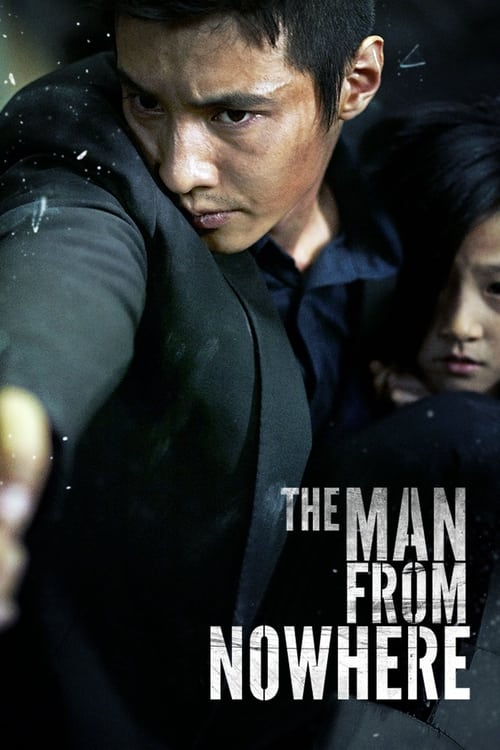
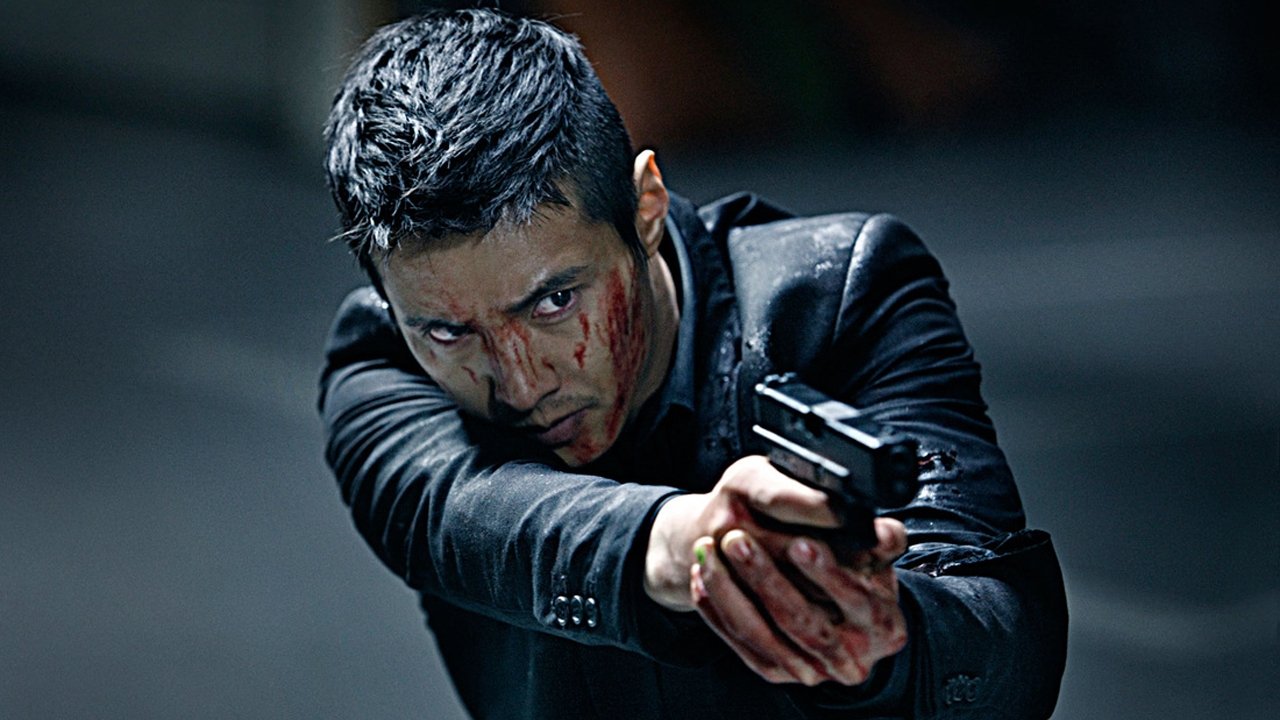
The image of a silent man meticulously shaving his head in a dimly lit room shouldn’t feel like a declaration of war, but in 2010, Won Bin turned that bathroom mirror moment into a cinematic shift. By the time the clippers hit the floor, you knew the "flower boy" era of Korean leading men was effectively dead, replaced by something much leaner and infinitely more dangerous. I actually watched this for the first time while nursing a lukewarm cup of instant coffee that I’d forgotten to stir, and even that gritty, undissolved silt at the bottom of the mug felt appropriate for the mood Lee Jeong-beom was conjuring on screen.
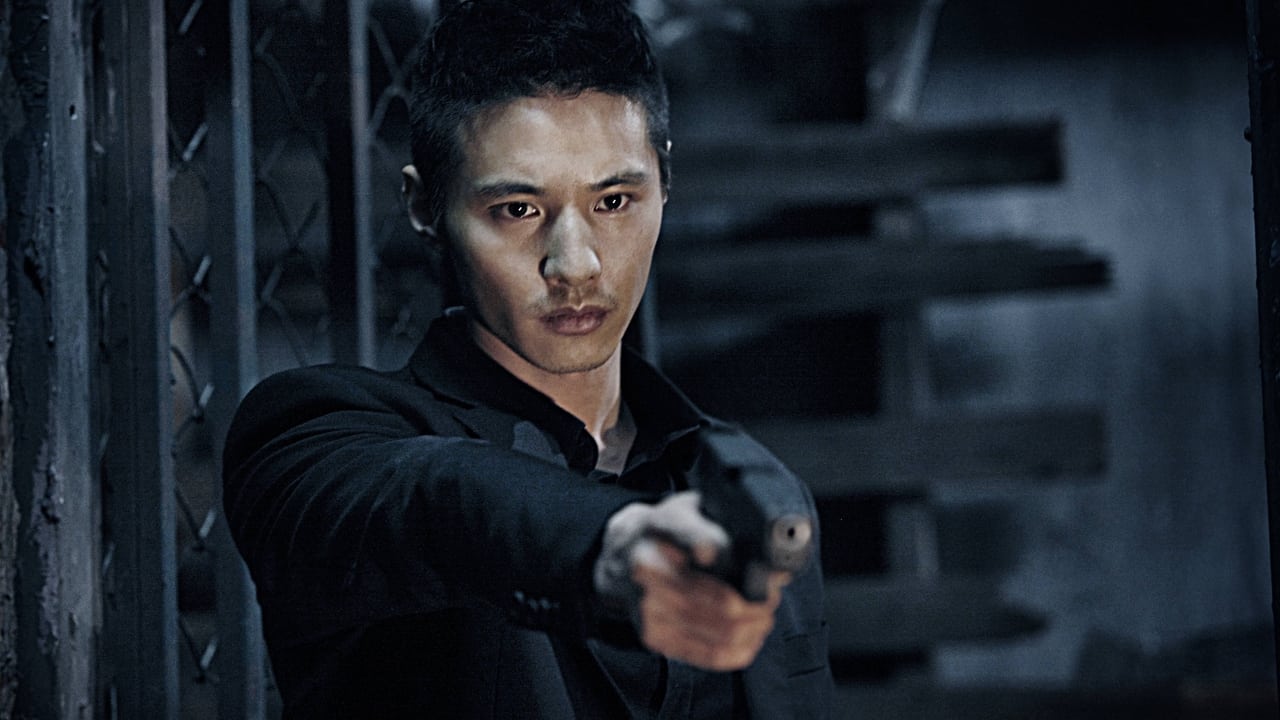
The Quiet Man and the Loud Blade
The Man from Nowhere (or Ajeossi) arrived at a fascinating crossroads for South Korean cinema. We were moving past the "Extreme" era of the early 2000s—the kind of shock-heavy storytelling found in Oldboy (2003)—and into a decade of ultra-polished, high-stakes thrillers that could compete with any Hollywood blockbuster on a technical level. Yet, despite the slick cinematography by Lee Tae-yoon, the film maintains a grimy, independent soul. It’s a classic "protector" narrative, but it trades the over-the-top gadgetry of James Bond for the desperate, cramped reality of pawnshops and back-alley organ harvesting rings.
Won Bin plays Cha Tae-sik, a reclusive pawnshop owner whose only friend is the neglected young girl next door, Jeong So-mi (Kim Sae-ron). When her mother steals a shipment of drugs from a massive crime syndicate, So-mi is kidnapped, and Tae-sik is forced out of his self-imposed shell. It’s a simple hook, but the execution is where the film earns its stripes. The villains, played with skin-crawling sociopathy by Kim Hie-won and Kim Seung-o, aren't just mustache-twirling thugs; they represent a systemic cruelty that makes Tae-sik’s eventual rampage feel not just justified, but necessary. The villains in this film are so detestable that they make the average slasher movie killer look like a polite door-to-door salesman.
A Masterclass in Close-Quarters Chaos
If you’re here for the action, the final twenty minutes are essentially the gold standard for 21st-century fight choreography. Before the John Wick (2014) series popularized "gun-fu" for Western audiences, Lee Jeong-beom was perfecting the "knife-fu" of Southeast Asian martial arts like Silat and Arnis. The choreography is frantic but never confusing. You see every parry, every calculated puncture, and every desperate gasp for air.
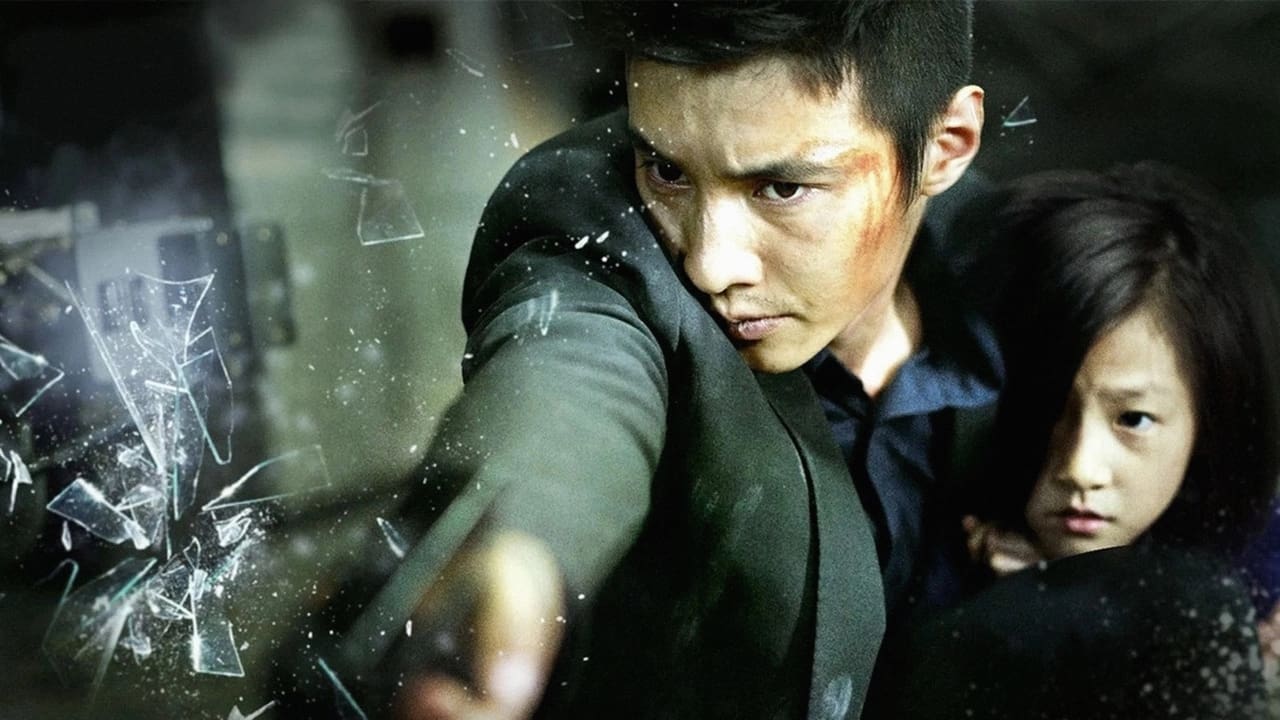
The legendary hallway fight and the subsequent knife duel are standout sequences because they emphasize the physical toll of violence. Tae-sik isn't a superhero; he’s a specialized tool being used at maximum capacity. The sound design is particularly mean—every blade sliding against bone or thudding into a wall carries a weight that most CG-heavy action films lack. It’s a testament to the stunt team that these scenes still feel more impactful than most $200 million spectacles released today. The film proves that you don't need a massive budget to create a spectacle; you just need a director who understands exactly how much a single well-placed cut should hurt.
Gravity and Grime
What elevates this beyond a standard revenge flick is the crushing weight of its atmosphere. This is a "Dark/Intense" film in the truest sense. It explores the absolute lowest rungs of human depravity—child trafficking and the black market for human organs—without ever feeling like it’s purely for shock value. The stakes are personal, but the world feels vast and indifferent. The score by Shim Hyun-jung balances this beautifully, offering a somber, melancholic undertone that reminds us this isn't a story about winning; it's a story about surviving the unthinkable.
Looking back at this era of cinema, it’s impressive how much the film accomplished on a relatively modest $1.2 million budget. It’s the ultimate "Indie Gem" that behaved like a blockbuster, dominating the Korean box office and proving that audiences were hungry for high-IQ action. It didn't need a sprawling franchise or a post-credits scene; it just needed a man, a knife, and a reason to fight.
Stuff You Didn't Notice
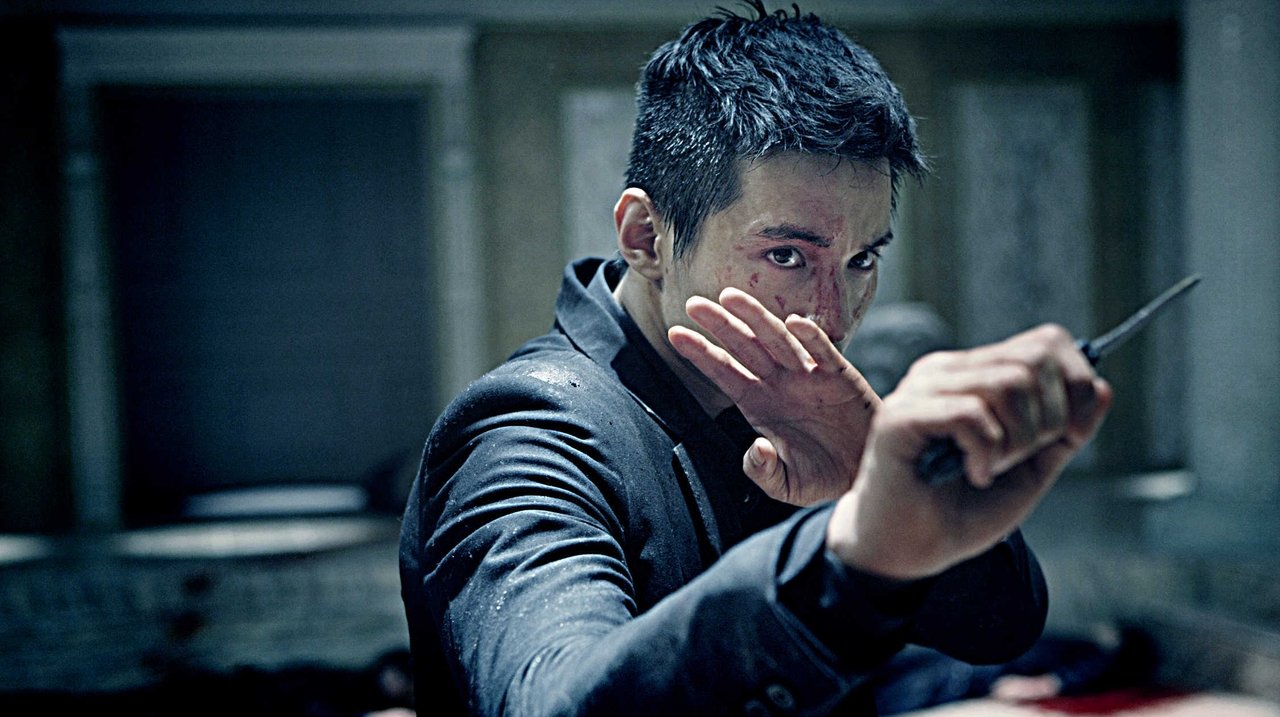
Interestingly, Won Bin hasn't appeared in a single film since this one. He effectively retired at the absolute peak of his powers, leaving The Man from Nowhere as his permanent mic-drop moment. During production, he reportedly trained for months in three different styles of martial arts to ensure he could perform the majority of his own stunts, which explains why the camera can stay so close to his face during the most complex exchanges. Also, the young Kim Sae-ron was so protected on set from the film's darker elements that she reportedly didn't see the full finished product for years, which speaks to the care taken behind the scenes of such a grim story.
This is a stone-cold essential for anyone who values craft in their chaos. It’s a film that respects the audience’s intelligence while simultaneously testing their stomach for tension. While it hits some familiar beats of the "retired badass" subgenre, it does so with such precision and emotional honesty that it feels entirely fresh. If you haven't seen it, clear your evening, grab a drink (maybe stir your coffee better than I did), and prepare for one of the most satisfying finales in action history.

Keep Exploring...
-

The Chaser
2008
-
Felon
2008
-

Blood and Bone
2009
-

The Girl Who Kicked the Hornet's Nest
2009
-

Undisputed III: Redemption
2010
-
The Raid
2012
-

The Raid 2
2014
-
Hard Boiled
1992
-

The Girl Who Played with Fire
2009
-
The Protector
2005
-

Undisputed II: Last Man Standing
2006
-

United 93
2006
-
Mesrine: Killer Instinct
2008
-
Mesrine: Public Enemy #1
2008
-
The Dark Knight
2008
-
Batman: Year One
2011
-
Fast Five
2011
-
Headhunters
2011
-

The Dark Knight Rises
2012
-

Batman: Assault on Arkham
2014