The Other Guys
"They’re not the A-Team. They’re barely the C-Team."
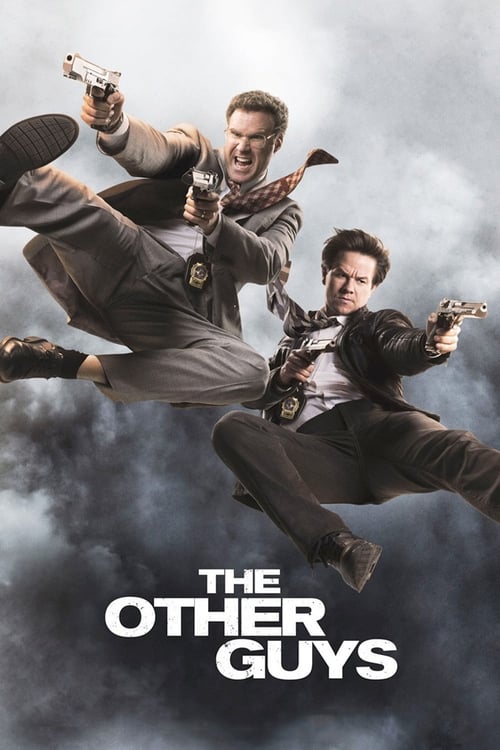
The first ten minutes of The Other Guys (2010) are a masterclass in the "bait and switch." We’re introduced to the quintessential 2000s action gods: Samuel L. Jackson and Dwayne "The Rock" Johnson. They’re driving a Chevy Chevelle through double-decker buses, causing millions in property damage, and delivering the kind of alpha-male quips that fueled every Jerry Bruckheimer production of the era. Then, they jump off a building to the tune of "My Hero" by Foo Fighters, aim for the bushes, and promptly hit the pavement. They’re dead. Gone.
That moment is when I realized Adam McKay wasn't just making a parody; he was performing a cinematic assassination of the "invincible cop" trope. I watched this most recent time on a Tuesday night while nursing a mild burn from a microwave burrito, and frankly, the physical discomfort made Mark Wahlberg’s constant, simmering rage feel a lot more relatable.
The Chemistry of a Tuna and a Lion
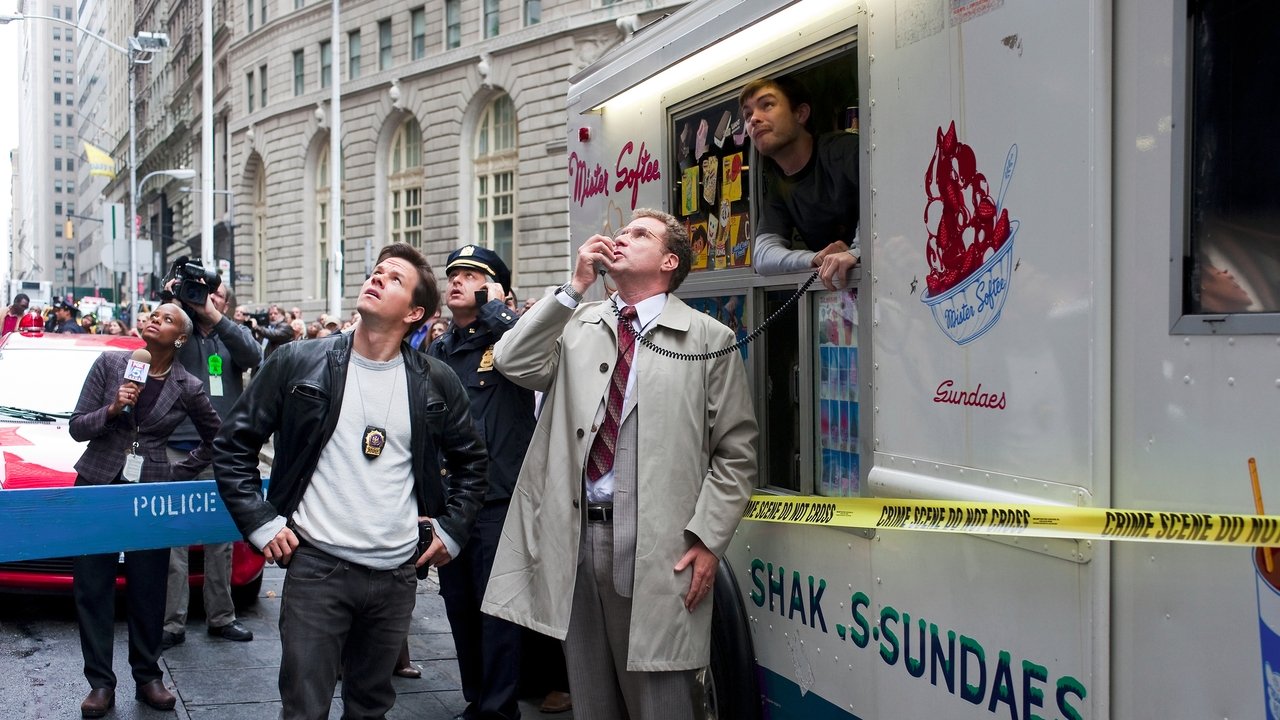
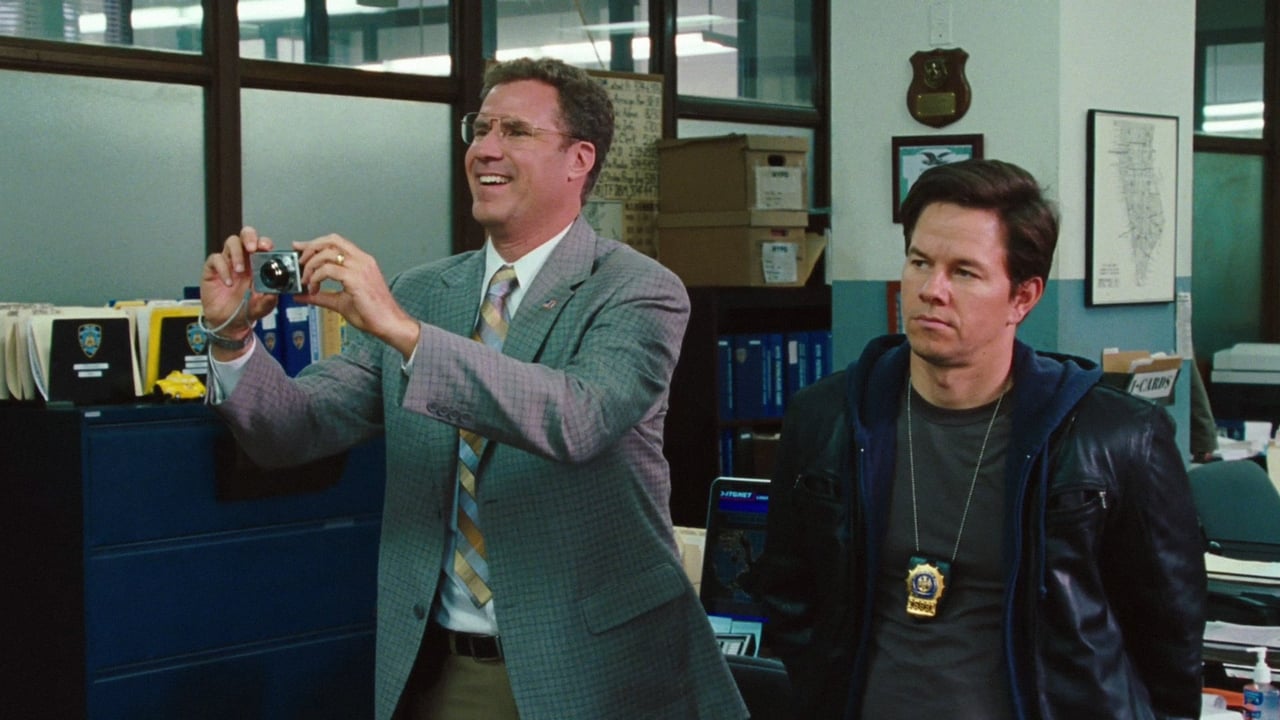
The movie’s heart—if you can call a film featuring a "Dirty Mike and the Boys" soup kitchen a "heart"—is the inexplicable chemistry between Will Ferrell and Mark Wahlberg. At the time, casting Wahlberg in a high-concept comedy felt like a gamble. We knew him as the intense guy from The Departed (2006) or The Fighter (2010). But as Detective Terry Hoitz, a man whose career was derailed because he "shot Jeter," his intensity becomes the ultimate comedic weapon.
His foil, Will Ferrell’s Allen Gamble, is a paper-pushing desk jockey who loves his Prius and his "plain oatmeal" life. The "Lion vs. Tuna" argument remains one of the most quoted bits of dialogue in my friend group, but what strikes me now is how much Ferrell commits to the subversion. He isn't the loud, "glass case of emotion" guy here; he’s a terrifyingly calm accountant who happens to have a dark past as a pimp named Gator. Mark Wahlberg’s best acting is just him being genuinely confused by Will Ferrell’s existence.
Action with Actual Weight
For a movie that spends twenty minutes talking about wooden guns and TLC lyrics, the action choreography is surprisingly legitimate. Adam McKay and cinematographer Oliver Wood (who shot the Bourne trilogy) didn't treat the action as a joke. When the explosions go off, they feel massive. When the 190-mph Prius chase happens, it’s edited with the same frantic energy as a Fast & Furious flick.
There’s a specific sequence—the "slow-motion bar crawl"—that perfectly captures the transition from analog to digital-heavy filmmaking. It uses the "Phantom" camera to capture the duo’s drunken debauchery in hyper-stylized detail. It’s a visual gag that wowed me in 2010 and still looks gorgeous today. It’s also a reminder that this was a $100 million comedy. In today's landscape, a studio spending that much on a non-superhero comedy is basically a myth.
The stunt work is equally impressive. The crew actually flipped vehicles and performed high-speed maneuvers on the streets of New York, blending those practical effects with just enough CGI to enhance the scale. It gives the film a "heft" that many modern digital-first comedies lack. You can feel the metal crunch.
The Cult of the "Gently Misunderstood"
While it was a solid hit at the box office, The Other Guys found its true immortality on basic cable and DVD. It’s one of those films where every rewatch reveals a new weird detail. Turns out, Michael Keaton’s iconic references to TLC songs (unintentionally quoting "Waterfalls" and "Creep") were mostly born from McKay’s obsession with the band, and Keaton plays it with such deadpan perfection that you almost miss the joke the first time around.
Apparently, Wahlberg was so committed to the bit that he actually took ballet lessons for the "I learned it ironically" scene. That’s the secret sauce of this film: nobody is "doing" comedy. They are playing the absurd reality of the script with 100% conviction. Whether it’s Steve Coogan as the white-collar criminal David Ershon or Eva Mendes as the "plain" wife who is clearly a supermodel, the commitment is total.
The most fascinating "cult" aspect, however, is the ending. As the credits roll, McKay shifts from slapstick to a scathing infographic about the 2008 financial crisis and Ponzi schemes. It’s a jarring, post-9/11 anxiety-fueled move that reminds you the "villain" isn't a drug lord with a machine gun, but a guy in a suit with a spreadsheet. It’s a sharp bit of social commentary hidden inside a movie about a man who accidentally traded his service weapon for a wooden prop.
Looking back, The Other Guys represents the pinnacle of the Ferrell/McKay era at Gary Sanchez Productions. It’s smart, loud, and weirdly prophetic about the world of white-collar crime. It avoids the "lazy sequel" trap and delivers a standalone story that gets funnier as the world gets more ridiculous. If you haven't revisited Gamble and Hoitz lately, do yourself a favor: grab a bag of pretzels, ignore the "Hot Cross Buns" playing in the background, and aim for the bushes. It’s a hell of a ride.
Keep Exploring...
-
Step Brothers
2008
-
Anchorman: The Legend of Ron Burgundy
2004
-
Talladega Nights: The Ballad of Ricky Bobby
2006
-
Anchorman 2: The Legend Continues
2013
-
Megamind
2010
-
Get Smart
2008
-
Night at the Museum: Battle of the Smithsonian
2009
-
Date Night
2010
-
2 Guns
2013
-

Pain & Gain
2013
-
You Don't Mess with the Zohan
2008
-
The A-Team
2010
-

The Green Hornet
2011
-

Tower Heist
2011
-
Brave
2012
-

Men in Black 3
2012
-
The Watch
2012
-
RED 2
2013
-
Three Kings
1999
-
The Campaign
2012