The Round Up
"The silence of a city, the scream of history."
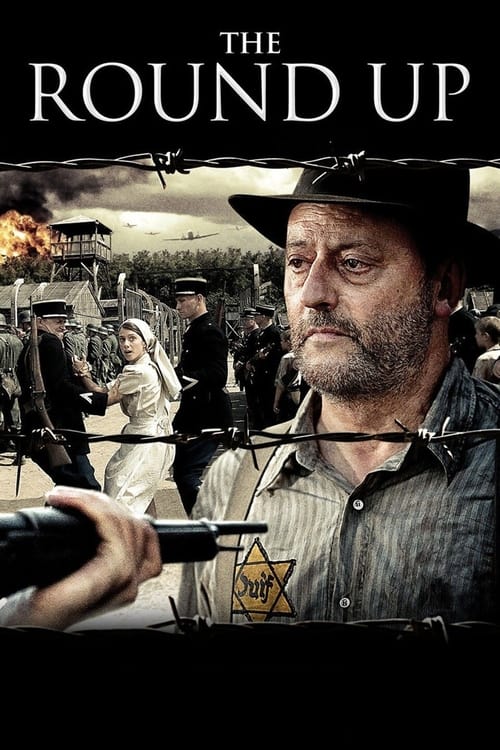
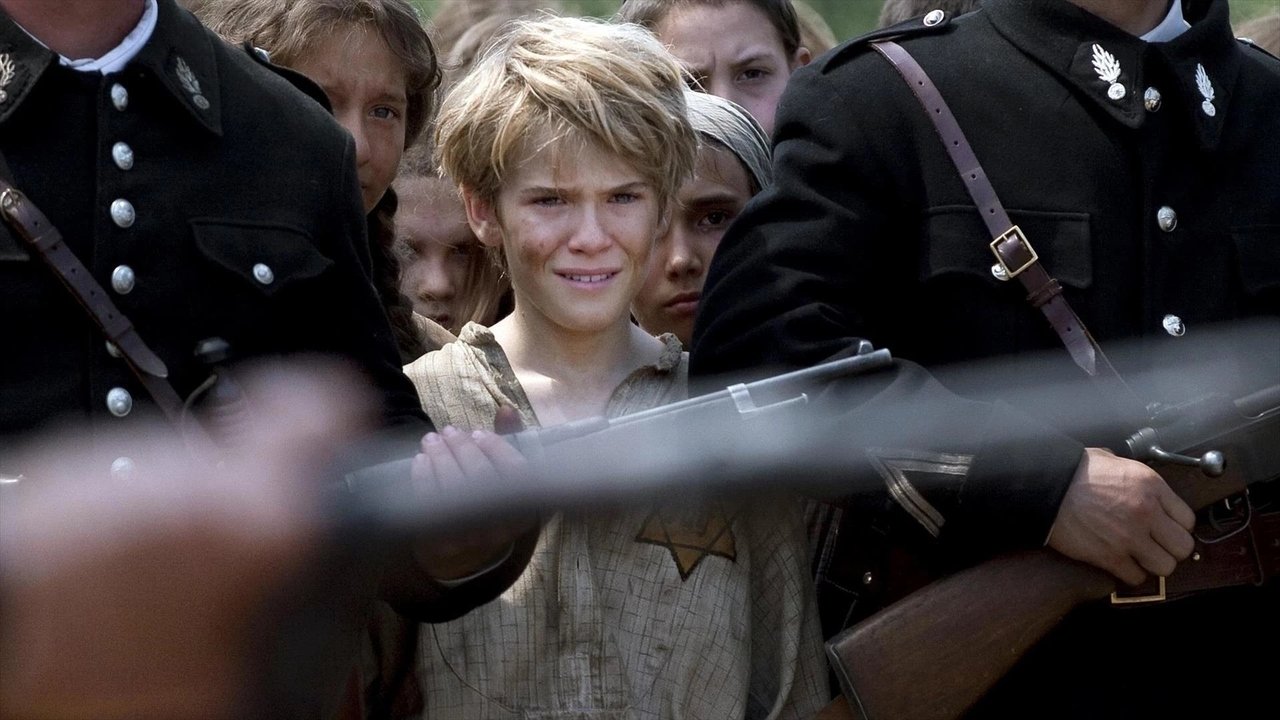
The image of a yellow star pinned to a child’s chest against the backdrop of a sunny Parisian street in 1942 is a visual dissonance that I’ve never been able to shake. It’s too clean, too bright, and too terrifyingly normal. When The Round Up (or La Rafle) arrived in 2010, it felt like a reckoning for French cinema. While we’ve had decades of films about the Resistance or the heroism of the few, Roselyne Bosch decided to turn the lens toward a much uglier, more bureaucratic horror: the Vel' d'Hiv Roundup, where French police—not German soldiers—arrested 13,000 Jewish citizens in the heart of Paris.
I watched this film on a Tuesday evening while my neighbor was outside loudly pressure-washing his driveway, and the rhythmic, mundane thud of the water against the pavement felt strangely appropriate. It was a reminder of how life’s ordinary noises persist even when we are looking back at the most extraordinary cruelties.
A Stadium of Stolen Lives
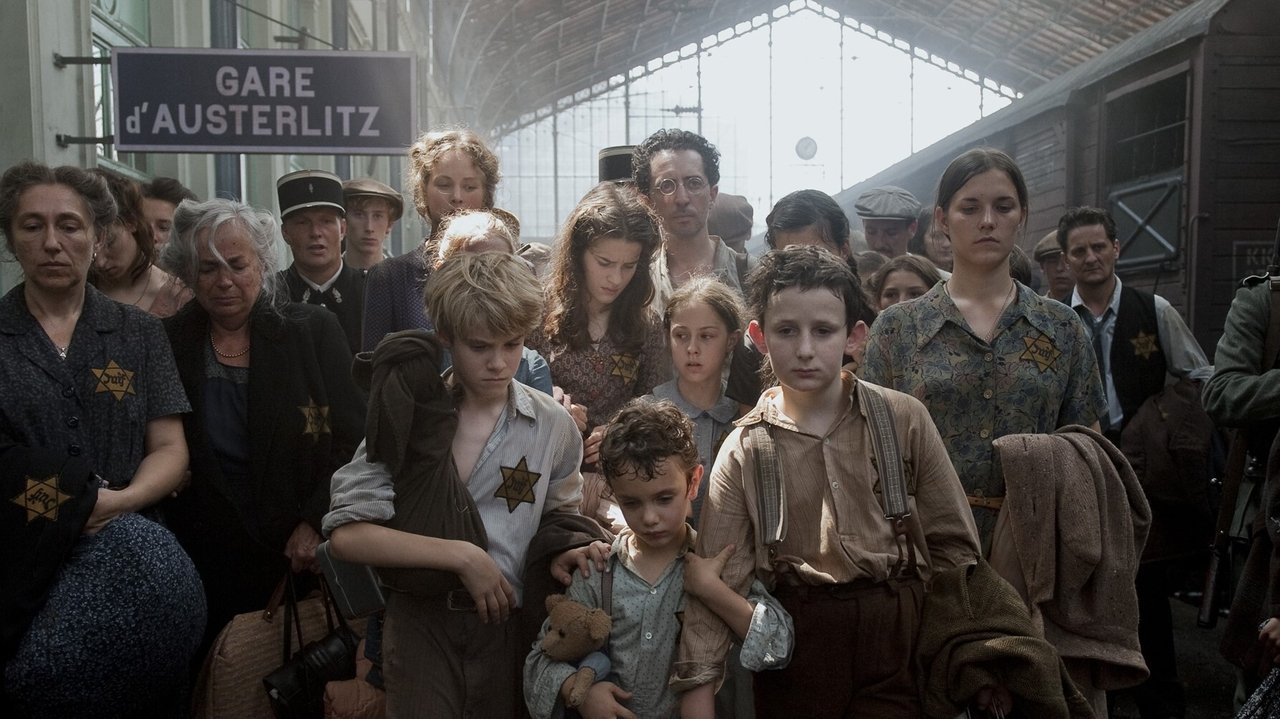
The film doesn't waste much time on the "before." We are dropped into Montmartre, meeting the Weismann family. Gad Elmaleh, a man usually known in France as a stand-up comedy powerhouse, delivers a performance as Schmuel Weismann that caught me completely off guard. There’s a tired, desperate dignity in his eyes that anchors the film’s first act. When the police come knocking in the early hours of July 16, the film shifts from a neighborhood drama into a claustrophobic nightmare.
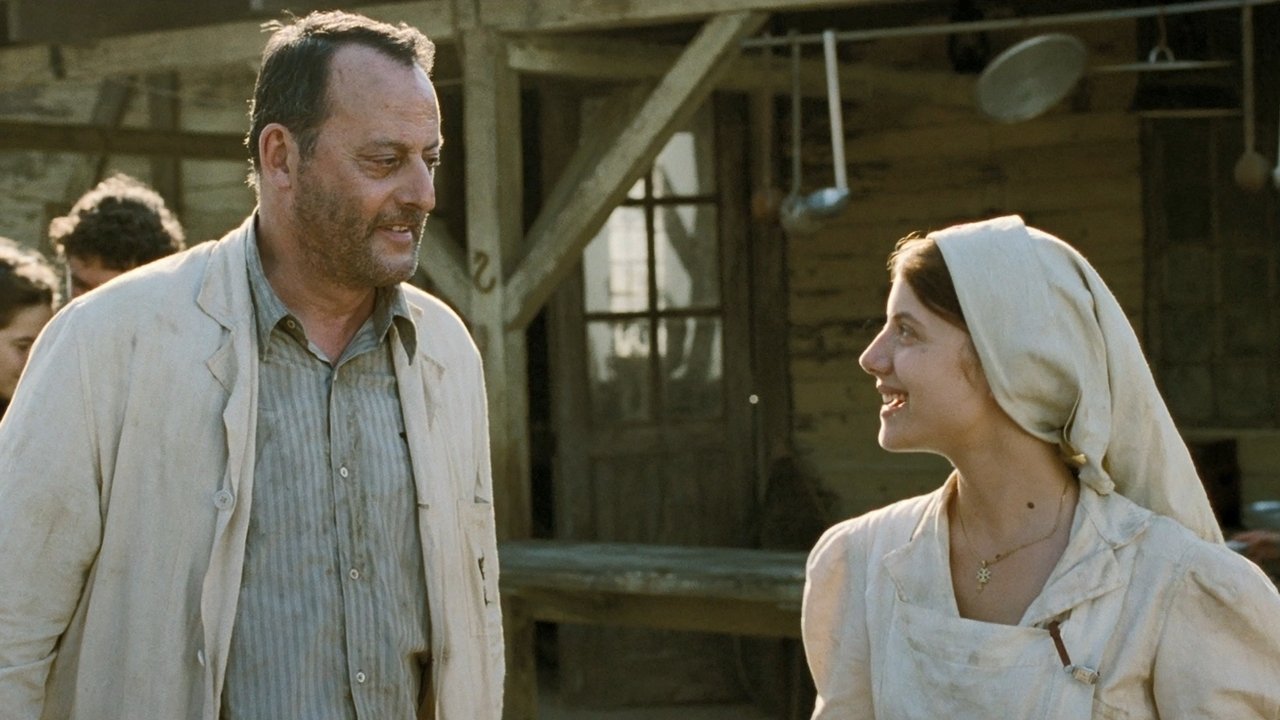
The recreation of the Vélodrome d'Hiver—a cycling stadium where the victims were held for days without food, water, or functioning toilets—is harrowing. Bosch uses her $20 million budget to build a scale that feels oppressive. I found myself focusing on the dust motes dancing in the light of the stadium rafters, a tiny bit of beauty in a place where humanity was being systematically stripped away. It’s here we meet Jean Reno as Dr. David Sheinbaum. Seeing Reno, the man I grew up watching as a cool-as-ice hitman in Léon or a rugged pilot, playing a Jewish doctor who can do nothing but watch his people suffer, is a masterstroke of casting against type. He brings a weary, quiet soulfulness to a role that could have easily been a cardboard cutout of "The Good Doctor."
The Burden of Complicity
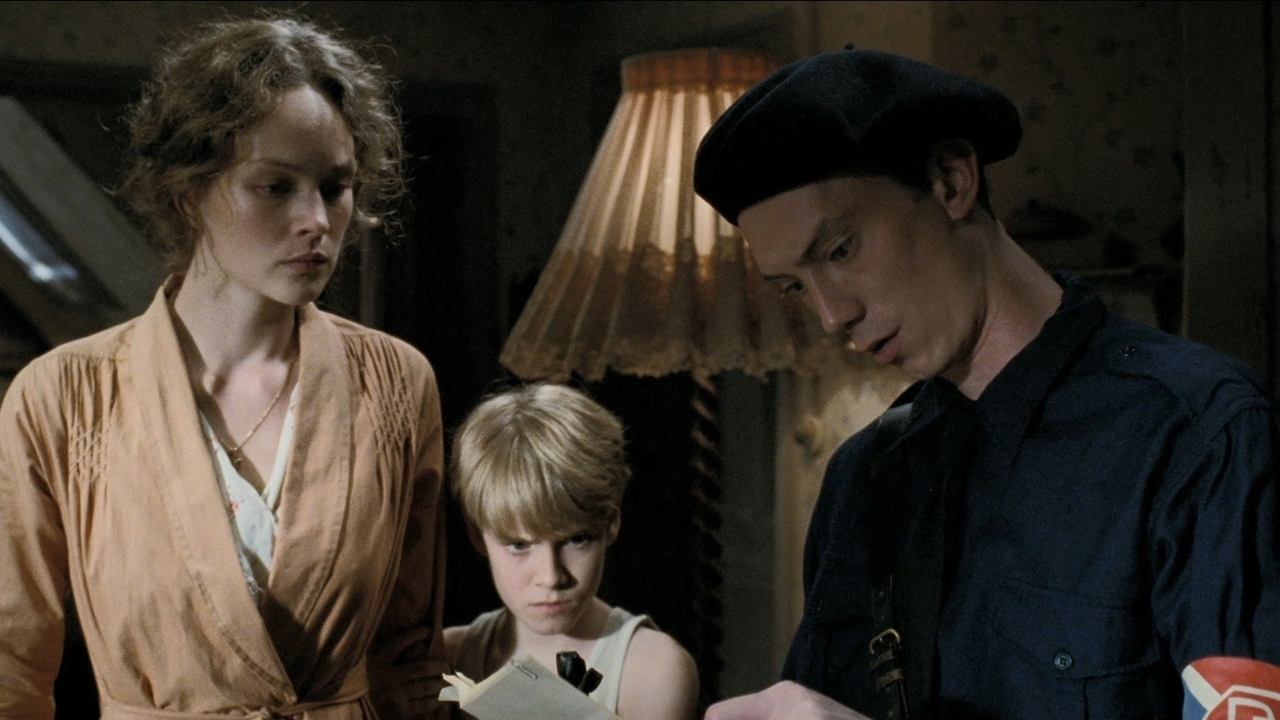
What makes The Round Up stand apart from other Holocaust dramas of the late 2000s is its refusal to let the French government of the time off the hook. This isn't just about the "bad guys" in Berlin; it’s about the administrators in Paris signing papers. Mélanie Laurent, who had just come off the explosive success of Quentin Tarantino’s Inglourious Basterds, plays Annette Monod, a Red Cross nurse. If her character in the Tarantino flick was about Jewish vengeance, here she represents the agonizing helplessness of the witness.
Laurent is remarkable because she doesn't overplay the saintliness. You can see the sheer, physical exhaustion in her posture as she tries to care for thousands of children. My one gripe with the direction, however, is that the cinematography occasionally veers into the 'golden hour' glow of a perfume commercial, which feels at odds with the grit of the subject matter. It’s a very "2010" aesthetic choice—that transition period where digital color grading was becoming a bit too polished for its own good.
Children in the Storm
At its heart, the film belongs to the children, specifically Jo Weismann, played by Hugo Leverdez. The film is actually based on the real Jo’s memoirs, and having a survivor’s perspective lends the narrative a ground-level authenticity. The scenes in the transit camp of Beaune-la-Rolande, where parents are forcibly separated from their children, are some of the most difficult minutes of cinema I’ve sat through. It’s raw, it’s loud, and it’s unapologetically sentimental.
Some critics at the time felt the film was too manipulative, but I disagree. When you are dealing with the state-sponsored kidnapping of infants, there is no "subtle" way to play that. However, I will say that the script occasionally treats historical accuracy as a blunt instrument to bash the audience over the head, particularly when it cuts to scenes of Hitler at his mountain retreat. Those moments feel like they belong in a different, much more cliché movie and break the intimate spell Bosch spends so much time weaving in the streets of Paris.
Looking Back Through the Lens

Turns out, the production was a massive undertaking. Since the original Velodrome d'Hiver was demolished in 1959, the production had to recreate the entire stadium in Hungary. Apparently, the real Jo Weismann visited the set and was so struck by the accuracy that it became an emotional touchstone for the entire cast and crew. That level of dedication to the "real" is what keeps the film from feeling like just another period piece.
In the context of the 2000s-2010s era of historical dramas, The Round Up sits alongside films like The Boy in the Striped Pyjamas or The Book Thief, but it has a harder edge because it’s a domestic confession. It was a film France needed to make, even if it’s a film that is profoundly uncomfortable to watch. It doesn't have the cinematic flourishes of a Spielberg epic, but it has a sincerity that I found deeply moving. It’s a heavy lift, but one that earns its place on the shelf of essential historical cinema.
The Round Up is a stark, necessary piece of history that trades subtle artistry for raw, emotional honesty. While the direction sometimes feels a bit too polished for such a grim subject, the powerhouse performances from Gad Elmaleh and Mélanie Laurent ensure that the human cost of the tragedy is never lost in the scale of the production. It’s a film that stays with you long after the credits roll, reminding us that history isn't just made by monsters, but by the ordinary people who look the other way.
Keep Exploring...
-
Joyeux Noel
2005
-
The Flowers of War
2011
-
The Boy in the Striped Pyjamas
2008
-

The Wind Rises
2013
-

The Imitation Game
2014
-
Defiance
2008
-
Kingdom of Heaven
2005
-

Red Cliff
2008
-
Black Book
2006
-
The Wind That Shakes the Barley
2006
-

United 93
2006
-
Downfall
2004
-
Hotel Rwanda
2004
-
Flags of Our Fathers
2006
-

A Very Long Engagement
2004
-

Rurouni Kenshin Part I: Origins
2012
-

Land of Mine
2015
-

Braveheart
1995
-
Saving Private Ryan
1998
-
The Thin Red Line
1998