The Social Network
"The billionaire's origin story where friendship is the first casualty."
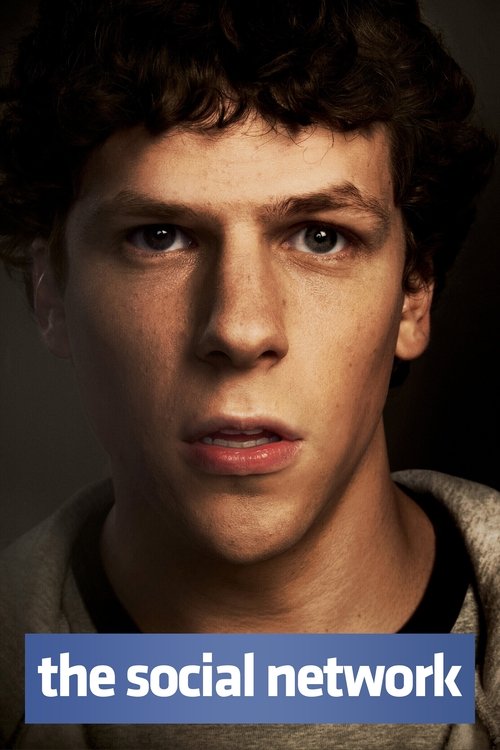
If you walked into a theater in 2010 expecting a dry, corporate procedural about the guy who invented the "Poke" button, you were probably blindsided by the first five minutes. I certainly was. I watched this while drinking a lukewarm Diet Coke that had lost its fizz, which actually matched the chilly, antiseptic vibe of Mark’s dorm room perfectly. From the moment the first frames hit, it’s clear this isn't a "tech movie." It’s a courtroom drama, a Shakespearean tragedy, and a high-speed heist film where the loot is an idea and the getaway car is a line of code.
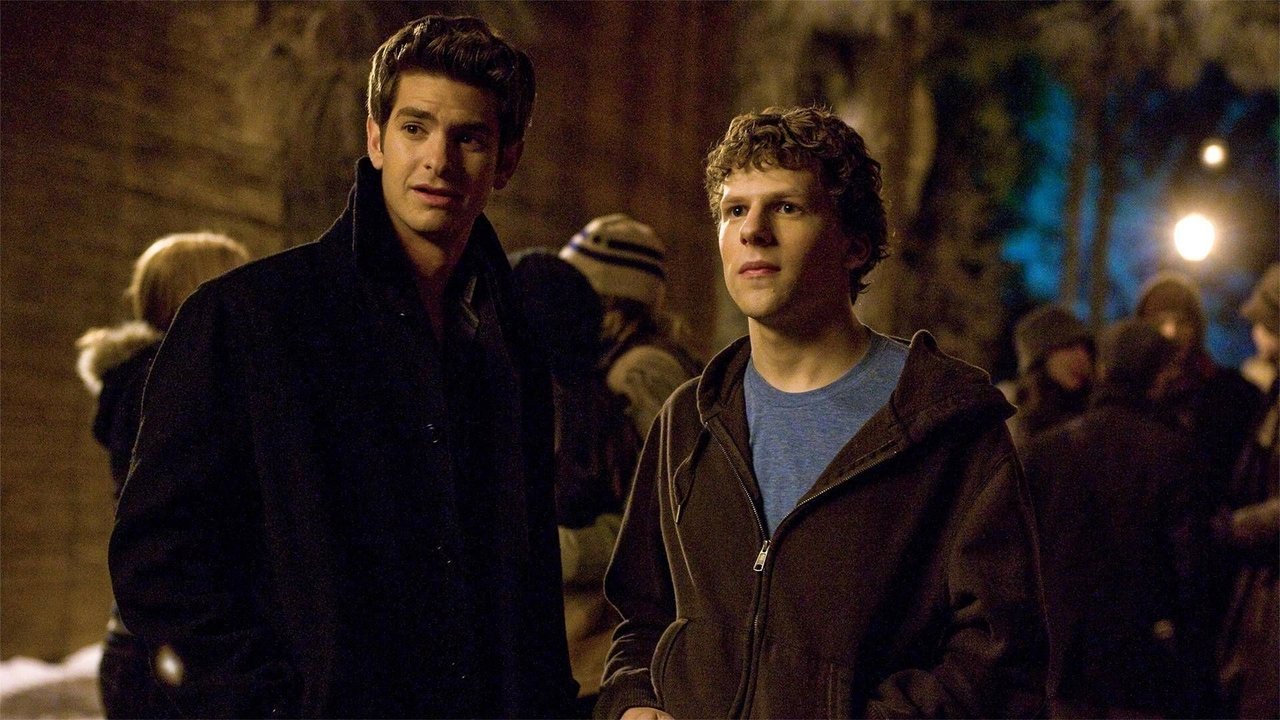
The 19-Page Seduction
The film opens with a sequence that has since become legendary in film schools: a nine-minute, nineteen-page dialogue marathon between Jesse Eisenberg’s Mark Zuckerberg and Rooney Mara’s Erica Albright. It’s a verbal tennis match played at 200 mph. David Fincher (coming off the curious case of The Curious Case of Benjamin Button) and writer Aaron Sorkin established a rhythm here that never lets up. Eisenberg plays Mark as a human processor—brilliant, socially maladapted, and possessing the emotional warmth of a refrigerated laptop battery.
By the time the title card drops, we’ve seen the "inciting incident": a bruised ego leading to a blog post, a bottle of Beck’s, and the creation of "Facemash." It’s the ultimate Y2K-era anxiety realized—the power of the internet to amplify a single person’s petty frustrations into a global phenomenon. Looking back from the mid-2020s, it’s fascinating to see how the film captures that specific window of time when the internet was still "new" enough to be a Wild West, but corporatized enough to make 20-somethings overnight billionaires.
Precision Engineering and Digital Twins
Fincher is a notorious perfectionist—he reportedly demanded 99 takes of that opening bar scene—and that precision is what makes the movie feel so sharp. This was a pivotal moment for digital filmmaking. While the 90s and early 2000s were busy trying to make CGI dragons look real, Fincher was using digital effects for subtle, invisible wizardry. Take the Winklevoss twins. I remember being legitimately confused about whether Armie Hammer had a secret twin brother. In reality, it was Hammer playing both parts, with actor Josh Pence acting as the body double for the second twin. Fincher then digitally grafted Hammer’s face onto Pence’s body. It’s early-2010s tech used to serve the story, not distract from it, and it holds up infinitely better than the rubbery monsters of the same era.

Then there’s the score. Trent Reznor and Atticus Ross (of Nine Inch Nails fame) delivered a soundtrack that sounded like the humming of a giant server room. It was the first electronic score to win an Oscar, and it changed how we think about drama. Instead of swelling strings, we got icy, industrial synths that made a scene of two guys looking at a computer screen feel as tense as a shootout. It’s a masterclass in atmosphere, turning Harvard’s hallowed halls into a dark, gothic playground for ambitious sharks.
The Heartbreak of the CFO
While Eisenberg is the engine, Andrew Garfield is the soul. As Eduardo Saverin, Garfield provides the only genuine emotional stakes in a movie filled with people who treat human connection like a math problem. His chemistry with Eisenberg is what makes the eventual betrayal hurt. When Eduardo finally snaps and smashes that laptop, it’s the most satisfying moment in the film because it’s the only time someone forces Mark to live in the "real world."
Justin Timberlake also puts in career-best work as Sean Parker, the founder of Napster. He plays Parker as a seductive, paranoid rockstar who realizes before anyone else that "a million dollars isn't cool—you know what’s cool? A billion dollars." Timberlake captures that specific "cool-guy-at-the-startup" energy that would eventually define Silicon Valley culture for the next decade. Apparently, the real Sean Parker found his portrayal to be a complete work of fiction, but as a piece of cinema, it’s a brilliant performance that acts as the devil on Mark’s shoulder.
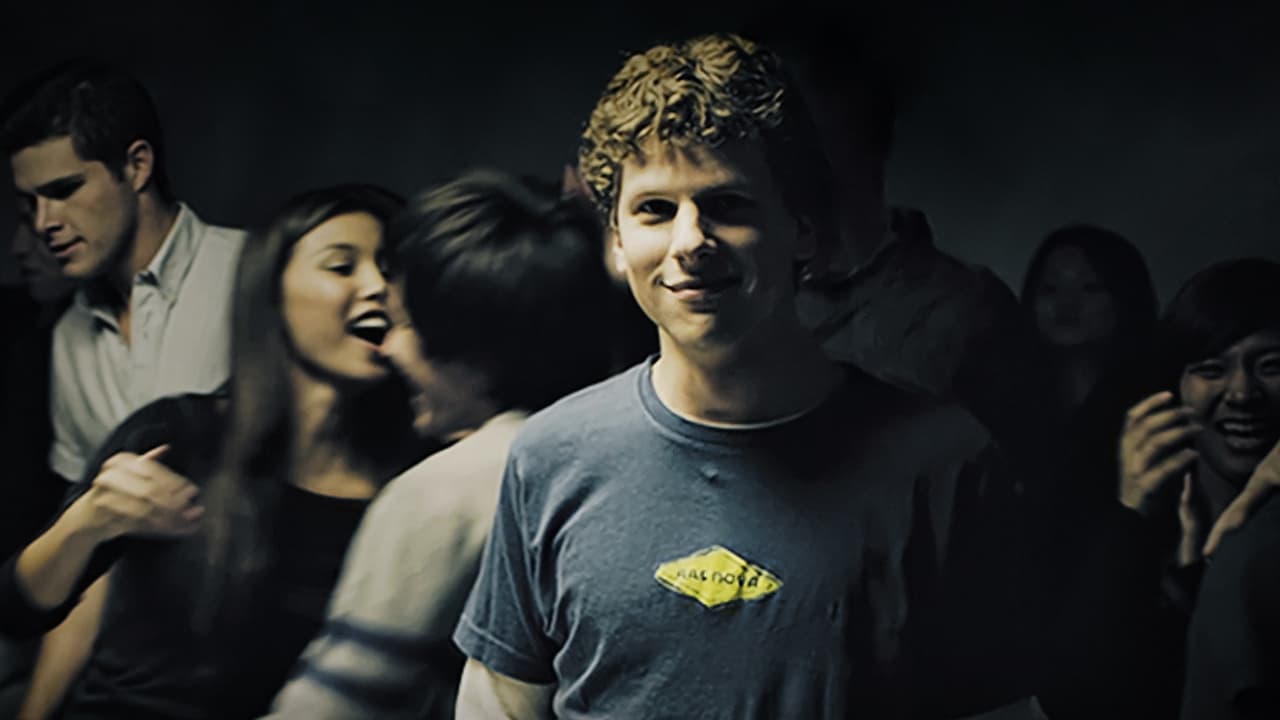
A Modern Myth That Only Grows
The Social Network arrived at the perfect time. It was released just as Facebook hit 500 million users, and before the company became a lightning rod for political controversy. Sorkin’s script, based on Ben Mezrich’s book The Accidental Billionaires, doesn't really care about the accuracy of the code; it cares about the "truth" of the ego. It’s a movie about a guy who builds a world for everyone to talk to each other because he can't talk to anyone himself.
The financial success of the film—turning a $40 million budget into over $224 million—proved that adult-oriented, talky dramas could still be blockbusters if they were executed with this much style. It didn't need a franchise, it didn't need a sequel (though the last ten years of Facebook’s history certainly provide enough material for one), and it didn't need a hero. It just needed a really fast script and a director who knew exactly how to light a rainy night in Cambridge.
Ultimately, The Social Network is the definitive film of the "Web 2.0" era. It’s a snapshot of a moment where the world changed forever, told through the lens of a friendship that dissolved into a series of legal depositions. Even if you haven't checked your Facebook feed in three years, the movie remains an absolute pulse-pounder. It’s a reminder that the most dangerous thing in the world isn't a weapon—it's an idea in the hands of someone who has nothing to lose.
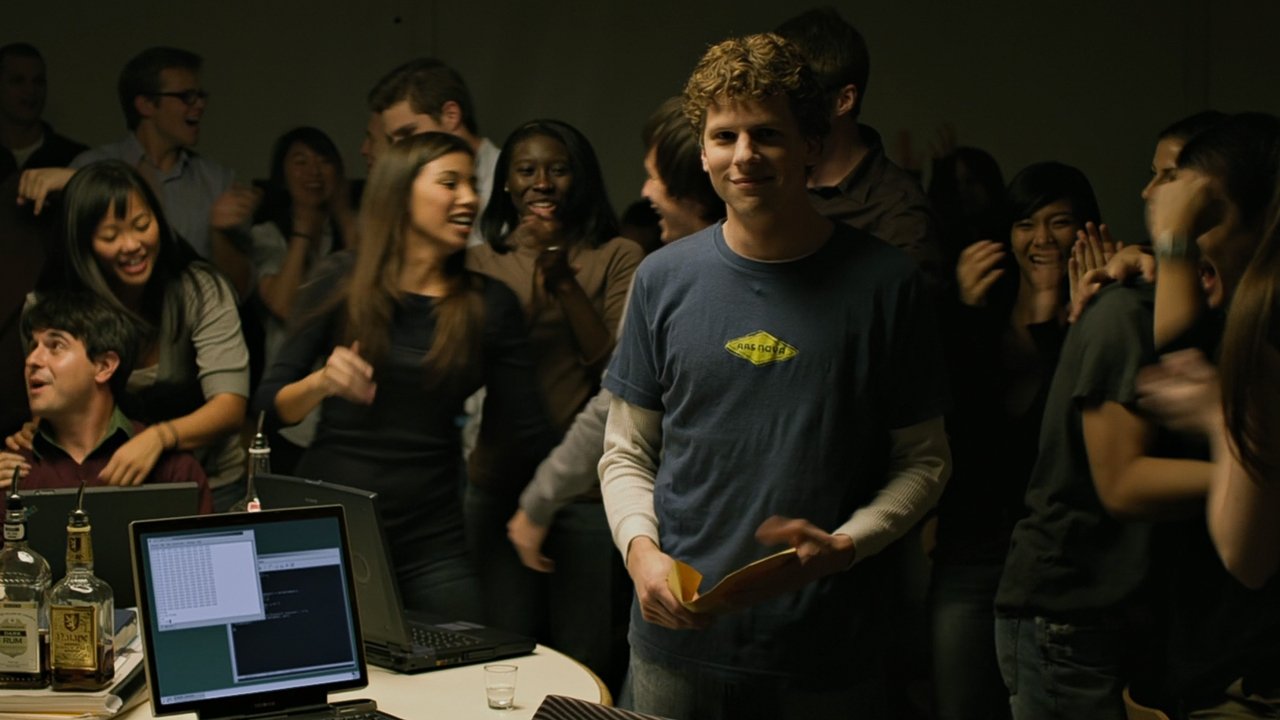
Keep Exploring...
-
Panic Room
2002
-
The Curious Case of Benjamin Button
2008
-

Gone Girl
2014
-

The Game
1997
-
A Few Good Men
1992
-

Adventureland
2009
-

Brokeback Mountain
2005
-
The Exorcism of Emily Rose
2005
-
Walk the Line
2005
-
Apocalypto
2006
-
Babel
2006
-

Eight Below
2006
-

Inside Man
2006
-

Little Miss Sunshine
2006
-
Rocky Balboa
2006
-
Step Up
2006
-
The Devil Wears Prada
2006
-
Disturbia
2007
-

Juno
2007
-
The Bucket List
2007