The Sorcerer's Apprentice
"Ancient spells meet modern-day Manhattan."

I watched this while eating a bag of slightly stale pretzels that I found in the back of my pantry—the kind that makes you thirsty for a gallon of water, which somehow felt appropriate for a movie about a guy obsessed with liquid plasma. There is a specific flavor to the big-budget Disney adventures of the late 2000s, a sort of high-gloss, Jerry Bruckheimer-produced sincerity that we don't really see anymore. The Sorcerer’s Apprentice is the quintessential "Saturday afternoon on cable" movie; it’s a film that arrived right at the tail end of an era where you could still throw $150 million at a standalone sorcery flick without needing a post-credits scene involving a purple titan from space.

Looking back, 2010 was a weirdly pivotal year for the blockbuster. The MCU was still finding its legs with Iron Man 2, and we were caught in this transitional phase between the "star-driven" action movie and the "IP-driven" juggernaut. This film reunites the National Treasure "dream team"—director Jon Turteltaub, producer Jerry Bruckheimer, and the patron saint of beautiful eccentricity, Nicolas Cage. It’s essentially an attempt to bottle that same lightning, replacing historical conspiracies with Arthurian lore and Tesla coils. While it didn't ignite a massive franchise, it remains a charmingly weird artifact of a time when Hollywood thought Jay Baruchel was the next big leading man for the action-comedy circuit.
The Cage Factor and the Science of Magic
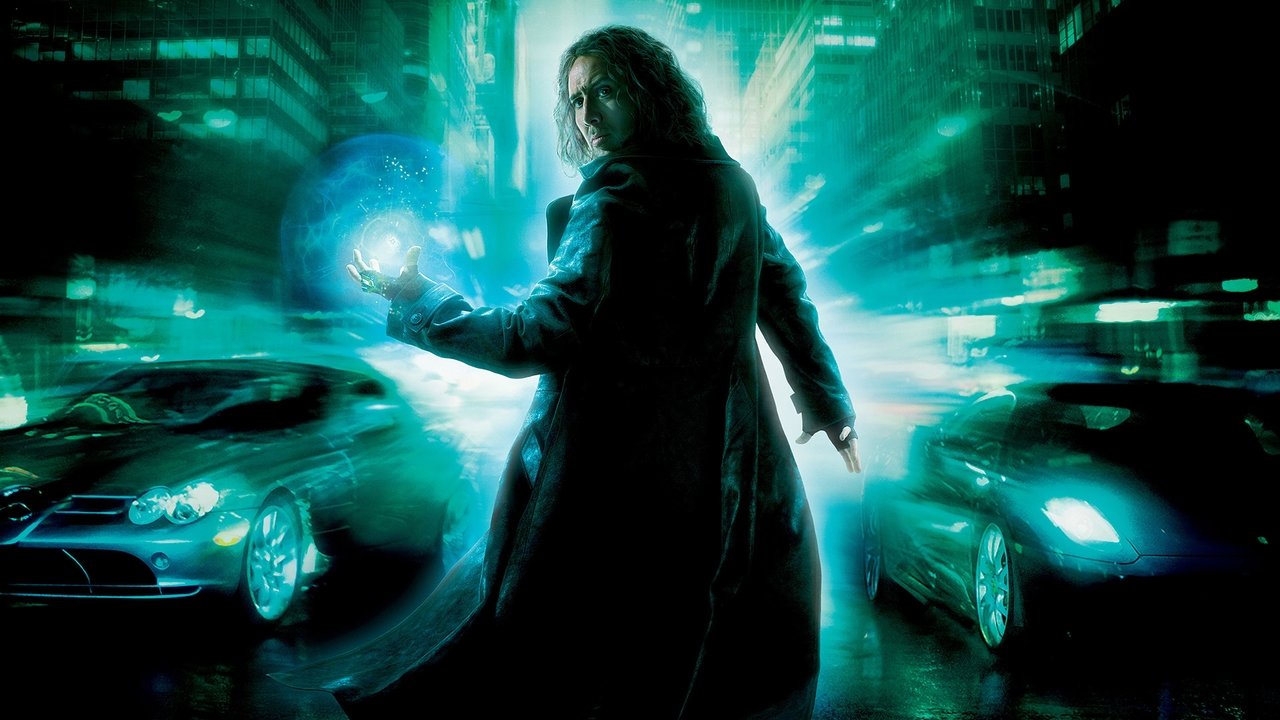
The plot is your standard "Hero’s Journey" starter pack. Nicolas Cage plays Balthazar Blake, an immortal sorcerer who has spent centuries looking for the "Prime Merlinian"—the one person who can inherit Merlin’s powers and defeat the wicked Morgana. He finds his man in Dave Stutler (Jay Baruchel), a dorky physics student who is more interested in coil resonance than dragon rings. Nicolas Cage is, as expected, the best thing here. He’s rocking a long leather duster, a hairstyle that can only be described as "wizard-chic," and that signature whisper-to-a-scream delivery. Nicolas Cage looks like he’s perpetually trying to remember where he parked his dragon, and I mean that as a high compliment. He brings a gravitas to the role that prevents the movie from drifting into pure camp.
What I’ve always appreciated about this film—and what felt quite fresh in 2010—was the way it attempted to bridge the gap between magic and science. Dave isn't just a wizard; he’s a physicist. The film treats magic as a form of molecular manipulation, which gives the action sequences a distinct visual language. When Balthazar and his rival, Maxim Horvath (Alfred Molina, essentially doing a dry run for his return as Doc Ock), start throwing plasma bolts, it feels grounded in a way that modern "sparkly" CGI often fails to achieve. There’s a weight to the effects here. Apparently, Nicolas Cage actually insisted on using his own 1935 Rolls-Royce Phantom II for the film’s big car chase, which adds a touch of practical, vintage class to a sequence that involves the vehicle morphing through mirror dimensions.
A Love Letter to a Pre-Algorithm Manhattan
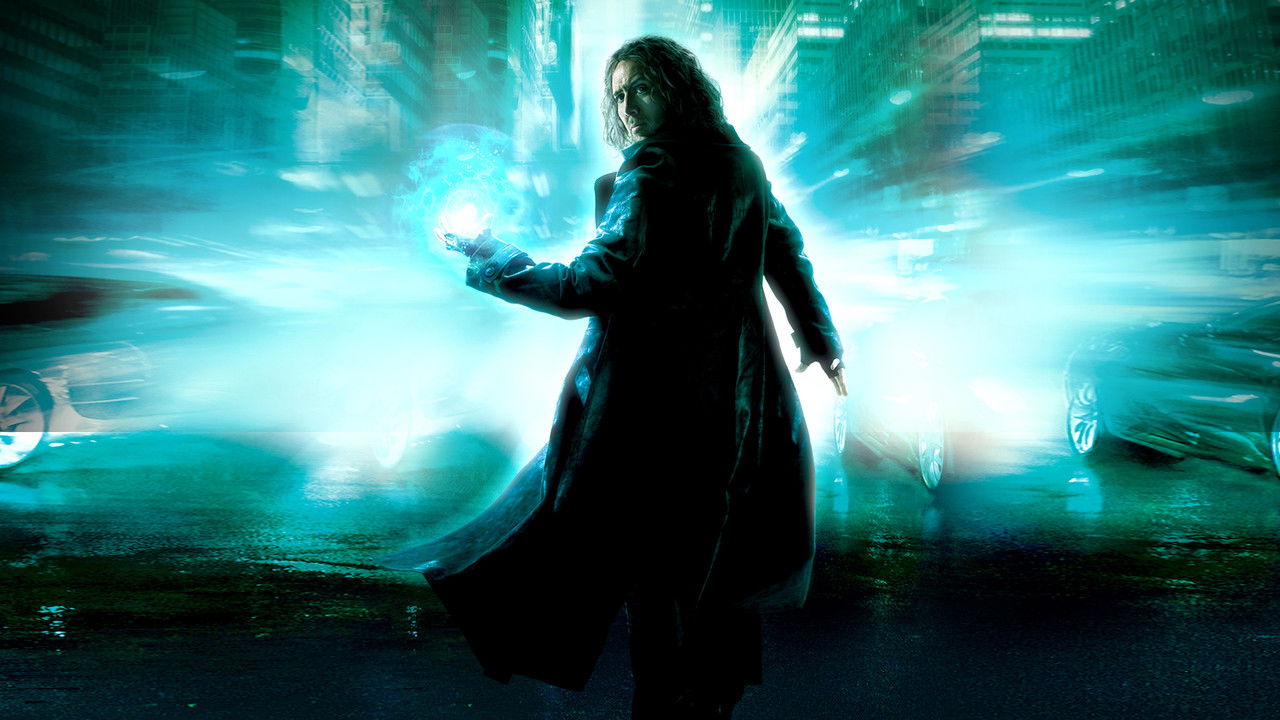
Watching this now, it’s impossible not to feel a twinge of "pre-algorithm" nostalgia for the way Jon Turteltaub shoots New York City. The film makes great use of iconic locations like Washington Square Park and the Chrysler Building, treating the city like a giant playground. This was the era of the "Manhattan as a character" trope, a trend that flourished post-9/11 as filmmakers reclaimed the city’s skyline for wonder rather than destruction. The cinematography by Bojan Bazelli (The Ring) gives everything a cool, electric-blue tint that matches the lightning-bolt aesthetic of the sorcery.
One of the most memorable sequences is, of course, the homage to the original Sorcerer's Apprentice from Fantasia. Dave tries to use magic to clean his lab, leading to the classic "mops and brooms" chaos set to a modernized version of Paul Dukas’s score. It’s a brave move to try and recreate a Disney masterpiece, and while it doesn't have the abstract beauty of the animation, it’s a fun piece of physical comedy from Jay Baruchel. However, the film occasionally struggles with its villains. While Alfred Molina is always a delight, the secondary antagonist Drake Stone (Toby Kebbell) is the most expensive Criss Angel parody ever filmed. It’s a very "2010" reference that hasn't aged particularly well, but it provides a few laughs at the expense of "street magicians."
Why It Lingers in the Cult Consciousness
Despite being a bit of a financial disappointment upon release, The Sorcerer's Apprentice has found a cozy home in the hearts of those who miss this specific breed of adventure. It’s a movie that doesn't demand much but gives quite a bit in return: a solid score by Trevor Rabin, some genuinely cool CGI creatures (the steel dragon is a highlight), and a sweet-if-underdeveloped romance between Dave and Becky (Teresa Palmer). It captures that "Disney Channel Original Movie with a massive budget" vibe that feels inherently comforting.
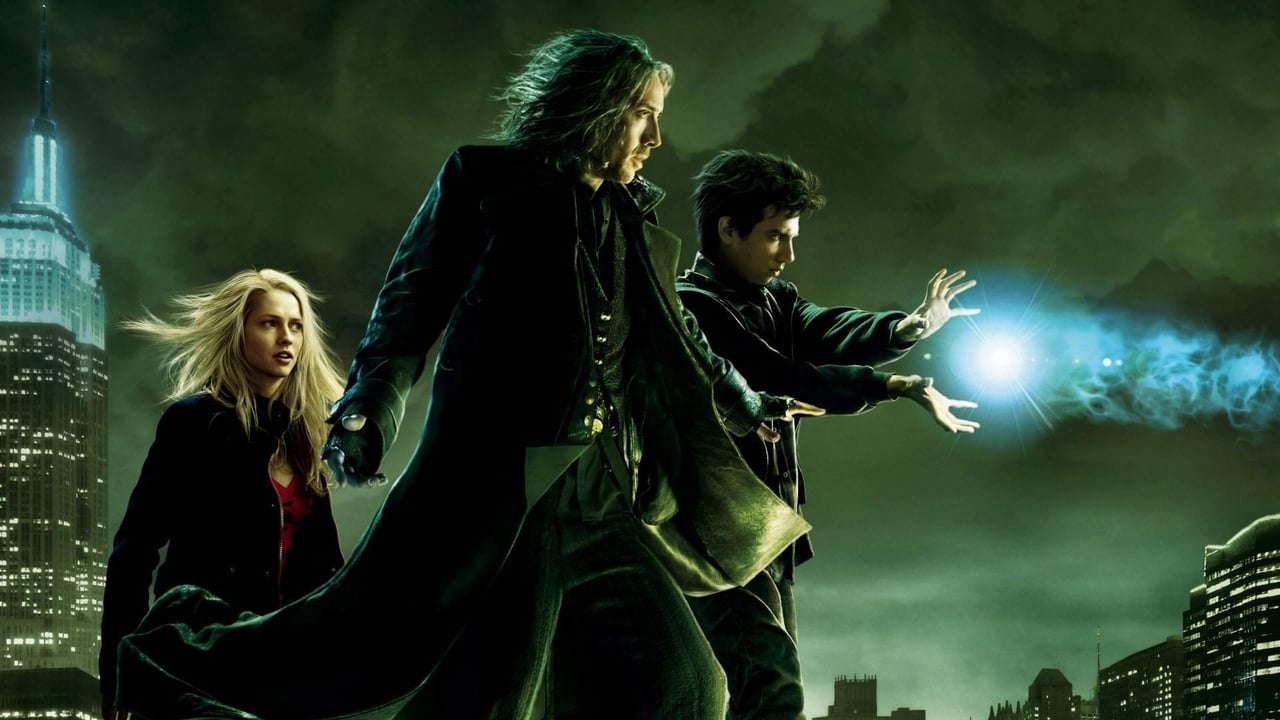
The film serves as a reminder of a time when we weren't exhausted by "shared universes." It’s a self-contained story about a kid, a wizard, and a lot of electricity. It’s the kind of movie that makes you want to go out and buy a plasma ball from a science museum gift shop. It might not be "prestige" cinema, but in an age of formulaic superhero sequels, there's something refreshing about its earnest desire to just show you some cool magic tricks for two hours.
The film is a relic of the Bruckheimer era that prioritizes charm and spectacle over complex world-building. It benefits immensely from the chemistry between the eccentric Nicolas Cage and the relatable Jay Baruchel, even if the script hits every predictable beat in the book. It’s a loud, flashy, and ultimately warm-hearted fantasy that serves as a perfect time capsule for the state of the Hollywood blockbuster at the turn of the decade. If you're looking for a fun trip back to a slightly simpler cinematic time, this apprentice is more than capable of handling the job.

Keep Exploring...
-
Prince of Persia: The Sands of Time
2010
-
National Treasure: Book of Secrets
2007
-
Season of the Witch
2011
-

National Treasure
2004
-

Wrath of the Titans
2012
-
The Brothers Grimm
2005
-

10,000 BC
2008
-
The Mummy: Tomb of the Dragon Emperor
2008
-
Night at the Museum: Battle of the Smithsonian
2009
-
Race to Witch Mountain
2009
-
Thor
2011
-
Brave
2012
-
Jack the Giant Slayer
2013
-
Ghost Rider
2007
-
Pirates of the Caribbean: On Stranger Tides
2011
-
Last Action Hero
1993
-
DragonHeart
1996
-
Mighty Joe Young
1998
-
Lara Croft: Tomb Raider
2001
-
The Scorpion King
2002