The Spy Next Door
"High-tech gadgets, low-stakes chaos, and one legendary babysitter."
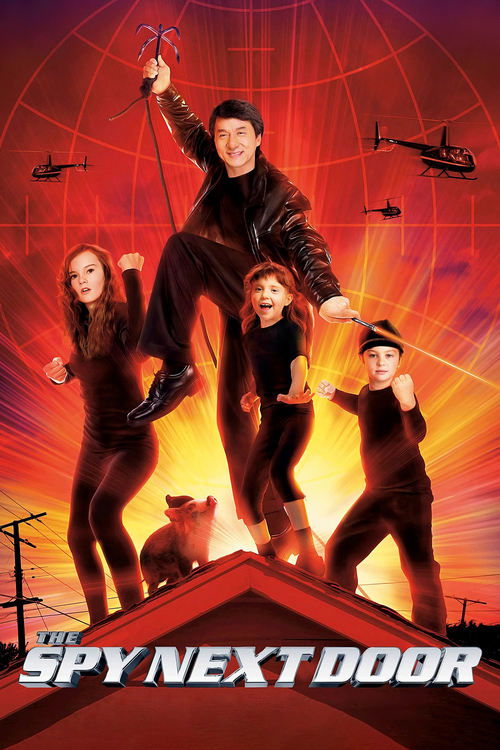
There was a brief, baffling window in the late 2000s when Hollywood decided the ultimate rite of passage for an aging action star was being humiliated by a toddler with a juice box. Vin Diesel did it in The Pacifier, Dwayne Johnson did it in The Game Plan, and in 2010, it was finally Jackie Chan’s turn to trade his lethal limbs for a diaper bag. Reassessing The Spy Next Door today feels like unearthing a time capsule from the final days of the mid-budget studio comedy—a film that is simultaneously a tribute to a legend and a reminder of how weirdly domestic global cinema became for a minute there.
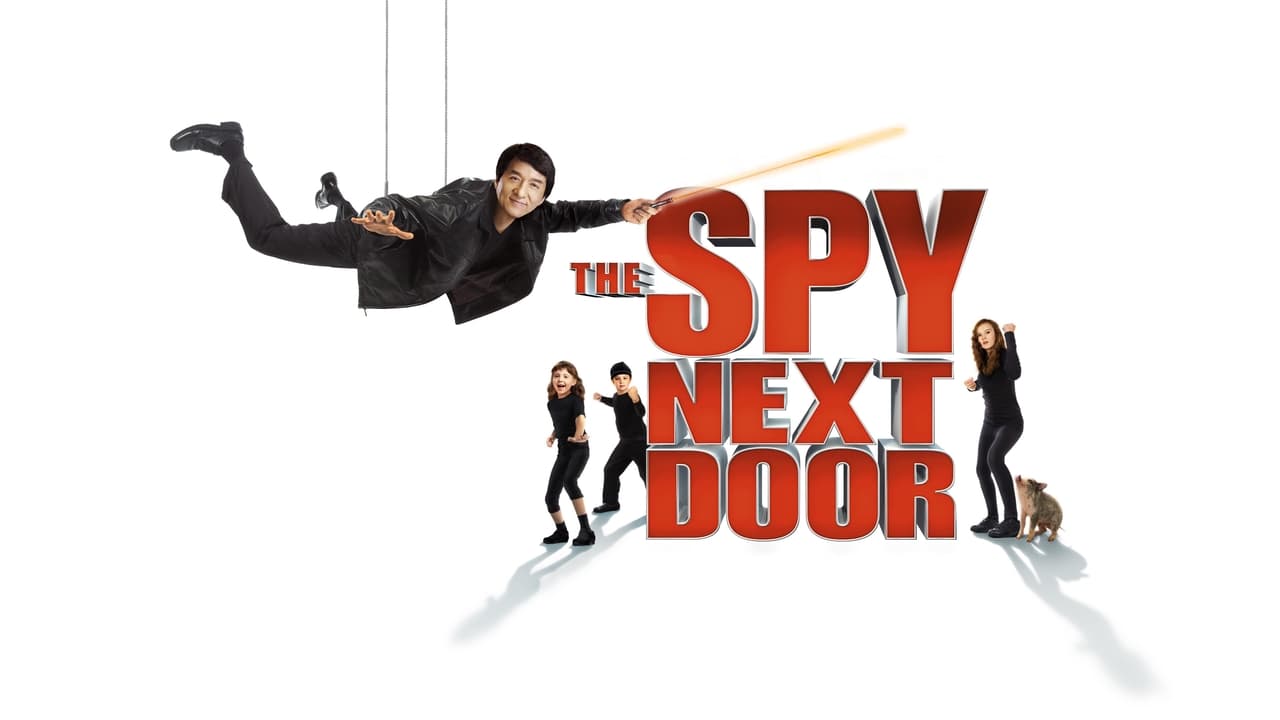
I recently rewatched this while my neighbor was leaf-blowing his driveway for three consecutive hours, and honestly, the rhythmic drone of the blower paired surprisingly well with the film’s frantic, cartoonish energy. It’s the kind of movie that doesn't ask for your full brain—just the part that still finds a man slipping on a banana peel fundamentally hilarious.
The Legend vs. The Laundromat
The plot is a classic "fish out of water" setup: Bob Ho (Jackie Chan) is a CIA superspy who wants to retire and marry his girlfriend, Gillian (Amber Valletta). The only obstacle? Her three kids, who view Bob as a boring pen-salesman and a general interloper. When Gillian has to leave town, Bob steps in to babysit, only for the kids to accidentally download a top-secret Russian virus. Suddenly, Bob isn't just fighting to get the kids to school on time; he's fighting actual terrorists in the suburbs.
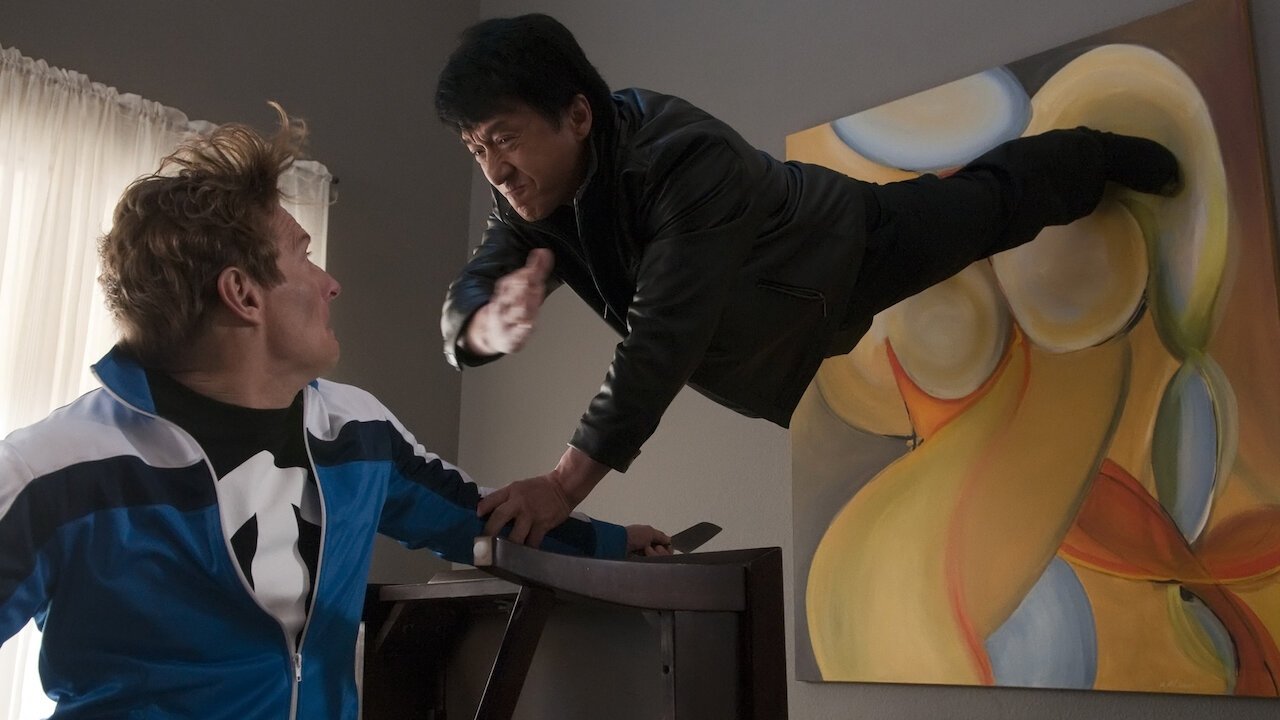
Director Brian Levant, who previously gave us high-octane family kitsch like Jingle All the Way and The Flintstones, treats the suburban setting like a giant playground for Chan. While the film is clearly aimed at the under-12 demographic, there is a lingering thrill in seeing Jackie Chan navigate a kitchen. He turns refrigerators, pots, and even a common breakfast table into defensive weaponry. Watching a legendary martial artist fight off a trained assassin with a toaster is still more inventive than most $200 million CGI slogs we see today.
Practical Grit in a Digital Transition
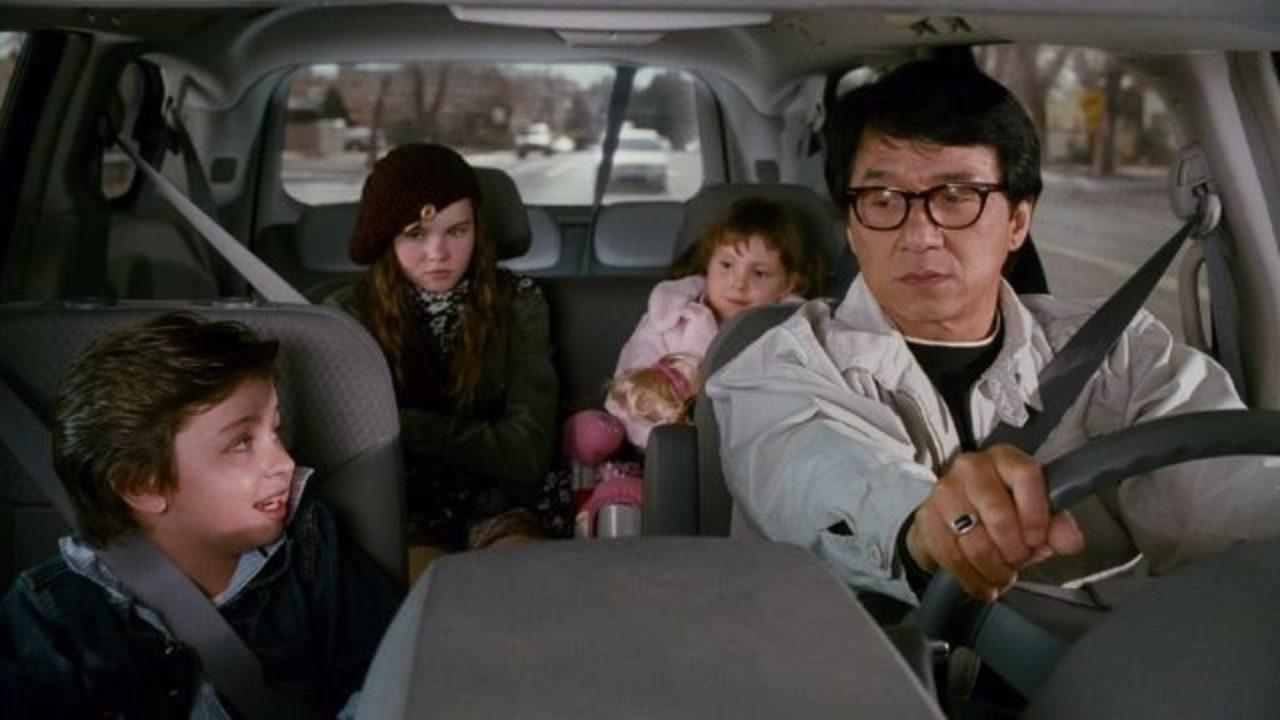
Released in 2010, The Spy Next Door sits right on the edge of the industry’s shift from practical stunt work to heavy digital reliance. You can see the friction on screen. Jackie Chan, then in his mid-50s, still performs his own choreography with that signature rhythm, but the film is heavily padded with wire-work and some truly atrocious green-screen effects that look like they were rendered on a 2004 Dell Inspiron.
There’s a sequence involving a Russian airplane that is so aggressively digital it almost feels like an avant-garde choice. However, looking back, this was the standard for non-blockbuster "family action." The budget went to the star and the location, leaving the visual effects team to do their best with whatever was left in the petty cash drawer. Yet, there’s a charm to it. It’s a "DVD culture" movie—designed to be played on repeat in the back of a minivan until the disc is too scratched to function.
The supporting cast is a bizarre "who's who" of the era. You have George Lopez as the CIA handler and, in a stroke of casting genius (or madness), Magnús Scheving as the villainous Poldark. If the name doesn’t ring a bell, Scheving was the hyper-athletic Sportacus from the cult kids' show LazyTown. Seeing Sportacus trade his blue spandex for a leather trench coat and a Russian accent is the kind of surreal cinematic crossover I didn’t know I needed.
Stuff You Might Have Missed

If you pay close attention to the opening credits, the film actually does something quite sweet: it features a montage of real clips from Jackie Chan’s earlier, more serious spy movies like Police Story and The Armour of God. It’s a meta-nod to his actual legacy, framing Bob Ho’s backstory with the very real, very dangerous stunts Chan performed in the 80s and 90s. It’s a bit of an "Easter egg" for the parents in the room who might have preferred to be watching Drunken Master II.
The production was also famously plagued by the reality of Chan’s age. While he was still doing the heavy lifting, the editing by Lawrence Jordan and Don Zimmerman had to be much tighter and "choppier" than his Hong Kong classics to hide the use of doubles for the more taxing acrobatic feats. This was the era where Hollywood started learning how to "protect" its aging stars through the lens, a technique that would soon become standard for the Taken clones that followed.
The Spy Next Door isn't going to win any awards for narrative depth, and it’s certainly not the peak of Jackie Chan’s filmography. It’s a goofy, lightweight artifact from a time when a movie could just be "fine" and still find a massive audience on cable television. It’s cheesy, the kids are occasionally grating, and the villains are caricatures, but Chan’s inherent warmth and physical wit keep it from being a total wash. It’s a harmless piece of suburban slapstick that serves as a gentle retirement party for one of cinema's greatest physical performers.
If you have kids, they’ll love the slapstick. If you’re a Chan completist, you’ll appreciate the effort. If you’re just bored on a Sunday afternoon, you could certainly do worse than watching a man fight a Russian spy with a pair of step-ladders.

Keep Exploring...
-
Are We There Yet?
2005
-
Teenage Mutant Ninja Turtles II: The Secret of the Ooze
1991
-

Beethoven
1992
-
Jingle All the Way
1996
-
Osmosis Jones
2001
-
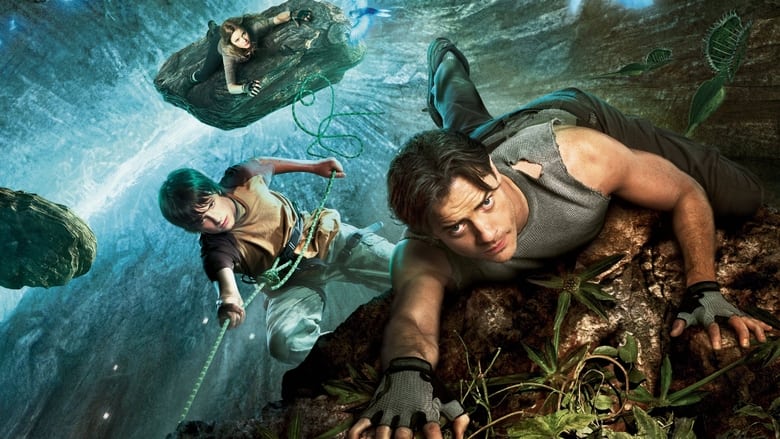
Journey to the Center of the Earth
2008
-
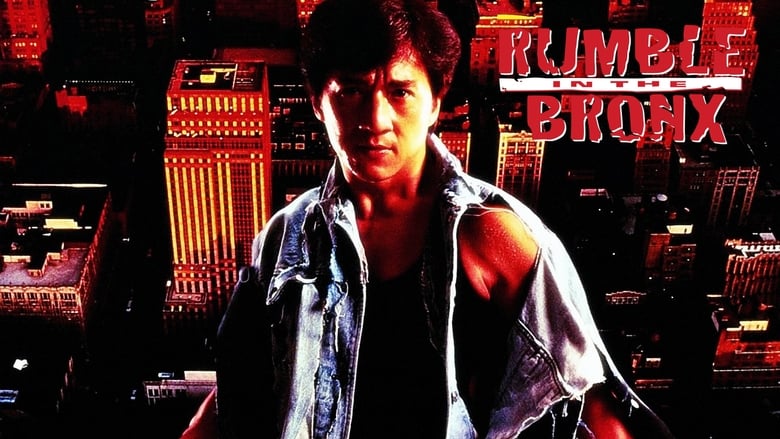
Rumble in the Bronx
1995
-
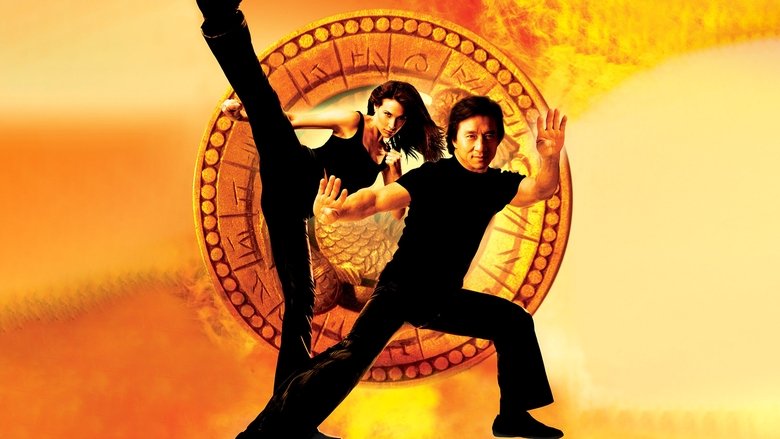
The Medallion
2003
-

Night at the Museum
2006
-

Speed Racer
2008
-
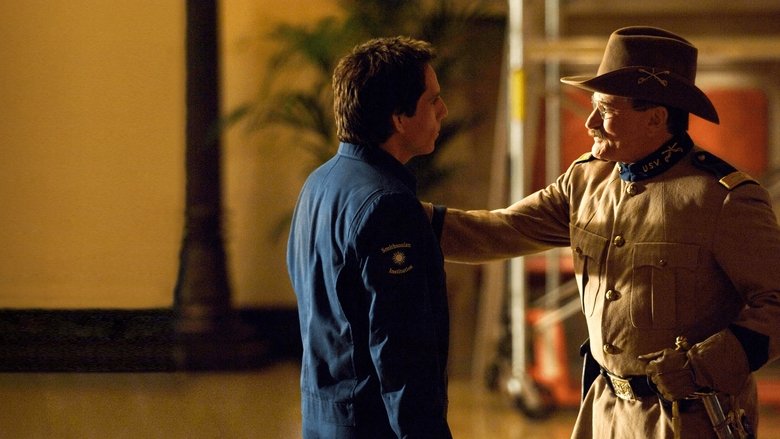
Night at the Museum: Battle of the Smithsonian
2009
-

Puss in Boots
2011
-

Ice Princess
2005
-

Aquamarine
2006
-
Shoot 'Em Up
2007
-
TMNT
2007
-

Nim's Island
2008
-
Aliens in the Attic
2009
-
Cop Out
2010
-
30 Minutes or Less
2011