The Switch
"A biology mix-up with a heart of gold."

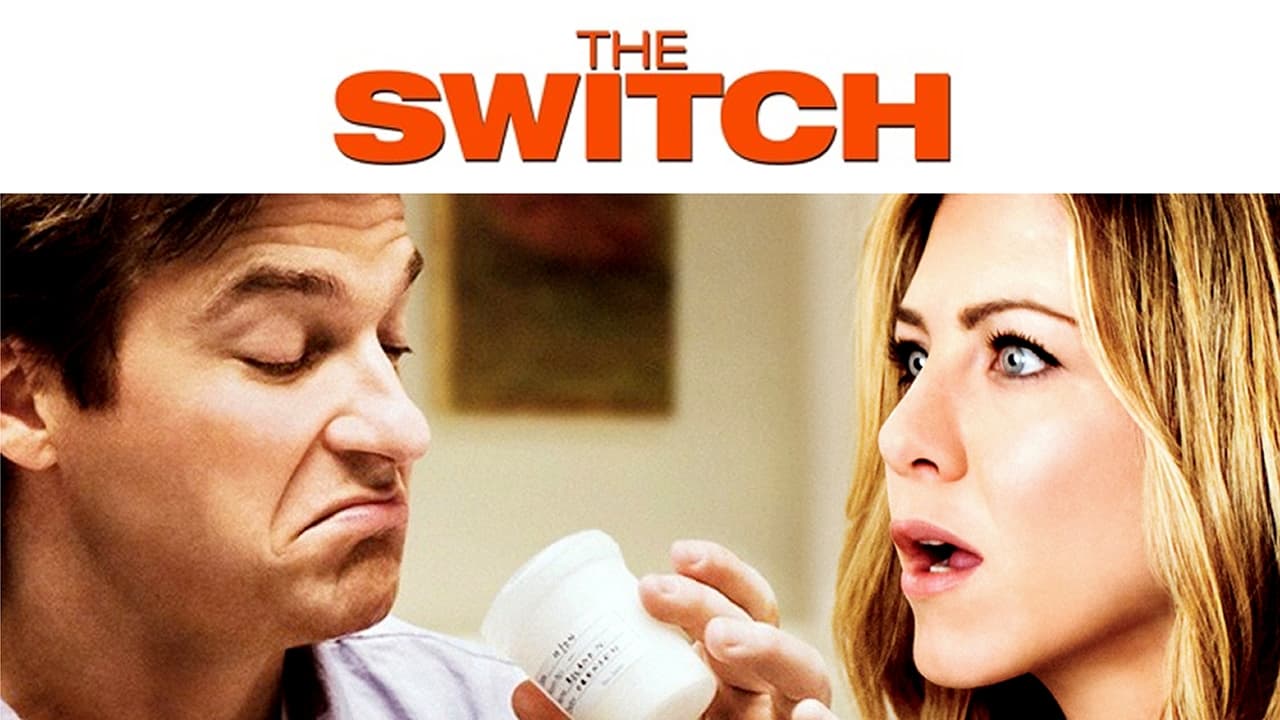
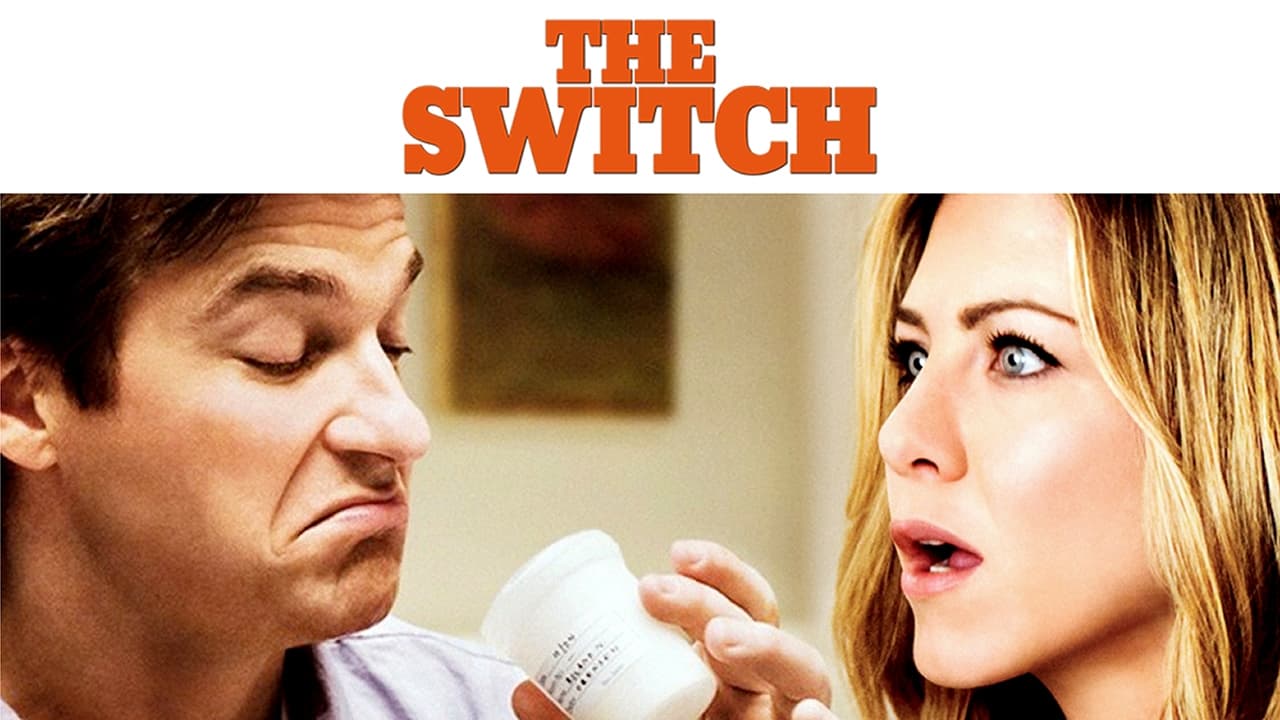
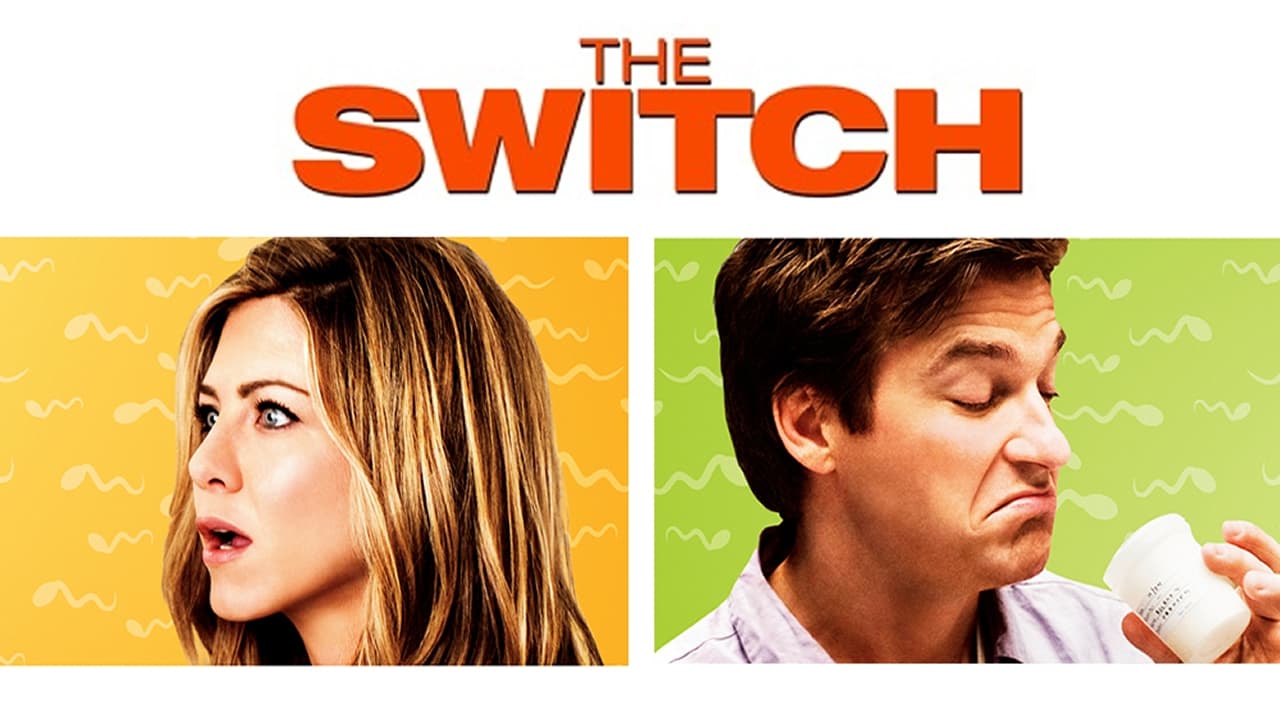
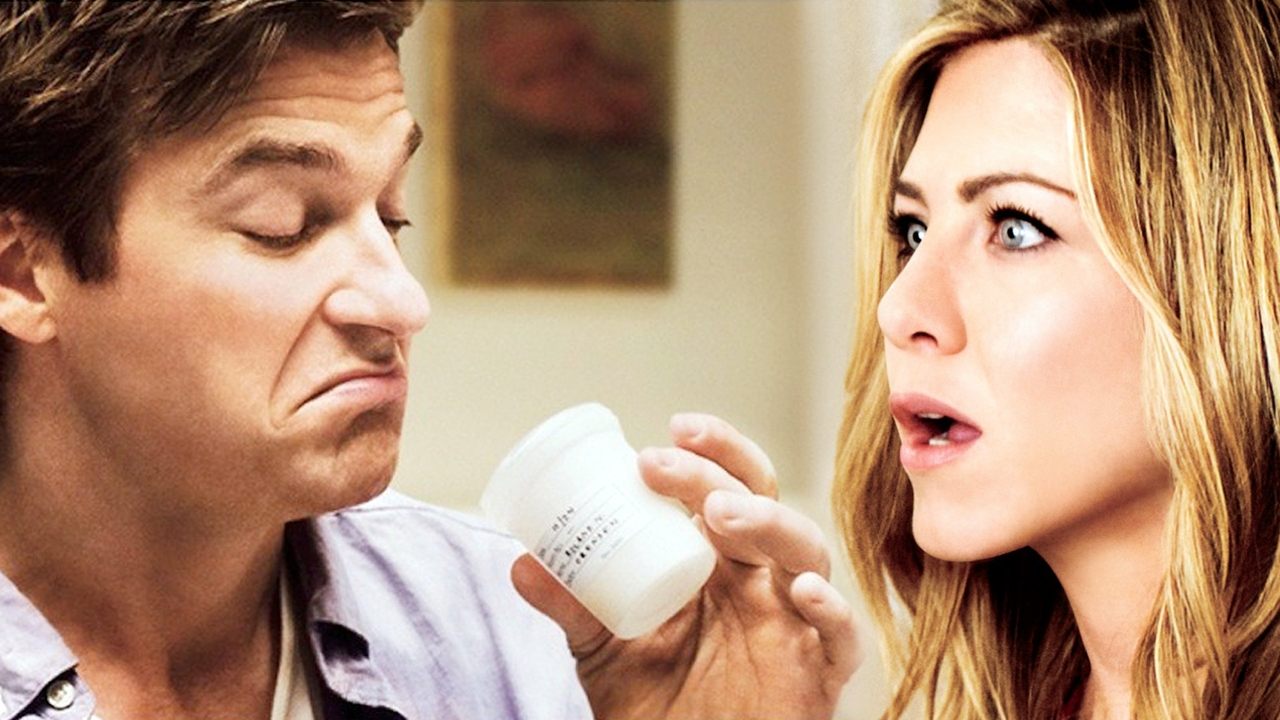
If you pitched the premise of The Switch to a studio executive today, you’d probably be escorted out of the building by HR. A neurotic man gets blackout drunk at his best friend’s "insemination party," accidentally flushes a "premium" sperm donor's sample down the sink, and—in a moment of panic and sheer biological hubris—replaces it with his own. It sounds like the setup for a gross-out Farrelly Brothers flick, but the strangest thing about this 2010 curiosity is that it actually wants to be a quiet, melancholy indie drama about the terrors of fatherhood.
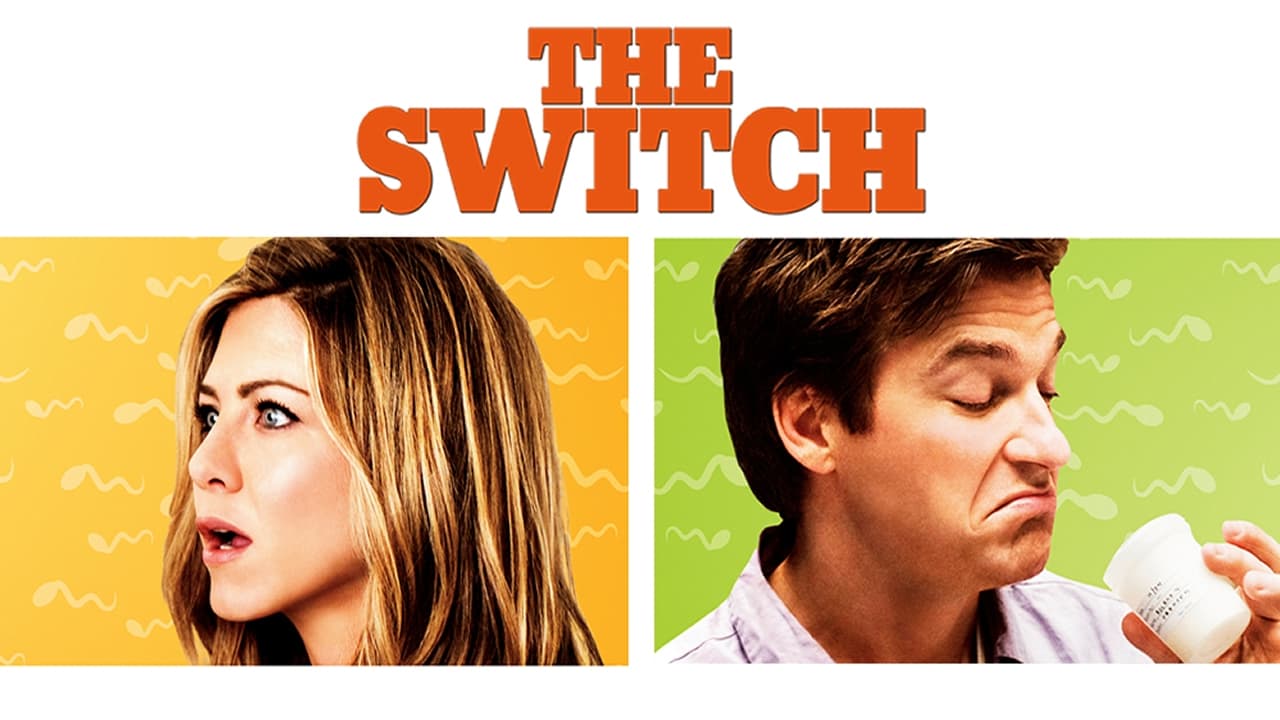
I recently rewatched this on a secondhand DVD I found at a thrift store, and the disc still had a "3-Day Rental" sticker from a defunct local video store peeling off the corner. That plastic-scented relic felt like the perfect way to revisit a film that exists in that weird 2000-to-2014 transition period: it’s got the glossy stars of a blockbuster rom-com, but it’s filming on the cold, grey streets of New York with the kind of dry, cynical wit we usually associate with the Sundance crowd.
The Neurotic and the Nuance
The movie’s secret weapon isn’t the high-concept "baster" plot—it’s Jason Bateman. Fresh off the peak of Arrested Development but before he became a full-blown prestige director with Ozark, Bateman was the king of the "likable misanthrope." As Wally, he plays a man so riddled with anxieties that he probably has a panic attack choosing a brand of cereal. When he realizes, seven years after the fact, that Kassie (Jennifer Aniston) has raised a son who is essentially a carbon copy of his own neuroses, Bateman’s performance shifts from "funny-stiff" to "genuinely-heartbreaking."
Jennifer Aniston is, as always, the most over-qualified straight woman in Hollywood. She brings a grounded, maternal warmth to Kassie that stops the movie from floating away into sitcom land. But the real revelation here is Thomas Robinson as the kid, Sebastian. Most child actors in the 2010s were directed to be "precocious" or "sassy," but Sebastian is just a weird, lonely little guy who collects picture frames and worries about health conditions. Watching him and Bateman trade deadpan observations is the cinematic equivalent of watching two mirrors reflect each other's social awkwardness.
A Cast of High-End Eccentrics
One of the joys of these mid-budget "Modern Era" dramas is the supporting cast. We were still in a period where you could throw Jeff Goldblum and Juliette Lewis into a movie just to spice up the background. Goldblum, playing Wally’s boss Leonard, is essentially playing himself—leaning against doorframes and delivering lines with a rhythmic hesitation that suggests he’s inventing the English language on the fly. He provides the perspective that Wally lacks, serving as a hilarious, slightly detached Greek chorus.
Then there’s Patrick Wilson as Roland, the "ideal" donor. In any other movie, he’d be a villainous jerk. Here, he’s just a nice, handsome, slightly boring guy. It’s a testament to the screenplay by Allan Loeb (based on a short story by The Virgin Suicides author Jeffrey Eugenides) that nobody is truly a caricature. Even the "switch" itself is treated less like a crime and more like a catastrophic lapse in judgment born from a decade of repressed unrequited love. It's the most hygienic movie about a bathroom-floor semen swap ever made, opting for soft lighting and Alex Wurman’s twinkly score over the raunchiness the premise suggests.
The Last of the Mid-Budget Mohicans
Looking back, The Switch feels like a postcard from a lost civilization. This was the tail end of the era when studios would drop $19 million on a character-driven story that didn't involve a cape or a cliffhanger. It’s a film that benefited immensely from the DVD culture of the time—the kind of movie you didn’t necessarily rush to see on opening night, but one you’d "discover" on a rainy Tuesday and realize you actually liked quite a bit.
There’s a certain "Post-9/11 New York" vibe to the cinematography by Jess Hall. It’s not the bright, postcard New York of Sex and the City; it’s a bit more lived-in, a bit more anxious. It captures that millennium transition where technology (the internet, cell phones) was starting to make us more connected but also more acutely aware of how alone we were. Wally’s isolation feels very much of its time, a precursor to the "social media loneliness" that would dominate the next decade of storytelling.
It’s not a perfect film—the third-act misunderstanding feels a bit forced, and the pacing occasionally drags in the middle—but it has a sincerity that I find increasingly rare. It dares to ask if a family can be built on a lie if the love involved is the most honest thing in the room.
Ultimately, The Switch is better than its marketing made it look. It’s not a wacky "oopsie" comedy; it’s a quiet look at a man finding his way into a life he thought he didn't deserve. If you can get past the "ick factor" of the central premise, you’ll find a surprisingly tender story about the weird, messy ways we find our people. It's the kind of movie that earns its happy ending not through a big romantic gesture, but through a shared pair of vitamin-fortified earplugs.
Keep Exploring...
-
Morning Glory
2010
-
Rock of Ages
2012
-
A Lot Like Love
2005
-
Broken Flowers
2005
-
Casanova
2005
-
The Family Stone
2005
-
The Sisterhood of the Traveling Pants
2005
-

A Good Year
2006
-
Just My Luck
2006
-
Dan in Real Life
2007
-
Lars and the Real Girl
2007
-
The Nanny Diaries
2007
-
Ghost Town
2008
-
Nick and Norah's Infinite Playlist
2008
-
Wild Child
2008
-
Youth in Revolt
2009
-
I Love You Phillip Morris
2010
-
You Will Meet a Tall Dark Stranger
2010
-
Larry Crowne
2011
-
Something Borrowed
2011