The Town
"Your past is a debt you can't outrun."
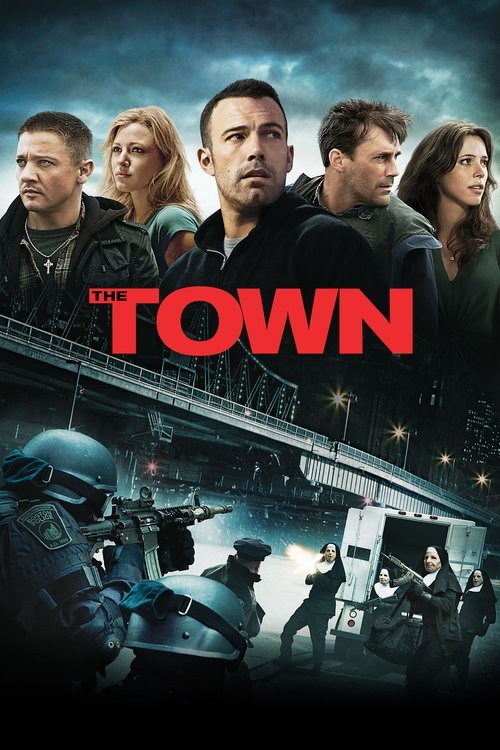
There is a specific kind of silence that settles over a room during the first heist in The Town. It’s not the quiet of a vacuum, but the pressurized hush of a pressurized cooker. When those masks go on—not the sleek, high-tech visors of a sci-fi thriller, but the grotesque, wrinkly faces of rubber nuns—you realize you aren’t watching a standard Hollywood stick-up. You’re watching a local tragedy disguised as a genre exercise. I remember watching this for the first time on a cracked laptop screen while sitting in a laundromat, and even through the hum of twenty industrial dryers, the tension in the opening frames made the hair on my arms stand up.
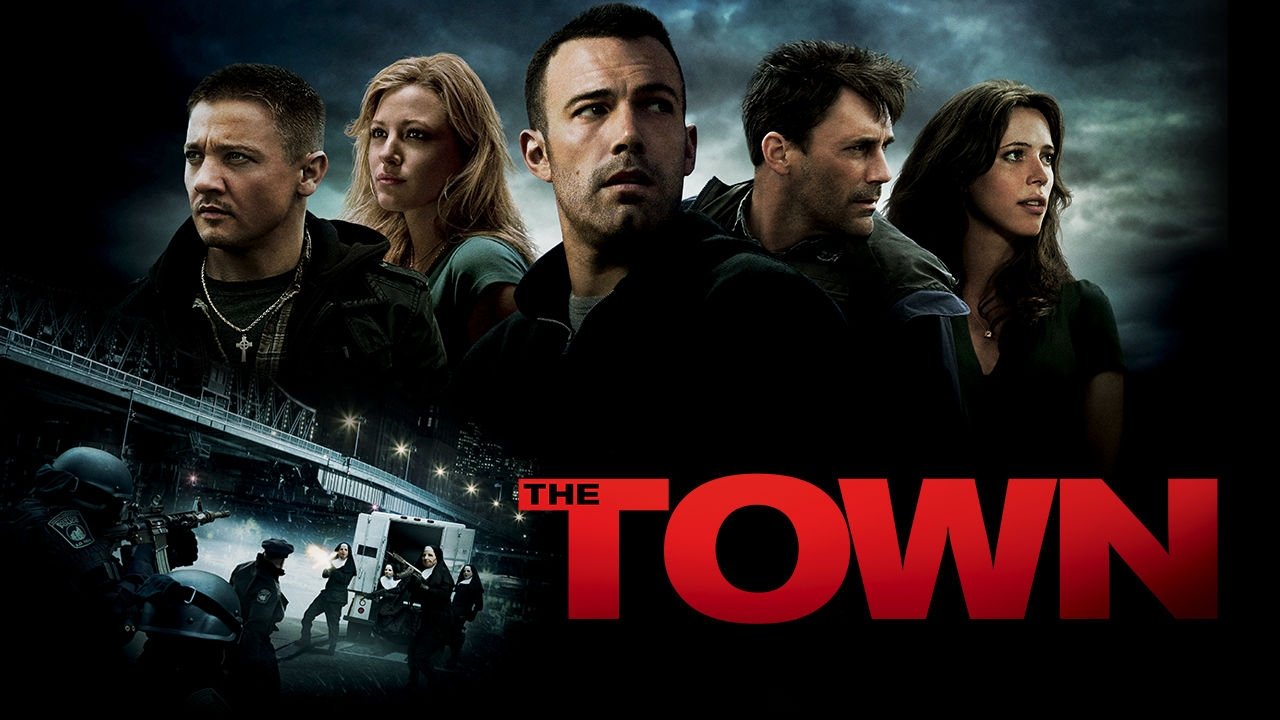
By 2010, the "gritty crime drama" was starting to feel like a tired trope, a leftover from the post-9/11 anxiety that fueled the mid-2000s. We had already seen The Departed win big at the Oscars, and the industry was pivoting hard toward the burgeoning MCU formula. But Ben Affleck, fresh off the quiet brilliance of Gone Baby Gone (2007), decided to plant his flag firmly in the soil of his own backyard: Charlestown, Boston.
The Weight of the Zip Code
The film follows Doug MacRay (Ben Affleck), a man who is clearly too smart for the life he was born into but too loyal to the people who raised him to actually leave. It’s a classic "one last job" setup, but it’s anchored by a crushing sense of place. Affleck (who also co-wrote the screenplay with Peter Craig) understands that in a place like Charlestown, your neighbors aren't just the people next door; they are your accomplices, your alibis, and eventually, your jailers.
The cinematography by Robert Elswit (There Will Be Blood) treats the cramped streets and brick facades with a tactile, 35mm grit. This was a transitional era where digital was becoming the norm, but The Town clings to the grain of film stock, giving the heist sequences a physical weight. When the crew’s van scrapes against a tight corner in North End, you don't just hear the metal screech—you feel the claustrophobia of a city that was never designed for high-speed getaways. The nun masks are the only religious icons in this movie that actually get things done, and they serve as a haunting visual shorthand for the film’s central theme: the perversion of tradition and faith into a cycle of violence.
A Wild Card in a Tracksuit
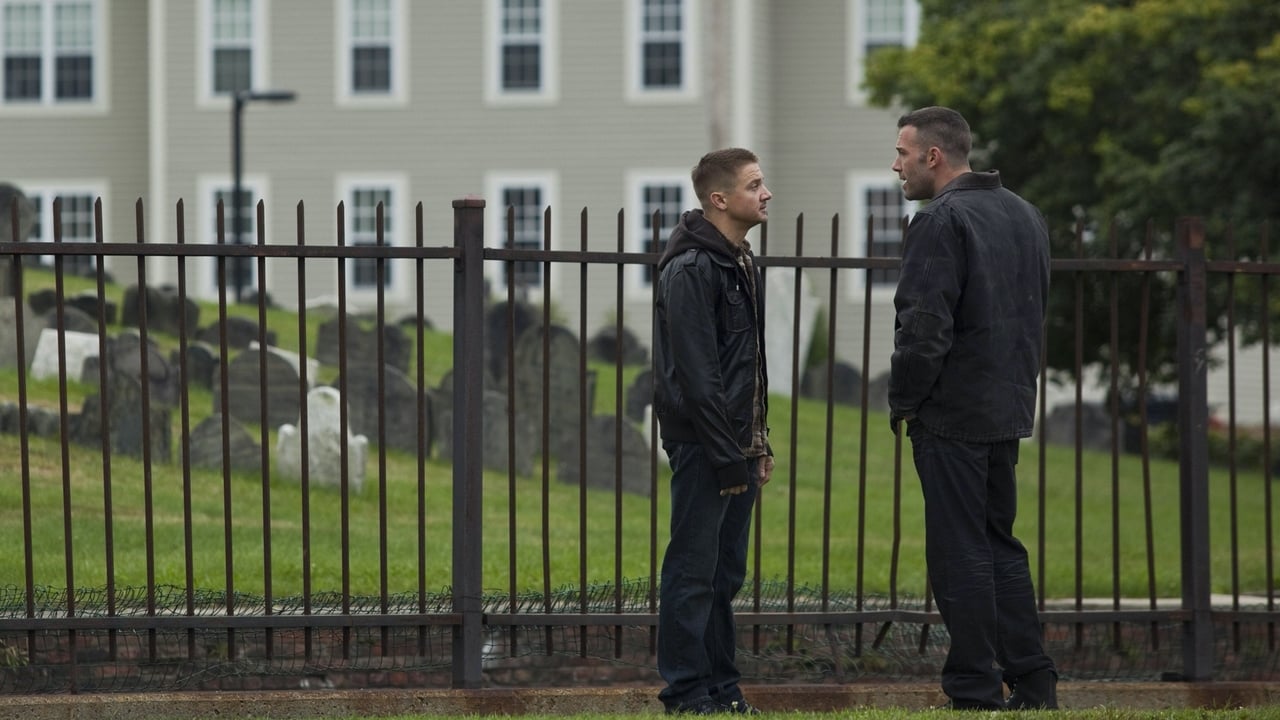
While Ben Affleck gives a restrained, weary performance, the movie arguably belongs to Jeremy Renner as James "Jem" Coughlin. If Doug is the brain of the operation, Jem is the unexploded ordnance. Renner is absolutely terrifying here, vibrating with a hair-trigger unpredictability that makes every scene feel like it’s about to shatter. He’s the friend who would die for you, but he’s also the friend who will make sure you have no choice but to die with him.
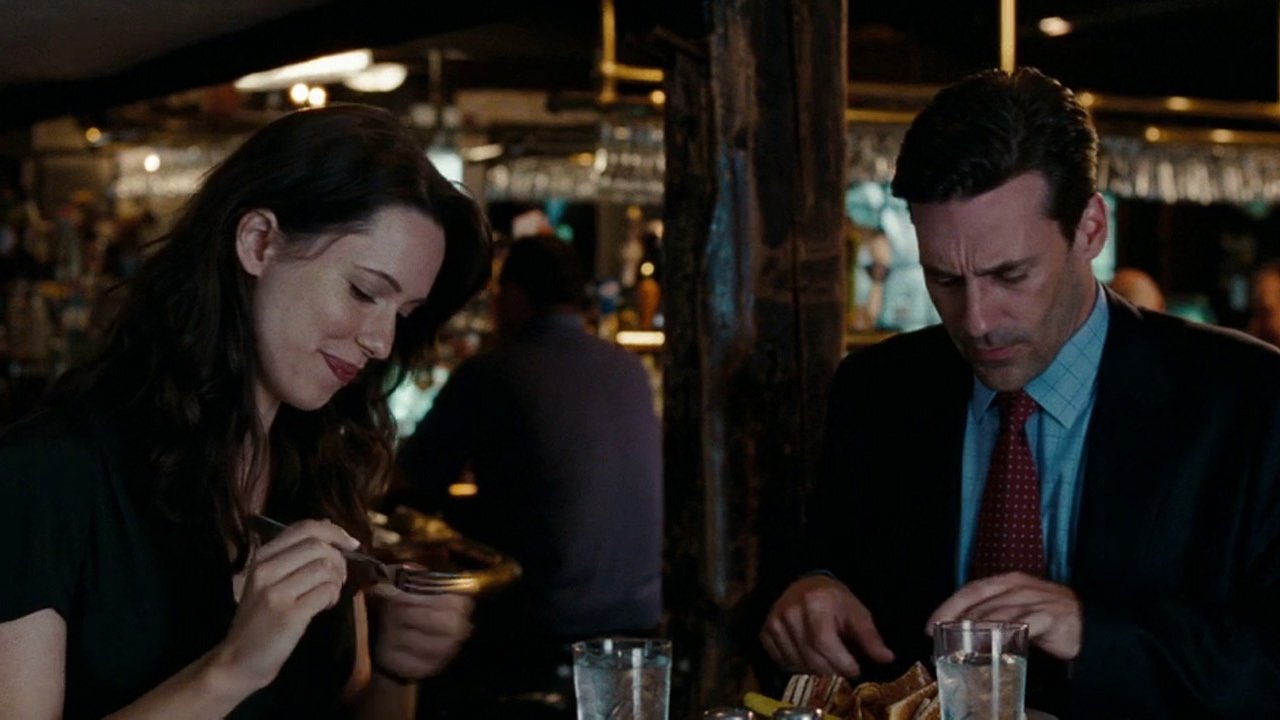
The chemistry between them is tragic because it’s so authentic. You can see the decades of shared history in the way they sit in a car together. Adding to the friction is Jon Hamm as FBI Special Agent Adam Frawley. Fresh off the early success of Mad Men, Hamm plays Frawley not as a hero, but as a relentless, slightly arrogant bureaucrat who views the robbers as a puzzle to be solved rather than human beings to be saved. He’s the cold reality of the law crashing against the hot-blooded loyalty of the neighborhood.
I should mention Blake Lively, too. In 2010, she was mostly known for Gossip Girl, but her turn here as Krista—a woman drowning in the drugs and desperation of the "Town"—was a genuine shock. She disappeared into the role, proving she had a range that the glossy TV world was barely tapping into.
The Mechanics of the Scores
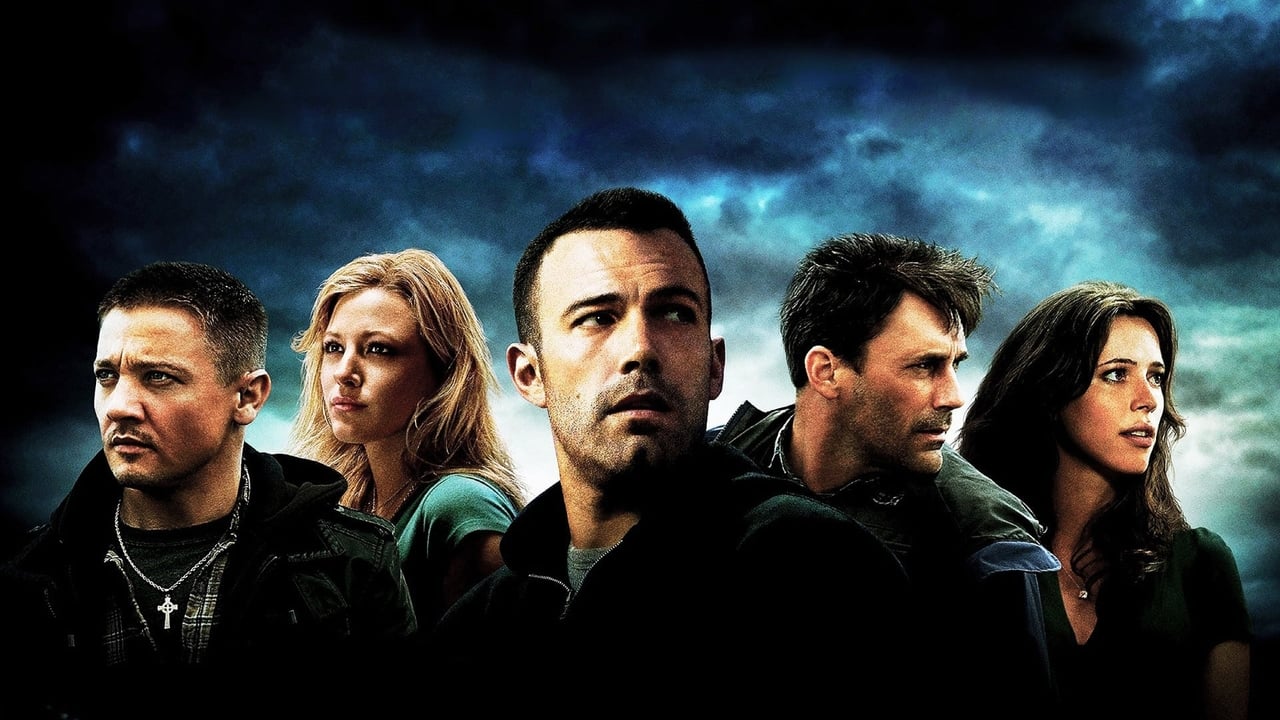
What makes The Town a standout blockbuster of its era is the balance between character beats and sheer, adrenaline-soaked action. The heist at Fenway Park remains one of the most clever uses of a local landmark in cinema history. It’s not just spectacle; it’s an exploitation of the city’s geography. Apparently, Affleck was so committed to authenticity that he interviewed actual bank robbers and prison inmates to get the dialogue and the logistics right. He even cast real Charlestown locals as extras to ensure the "flavor" of the neighborhood wasn't lost in translation.
The film was a massive commercial success, turning a $37 million budget into a $154 million global haul. Looking back, it was a pivotal moment for the mid-budget adult drama. This was the kind of movie that thrived on DVD culture; I remember the "Extended Cut" being a hot topic among my friends, as it added nearly 30 minutes of character development that shifted the tone from a heist flick to a sprawling urban epic. It also captures that specific 2010 tech-transition: the FBI is using sophisticated surveillance, but the robbers are still relying on scanners and brute force. It’s a clash of old-school crime and new-school policing.
The Town is a rare beast: a high-octane heist movie with a soul that’s actually worth saving. It treats its characters with a grim respect, refusing to let them off the hook for their choices while acknowledging the environmental gravity that pulled them toward those choices in the first place. Whether you’re here for the tactical shootouts or the heartbreaking "what-ifs" of Doug’s relationship with Rebecca Hall’s Claire, it’s a film that earns every bit of its runtime. It’s a love letter to a city, even if that letter is written in blood and spent shell casings.

Keep Exploring...
-
Argo
2012
-
Gone Baby Gone
2007
-

Inside Man
2006
-
The Girl with the Dragon Tattoo
2009
-
Live by Night
2016
-
Cape Fear
1991
-
A Perfect World
1993
-
A Time to Kill
1996
-
Primal Fear
1996
-

Sleepers
1996
-
Donnie Brasco
1997
-
The Talented Mr. Ripley
1999
-

Traffic
2000
-

Mystic River
2003
-

The Dark Knight Rises
2012
-
Collateral
2004
-
Lucky Number Slevin
2006
-
Undisputed II: Last Man Standing
2006
-
United 93
2006
-
Before the Devil Knows You're Dead
2007