The Twilight Saga: Eclipse
"Pick a side. Pick a monster."
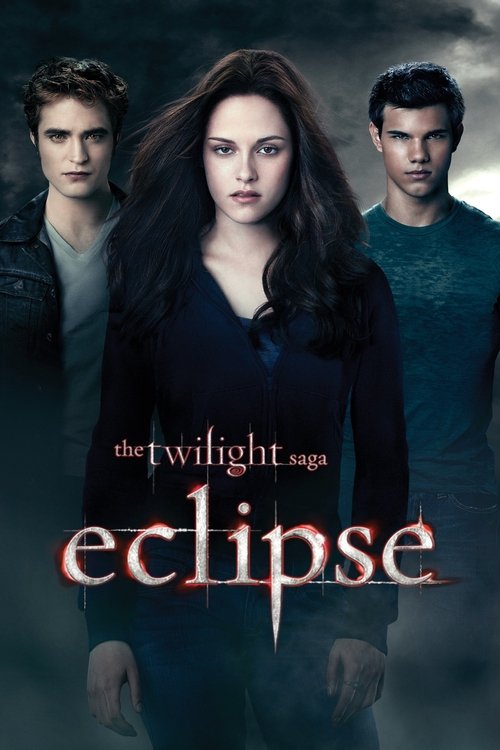
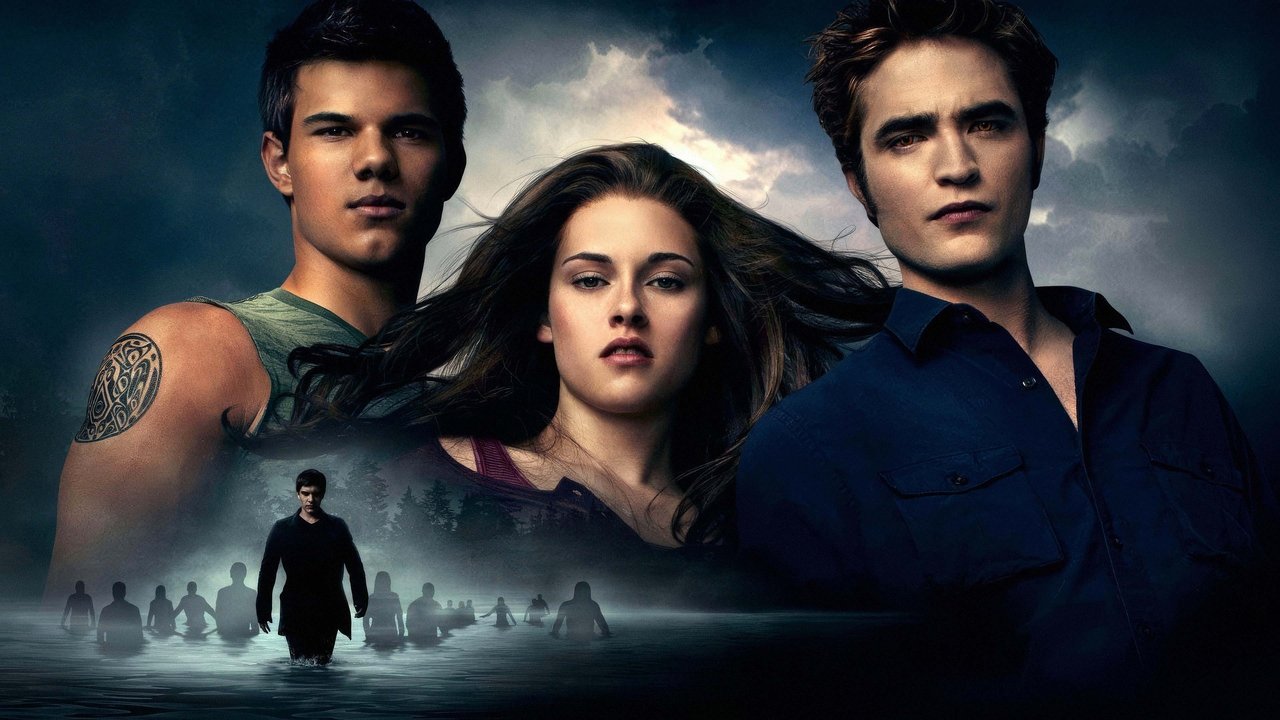
I remember watching this for the first time on a flight where the person in the middle seat was aggressively clipping their toenails, and somehow, the sheer cinematic melodrama of Edward and Jacob arguing in a tent was still the most uncomfortable thing happening in my immediate vicinity. Looking back at The Twilight Saga: Eclipse, it’s easy to dismiss it as the peak of the "Team Edward vs. Team Jacob" hysteria, but there’s something genuinely fascinating about this specific entry in the franchise. It’s the moment the series tried to grow up, trading the blue-tinted indie vibes of the first film for something grittier, bloodier, and surprisingly competent.
The Slade Shake-Up
By 2010, the Twilight machine was a global juggernaut. We were deep in the era of "Franchise Formation," where studios were desperately trying to figure out how to keep audiences hooked between sequels. After the lethargic, mopey pace of New Moon, Summit Entertainment made a "pre-MCU" power move: they hired David Slade.
If you knew Slade then, you knew him for the claustrophobic vampire horror 30 Days of Night (2007) and the disturbing thriller Hard Candy (2005). He wasn't the obvious choice for a teen romance, but his influence is why Eclipse is arguably the most watchable of the five films. He brought a kinetic energy to the screen that was previously missing. The action sequences aren't just there to fill time; they have weight. When the "newborn" vampires attack in the finale, there's a jagged, visceral quality to the choreography that actually feels like a threat. For the first time, the CGI wolves didn't just look like oversized, sentient rugs—they felt like predators.
The Ageless Tug-of-War
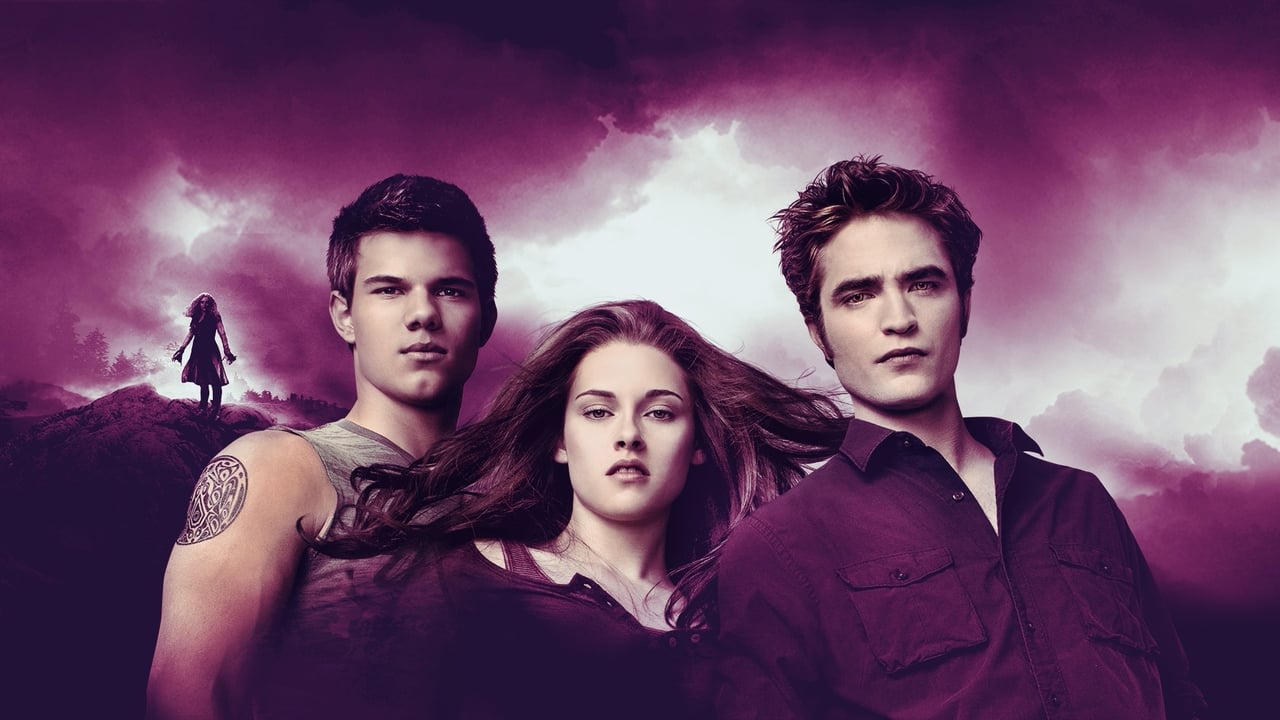
At its heart, Eclipse is a drama about the paralysis of choice. Kristen Stewart, often unfairly maligned for her "stiff" performance, is actually doing a lot of heavy lifting here. She plays Bella with a mounting sense of claustrophobia. She’s graduated high school, her mortality is ticking away like a bomb, and she’s caught between two supernatural extremes. Robert Pattinson continues his streak of playing Edward like he’s perpetually suffering from a very stylish migraine, but he and Stewart finally have the chemistry that the previous director, Chris Weitz, struggled to find.
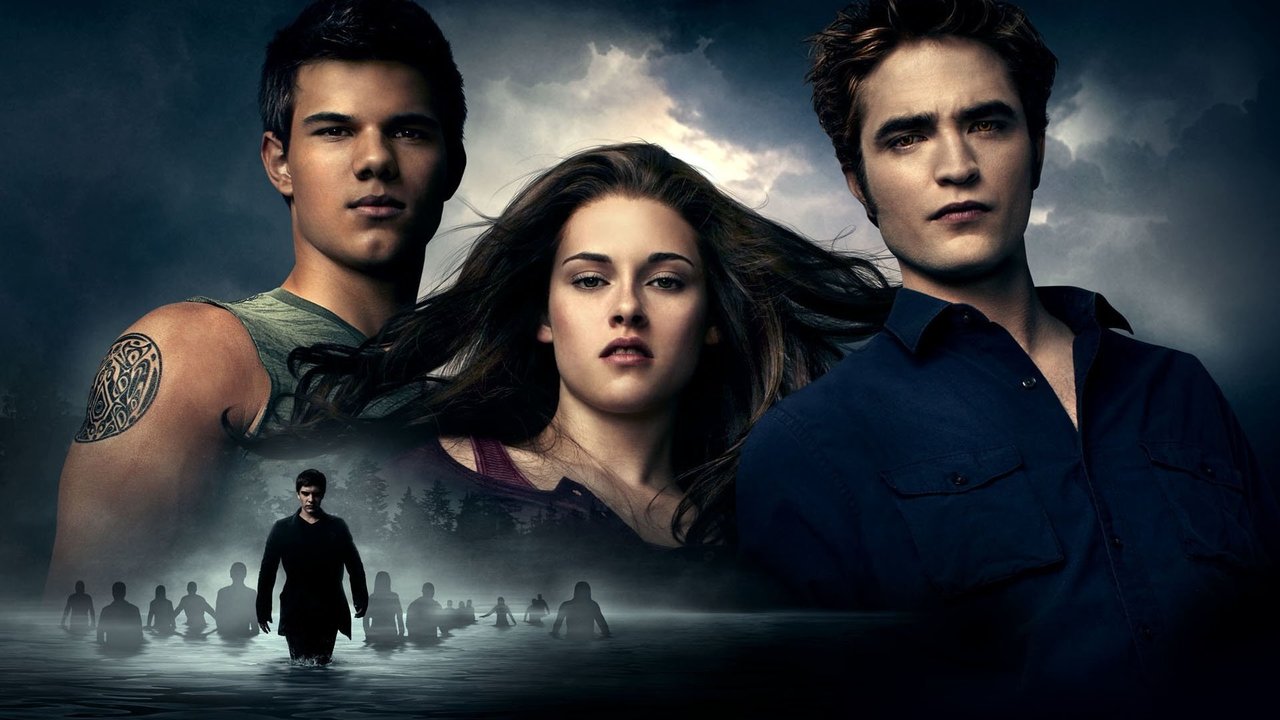
Then there’s Taylor Lautner. By 2010, the marketing for these films had become so focused on his gym routine that it threatened to eclipse (pun intended) his performance. But in this film, Jacob Black is more than just a torso; he’s the catalyst for the film's best dramatic tension. The famous "tent scene," where Edward is forced to let Jacob warm up a freezing Bella because a vampire’s body is essentially a block of ice, is a masterclass in awkward, high-stakes melodrama. It’s the kind of character-driven conflict that feels earned rather than manufactured. Edward Cullen is basically a glittery 100-year-old incel in this scene, and the film is self-aware enough to let that tension breathe.
Production Polishes and Casting Swaps
One of the most discussed "Modern Cinema" shifts during this production was the replacement of Rachelle Lefevre with Bryce Dallas Howard as the villainous Victoria. It was a controversial move at the time—the kind of behind-the-scenes drama that fueled early social media discourse. Howard brings a colder, more calculated menace to the role, even if we miss the wild-eyed energy of the original.
The film also benefits immensely from Howard Shore’s score. Bringing in the man who defined the sound of The Lord of the Rings was a stroke of genius. He grounds the teenage angst in something operatic and timeless. It’s a reminder of the era's "DVD Culture," where special features often revealed how much effort went into the technical craft of films that critics were otherwise quick to dismiss. From the cinematography by Javier Aguirresarobe—who manages to make the Pacific Northwest look beautiful without relying on that thick blue filter from the 2008 original—to the sharp supporting turns by Dakota Fanning as the terrifying Jane, there’s a level of craft here that demands respect.
And we have to talk about Billy Burke. As Charlie Swan, he remains the MVP of the entire saga. His deadpan delivery and "exhausted dad" energy provide the necessary anchor to a world filled with sparkling immortals. Every time he’s on screen, the movie remembers that it’s also a story about a father losing his daughter to a world he doesn't understand.
In the grand scheme of the 1990-2014 blockbuster era, Eclipse stands as a peak example of how to execute a mid-franchise pivot. It captures that specific 2010 cultural moment when the internet was beginning to dictate film marketing, and "fandom" was becoming the primary driver of the box office. While it doesn't escape the inherent silliness of its "monsters-in-love" premise, David Slade’s direction ensures that the stakes feel real and the action feels earned. It’s a drama that wears its heart—and its fangs—on its sleeve, and for a two-hour slice of popcorn cinema, that’s more than enough.
Keep Exploring...
-

The Twilight Saga: Breaking Dawn - Part 2
2012
-

The Twilight Saga: New Moon
2009
-
The Twilight Saga: Breaking Dawn - Part 1
2011
-
Twilight
2008
-
Forever Young
1992
-
Snow White and the Huntsman
2012
-
Maleficent
2014
-

17 Again
2009
-
City of Angels
1998
-
The Horse Whisperer
1998
-
Step Up
2006
-
Phenomenon
1996
-
Shallow Hal
2001
-
Herbie Fully Loaded
2005
-
Just Like Heaven
2005
-
10,000 BC
2008
-
The Spiderwick Chronicles
2008
-

Where the Wild Things Are
2009
-

Immortals
2011
-
Beautiful Creatures
2013